

General Roofing
Roofing
How Long Does a Roof Last in Florida?
The relentless Florida sun beats down, the afternoon thunderstorms roll in with their characteristic fury, and another hurricane season looms on the horizon. If you are a homeowner in Melbourne Beach, or anywhere in Brevard County for that matter, you have likely found yourself gazing up at your roof, perhaps after a particularly strong gust of wind or a heavy downpour, wondering just how much more it can take. That feeling of uncertainty, of questioning your roof’s age and resilience against our unique climate, is a common experience for many here in the Sunshine State.
This guide aims to demystify one of the most critical aspects of homeownership in Florida: the true longevity of your roof. We will cut through the guesswork to help you understand the factors that determine your “roof lifespan Florida,” equipping you with the knowledge to make informed decisions for your property. It is about understanding what to expect, recognizing the warning signs, and knowing when it is time to act to protect your most significant investment.
Our state’s environment, with its intense UV radiation, high humidity, frequent heavy rains, and the ever-present threat of tropical storms and hurricanes, presents a constant challenge to even the most robust roofing systems. These unique pressures mean that a roof in Florida often ages differently and requires more specific considerations than one in a milder climate. Ignoring these factors can lead to premature wear, costly repairs, and potential structural damage.
Throughout this post, we will explore the various elements that truly dictate how long your roof will last. This includes everything from the specific roofing materials chosen and the quality of their installation to the ongoing maintenance it receives. Understanding these components is not merely about avoiding leaks; it is about ensuring the structural integrity of your home and safeguarding your family’s comfort and safety for years to come.
Many homeowners often face a difficult decision: should they attempt a minor repair themselves or enlist the help of a professional? While some small, superficial tasks might seem manageable, the underlying complexity of roofing, especially when considering Florida’s stringent building codes and extreme weather, often necessitates expert knowledge and specialized tools. A seemingly simple DIY fix can quickly become a much larger, more expensive problem if not executed correctly.
For comprehensive advice, accurate assessments, and reliable, long-lasting solutions, consulting with experienced professionals is always the wisest course of action. Here at Florida Roof Bros, we are a family-owned company with over 25 years of combined experience in Florida roofing. Our in-house crews, never subcontractors, are deeply familiar with the challenges our climate presents, ensuring every job is done right the first time. We are committed to helping homeowners throughout Brevard County, including Melbourne Beach, ensure their roofs are built to withstand Florida’s demands. Trust the Pros, Call the Bros at (321) 446-1702 for a consultation.
The Unique Challenges of a Florida Roof
Florida’s climate is undeniably beautiful, drawing millions to its shores, but it is also exceptionally harsh on residential and commercial roofs. The combination of intense, daily sun exposure, frequent afternoon downpours, persistently high humidity, and the constant threat of tropical storms and hurricanes creates an environment where roofing systems age significantly faster than in many other regions of the country. This relentless environmental assault necessitates a specialized approach to roofing, one that prioritizes durability and resilience above all else.
The sun’s powerful ultraviolet (UV) rays are a primary culprit in the degradation of roofing materials. Over time, UV exposure causes shingles to become brittle, crack, and fade, reducing their protective capabilities and aesthetic appeal. Simultaneously, the heavy, often torrential, rains we experience can lead to standing water, promote the growth of unsightly and damaging mold and mildew, and accelerate rot if drainage is not absolutely perfect. High winds, especially during named storms, can lift and tear shingles, compromise flashing, and expose the underlying roof deck to severe water intrusion.
In response to these pervasive threats, Florida’s building codes are among the strictest and most comprehensive in the nation, particularly concerning wind resistance and water intrusion. These codes, which are regularly updated to reflect new research and lessons learned from past storm events, dictate precise installation methods, fastening requirements, and material strength standards for all roofing components. Adhering to these codes is not merely a bureaucratic formality; it is absolutely critical for ensuring the safety, structural integrity, and long-term performance of your roof.
This stringent regulatory environment is where the DIY versus professional debate truly comes into sharp focus for Florida homeowners. While an individual might feel capable of patching a small, isolated leak, understanding and correctly implementing the intricate details of current Florida building codes, including specific requirements for underlayment, flashing, ventilation, and fastening patterns, demands specialized knowledge, experience, and often proprietary tools. A DIY repair or installation that fails to meet code could not only compromise your home’s protection but also void manufacturer warranties, complicate future insurance claims, or fail catastrophically during the next severe weather event.
Professional roofers, such as our dedicated in-house crews at Florida Roof Bros (FL license CCC1332911), possess the in-depth expertise and certifications required to navigate these complex regulations seamlessly. As a company that uses no subcontractors, we ensure every member of our team is thoroughly trained and committed to meeting the highest industry and code standards. This guarantees your roof is installed or repaired correctly, safely, and in full compliance with all local ordinances, providing you with genuine peace of mind.
While the initial cost of a professional, code-compliant roof installation might appear higher than a do-it-yourself attempt, the long-term savings and benefits are substantial. A roof installed by certified professionals will last significantly longer, dramatically reducing the frequency of costly repairs or premature replacements. Moreover, professional work typically comes with robust warranties, like those we offer as an Owens Corning Platinum Preferred Contractor, which provide an unmatched level of protection and assurance that a DIY project simply cannot match. We are also proud to maintain an A+ rating with the BBB and boast over 300 five-star Google reviews, reflecting our unwavering commitment to quality and customer satisfaction.
Understanding Your Roof’s Lifespan in the Sunshine State
Living in Melbourne Beach means enjoying beautiful weather and coastal breezes, but it also means your roof faces a unique set of challenges that can significantly impact its lifespan. Unlike roofs in more temperate climates, a Florida roof endures relentless sun, high humidity, torrential downpours, and the constant threat of hurricane-force winds. These factors mean that while a national average for a particular roofing material might suggest a long lifespan, the reality here in Florida, especially under the strict Florida Building Code (FBC), can be quite different. Knowing what to expect from your specific roofing material and understanding the warning signs of wear is crucial for protecting your investment and your home.
Material Matters: Typical Lifespans in Florida
The type of material you choose for your roof is the biggest factor in how long it will last, but even then, Florida’s environment puts these materials to the ultimate test. Here’s a realistic look at common roofing materials and their expected lifespans in our tough climate:
- Architectural Shingles (Laminate Shingles): These are a popular choice due to their aesthetic appeal and cost-effectiveness. Nationally, they might last 20-30 years, but in Florida, you’re typically looking at 15-25 years. The intense UV radiation breaks down the asphalt and dislodges granules much faster, reducing their protective qualities. Modern architectural shingles installed in Florida must meet stringent wind uplift requirements, often rated for winds up to 130 mph, which helps them withstand our storms better than older installations.
- Standing Seam Metal Roofs: Valued for their durability and sleek look, metal roofs offer excellent longevity. While national averages can be 40-70 years, a high-quality standing seam metal roof in Florida typically lasts 30-50 years. These roofs are highly resistant to wind, fire, and rot, and their reflective properties can even help with energy efficiency. However, coastal salt air, like what we experience in Melbourne Beach, can accelerate corrosion on fasteners and unpainted edges if not properly installed with marine-grade materials.
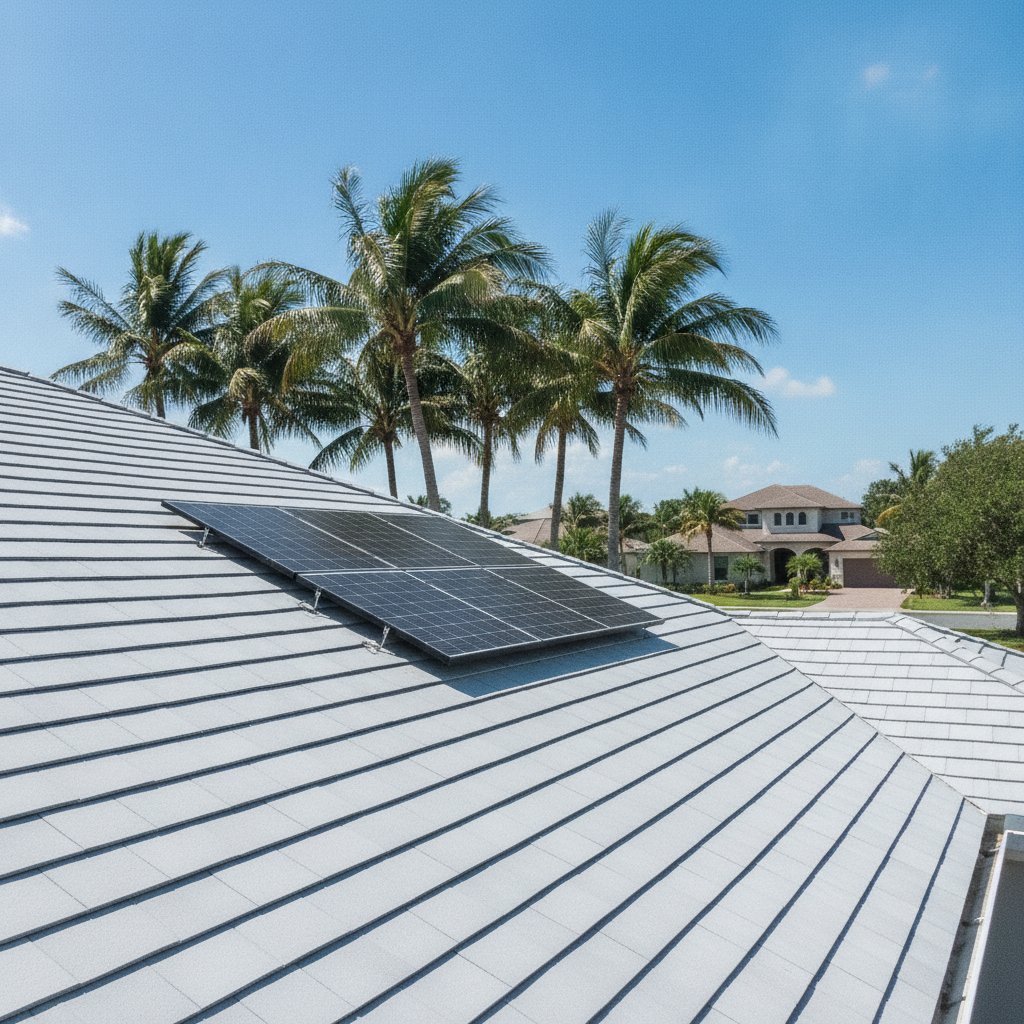
- Concrete and Clay Tile Roofs: These are premium options known for their impressive durability and aesthetic versatility, often seen on Mediterranean or Spanish-style homes. Both concrete and clay tiles can last 30-50 years or even longer in Florida. They are incredibly resistant to fire, rot, and insects, and their heavy weight makes them excellent against wind uplift, provided the underlayment and installation are up to FBC standards. While the tiles themselves are extremely long-lasting, their underlayment will eventually need replacement, usually around the 25-30 year mark, which is a significant job.
- Flat/Low-Slope Roofs (TPO, Modified Bitumen): Commonly found on commercial buildings or specific residential designs, these roofs have a shorter lifespan. TPO (Thermoplastic Polyolefin) and Modified Bitumen roofs typically last 15-25 years in Florida. They are susceptible to ponding water and intense UV exposure, requiring vigilant maintenance to prevent premature failure.
The Florida Climate Challenge: What Your Roof Faces Daily
It’s not just the occasional hurricane that challenges your roof; it’s the everyday assault from our unique climate. The relentless Florida sun, with its powerful ultraviolet (UV) rays, is a silent killer for roofing materials, especially asphalt shingles. UV radiation causes materials to break down, become brittle, and lose their protective oils and granules, essentially accelerating the aging process.
Beyond the sun, our high humidity and frequent heavy rains create a breeding ground for algae, mold, and mildew. These growths not only detract from your home’s curb appeal but can also trap moisture, leading to premature material degradation, especially on shingles and wood components. Furthermore, the constant cycle of heat and moisture can cause materials to expand and contract, putting stress on fasteners and seals, eventually leading to cracks and leaks.
And of course, there are the winds. From strong afternoon thunderstorms to named hurricanes, Florida roofs must withstand significant wind forces. The Florida Building Code sets some of the highest standards in the nation for wind resistance, requiring specific installation techniques, stronger fasteners, and higher-rated materials to protect against wind uplift. A Category 1 hurricane might have winds of 74-95 mph, while a Category 5 can exceed 157 mph, putting immense strain on even the best-installed roofs.
Warning Signs Your Roof is Nearing the End
Your roof often gives subtle hints that it’s nearing the end of its life before a catastrophic failure occurs. Being aware of these warning signs can help you plan for a replacement before an emergency arises. Don’t ignore:
- Granule Loss: For shingle roofs, excessive granules washing into your gutters is a clear sign that the shingles’ protective layer is wearing away, exposing the asphalt to damaging UV rays.
- Curling, Cracking, or Missing Shingles: Shingles that are curling at the edges, cracking, or completely missing indicate a loss of integrity and an increased risk of leaks.
- Dark Spots or Algae Growth: While some algae can be cleaned, widespread, persistent dark streaks or moss indicate moisture retention and potential underlying issues, accelerating material breakdown.
- Water Stains on Ceilings or Walls: Any interior water damage, even small stains, is a definitive sign that your roof has a leak and needs immediate attention.
- Sagging Roof Deck: If you notice any areas of your roof deck sagging or dipping, this is a serious structural issue that requires immediate professional evaluation.
- Loose or Damaged Flashing: The metal flashing around chimneys, vents, and skylights is critical for preventing leaks. If it’s bent, rusted, or pulling away, your roof’s vulnerability increases significantly.
Catching these warning signs early can save you from more extensive and costly damage down the road. Regular inspections, both by you and a professional, are your best defense against an aging roof in Florida.
What Melbourne Beach Homeowners Should Do to Extend Roof Life
As a homeowner in Melbourne Beach, proactive maintenance and smart decisions are key to getting the maximum lifespan out of your roof. Ignoring minor issues or delaying necessary upkeep can drastically shorten your roof’s life, leading to premature replacement and unexpected expenses. Here are actionable steps you can take to protect your investment:
-
Schedule Regular Professional Roof Inspections
WHY: Even if your roof looks fine from the ground, a professional can spot subtle signs of wear, potential vulnerabilities, or minor damage that could escalate into major problems. Catching issues early, like a loose shingle or a failing seal, can prevent costly leaks and structural damage.
HOW: We recommend getting your roof inspected by a qualified Florida roofer at least once a year, ideally in the spring or fall. It’s also critical to have an inspection after any significant storm, even if there’s no visible damage, as wind or hail can cause less obvious issues that compromise your roof’s integrity over time.
-
Keep Your Gutters and Downspouts Clean
WHY: Clogged gutters prevent water from draining properly, causing it to back up and pool on your roof or overflow onto your fascia and foundation. This standing water can lead to rot, mold growth, and premature degradation of your roofing materials and the underlying structure.
HOW: Regularly clear leaves, twigs, and debris from your gutters, especially after heavy rains or windy conditions. Ensure downspouts are clear and direct water at least several feet away from your home’s foundation to prevent saturation.
-
Trim Overhanging Tree Branches
WHY: Branches touching or hanging over your roof pose multiple threats. They can scrape away protective granules from shingles, drop leaves and debris that clog gutters, and provide easy access for pests. Most importantly, in a hurricane or strong thunderstorm, falling limbs can cause catastrophic damage to your roof.
HOW: Keep all tree branches trimmed at least 6-10 feet away from your roof’s surface and walls. If you have large trees, consider consulting an arborist to assess their health and potential risk during storm season.
-
Address Algae, Moss, and Mold Promptly
WHY: In Florida’s humid climate, algae (often appearing as black streaks), moss, and mold thrive on roofs. These growths can trap moisture, accelerate the breakdown of roofing materials, and even lift shingles, making your roof more vulnerable to wind and leaks. They also significantly detract from your home’s curb appeal.
HOW: While it’s tempting to power wash, this can severely damage your roof. Instead, consult a professional roof cleaning service that uses a soft wash method with appropriate, roof-safe cleaning solutions. This safely removes growths without harming your roof’s surface.
-
Understand Your Roof Warranty and Homeowner’s Insurance
WHY: Knowing the specifics of your roof’s warranty (both manufacturer and labor) and your homeowner’s insurance policy is crucial. Warranties often have specific maintenance requirements, and insurance policies have timelines for filing claims after storm damage. Being informed helps you protect your financial investment.
HOW: Keep copies of all warranty documents and your insurance policy in an easily accessible place. Review them annually to understand coverage, deductibles, and claim procedures. For hurricane damage, Florida insurance typically has strict deadlines for filing claims, so prompt action after a storm is essential.
-
Don’t Delay Minor Repairs, Especially Leaks
WHY: A small leak in Florida’s rainy season can quickly turn into a major problem, leading to extensive water damage, mold growth, and compromised structural integrity. Water intrusion is the enemy of any roof and can cause thousands of dollars in secondary damage if not addressed immediately.
HOW: If you notice any signs of a leak, no matter how small, contact a reputable local roofer like Florida Roof Bros immediately. Prompt repair can save you significant money and prevent further deterioration of your home.
-
Choose a Reputable, Local Roofing Contractor for Any Work
WHY: Roofing is complex, especially with Florida’s stringent building codes and unique climate challenges. An experienced local contractor understands these specific requirements, uses appropriate materials, and is familiar with the permitting process in Melbourne Beach. Hiring a fly-by-night company can lead to shoddy work, warranty voidance, and future headaches.
HOW: Always verify a contractor’s licensing and insurance (Florida requires both). Check their local references, read online reviews, and ensure they provide a detailed, written estimate. Don’t be pressured into signing contracts without fully understanding them, and never pay the full amount upfront.
Frequently Asked Questions
How long does an asphalt shingle roof typically last in Melbourne Beach, FL?
In Melbourne Beach, asphalt shingle roofs generally last between 15 to 25 years. The intense UV radiation from the Florida sun, coupled with high humidity and frequent heavy rains, can accelerate wear and tear, sometimes shortening the lifespan compared to cooler climates. Opting for high-quality shingles and ensuring professional installation are key factors in reaching the longer end of this range.
What specific environmental factors in Florida most impact a roof’s lifespan?
Florida’s unique environmental factors significantly impact roof lifespan. Intense UV rays cause materials to break down and become brittle over time, while consistent high humidity fosters the growth of algae, moss, and mildew, which can degrade roofing surfaces. Furthermore, strong winds from tropical storms and hurricanes, along with torrential rainfall, inflict considerable stress and potential damage, accelerating the need for repairs or replacement.
Is a metal roof a worthwhile investment for increased longevity in Florida compared to traditional shingles?
Absolutely, a metal roof is often considered a superior long-term investment for longevity in Florida. With lifespans ranging from 40 to 70 years, metal roofs significantly outlast asphalt shingles, offering exceptional durability against high winds, fire, and pests. Their inherent resistance to the elements makes them an excellent choice for homeowners seeking maximum protection and minimal maintenance in the demanding Florida climate.
How frequently should homeowners in Melbourne Beach, FL, have their roofs professionally inspected to ensure maximum lifespan?
To ensure maximum lifespan for your roof in Melbourne Beach, professional inspections are highly recommended at least once every one to two years. Crucially, an inspection should always be scheduled promptly after any significant weather event, such as a strong tropical storm or hurricane. Early detection and repair of minor issues like loose shingles or damaged flashing can prevent them from escalating into much more expensive and extensive problems down the line.
Can proactive roof maintenance truly extend the life of my roof in Florida’s harsh climate?
Yes, proactive roof maintenance is undeniably crucial for extending your roof’s life in Florida’s harsh climate. Regular tasks such as clearing gutters of debris, trimming overhanging tree branches, and promptly addressing any visible moss, algae, or mildew growth are vital. These actions prevent water damming, surface degradation, and structural stress, ultimately helping your roof withstand the elements and perform optimally for as many years as possible.
Roofing Services Across Central Florida
Florida Roof Bros serves homeowners throughout Brevard County, Pinellas County, and surrounding Central Florida communities. If you need a roof inspection, repair, or replacement in any of these areas, our team is ready to help:
- Palm Bay, FL Roofing
- Melbourne, FL Roofing
- West Melbourne, FL Roofing
- Rockledge, FL Roofing
- Vero Beach, FL Roofing
Secure Your Home with Florida Roof Bros
Understanding how long your roof lasts in Melbourne Beach, FL, isn’t just about the material you choose; it’s a dynamic interplay of climate, quality of installation, and consistent maintenance. While a new roof can offer decades of protection, Florida’s intense sun, humidity, and severe weather patterns mean that proactive care and regular professional assessments are vital to ensuring its maximum lifespan and protecting your home investment.
Don’t leave the integrity of your roof to chance. Even if your roof seems fine, hidden damage from past storms or subtle wear and tear can significantly shorten its life. Florida Roof Bros is dedicated to helping homeowners in Melbourne Beach maintain safe and durable roofs. We offer 100% free, no-obligation roof inspections, providing you with a clear understanding of your roof’s current condition and any potential issues.
Our experienced team will thoroughly assess your roof, offer expert recommendations, and answer all your questions with transparency. Taking action now can save you significant time and money in the long run by preventing minor problems from escalating. For peace of mind and to ensure your roof is ready for whatever Florida weather brings, reach out to us today. Trust the Pros, Call the Bros at (321) 446-1702.
We are proud to serve the Melbourne Beach community, delivering top-tier roofing solutions built to withstand the unique challenges of our coastal environment. Let us help you protect your most valuable asset with reliable service and unparalleled craftsmanship.
Need a free roof inspection? Call Florida Roof Bros at (321) 446-1702 or request a free inspection online. Family-owned, no subcontractors, Owens Corning Platinum Preferred. Trust the Pros, Call the Bros.
