

General Roofing
Roofing
How Long Does a Roof Last in Florida?
The afternoon sun beats down on your Melbourne Beach home, a familiar warmth that often gives way to sudden, torrential downpours. You might be enjoying a quiet moment on the porch when a quick glance up reveals a few loose granules in the gutter, or perhaps a particularly strong gust of wind during the last storm left you wondering about the integrity of your shingles. For homeowners across Brevard County, this isn’t just a fleeting thought; it’s a fundamental question about one of your most critical investments: how long does a roof truly last in the unique Florida climate? The lifespan of your roof isn’t just about the age of the materials, but also about the constant battle it wages against intense UV exposure, relentless humidity, and the occasional fury of a tropical storm.
Understanding the factors that contribute to or detract from your roof’s longevity is key to making informed decisions about its maintenance and eventual replacement. This isn’t a one-size-fits-all answer, as various materials and environmental stressors play significant roles in how long your roof will protect your home. We understand the concerns that arise when considering such a vital component of your property, especially when facing the prospect of a major home improvement project. Our goal with this post is to provide clear, actionable insights into what you can expect from your roofing system, helping you prepare for the future and ensure your home remains safe and dry.
Whether you’re new to the area, have lived here for years, or simply haven’t thought about your roof since you bought the house, knowing its typical lifespan and the signs of wear is crucial. This knowledge empowers you to proactively address potential issues, saving you from costly emergency repairs down the line. We’ll delve into the specific challenges Florida roofs face, the expected durability of common roofing materials, and why proper installation is paramount to extending your roof’s life well beyond its minimum warranty. By understanding these elements, you can better plan for your home’s future and protect your investment.
The decision to repair or replace a roof is a significant one, often accompanied by questions about cost, duration, and the best path forward. Instead of guesswork, we want to equip you with the knowledge to approach these decisions with confidence. From the moment you notice a small leak to the consideration of a full re-roof, having a clear understanding of your roof’s potential lifespan in Florida can guide your actions. As a family-owned company dedicated to serving Brevard County, Pinellas County, and Central Florida with integrity, Florida Roof Bros is here to be your trusted resource, offering our expertise when you need it most. You can always reach out to us directly for professional advice at (321) 446-1702.
Our aim is to demystify the complexities of roofing in a region like ours, where the climate dictates so much about building integrity. By the end of this discussion, you’ll have a clearer picture of what influences your roof’s durability, helping you understand when it might be time to call in the professionals. We believe that an educated homeowner is an empowered homeowner, capable of making the best choices for their property and their family’s safety. Let’s explore the unique journey a roof takes through its life cycle here in the Sunshine State, preparing you for whatever the Florida weather throws your way.
Understanding Your Roof’s Battle Against the Florida Elements
Florida’s climate is undeniably beautiful, but it’s also incredibly harsh on roofing systems. Unlike roofs in cooler, drier regions, a roof in Melbourne Beach or anywhere across Brevard County is under constant assault from a unique combination of environmental factors. The most significant of these is the relentless sun, which subjects shingles and other materials to intense ultraviolet (UV) radiation day after day, year after year. This continuous UV exposure is a primary culprit in breaking down roofing materials, causing them to become brittle, crack, and lose their protective granules prematurely, effectively shortening the overall **roof lifespan in Florida**.
Beyond the sun, the high humidity levels prevalent throughout the state create an ideal breeding ground for algae, moss, and mildew. These organisms, while not immediately damaging, can retain moisture against the roof surface, accelerate granule loss on asphalt shingles, and contribute to the deterioration of roofing materials over time. Furthermore, Florida experiences some of the highest rainfall totals in the nation, often delivered in powerful, short bursts during our daily summer thunderstorms. This constant cycle of wetting and drying, coupled with the sheer volume of water, tests the integrity of flashing, sealants, and the overall waterproofing capabilities of any roofing system, underscoring the need for robust installation.
Perhaps the most dramatic and destructive force roofs face here are the strong winds and tropical storms, including hurricanes. Even a seemingly minor storm can lift shingles, compromise flashing, or cause debris impact damage, creating vulnerabilities that lead to leaks and further deterioration. Florida building codes, particularly since Hurricane Andrew, have become some of the most stringent in the country, specifically designed to address these wind uplift challenges. This means that a properly installed roof, adhering to the latest codes, is built to a much higher standard of resilience than older roofs or those in less storm-prone areas, directly impacting its potential lifespan.
Considering these factors, the choice between a DIY approach and professional installation becomes critical. While a homeowner might be able to patch a small leak, understanding the nuances of Florida building codes, proper flashing techniques, and material-specific installation requirements is a specialized skill. For instance, an Owens Corning Platinum Preferred Contractor, like Florida Roof Bros, understands the specific products and installation methods required to meet these rigorous standards and maximize your roof’s performance against these elements. Our in-house crews, with over 25 years of combined experience, are trained to ensure every nail and seal is perfectly placed, a level of precision that directly extends your roof’s life.
The investment in a professional, licensed, insured, certified, and bonded roofing company (FL license CCC1332911) isn’t just about convenience; it’s about securing a system that can genuinely withstand Florida’s unique climate challenges. A DIY roof, or one installed by uncertified subcontractors, often falls short of code requirements and lacks the manufacturer-backed warranties that come with professional installation. This can lead to premature failure, voided warranties, and significantly higher costs down the road. Our A+ rating with the BBB and over 300 five-star Google reviews reflect our commitment to delivering this level of quality and peace of mind for homeowners across Brevard County and beyond. Trust the Pros, Call the Bros for a roof built to last.
Understanding Your Roof’s Lifespan in the Melbourne Beach Climate
When you invest in a roof for your Melbourne Beach home, you’re not just buying shingles or tiles; you’re buying decades of protection. However, the exact lifespan of your roof isn’t a fixed number. It’s a dynamic equation influenced heavily by the materials chosen and, perhaps most critically here in Florida, the relentless local climate. Understanding these factors is key to predicting your roof’s longevity and planning for its eventual replacement.
Average Lifespan by Roofing Material in Florida
Different roofing materials are engineered for varying degrees of durability, and their performance in Florida’s unique environment often differs from national averages. Here’s a breakdown of common roofing types we install and maintain across Melbourne Beach and their typical lifespans:
- Architectural Shingles: These are a popular choice due to their aesthetic appeal and cost-effectiveness. While nationally they might last 20-30 years, in Florida’s intense heat, humidity, and sun, we typically see them perform well for 18-25 years. Quality installation and regular maintenance are crucial for them to reach the higher end of this range.
- Standing Seam Metal Roofs: Known for their exceptional durability and energy efficiency, metal roofs are a fantastic investment for Florida homes. A properly installed standing seam metal roof can last anywhere from 40 to 70 years, often outliving the homeowners themselves. They are highly resistant to wind, fire, and pests, making them ideal for our hurricane-prone region.
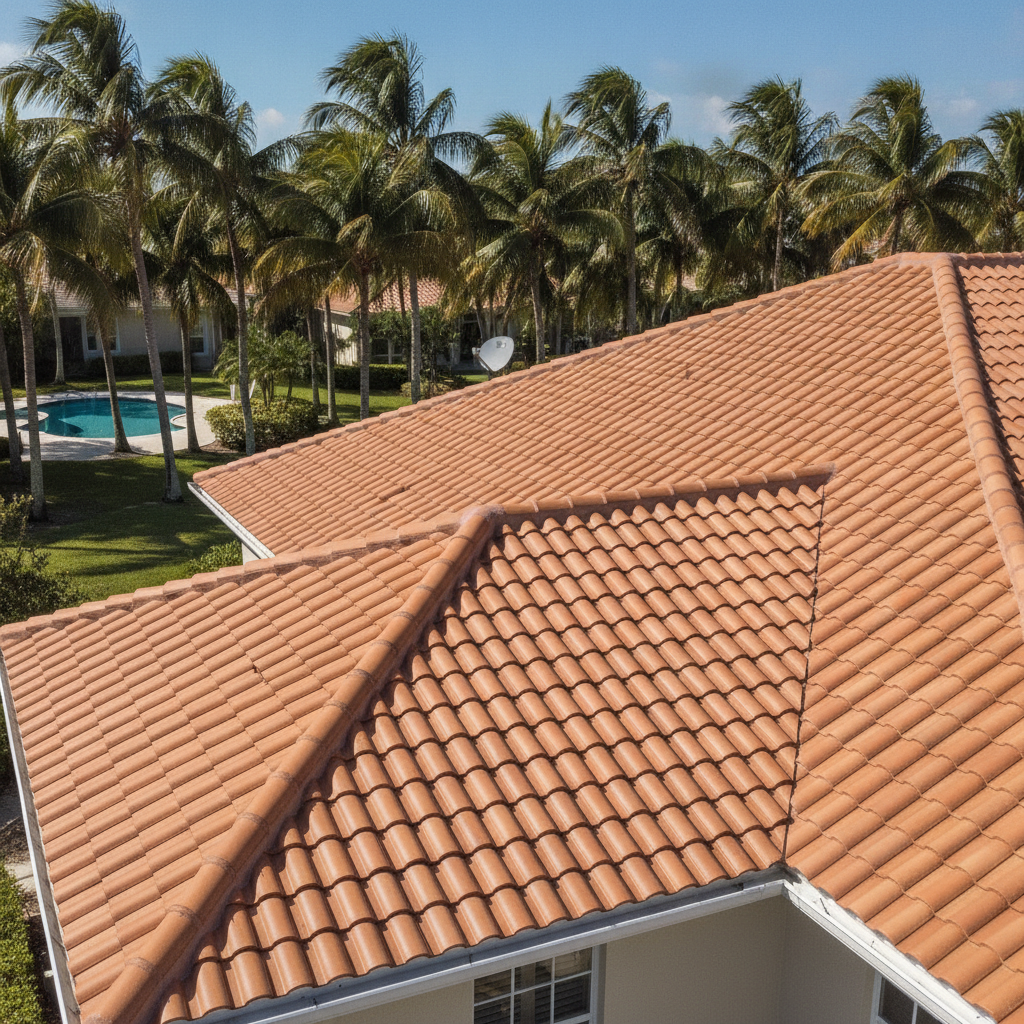
- Concrete and Clay Tile Roofs: These premium options offer superb longevity and a distinctive look, common in many upscale Melbourne Beach communities. Concrete and clay tiles are incredibly robust, resisting rot, insects, and fire. They can last 50 years or even more, with some installations exceeding 100 years. Their weight and specialized installation make them a significant upfront investment, but their durability often justifies the cost over the long term.
- Flat/Low-Slope Roofs (TPO, Modified Bitumen): For homes or sections of homes with flat or low-slope designs, materials like TPO (Thermoplastic Polyolefin) and modified bitumen are common. TPO roofs typically last 15-25 years, while modified bitumen can last 10-20 years. These materials are chosen for their excellent waterproofing capabilities and resistance to ponding water, a concern in flat roof applications.
How Florida’s Climate Affects Your Roof
Florida is beautiful, but it’s also tough on roofs. Our unique climate accelerates wear and tear, often reducing a roof’s lifespan compared to cooler, drier regions. The primary culprits are intense UV radiation, extreme heat, high humidity, and severe weather events.
The constant bombardment of UV rays from the sun degrades roofing materials over time, making them brittle and prone to cracking. High temperatures cause materials to expand and contract repeatedly, stressing fasteners and seals. Add to that our persistent humidity, which fosters mold, mildew, and algae growth, particularly on shingle roofs, further compromising their integrity and appearance. This biological growth can trap moisture, leading to premature decay of organic components.
Beyond the daily grind, Florida’s hurricane season poses the most significant threat. Every roof we install in Melbourne Beach is designed and built to meet or exceed the stringent Florida Building Code, which includes specific requirements for wind resistance. For example, residential roofs must be able to withstand significant uplift pressures, with many components rated for winds well over 130 mph, equivalent to a Category 3 hurricane. Higher wind ratings are often specified for homes in coastal high-wind zones. Even if a hurricane doesn’t cause catastrophic failure, the constant buffeting from tropical storms and high winds can loosen shingles, damage flashing, and create vulnerabilities that lead to leaks down the line.
Warning Signs of an Aging Roof
Being proactive about roof maintenance means knowing what to look for. Don’t wait for a leak to tell you your roof is failing. Here are critical warning signs that your roof is nearing the end of its service life:
- Missing or Damaged Shingles: Look for cracked, curled, or buckling shingles. Granule loss is also a major indicator, as these granules protect the shingle from UV rays. If you see bald spots or a significant amount of granules in your gutters, it’s time for an inspection.
- Water Stains or Leaks Indoors: Any discoloration on your ceilings or walls, especially after rain, is a clear sign of a roof leak. Don’t ignore these; even small leaks can lead to significant structural damage and mold growth.
- Sagging Roof Deck: If your roof deck appears to be sagging or drooping, it could indicate serious structural issues, often caused by prolonged water damage or insufficient support. This requires immediate professional assessment.
- Visible Algae, Moss, or Mold: While common in Florida, excessive growth can trap moisture against the roofing material, accelerating its deterioration. While some can be cleaned, persistent or widespread growth often indicates an underlying moisture problem or an aging roof that’s lost its protective qualities.
- High Energy Bills: An inefficient or damaged roof can lead to poor insulation, causing your HVAC system to work harder to maintain indoor temperatures. If your energy bills are inexplicably rising, your roof’s thermal performance might be compromised.
Regular inspections, especially after severe weather, are the best way to catch these issues early. A professional roofer from Florida Roof Bros can identify subtle signs of wear and tear that might be missed by an untrained eye, providing you with an accurate assessment of your roof’s condition and expected remaining lifespan.
What Melbourne Beach Homeowners Should Do
Protecting your roof and maximizing its lifespan in Melbourne Beach requires a proactive approach. As local roofers, we’ve seen firsthand how vigilance can save homeowners thousands of dollars and prevent major headaches. Here are actionable steps you should take:
-
Schedule Regular Professional Inspections
Why: Even if your roof looks fine from the ground, hidden issues like loose flashing, damaged pipe boots, or early stages of material degradation can go unnoticed. Our climate’s constant assault means problems can develop quickly. Regular inspections catch minor issues before they escalate into costly repairs or structural damage.
How: Aim for an inspection at least once every 1-2 years, and always after any significant storm, especially during hurricane season. A Florida Roof Bros professional will meticulously check every aspect of your roof, from the decking to the drainage system, providing a detailed report on its condition and any necessary preventative maintenance.
-
Keep Your Gutters Clean and Functional
Why: Clogged gutters prevent proper drainage, causing water to back up and pool on your roof or overflow and damage your fascia, soffits, and foundation. This standing water is a prime breeding ground for mold and can quickly rot wood components, leading to leaks and structural compromise.
How: Regularly clear leaves, twigs, and debris from your gutters, especially after heavy rains or windy conditions. Consider installing gutter guards to reduce the frequency of cleaning. Ensure your downspouts direct water away from your home’s foundation.
-
Trim Overhanging Tree Branches
Why: Overhanging branches pose several threats. They can scrape against your roof in the wind, abrading shingles and tiles. They drop leaves and debris, contributing to gutter clogs. Most critically, during a storm, heavy branches can break off and fall, causing severe and immediate damage to your roof structure and materials.
How: Periodically inspect trees around your home. Trim any branches that are within 10 feet of your roofline. If the trees are large or difficult to access, hire a professional arborist to ensure the job is done safely and effectively.
-
Address Algae and Moss Growth Promptly
Why: While common in humid Florida, excessive algae (often appearing as black streaks) and moss can trap moisture against your roof, accelerating material degradation. Moss can lift shingles, making them vulnerable to wind and water intrusion. Algae can also make your roof less reflective, increasing attic temperatures and energy costs.
How: Use a gentle, roof-safe cleaning solution or hire a professional roof cleaning service. Avoid high-pressure washing, which can damage shingles and other materials. Some shingles are manufactured with copper granules to resist algae, but even these may eventually show signs of growth.
-
Understand Your Homeowner’s Insurance Policy and Hurricane Deductible
Why: Florida homeowners policies often have specific clauses and deductibles related to hurricane damage, which can be significantly higher than standard deductibles. Knowing these details proactively helps you prepare financially and understand the claims process before disaster strikes. Many policies also have strict timelines for reporting damage.
How: Review your policy annually with your insurance agent. Understand your hurricane deductible (often a percentage of your home’s insured value, not a fixed dollar amount). Document your roof’s condition with photos and videos before hurricane season. Keep important policy documents accessible and know your insurer’s contact information and claims reporting procedures.
-
Consider a Roof Coating for Extended Life
Why: For certain roofing materials, particularly flat or low-slope roofs (like TPO or modified bitumen) and even some metal roofs, applying a reflective roof coating can significantly extend their lifespan. These coatings offer an additional layer of protection against UV rays and can reduce heat absorption, lowering your cooling costs.
How: Consult with Florida Roof Bros to determine if a roof coating is suitable for your specific roof type and condition. We can recommend the best type of coating and ensure proper application for maximum benefit and warranty compliance.
-
Don’t DIY Major Roof Repairs
Why: While minor gutter cleaning is fine, attempting complex roof repairs without proper training, tools, and safety equipment is extremely dangerous and can lead to further damage. Improper repairs can void warranties, create new leaks, and compromise the structural integrity of your roof. The Florida Building Code specifies precise installation methods for a reason.
How: For any repair beyond simple cleaning, always call a licensed and insured roofing professional like Florida Roof Bros. We have the expertise to diagnose problems accurately, perform repairs safely, and ensure all work meets local building codes and manufacturer specifications, giving you peace of mind.
Frequently Asked Questions
How long can a shingle roof realistically last in Melbourne Beach’s climate?
Standard asphalt shingles in Melbourne Beach typically last 15-25 years, though this can vary significantly. The intense sun, high humidity, and frequent severe weather events common to Florida’s coast can accelerate the wear and tear on shingles, leading to granule loss, cracking, and curling. Regular, professional inspections are absolutely crucial for maximizing their lifespan and catching issues early before they compromise your home’s protection.
Does hurricane season significantly shorten a roof’s lifespan in Florida?
Absolutely. Hurricane season, with its powerful winds, torrential rains, and potential for flying debris, can drastically reduce a roof’s lifespan, even if immediate, obvious damage isn’t present. High winds can lift shingles, compromise seals, and weaken the underlying structure over time, creating vulnerabilities. Post-storm inspections are vital to identify subtle issues that might not be visible from the ground but could lead to bigger problems and premature roof failure later on.
What is the typical cost range for a new metal roof installation in the Melbourne Beach area?
Metal roof installations in Melbourne Beach can vary widely based on material type (e.g., standing seam, corrugated), roof size, pitch, and complexity, generally ranging from $15,000 to $40,000 or more for a complete replacement. While a higher upfront investment compared to asphalt shingles, metal roofs offer superior longevity, exceptional durability against Florida’s elements, and often better energy efficiency. It’s a long-term investment that provides significant returns in terms of protection, reduced maintenance, and potential insurance savings.
How often should a homeowner in Melbourne Beach have their roof inspected to extend its life?
We strongly recommend a professional roof inspection at least once a year, ideally before or immediately after hurricane season, to catch and address minor issues proactively. Furthermore, any time your property experiences severe weather, such as a named storm, significant hailstorm, or prolonged heavy rain, a prompt inspection is critical. This proactive approach can identify small compromises to your roof’s integrity before they escalate into costly repairs and significantly help extend your roof’s overall lifespan.
When is it more cost-effective to replace a roof rather than continually repair it in Florida?
It becomes more cost-effective to replace a roof when it’s nearing the end of its expected lifespan, has widespread damage that affects more than 25% of its surface, or requires frequent, extensive repairs. If you’re constantly dealing with persistent leaks, structural concerns, or if the cumulative cost of repairs approaches a significant percentage (typically 50% or more) of a new roof, a full replacement is often the smarter long-term investment. This ensures comprehensive protection, brings your home up to current building codes, and offers lasting peace of mind for your Melbourne Beach home.
Roofing Services Across Central Florida
Florida Roof Bros serves homeowners throughout Brevard County, Pinellas County, and surrounding Central Florida communities. If you need a roof inspection, repair, or replacement in any of these areas, our team is ready to help:
- Palm Bay, FL Roofing
- Melbourne, FL Roofing
- West Melbourne, FL Roofing
- Rockledge, FL Roofing
- Vero Beach, FL Roofing
Your Trusted Partner for Roof Longevity in Melbourne Beach
Understanding how long a roof lasts in Florida, particularly in a coastal community like Melbourne Beach, is a multifaceted topic influenced by everything from the chosen material to the relentless sun and frequent tropical storms. We’ve explored how different roofing types perform under these conditions and highlighted the critical role that proper installation, consistent maintenance, and timely repairs play in extending your roof’s lifespan. The key takeaway is that while general lifespans exist, proactive care and informed decisions are paramount to ensuring your home’s protection for decades to come.
Don’t leave the integrity of your Melbourne Beach home’s roof to chance. If you have concerns about your roof’s age, suspect storm damage, or simply want an expert assessment of its current condition, Florida Roof Bros is here to help. We offer 100% free, no-obligation roof inspections, providing you with a detailed understanding of your roof’s health and any necessary recommendations. Our experienced team is dedicated to delivering honest assessments and top-quality service, ensuring your peace of mind.
Whether you’re considering a new roof, need a repair, or just want to confirm your roof’s readiness for the next hurricane season, our local experts are just a call away. We understand the unique challenges Florida roofs face and are committed to protecting your investment with reliable, long-lasting solutions tailored to our climate. For unparalleled service and expert advice you can count on, reach out to Florida Roof Bros today.
Call us now for your free inspection: (321) 446-1702. Trust the Pros, Call the Bros!
Need a free roof inspection? Call Florida Roof Bros at (321) 446-1702 or request a free inspection online. Family-owned, no subcontractors, Owens Corning Platinum Preferred. Trust the Pros, Call the Bros.
