
What Is a Commercial Roof Inspection? 6 Key Insights
By: Evan Blankman | Jan 14, 2026
Understanding the importance of a commercial roof inspection is vital for every business owner and property manager. A well-maintained roof safeguards your investment, prevents costly repairs, and ensures a safe environment for occupants. For those seeking expert assistance, exploring comprehensive commercial roofing services can provide valuable support in scheduling inspections and maintenance.
- Learn why commercial roof inspections matter for your property.
- Discover six essential insights that define a successful inspection.
- Understand common issues detected during inspections and how to address them.
- Explore the frequency, types, and benefits of commercial roof inspections.
- Gain practical advice on choosing the right inspection services for your needs.
Why Commercial Roof Inspections Are Essential for Your Business Property
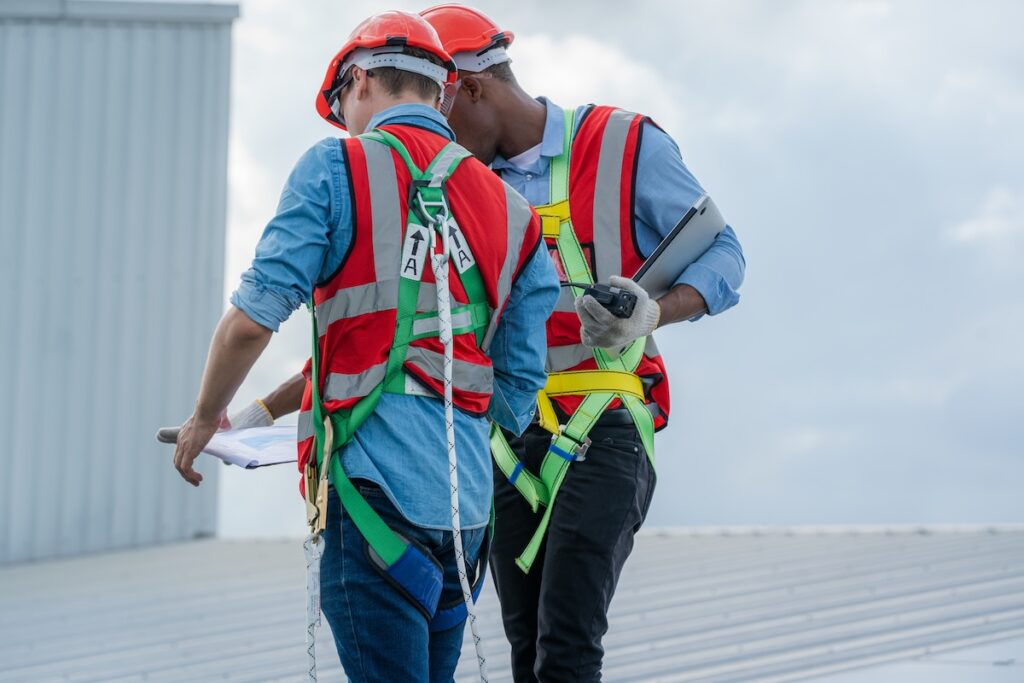
A commercial roof inspection plays a crucial role in preserving the longevity and performance of your roofing system. Your roof is exposed to harsh weather conditions, daily wear, and potential structural challenges that can compromise its integrity. Proactively identifying issues through inspections reduces the risk of emergency repairs and business interruptions.
- Risk Prevention: Early detection of damage mitigates costly repairs.
- Compliance Assurance: Ensures your roof meets commercial building codes.
- Investment Protection: Prolongs roof lifespan to maximize ROI.
- Energy Efficiency: Identifies leaks and insulation issues affecting utility costs.
- Property Safety: Maintains a safe environment for occupants and employees.
6 Key Insights Into Conducting Effective Commercial Roof Inspections
Whether you oversee retail, office, or industrial spaces, understanding key elements of commercial roof inspections helps you make informed decisions. These insights highlight what professional inspectors evaluate and why each item matters.
1. Visual and Structural Assessment
Inspectors begin with a thorough visual inspection of the roof surface, paying close attention to any signs of wear, damage, or structural issues. This includes evaluating the roof membrane, flashing, drains, and parapets to detect cracks, blisters, or punctures that could lead to leaks.
- Surface Condition: Checking for tears, blisters, or ponding water.
- Structural Integrity: Examining supports and framework for sagging or damage.
2. Identification of Moisture or Leak Problems
Locating potential points where water intrusion can occur is critical. Moisture seeping through the roof compromises insulation and can cause mold growth inside the building. Inspectors use specialized tools such as moisture meters and infrared cameras to detect hidden water damage.
- Leak Detection: Using infrared technology to find wet areas.
- Inspection of Seals: Verifying the condition of joints and sealants.
3. Evaluation of Roof Drainage Systems
Proper drainage prevents water accumulation that strains the roof structure and accelerates deterioration. During inspections, all gutters, scuppers, and drains are reviewed for blockages or damages.
- Drainage Flow: Confirming water moves freely to prevent ponding.
- Debris Removal: Ensuring drains and gutters are clear.
4. Review of Roof Installation and Repairs History
A thorough inspection includes analyzing the building’s roofing history to understand previous repairs or replacements. This helps the inspector identify potential recurring problems or warranty issues that could affect future maintenance.
- Documentation Review: Checking past service records.
- Warranty Compliance: Ensuring repairs meet manufacturer standards.
5. Assessment of Roof Materials and Their Condition
Understanding the type and age of roofing materials is essential for anticipating their remaining useful life and potential vulnerabilities. This information guides recommendations for maintenance or replacement.
- Material Type: Identifying membrane, metal, or built-up roofing.
- Wear Signs: Detecting shrinkage, cracking, or weathering effects.
6. Safety and Accessibility Considerations
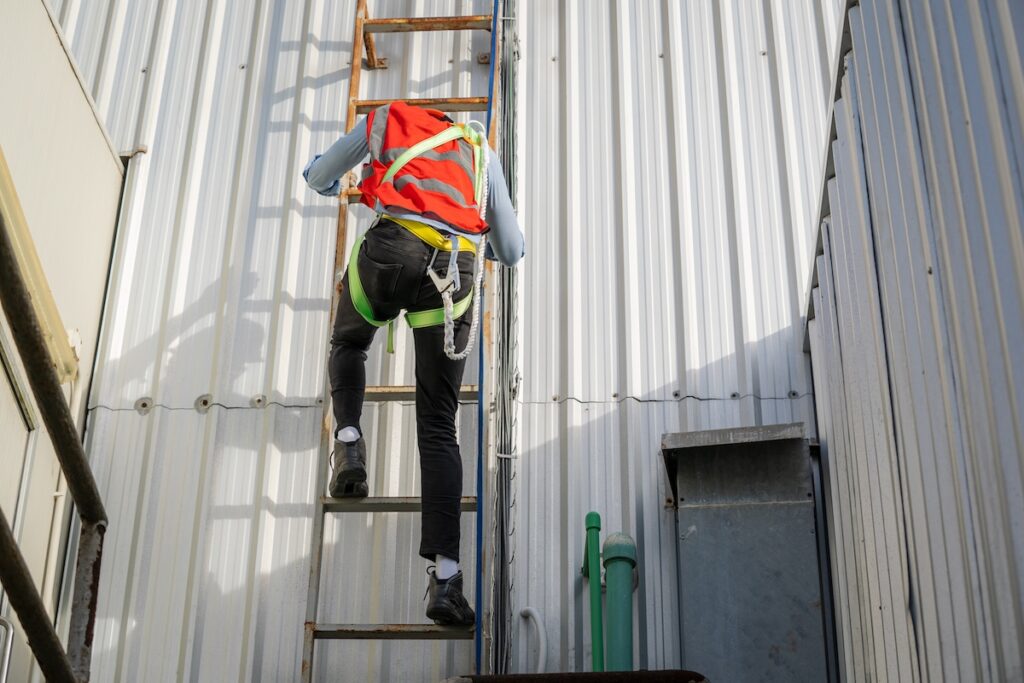
An inspection naturally evaluates how safely and easily the roof can be accessed for future inspections or repairs. This includes checking for secure ladders, walkways, and fall protection systems to ensure workers’ safety.
- Access Points: Confirming safe routes to the roof.
- Protection Systems: Reviewing guardrails and anchor points.
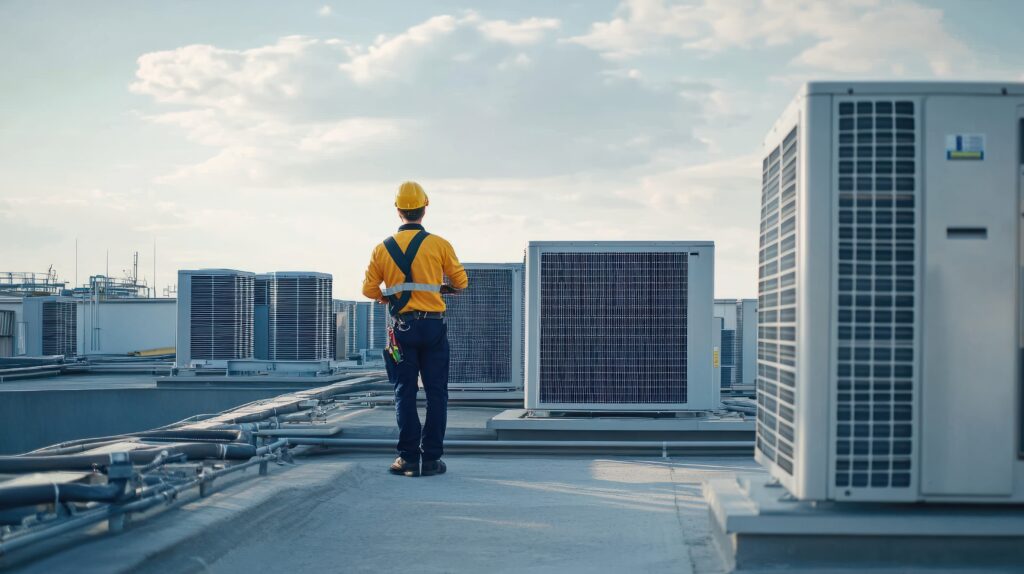
Beyond the Basics: Enhancing Your Understanding of Commercial Roof Inspections
Expanding your awareness of commercial roof inspections includes grasping their frequency, types, and the benefits they bring to your property operations.
Frequency of Inspections
Commercial roofs typically require inspection at least twice a year—commonly in spring and fall—or immediately following severe weather events such as heavy storms or hurricanes. Regular inspections catch issues before they escalate into major problems.
Types of Roof Inspections
There are several approaches to roof inspections, including:
- Routine Inspections: Scheduled checks to maintain routine maintenance.
- Diagnostic Inspections: Investigations triggered by suspected problems.
- Comprehensive Inspections: Detailed examinations often required during property transactions or insurance assessments.
Benefits of Professional Inspections
Hiring licensed roofing professionals ensures accuracy and thoroughness during evaluations, giving you peace of mind and documented records for insurance or compliance purposes.
Choosing the Right Commercial Roof Inspection Service
Selecting a trustworthy and experienced commercial roofing inspection provider is essential to maximize the value of your investment. Here are key factors to consider:
- Experience and Credentials: Verify certifications and years of commercial roofing expertise.
- Comprehensive Reporting: Ensure detailed inspection reports with photos and recommendations.
- Customer Reviews: Look for strong testimonials and proven service satisfaction.
- Technology Utilization: Check if the service uses advanced tools like infrared imaging.
- Warranty and Service Guarantees: Assess the support provided after inspections or repairs.
Frequently Asked Questions About Commercial Roof Inspections
Clarifying common concerns helps property managers better prepare for inspections and maintenance decisions.
Q: How long does a typical commercial roof inspection take?
A: Depending on roof size and complexity, inspections generally range from one to several hours.
Q: Can inspections detect all types of roof damage?
A: While visual and specialized tools identify most problems, some internal damage may require further testing or monitoring.
Q: Should I perform inspections myself or hire professionals?
A: Due to safety and technical requirements, professional inspections are recommended for accurate assessment and risk mitigation.
Q: How much does a commercial roof inspection typically cost?
A: Costs vary widely based on roof size and location but investing in professional inspections often saves money over time by preventing major repairs.
Protect Your Commercial Property Today
Understanding the significance of a commercial roof inspection can save your business from unexpected expenses and provide assurance in maintaining your property’s health. Florida Roof Bros encourages you to take proactive steps in scheduling an inspection to secure your investment, protect your employees, and extend the life of your roof. To start the process, contact us today at Florida Roof Bros and let us help you keep your commercial roof in excellent condition.