
How Long Does a Roof Last? (6 Factors & Considerations)
By: Evan Blankman | Jan 07, 2026
When it comes to the integrity and safety of a home, understanding how long does a roof last is essential. Roof lifespan influences everything from home maintenance budgets to the timing of renovations or replacements. Whether you are a homeowner preparing for future repairs or a curious reader wanting to know more about roofing durability, knowing the factors that affect a roof’s longevity is critical. For expert advice and tailored roofing solutions, consider exploring professional roofing services that can guide you through inspection and maintenance processes.
- Understanding the average lifespan of different roofing materials
- Recognizing environmental and maintenance factors impacting roof longevity
- Learning signs that indicate when a roof needs replacement
- Exploring strategies to extend your roof’s useful life
Why Roof Lifespan Matters for Homeowners
The longevity of a roof doesn’t just determine when you’ll need costly repairs or replacements; it also plays a role in protecting your home from weather damage, supporting energy efficiency, and sustaining curb appeal. Understanding roof lifespan can help homeowners plan financially and avoid unexpected emergencies. It also encourages timely maintenance, preserving the roof’s structural integrity for years to come.
- Financial Planning: Knowing your roof’s expected life helps budget for repairs or replacement ahead of time.
- Home Protection: A well-maintained roof shields the home from leaks, weather damage, and pest infestations.
- Energy Efficiency: Older roofs may reduce insulation effectiveness, increasing energy costs.
- Property Value: A quality roof improves real estate value and buyer confidence when selling.
- Safety: Prevents structural damage that could compromise occupant safety.
6 Key Factors That Determine Roof Lifespan
While many people wonder how long does a roof last, the answer depends on several critical variables. These factors combine to influence whether your roof remains functional for decades or requires premature replacement. Understanding them empowers you to optimize maintenance and material choices.
1. Roofing Material Type
The type of material used is the most straightforward indicator of roof longevity. Different materials have inherently different lifespans based on durability and weather resistance.
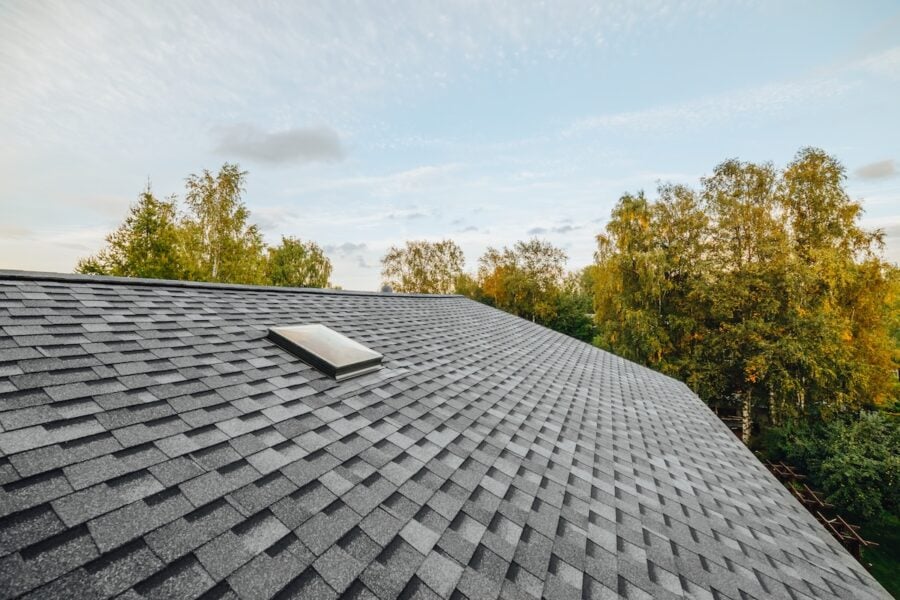
- Asphalt Shingles: 20 to 30 years, widely used and cost-effective but less durable.
- Metal Roofs: 40 to 70 years, resistant to fire and weather, often recyclable.
- Clay or Concrete Tiles: 50 years or longer, very durable but heavier and sometimes more expensive.
- Wood Shingles or Shakes: 25 to 30 years, can add aesthetic appeal but require more maintenance.
2. Climate and Weather Conditions
The local climate strongly impacts roof lifespan, as roofs in harsh environments degrade faster due to extreme heat, cold, moisture, or storms.
- Sun Exposure: High UV can cause certain roofing materials to crack or fade faster.
- Rain and Snow: Excess moisture can lead to water damage and mold growth.
- Wind Damage: Frequent storms or hurricanes can damage shingles or tiles.
- Temperature Fluctuations: Freeze-thaw cycles can create cracks in roofing material.
3. Quality of Installation
Proper installation is crucial for maximizing roof life. Even the best materials can fail prematurely if installed incorrectly.
- Shingle Alignment: Poor alignment can allow water penetration.
- Flashing and Sealants: Effective sealing prevents leaks around vents and chimneys.
- Ventilation: Proper airflow reduces moisture buildup and heat damage.
4. Maintenance and Repairs
Regular upkeep is one of the most effective ways to extend a roof’s lifespan. Deferred maintenance accelerates wear and damage.
- Cleaning Debris: Leaves and branches can trap moisture and degrade roofing.
- Replacing Missing Shingles: Prevents leaks and water damage.
- Inspection: Annual roof inspections catch problems early.
5. Roof Design and Structure
Some roof designs naturally last longer due to better water runoff or materials used in their construction.
- Pitch: Steeper roofs shed water faster, reducing moisture issues.
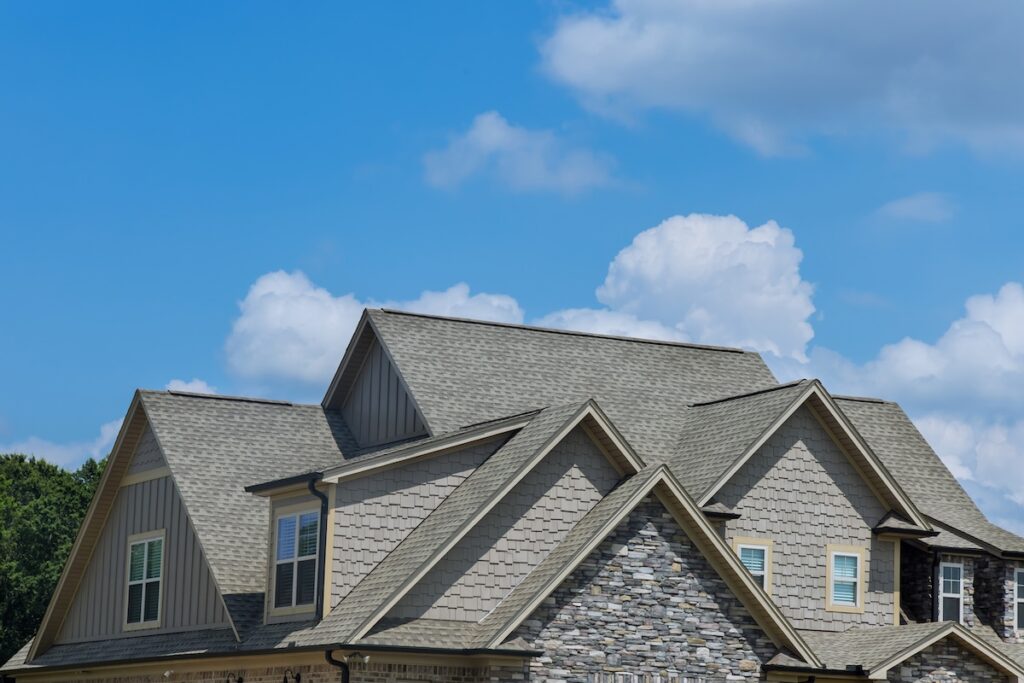
- Complexity: More angles and valleys complicate maintenance.
- Weight Load: Heavy roofs require robust framing to prevent sagging.
6. Environmental Factors
Nearby trees, pollution levels, and pests can influence a roof’s condition over time.
- Moss and Algae Growth: Shaded roofs may accumulate biological growth.
- Animal Activity: Birds or rodents can damage roofing material or insulation.
- Air Quality: Pollution accelerates material degradation in some areas.

Extending Your Roof’s Lifespan: Practical Tips
Addressing the factors that influence a roof’s longevity can significantly increase how long it lasts. Homeowners who proactively maintain their roofs can avoid costly early replacements and improve the overall condition of their homes. Let’s explore some actionable ways to achieve this.
Routine Inspections
Schedule professional inspections at least once a year or after severe storms. A proactive inspection identifies weak spots, damaged shingles, and potential leaks before they worsen.
Consistent Cleaning
Keeping your roof free of debris such as twigs, leaves, and dirt helps prevent moisture buildup and reduces the risk of rot or mold. Gutters should also be cleaned regularly to ensure water drains away properly.
Prompt Repairs
If you notice any damage such as cracked shingles or rust on metal components, address these problems immediately. Timely repairs can prevent small issues from developing into major failures.
Upgrade Ventilation and Insulation
Good attic ventilation prevents excess heat and moisture, which both can reduce the lifespan of a roof. Similarly, proper insulation maintains stable temperatures under your roofing.
Choose Quality Materials
When replacing or building a roof, investing in high-quality materials from reliable manufacturers can offer superior durability and peace of mind.
Common Signs Your Roof May Be Nearing the End of Its Lifespan
Detecting when a roof requires replacement rather than repairs can be difficult. Understanding typical warning signs helps homeowners make timely decisions before emergencies arise. Here are some key indicators:
- Frequent Leaks: More regular instances of water infiltration indicate failing roofing layers.
- Shingle Deterioration or Curling: Shingles that are curling, cracking, or missing signal aging.
- Granule Loss: Significant granule loss on asphalt shingles exposes them to faster wear.
- Roof Sagging: A drooping roof suggests structural problems underneath.
- Moss or Algae Overgrowth: Persistent biological growth can damage shingles and invite moisture.
- Excessive Energy Costs: A declining roof may compromise insulation, raising heating and cooling expenses.
If you notice these issues, consulting a professional roofing service can help determine if replacement is needed.
Your Next Steps for Roofing Longevity
Deciding on the right time to repair or replace a roof involves evaluating its age, condition, material, and the environmental factors discussed earlier. Florida Roof Bros can assist homeowners by providing thorough inspections and expert recommendations crafted for longevity and protection. With a careful approach backed by experience, you can ensure your roof continues to defend your home effectively.
To protect your investment and learn more about roofing services designed to suit your home’s specific needs, contact us today at Florida Roof Bros and surrounding areas.