

What Is Fascia on a House? (A Guide to Your Roofing System)
If you’ve ever wondered what is fascia on a house, you’re not alone. Though it’s easy to overlook, fascia plays a key role in supporting your roofline and protecting your home from water damage. To better understand how fascia fits into your home’s exterior, take a look at how our team approaches comprehensive roofing systems for Florida homes.
What you’ll learn in this blog:
- What fascia is and where it’s located on your home
- Why fascia boards matter in Florida’s climate
- Signs of damage and what causes deterioration
- Options for fascia replacement or repair in Vero Beach and surrounding areas
Why Fascia Boards Are More Important Than You Think
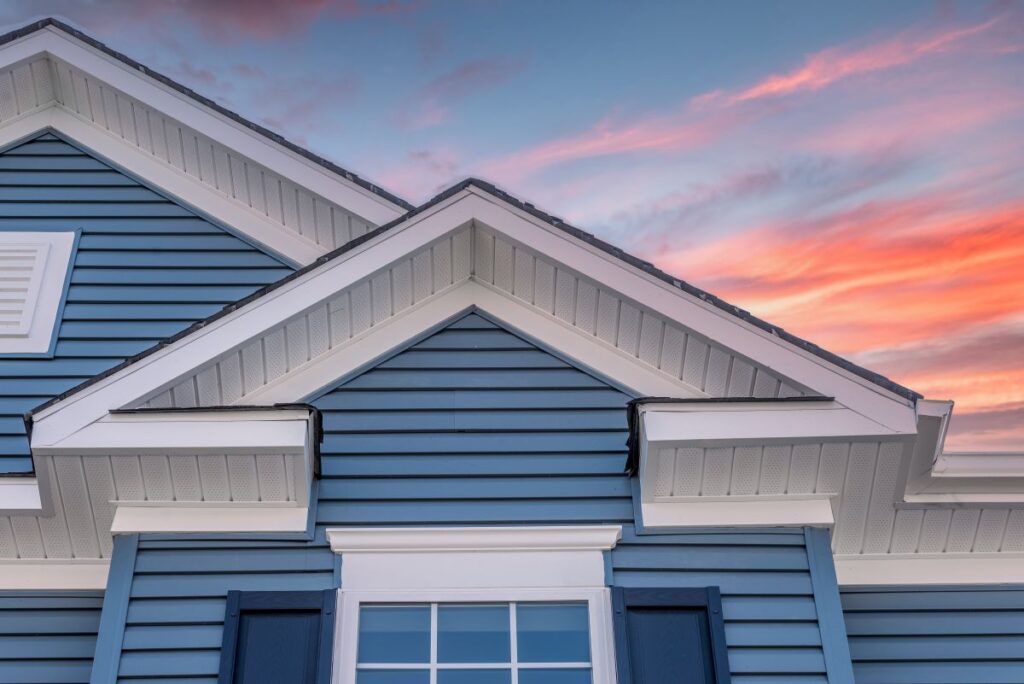
Fascia boards may not be the most visible part of your home’s exterior, but they play a critical structural and functional role in your roofing system. When properly maintained, fascia protects both your home and your investment.
- Supports Gutter Systems: Fascia boards are the mounting point for gutters. Without a solid fascia, your gutters can sag or detach.
- Prevents Water Intrusion: By covering the roof’s edge, fascia stops water from infiltrating your roof decking and attic.
- Improves Curb Appeal: Clean, well-painted fascia gives your home a finished look and frames your roofline.
- Keeps Pests Out: Properly sealed fascia blocks rodents and insects from entering your attic space.
- Protects Roof Edge: Fascia shields the ends of rafters and trusses from sun, wind, and rain.
5 Key Things to Know About Fascia on Your House
Understanding fascia isn’t just for contractors. Homeowners benefit by learning what this board does, where it’s located, and how to tell when something’s wrong.
1. What Exactly Is Fascia?
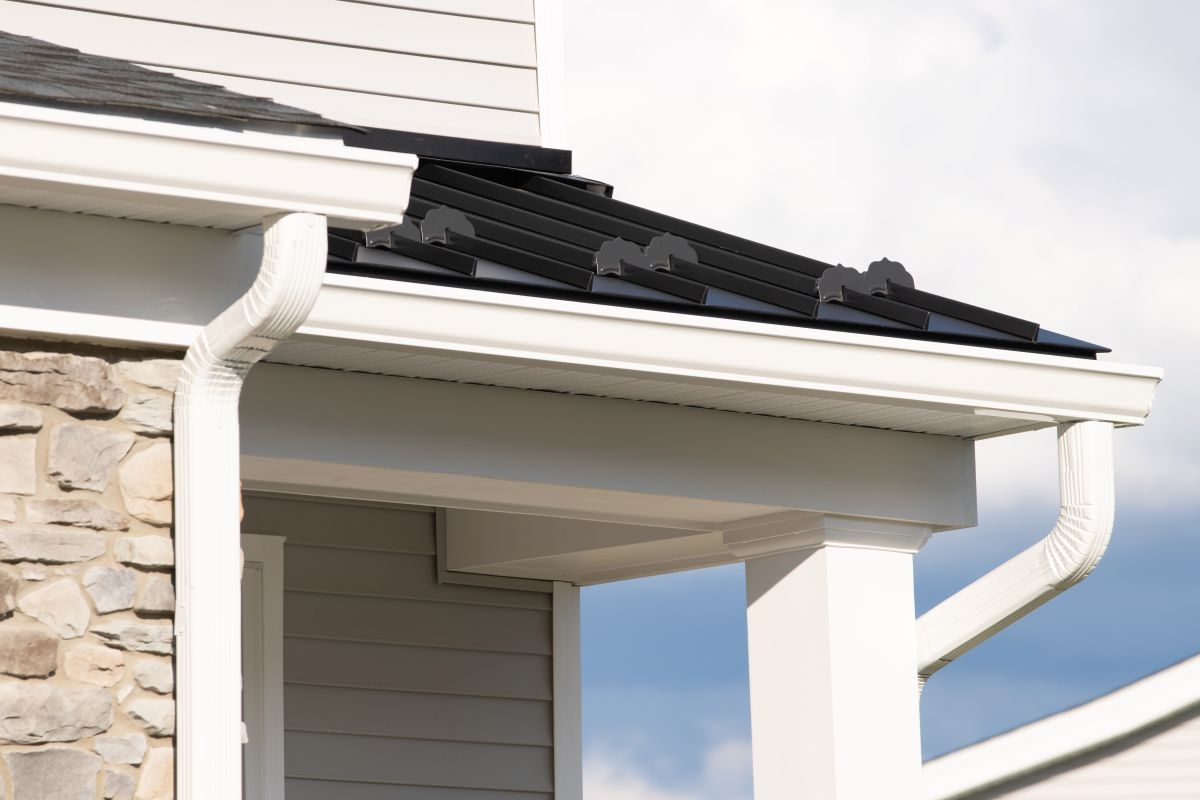
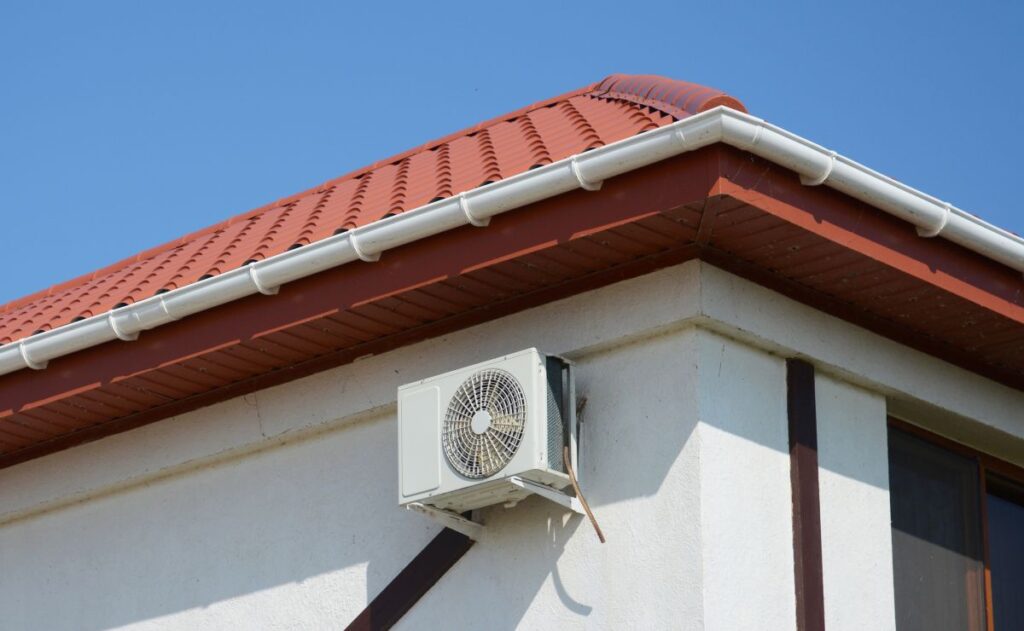
Fascia is the long, straight board that runs along the lower edge of your roof, directly beneath the shingles. It’s typically made from:
- Wood (painted or sealed)
- Composite (engineered wood)
- Aluminum or PVC wrap
- Fiber cement
The fascia is visible behind your home’s gutters and ties together the roof edge and soffits underneath.
2. Where Is Fascia Located?
Fascia runs horizontally along the eaves of your roof. It’s typically placed where the roof meets the outer walls of your home and serves as a connecting surface between the roof decking and gutter system.
- Found at the roofline behind the gutters
- Works with soffits, which run underneath
- Ends at the gable ends and roof slopes
3. How Does Florida’s Climate Affect Fascia?
In Vero Beach and surrounding areas, humidity, storms, and salt air can take a toll on fascia boards. Common issues include:
- Wood rot from consistent moisture
- Peeling paint due to UV exposure
- Metal corrosion in coastal zones
- Mold or mildew on unsealed surfaces
That’s why choosing durable fascia materials and keeping them sealed is so important in Florida.
4. What Are Signs of Fascia Damage?
Watch for these common indicators that your fascia may need repair or replacement:
- Peeling paint or discoloration
- Soft or spongy wood when touched
- Rust stains near gutters
- Water dripping behind gutters
- Sagging gutters or water pooling at your foundation
If left untreated, fascia damage can lead to structural issues and costly interior leaks.
5. When Should Fascia Be Replaced?
Fascia should be replaced when it becomes soft, warped, or damaged beyond repair. Many homeowners replace fascia during roof replacements or major gutter upgrades.
- Replace if more than 25% shows signs of rot
- Address along with new gutter installations
- Upgrade during full roof replacement for better protection
Fascia Material Comparison: Which Type Is Best for Florida?
Choosing the right fascia material is key in Florida’s challenging climate. Here’s how common options compare:
| Material | Pros | Cons | Ideal For |
| Wood | Traditional look, easy to customize | Susceptible to rot and pests | Homes with classic styling |
| PVC | Moisture-proof, won’t rot or rust | Can warp in extreme heat | Humid and coastal homes |
| Aluminum Wrap | Durable, rust-resistant, low-maintenance | May dent or scratch under impact | High-wind or salt-air areas |
| Composite | Engineered strength, resists warping | More expensive than wood | Homes with modern exteriors |
| Fiber Cement | Fire- and pest-resistant | Heavier, harder to install | Homes needing maximum durability |
In Vero Beach and surrounding areas, PVC and aluminum-wrapped wood are common due to their resistance to moisture and insects. If you’re investing in long-term protection, composite and fiber cement are strong contenders as well.
Repairing vs. Replacing Fascia Boards
Not all fascia damage requires full replacement. Here’s how to decide between patching and replacing.
When Repair Makes Sense
- Only a small section is affected
- The rot is surface-level and has not spread
- You plan to replace the roof in the near future
In these cases, contractors can cut out the damaged portion and splice in a replacement board. Sealant and paint help blend it into the existing fascia.
When Replacement Is the Better Option
- More than 25% of fascia shows signs of rot
- Gutter systems have failed or pulled fascia away
- You’re upgrading to a better material
Replacing all the fascia at once ensures consistent protection and avoids mismatched materials. It’s especially wise to coordinate this with new soffits or roof decking.
Real-Life Fascia Issues in Vero Beach Homes
Homeowners in Vero Beach and surrounding areas often face specific fascia challenges due to the coastal climate. Here are a few real scenarios:
- A ranch-style home near the Indian River had wooden fascia boards that rotted behind clogged gutters. Replacing them with PVC improved water flow and required less upkeep.
- A two-story coastal property saw fascia boards pulling away due to failing fasteners and old aluminum gutters. Replacing both systems during a roof upgrade restored function and appearance.
- A mid-century home had painted wood fascia that began to peel and host carpenter ants. The homeowner upgraded to composite fascia with insect-resistant treatment for lasting durability.
Frequently Asked Questions About Fascia
- Can fascia boards be painted?
Yes, especially wood and composite fascia. Use exterior-grade paint and recoat every few years to keep moisture out. - Do I have to remove my gutters to replace fascia?
Usually, yes. Fascia boards sit directly behind the gutter system. Your roofer or contractor will remove and reinstall them during the job. - How long do fascia boards last?
Wood fascia lasts 10–20 years with maintenance. Composite, PVC, and aluminum-wrapped options can last 30+ years in Florida. - Is fascia part of the roofing system or the siding?
Fascia is part of your roofing system. It runs along the roof’s edge and works with soffits and gutters to manage water runoff and protect roof decking. - Should I replace fascia when replacing the roof?
Yes, it’s the perfect time. New roofing often exposes aging fascia, and replacing it together ensures complete protection from day one.
Fascia Maintenance Checklist for Florida Homeowners
Use this quick checklist to monitor the health of your fascia boards throughout the year:
- Inspect fascia twice a year—especially after storms
- Look for peeling paint, sagging gutters, or mold streaks
- Ensure gutters are securely fastened and clear of debris
- Touch up paint or sealant to prevent moisture penetration
- Schedule professional inspections every 3–5 years
Staying proactive can help you avoid expensive repairs and catch problems early.
What to Expect During Fascia Repair or Replacement
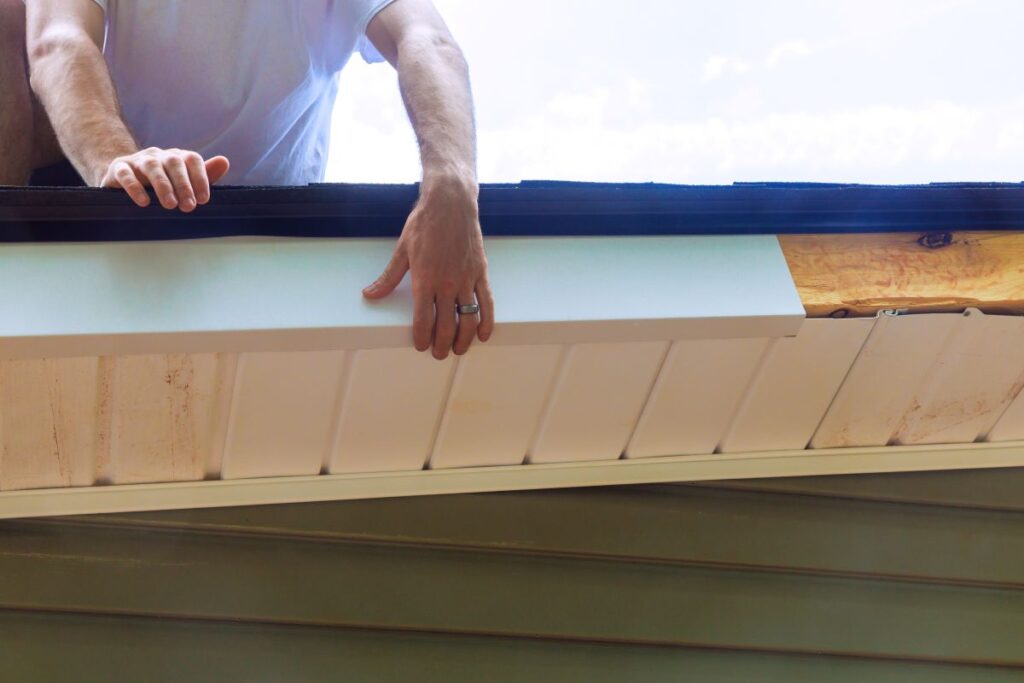
Hiring a professional ensures your fascia repair or replacement is done safely and correctly. Here’s what the process typically involves:
- Inspection & Diagnosis
A roofer or exterior contractor evaluates the condition of your fascia and adjacent components, such as soffits, drip edge, and gutters. - Gutter Removal (if applicable)
Gutters are carefully detached and set aside or replaced if needed. - Removal of Damaged Fascia
Rotted or soft boards are removed. The area is checked for mold or hidden damage behind the board. - Replacement or Repair
New fascia boards are installed and securely fastened. Material selection depends on budget, climate, and desired longevity. - Sealing & Painting
Wood or composite fascia is sealed and painted for protection. PVC and aluminum-wrapped fascia may skip this step. - Reinstallation of Gutters
Gutters are reinstalled, aligned correctly, and tested for water flow.
Most fascia jobs are completed in one day for average-sized homes, though extensive damage may take longer.
Final Thoughts and Why Fascia Deserves Attention
Though it may seem like a minor detail, fascia is essential to your roofing system’s strength, durability, and appearance. It supports your gutters, shields the edge of your roof, and helps keep pests and moisture out of your attic.
If your fascia is showing signs of wear or you’re planning a roof upgrade, now is the time to act. At Florida Roof Bros, we offer fascia inspection, repair, and replacement as part of our complete approach to roof care. Whether your home is near the beach or inland in Vero Beach and surrounding areas, our team can help you choose the right materials and timing for long-term protection.
To schedule an inspection or get an estimate for fascia replacement, contact us today and mention Florida Roof Bros in your message. We’re here to help you protect what matters most—starting with your roof.

Written By: Florida Roof Bros