

How Do I File a Roof Insurance Claim? (6 Easy Steps)
Storm damage can happen fast in Florida, and knowing how to handle a roof insurance claim can make the difference between a smooth recovery and a stressful experience. From high winds to heavy rain, roof damage often requires quick action and clear documentation. Homeowners exploring their options often review professional roof repair and replacement solutions through resources like trusted local roofing experts before starting the claims process.
In this guide, you will learn:
- When roof damage qualifies for an insurance claim
- How to properly document and report roof damage
- The step by step process for filing a claim
- Common mistakes to avoid during inspections and negotiations
- How to protect your home in Palm Bay and surrounding areas
Why Filing a Roof Insurance Claim Correctly Matters

A roof insurance claim is not just paperwork. It is a financial protection tool that can help you restore your home after storm damage. In Florida, where severe weather is part of life, understanding the claims process is essential.
Filing correctly ensures that your home is repaired properly and that you receive the coverage you are entitled to under your policy.
Here is why handling your claim the right way is so important:
- Financial Protection: Insurance can significantly reduce out of pocket costs for major roof repairs or full replacement.
- Faster Repairs: A properly documented claim speeds up approvals and prevents unnecessary delays.
- Code Compliance: Approved claims can help cover upgrades required by Florida Building Code.
- Property Value Preservation: Addressing damage quickly protects your home’s long term value.
- Peace of Mind: Knowing you followed the correct steps reduces stress during an already difficult situation.
Homeowners in Palm Bay and surrounding areas often deal with hurricane season, strong summer storms, and wind driven rain. Understanding how the process works before damage occurs gives you a major advantage.
6 Easy Steps to File a Roof Insurance Claim
Filing a claim may feel overwhelming, but breaking it down into manageable steps makes the process more straightforward. Below are six essential steps every homeowner should follow.
1. Assess the Damage Safely
After a storm passes, your first priority is safety. Avoid climbing on the roof yourself, especially if it may be structurally compromised.
Instead, look for visible signs of damage from the ground, such as:
- Missing or lifted shingles
- Debris on the roof
- Shingle granules in gutters
- Water stains on ceilings
- Leaks in the attic
If you suspect significant damage, contact a licensed roofing professional to perform a thorough inspection. A professional assessment provides documentation and ensures hidden damage is not overlooked.
2. Review Your Insurance Policy
Before filing a roof insurance claim, carefully review your homeowner’s policy. Not all damage is covered.
Look for details about:
- Covered perils such as wind, hail, or falling debris
- Deductible amount
- Replacement cost versus actual cash value
- Time limits for filing a claim
Understanding these terms helps you set realistic expectations and prepare for conversations with your insurance company.
If you are unsure how to interpret your policy, a roofing professional experienced in insurance claims can often help explain how coverage typically works in Palm Bay and surrounding areas.
3. Document the Damage Thoroughly
Documentation is one of the most critical parts of a successful claim. The more evidence you provide, the stronger your case.
Be sure to:
- Take clear photos of visible roof damage
- Photograph interior water damage
- Document damaged personal property
- Record the date and details of the storm event
- Save repair estimates and inspection reports
Professional inspection reports can carry significant weight during the claims process. Detailed documentation reduces the risk of disputes or underpayment.
4. Contact Your Insurance Company Promptly
Once you have reviewed your policy and documented the damage, notify your insurance company as soon as possible.
When you call:
- Provide your policy number
- Describe the damage clearly
- Share the date of the storm
- Ask about next steps and claim timelines
The insurer will assign a claim number and schedule an adjuster inspection. Prompt reporting demonstrates responsibility and prevents delays.
Keep detailed records of every conversation, including names, dates, and summaries of discussions.
5. Meet with the Insurance Adjuster
The insurance adjuster will inspect your roof to evaluate the extent of damage. This inspection plays a major role in determining claim approval and payout.
It is highly recommended to have your roofing contractor present during this inspection. A knowledgeable professional can:
- Point out less obvious damage
- Ensure the adjuster does not overlook critical issues
- Answer technical questions about repairs or replacement
In Palm Bay and surrounding areas, where storm damage can vary widely, having an experienced advocate present can make a substantial difference in your claim outcome.
6. Review the Settlement and Begin Repairs
After the inspection, your insurer will provide a settlement estimate outlining approved repairs and payment amounts.
Carefully review:
- Scope of work
- Material specifications
- Payment breakdown
- Depreciation details
If the settlement seems incomplete or undervalued, your contractor may help request a supplement to address missing items.
Once approved, you can move forward with repairs or replacement to restore your home’s protection.
Common Reasons Roof Insurance Claims Are Denied
Not every roof insurance claim is approved. Understanding common denial reasons helps you avoid costly mistakes.
Insurance companies may deny claims due to:
- Wear and tear rather than sudden storm damage
- Improper maintenance
- Pre existing damage
- Filing outside the allowed timeframe
- Insufficient documentation
It is important to distinguish between age related deterioration and sudden storm damage. Insurance generally covers unexpected events, not normal aging.
If your claim is denied and you believe the decision was incorrect, you may have the option to request a re inspection or file an appeal.
What Type of Roof Damage Is Typically Covered?
Florida homeowners often wonder whether their specific situation qualifies for coverage. While policies vary, certain types of damage are commonly covered.
Wind Damage
High winds can:
- Lift shingles
- Break seals
- Cause missing sections
- Expose underlayment
Wind damage is one of the most common claim triggers in Palm Bay and surrounding areas.
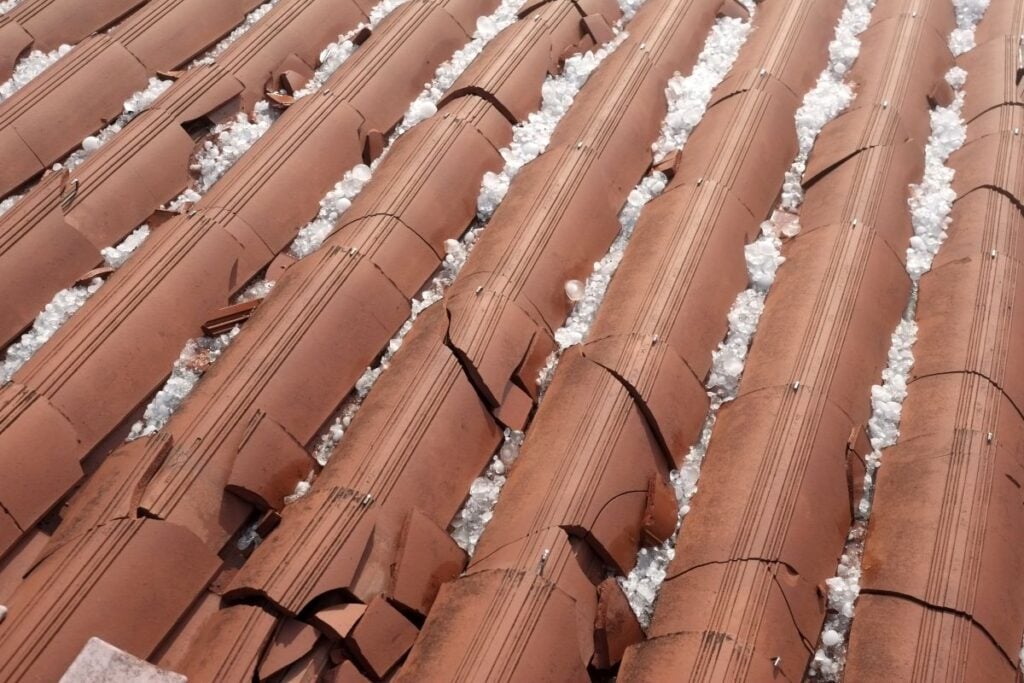
Hail Impact
Although less frequent than in some states, hail can still cause:
- Bruised shingles
- Granule loss
- Cracks in roofing materials
Hail damage may not always be visible from the ground, making professional inspections critical.
Falling Debris
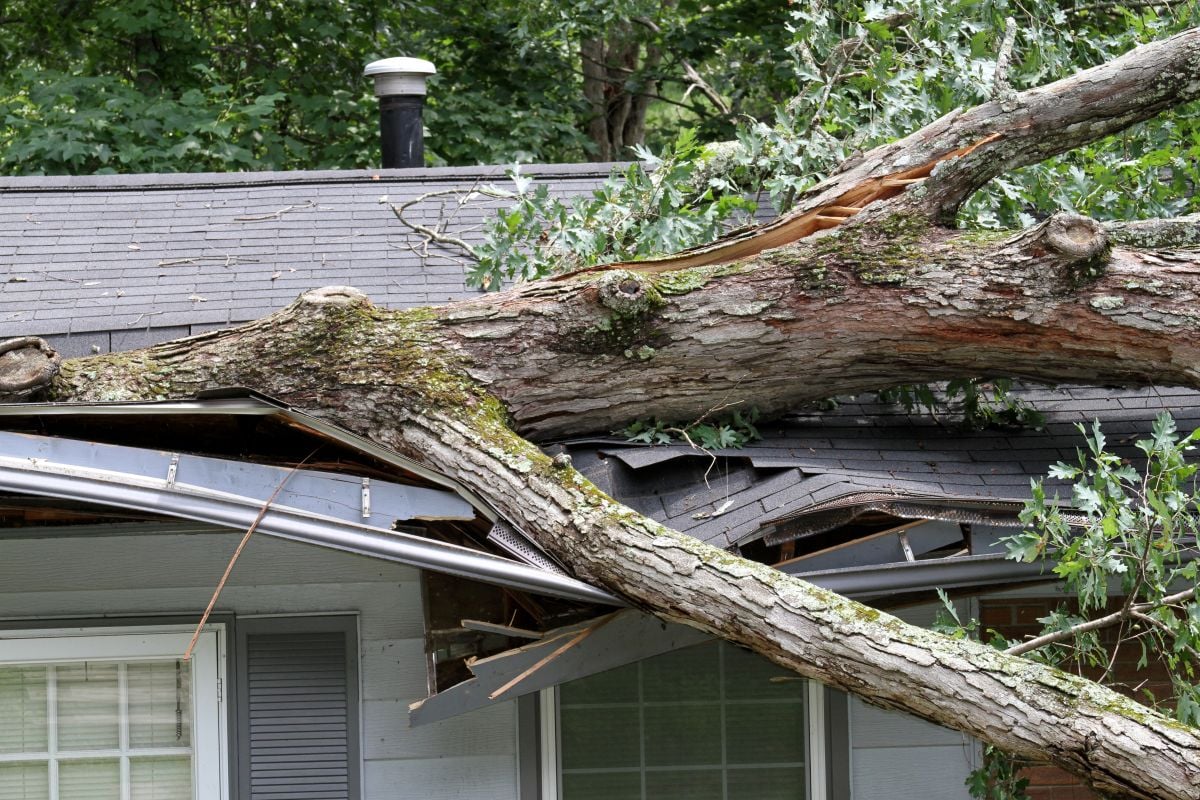
Storms often bring down tree limbs and other debris that can puncture or crush roofing materials. This type of sudden impact is usually covered under standard policies.
Water Damage Resulting from Covered Events
If storm damage allows water intrusion, interior damage may also be covered. This can include:
- Ceiling stains
- Drywall damage
- Insulation replacement
However, long term leaks due to neglect are typically excluded.
How Deductibles and Depreciation Affect Your Payout
Understanding financial details helps you prepare for potential out of pocket expenses.
Insurance policies often include:
- Hurricane deductibles
- Windstorm deductibles
- Standard property deductibles
In Florida, hurricane deductibles are often a percentage of your home’s insured value rather than a flat amount.
Replacement cost policies may initially pay actual cash value, which factors in depreciation. After repairs are completed, recoverable depreciation may be released.
Clarifying these details with your insurer ensures there are no surprises when payment is issued.
Choosing the Right Roofing Contractor for Insurance Work
Selecting a qualified contractor is just as important as filing your claim correctly. Not all contractors are experienced in insurance related projects.
When evaluating contractors, look for:
- Proper licensing and insurance
- Experience with insurance claims
- Detailed written estimates
- Knowledge of Florida Building Code
- Strong local reputation
In Palm Bay and surrounding areas, working with a reputable company familiar with regional weather patterns and local regulations can streamline the process significantly.
Avoid contractors who:
- Promise to waive deductibles
- Ask you to sign over claim rights without explanation
- Pressure you into immediate contracts
Professional, transparent communication should always be a priority.
Repair vs. Replacement: What to Expect
One common question homeowners have is whether insurance will cover a repair or full replacement.
This decision depends on:
- Extent of damage
- Age of the roof
- Matching requirements
- Policy terms
If only a small section is damaged and matching shingles are available, the insurer may approve repairs.
However, if damage is widespread or matching materials are discontinued, a full replacement may be necessary.
In some cases, Florida’s building code may require additional upgrades once a certain percentage of the roof is replaced. A knowledgeable contractor can explain how code requirements may impact your project.
Timeline: How Long Does a Roof Insurance Claim Take?
The claims process timeline varies depending on storm severity and insurer workload.
Typical stages include:
- Initial claim filing within days of damage
- Adjuster inspection within one to two weeks
- Settlement offer shortly after inspection
- Repairs scheduled based on contractor availability
After major storms, delays are common due to high demand.
Staying organized, responding promptly to requests, and maintaining communication with both your insurer and contractor can help keep the process moving efficiently.
Protecting Your Home After the Claim Is Approved
Once your claim is approved, timely repairs are essential to prevent further damage.
Temporary measures such as tarping may be necessary if repairs cannot begin immediately. Your contractor should:
- Secure exposed areas
- Prevent additional water intrusion
- Schedule materials and labor efficiently
Proper installation is critical to ensure your new or repaired roof performs well during future storms in Palm Bay and surrounding areas.
Take Control of Your Roof Insurance Claim
Filing a roof insurance claim may seem complicated, but following clear steps makes the process manageable. From documenting damage and reviewing your policy to working with experienced professionals, preparation and knowledge are your best tools.
In Florida’s storm prone climate, acting quickly and choosing the right team protects both your home and your financial investment. If your roof has been damaged and you need guidance through the insurance process, Florida Roof Bros is ready to help. Our experienced team understands local building codes, insurer requirements, and the unique challenges homeowners face in Palm Bay and surrounding areas. Do not wait for small issues to become major problems. Contact us today to schedule your inspection and get the expert support you deserve.

Written By: Florida Roof Bros