

How to Measure a Roof In 8 Easy Steps (Homeowners Guide)
Measuring your roof accurately is one of the most important steps in planning a repair or replacement. Understanding how to measure a roof helps you estimate materials, compare quotes, and avoid costly mistakes. Whether you are preparing for a project or simply gathering information, getting the measurements right matters. Many homeowners begin by reviewing professional roofing services to better understand how measurements translate into real project costs.
In this guide, you will learn:
- How to measure your roof step by step
- Tools and methods used by professionals
- Common mistakes homeowners should avoid
- When to measure yourself vs hiring an expert
Why Accurate Roof Measurements Matter
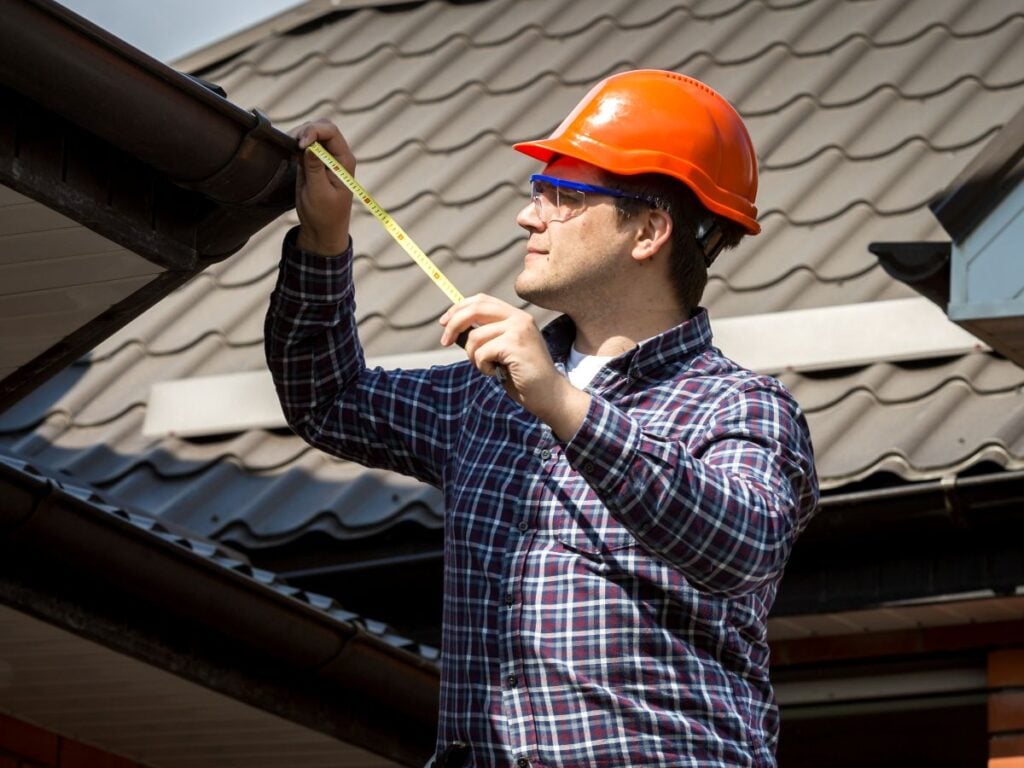
Measuring a roof may seem simple at first, but even small errors can lead to major issues when ordering materials or budgeting for your project. A precise measurement ensures your roofing system is installed correctly and efficiently.
For homeowners in Sebastian, FL and surrounding areas, where weather conditions demand durable roofing systems, accuracy is especially important. Proper measurements help ensure your roof performs well and lasts as expected.
- Accurate Material Estimates: Prevents overbuying or running short on materials
- Better Cost Planning: Helps you get realistic quotes and avoid surprise expenses
- Efficient Installation: Ensures contractors can complete the job without delays
- Improved Roof Performance: Proper measurements contribute to long-term durability
8 Easy Steps to Measure a Roof
Measuring a roof involves more than just length and width. Following a step-by-step approach ensures you capture all the necessary details.
1. Start With Ground-Level Measurements
Begin by measuring the length and width of your home from the ground. This gives you a baseline for estimating your roof size.
While this method is not perfectly precise, it is a safe and simple starting point.
- Measure each side of your home
- Include overhangs if visible
- Record all dimensions carefully
2. Calculate the Roof Footprint
Multiply the length by the width to determine the footprint of your roof.
This provides the total square footage before accounting for pitch or complexity.
- Example: 40 ft x 30 ft = 1,200 square feet
- Use consistent units for accuracy
- Double-check calculations
3. Determine the Roof Pitch
Roof pitch affects the total surface area and must be factored into your measurements.
Pitch is typically expressed as a ratio, such as 4:12 or 6:12.
- Use a level and tape measure
- Measure rise over a 12-inch run
- Steeper roofs have more surface area
4. Apply a Pitch Multiplier
Once you know the pitch, apply a multiplier to adjust your square footage.
This accounts for the slope of your roof.
- Low slope: smaller multiplier
- Steep slope: larger multiplier
- Multiply footprint by pitch factor
5. Measure Individual Roof Sections
Roofs are rarely perfect rectangles. Break your roof into smaller sections for more accurate measurements.
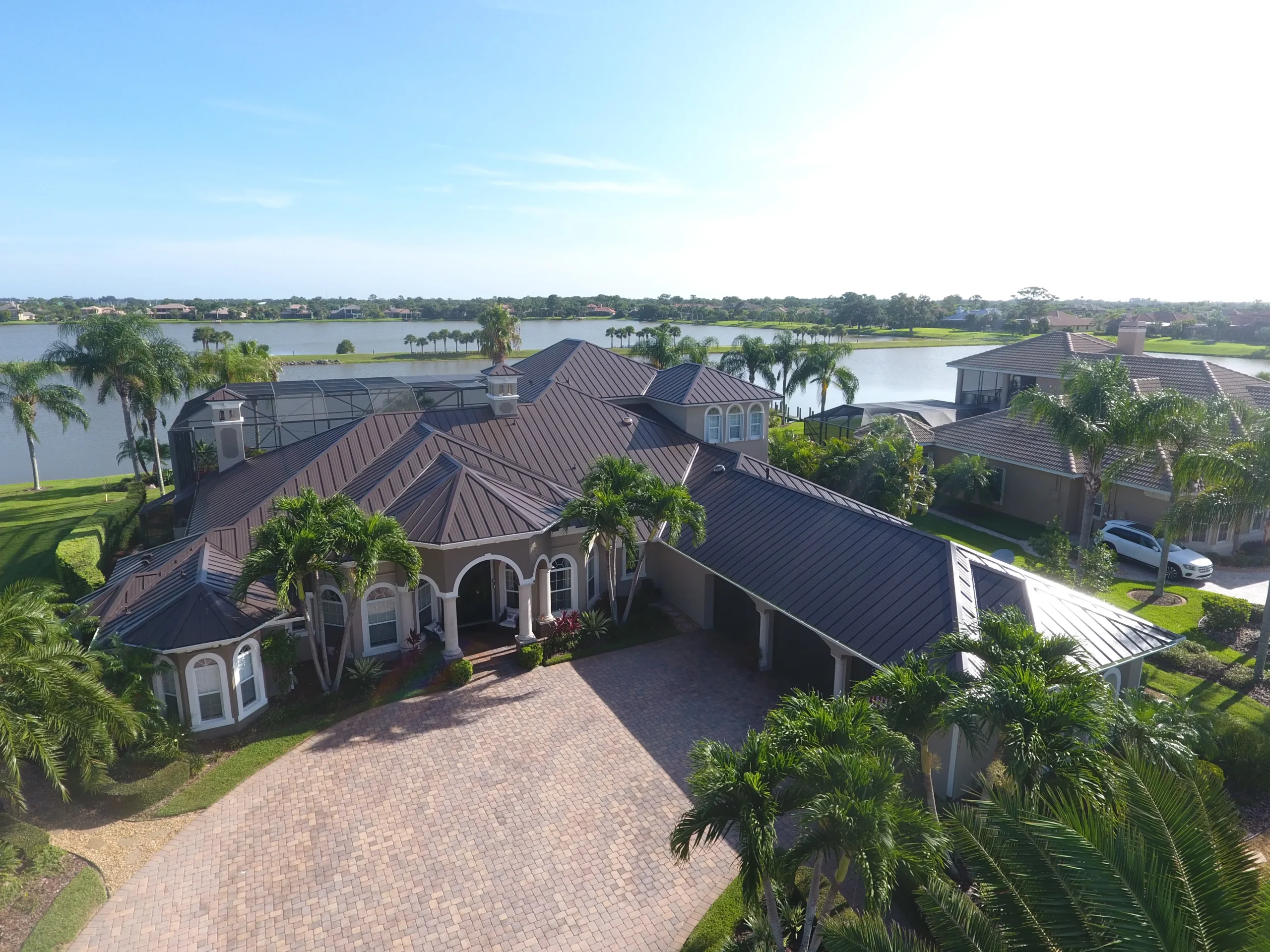
This is especially important for homes in Sebastian, FL and surrounding areas with complex designs.
- Divide into rectangles, triangles, or trapezoids
- Measure each section separately
- Add all sections together
6. Account for Roof Features
Chimneys, skylights, vents, and valleys all affect your measurements.
These features may not significantly change square footage but impact material requirements.
- Identify all roof penetrations
- Measure around obstacles
- Consider waste factors
7. Convert to Roofing Squares
Roofing materials are often sold in squares, where one square equals 100 square feet.
Convert your total square footage into squares for easier estimation.
- Divide total square footage by 100
- Round up to account for waste
- Order extra material if needed
8. Add Waste Factor
Waste accounts for cutting, overlaps, and installation adjustments.
Failing to include waste can leave you short on materials.
- Typically add 10 to 15 percent
- Complex roofs may require more
- Always round up for safety
Tools and Methods for Measuring a Roof
There are several ways to measure a roof, depending on your comfort level and access to tools. Each method offers different levels of accuracy and convenience.
Manual Measurement
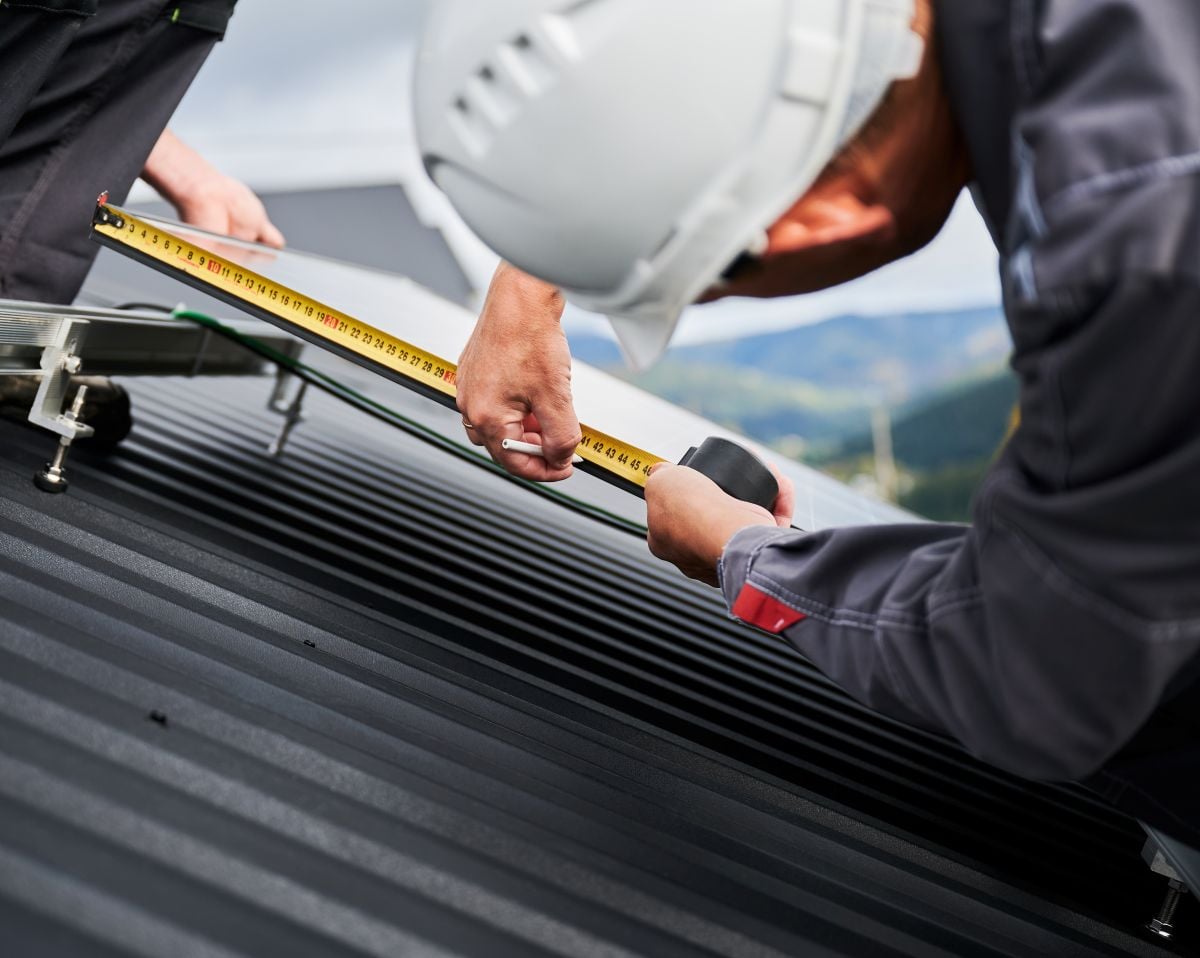
This involves using a tape measure and physically measuring your roof.
- Most accurate when done carefully
- Requires climbing onto the roof
- Safety precautions are essential
Aerial Measurement Tools
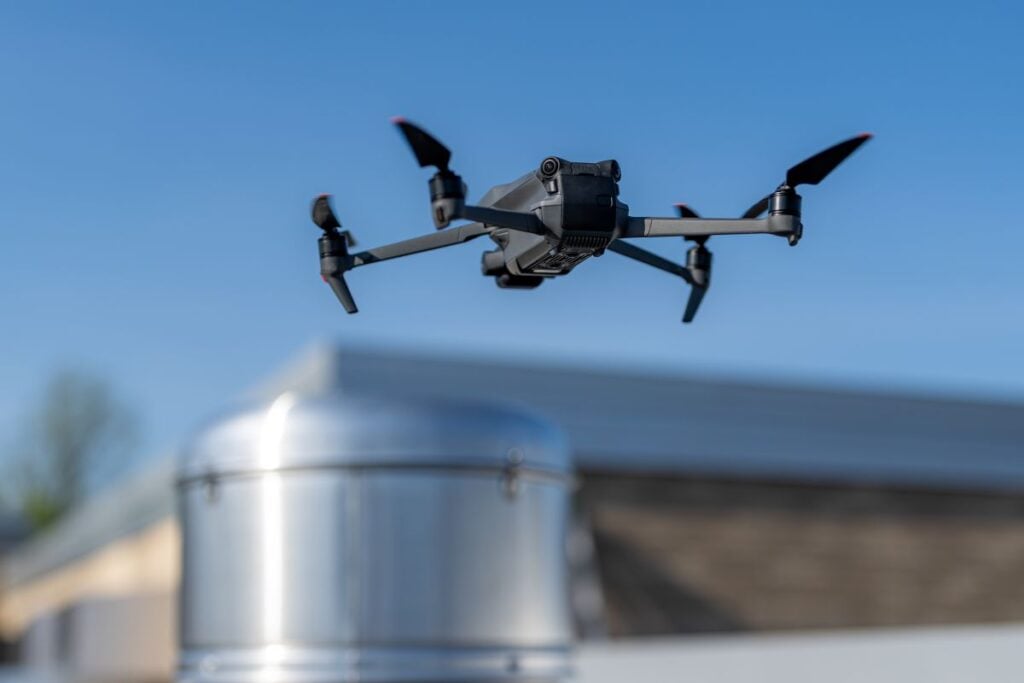
Technology has made it easier to measure roofs without climbing.
- Satellite imagery and software tools
- Quick and convenient
- May require a subscription or service
Professional Measurement
Hiring a professional ensures the most accurate results.
- Eliminates risk of error
- Includes detailed reports
- Ideal for complex roofs
Common Mistakes to Avoid When Measuring a Roof
Even small mistakes can lead to inaccurate estimates and project delays. Knowing what to avoid can save time and money.
Ignoring Roof Pitch
Failing to account for pitch can significantly underestimate your roof size.
- Flat measurements are not enough
- Always adjust for slope
Skipping Roof Sections
Overlooking small sections or features can lead to missing materials.
- Break the roof into manageable parts
- Double-check all areas
Not Adding Waste
Underestimating waste can result in delays and additional costs.
- Always include extra material
- Complex designs need higher waste factors
Relying on Estimates Alone
Guessing measurements can lead to costly errors.
- Use precise tools and methods
- Verify all calculations
When to Measure Your Roof vs Call a Professional
While measuring your roof yourself can be helpful, there are situations where professional assistance is the better choice.
When DIY Measurement Makes Sense
- Simple roof designs
- Small projects or repairs
- Initial planning and budgeting
When to Hire a Professional
- Complex roof layouts
- Steep or hard-to-access roofs
- Full roof replacements
For homeowners in Sebastian, FL and surrounding areas, professional measurements can ensure accuracy and safety, especially in homes with multiple roof sections.
How Roof Measurements Impact Project Costs
Accurate measurements directly influence the cost of your roofing project. Understanding this connection helps you plan more effectively.
Material Costs
More accurate measurements ensure you order the correct amount of materials.
- Prevents overordering
- Reduces waste
- Ensures project efficiency
Labor Costs
Contractors base their pricing on roof size and complexity.
- Larger roofs require more labor
- Complex designs increase installation time
Project Timeline
Accurate measurements help avoid delays caused by missing materials or incorrect estimates.
Comparing Measurement Methods
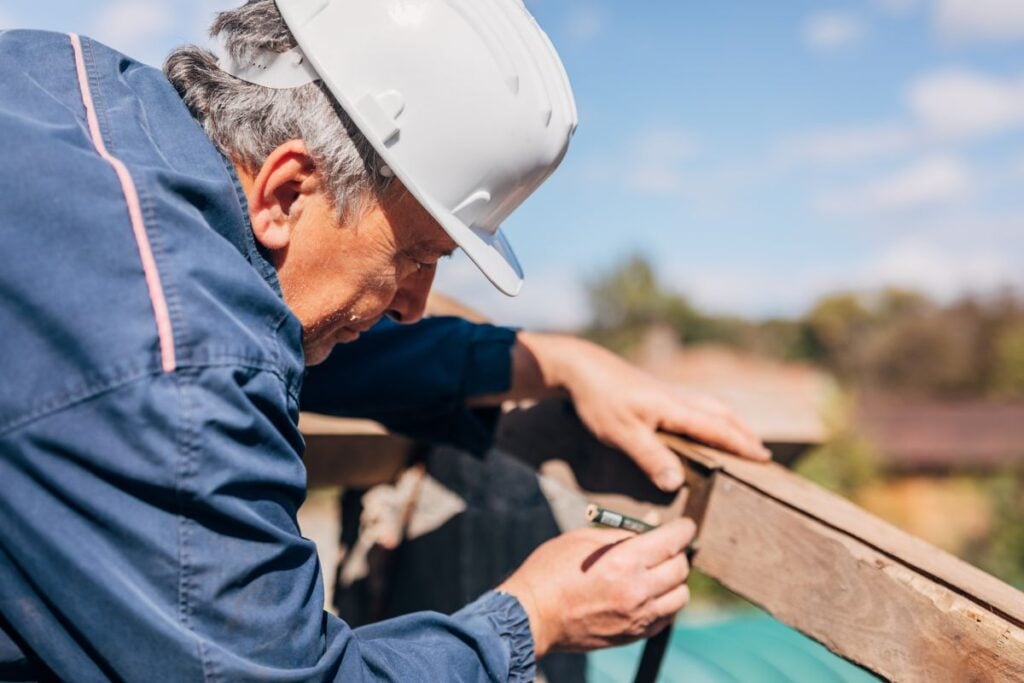
Different methods offer varying levels of accuracy, safety, and convenience.
| Method | Accuracy | Safety | Best For |
| Manual | High | Moderate | Experienced homeowners |
| Aerial Tools | Moderate to High | High | Quick estimates |
| Professional | Very High | Very High | Full roof projects |
Tips for Getting the Most Accurate Results
Taking the time to measure your roof carefully can make a significant difference in your project outcome.
- Double-check all measurements
- Use consistent units throughout
- Take photos or notes for reference
- Verify calculations before ordering materials
Plan Your Roofing Project With Confidence
Learning how to measure a roof gives you a strong foundation for planning your roofing project. While DIY measurements can be helpful, accuracy and safety should always come first. Taking the time to measure correctly ensures your project runs smoothly from start to finish.
For homeowners in Sebastian, FL and surrounding areas, working with experienced professionals can provide peace of mind and ensure your roof is measured and installed correctly. Florida Roof Bros is here to guide you through every step of the process, from measurement to installation. Reach out to contact us today to get expert help and start your roofing project with confidence.

Written By: Florida Roof Bros