

Whether you are a homeowner curious about the process or considering minor…
General Roofing
What Is the Best Roof Sealant for Leaks? (6 Best Brands)
A small roof leak can quickly turn into costly interior damage if not addressed properly. Many homeowners searching for the best roof sealant for leaks want a fast, affordable solution before the problem spreads. While sealants can help in certain situations, choosing the right product and knowing when to call a professional matters. Homeowners often explore long term repair options through experienced roofing professionals to ensure leaks are properly diagnosed and fixed.
In this guide, you will learn:
- When roof sealant is appropriate and when it is not
- The best types and brands of roof sealants
- How to choose the right sealant for your roof type
- Common causes of roof leaks in Florida
- When to consider professional repair in Palm Bay and surrounding areas
Why Choosing the Right Roof Sealant Matters
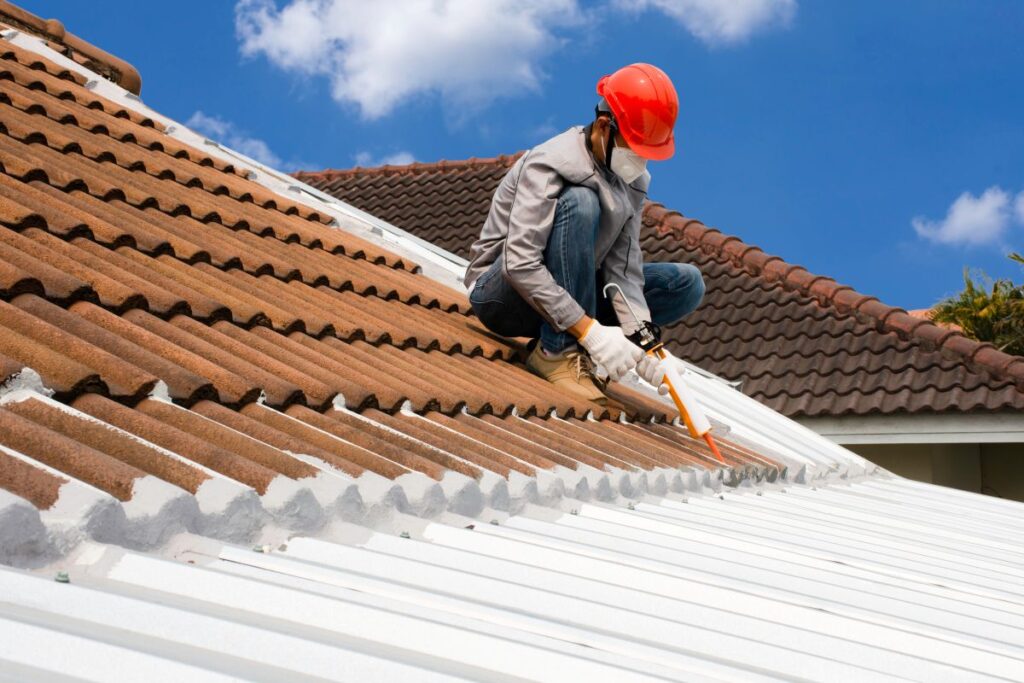
Roof leaks rarely fix themselves. Even a small drip can lead to mold growth, insulation damage, and structural deterioration. While roof sealants can offer temporary or targeted repairs, using the wrong product can make the issue worse.
Selecting the proper sealant offers several advantages:
- Immediate Leak Control: Helps stop active water intrusion during minor damage.
- Cost Savings: Prevents small problems from escalating into full roof replacements.
- Material Compatibility: Ensures adhesion to shingles, metal, or flat roofing membranes.
- Weather Resistance: Withstands Florida’s heavy rain and high humidity.
- Extended Roof Life: Proper sealing around flashing and penetrations improves durability.
In Palm Bay and surrounding areas, frequent storms and high heat create unique challenges. The best sealant must handle both intense UV exposure and sudden downpours.
6 Best Roof Sealant Types and Brands to Consider
There is no single universal sealant that works for every roof. The best choice depends on your roofing material, leak location, and severity of damage. Below are six popular types and brands homeowners often consider.
1. Silicone Roof Sealant
Silicone sealants are highly resistant to UV rays and moisture. They remain flexible even in extreme temperatures.
Why silicone is popular:
- Excellent waterproofing
- Long lasting flexibility
- Strong adhesion to flat roofing materials
Commonly used brands include GE Silicone and Henry silicone coatings. Silicone works especially well for flat or low slope roofs.
However, silicone can attract dirt and may not adhere well to certain asphalt shingle surfaces without proper preparation.
2. Polyurethane Roof Sealant
Polyurethane sealants provide strong adhesion and durability. They are often used around flashing, vents, and seams.
Benefits include:
- High impact resistance
- Strong bonding capability
- Excellent flexibility
Brands such as Sikaflex and Loctite produce polyurethane sealants that perform well in wet conditions.
Polyurethane requires careful application, as it can be more difficult to work with compared to acrylic products.
3. Acrylic Roof Sealant
Acrylic sealants are water based and easy to apply. They are often used for minor repairs or coating applications.
Advantages:
- Affordable option
- Easy cleanup
- Good UV resistance
Henry and Gardner offer acrylic roof coatings that are commonly used for flat roofs.
Acrylic sealants may not perform as well in areas with standing water, which can be an issue during Florida’s rainy season.
4. Asphalt Based Roof Cement
Asphalt roof cement is a traditional option used for shingle repair and flashing sealing.
Why homeowners use it:
- Strong adhesion to asphalt shingles
- Affordable and widely available
- Effective for patching small cracks
Brands like Black Jack and Henry offer asphalt based products.
While effective for temporary repairs, asphalt cement can crack over time under intense sun exposure in Palm Bay and surrounding areas.
5. Rubberized Roof Sealant
Rubberized sealants contain flexible polymers that enhance durability.
Benefits include:
- Strong waterproofing
- High elasticity
- Effective for metal and flat roofs
These sealants perform well in areas with temperature fluctuations.
6. Butyl Rubber Sealant
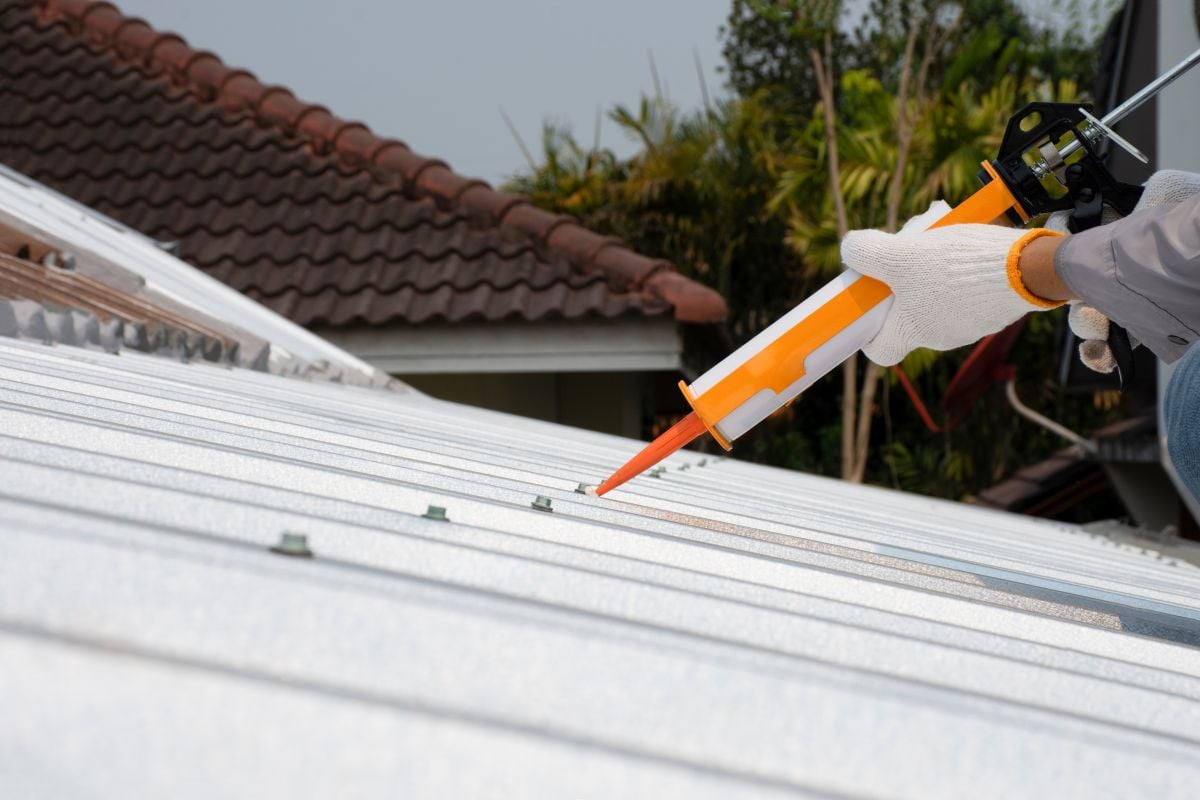
Butyl rubber sealants are known for their excellent moisture resistance and strong adhesion to metal surfaces.
They are commonly used for:
- Metal roofing seams
- Flashing joints
- Fastener sealing
Butyl products are especially useful for metal roof repairs where water penetration occurs at panel overlaps.
How to Choose the Best Roof Sealant for Your Roof Type
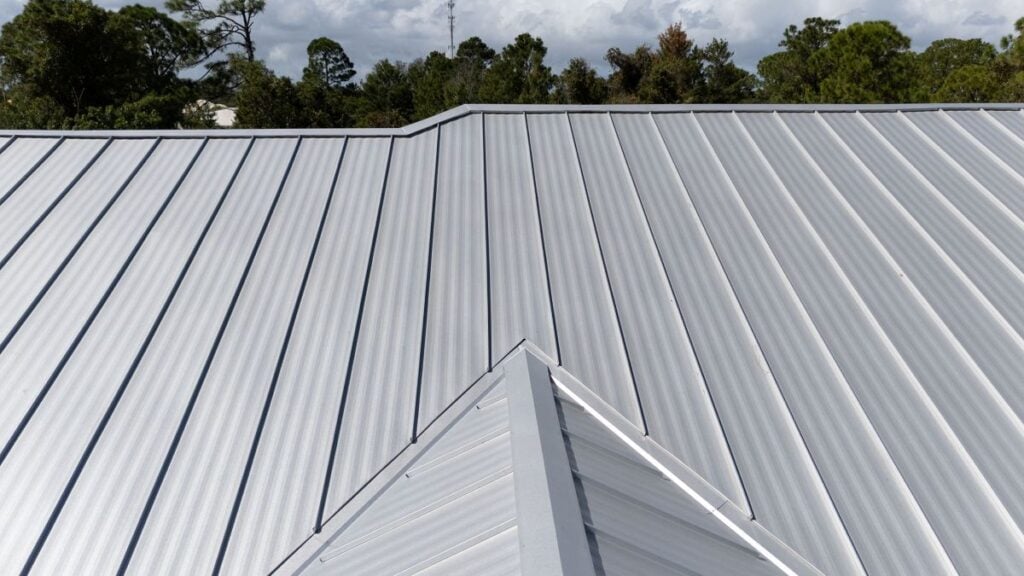
Selecting the right sealant requires understanding your roofing material and the source of the leak.
Asphalt Shingle Roofs
For asphalt shingles:
- Asphalt roof cement is often used for small cracks or lifted shingles.
- Polyurethane sealants work well around flashing and vents.
It is important not to overapply sealant, as excessive material can trap moisture.
Metal Roofs
Metal roofs benefit from:
- Butyl rubber sealants for seams
- Polyurethane for flashing repairs
- Silicone coatings for waterproofing
In Palm Bay and surrounding areas, metal roofs must resist heavy rain and high winds, so durable sealants are essential.
Flat Roofs
Flat roofing systems often require:
- Silicone coatings for waterproofing
- Acrylic coatings for UV protection
- Rubberized products for flexibility
Standing water is common on flat roofs, making product selection critical.
Common Causes of Roof Leaks in Florida
Understanding why leaks occur helps determine whether sealant is an appropriate solution.
Damaged or Missing Shingles
High winds can lift or remove shingles, exposing underlayment.
Sealant may temporarily secure loose shingles, but replacement is often necessary.
Flashing Failures
Flashing around chimneys, vents, and skylights is a frequent leak source.
Sealants can reinforce flashing edges, but severely corroded flashing may need replacement.
Cracked Vent Boots
Rubber vent boots can deteriorate over time due to UV exposure.
Sealant may provide short term relief, but replacing the boot is usually the better solution.
Nail Pops
Nails can back out due to temperature changes, creating small openings.
Sealant can cover nail heads temporarily, but proper refastening is recommended.
Ponding Water on Flat Roofs
Standing water increases leak risk.
Sealant may help patch small cracks, but drainage improvements may be required.
In Palm Bay and surrounding areas, storm season often exposes weak points quickly.
When Sealant Is Not Enough
While sealants can address minor issues, they are not a permanent solution for significant damage.
Situations requiring professional repair include:
- Widespread shingle damage
- Structural decking issues
- Multiple leak points
- Sagging roof sections
- Repeated leak recurrence
Overreliance on sealant can mask underlying problems and delay necessary repairs.
Professional inspections ensure leaks are properly diagnosed rather than simply covered up.
Comparing Roof Sealant Types
Below is a simplified comparison of common sealant types:
| Sealant Type | Best For | UV Resistance | Flexibility | Ideal Roof Type |
| Silicone | Flat roofs, coatings | High | High | Flat, low slope |
| Polyurethane | Flashing, seams | High | High | Shingle, metal |
| Acrylic | Coatings, minor repairs | Moderate | Moderate | Flat roofs |
| Asphalt Cement | Shingle patches | Moderate | Low | Asphalt shingles |
| Butyl Rubber | Metal seams | High | High | Metal roofs |
Choosing based on compatibility ensures better results.
Safety Considerations When Applying Roof Sealant
Roof work carries risks, especially on steep slopes.
Homeowners should:
- Avoid climbing on wet roofs
- Use proper fall protection
- Follow manufacturer instructions
- Ensure adequate ventilation
In Palm Bay and surrounding areas, sudden rain showers can create slippery surfaces. Safety should always come first.
Professional Repair vs. DIY Sealant
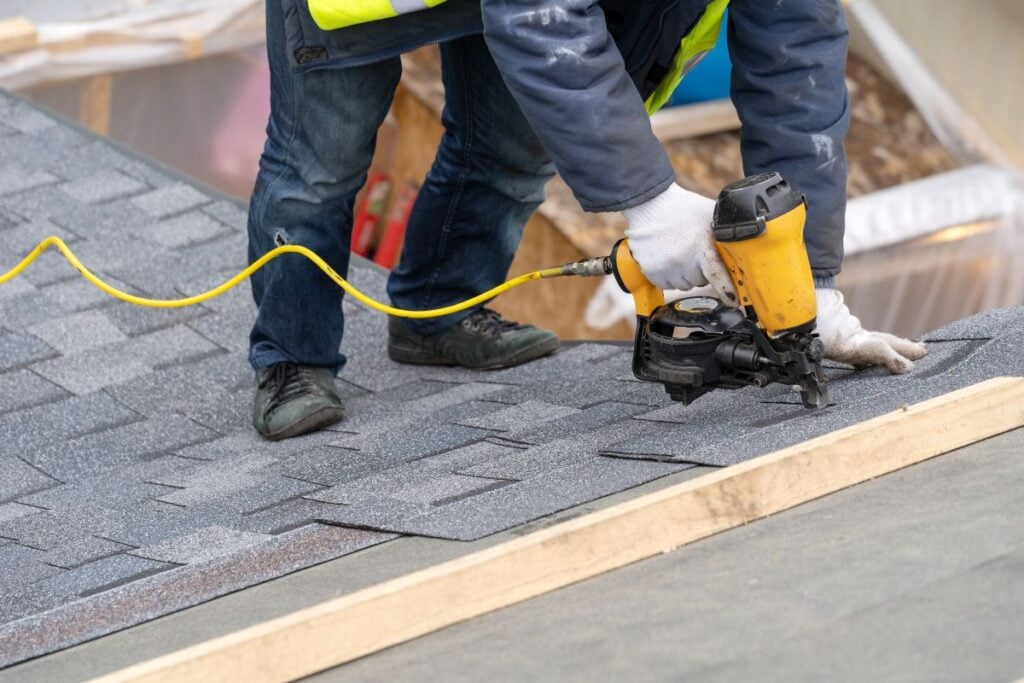
DIY sealant application may seem appealing, but professional repairs offer advantages.
Professional roofers:
- Identify root causes
- Use compatible products
- Ensure proper surface preparation
- Provide long term solutions
Temporary fixes may save money short term but lead to higher costs if leaks persist.
Final Thoughts on the Best Roof Sealant for Leaks
The best roof sealant for leaks depends on your roofing material, leak location, and severity of damage. Silicone, polyurethane, acrylic, asphalt, and butyl rubber products all serve specific purposes. While sealants can help with minor issues, they are not a substitute for professional evaluation when leaks are extensive or recurring.
If you are dealing with a roof leak in Palm Bay and surrounding areas, Florida Roof Bros is here to help. Our experienced team can assess the damage, recommend the right solution, and ensure your roof is protected against Florida’s challenging weather. Do not let a small leak turn into major damage. Contact us today to schedule your inspection and get expert guidance from Florida Roof Bros.

Written By: admin