

A leaking metal roof can quickly turn from a minor nuisance into…
Metal Roofing
7 Step Guide to Metal Roof Installation (Why Metal Matters)
Choosing the right roofing solution is essential for protecting your home or business from the elements. Metal roof installation has become increasingly popular due to its durability, energy efficiency, and aesthetic appeal. Whether you’re building a new structure or replacing an old roof, understanding the installation process can help you make informed decisions. For those interested in learning more about metal roofing options, explore this comprehensive metal roofing service page that outlines the variety of materials and styles available.
- What makes metal roofing stand out from traditional roofing materials
- The essential steps involved in a professional metal roof installation
- Key benefits and maintenance tips for metal roofs
- Common challenges and how to avoid installation mistakes
- How to choose a qualified contractor for your project
Why Metal Roof Installation Is a Smart Investment
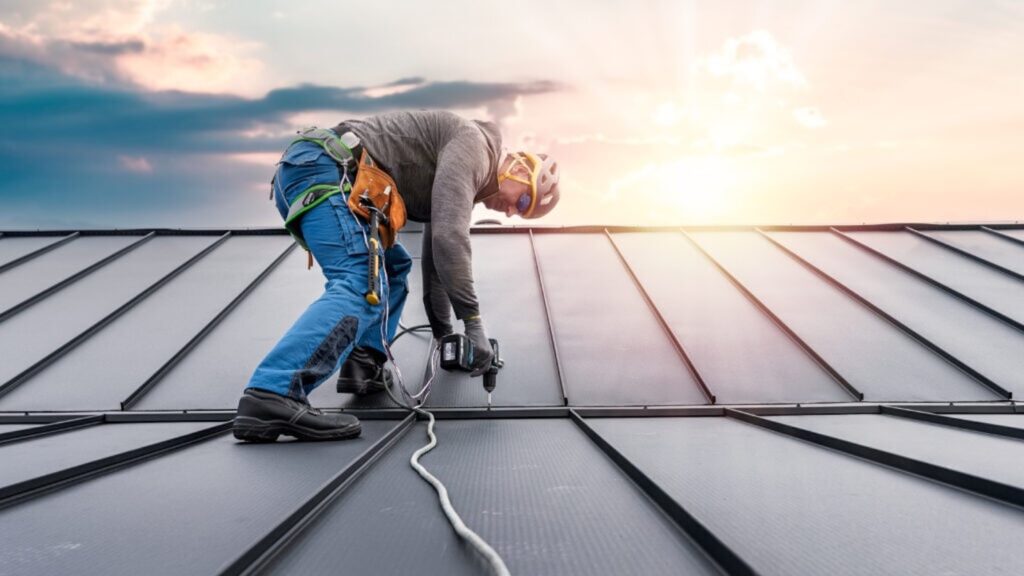
Investing in a metal roof is more than just choosing a new top for your structure. This roofing option combines longevity with environmental benefits and excellent performance. Proper installation is critical to maximizing these advantages and ensuring your roof lasts for decades.
- Durability: Metal roofs resist extreme weather, fire, and pests better than most other materials.
- Energy Efficiency: Reflective metal surfaces reduce heat absorption, lowering cooling costs substantially.
- Longevity: Most metal roofs carry warranties spanning 40 to 70 years.
- Environmentally Friendly: Metal panels are often made from recycled materials and are fully recyclable afterward.
- Design Versatility: Available in various styles and colors to complement any architectural style.
7 Essential Steps to a Successful Metal Roof Installation
Installing a metal roof involves several critical steps to ensure that the final product is not only functional but also aesthetically pleasing and long-lasting. Here’s a step-by-step outline:
1. Inspection and Preparation
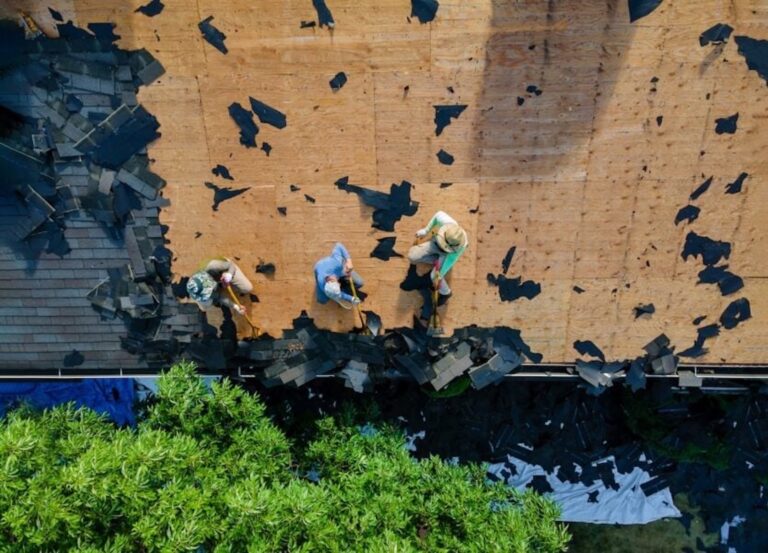
Before installation begins, the existing roof must be inspected and prepared. This includes removing old roofing, checking for structural damage, and making any necessary repairs. A clean, stable substrate is vital for the integrity of the new metal roof.
- Inspection: Identify any rot, mold, or structural weaknesses.
- Preparation: Remove debris and repair damaged decking.
2. Installing Underlayment
The underlayment is a protective barrier installed over the roof deck that offers an extra layer of waterproofing. Choosing the right underlayment depends on your climate and roof type.
- Materials: Synthetic or felt-based underlayments are common choices.
- Importance: Prevents moisture penetration and protects against ice dams.
3. Measuring and Cutting Metal Panels
Accurate measurements and precise cutting are necessary for a seamless installation. Panels must fit the roof’s dimensions and features such as vents, skylights, and chimneys.
4. Securing the Panels
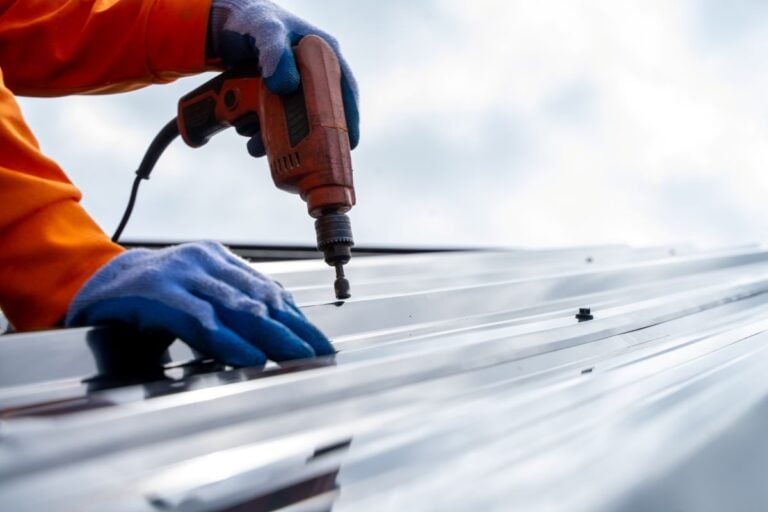
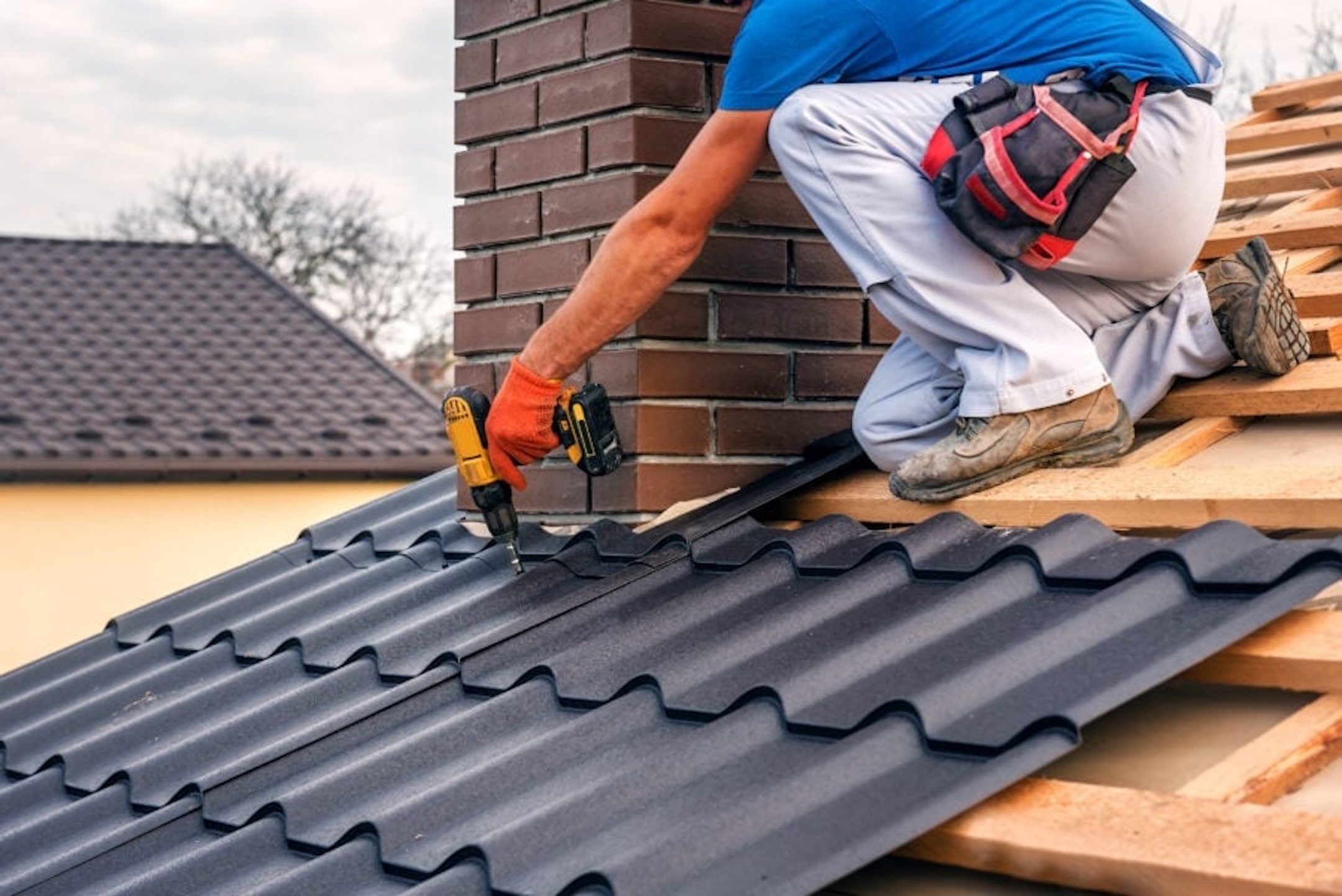
Metal panels are attached using special screws that include rubber washers to create a watertight seal. Proper alignment and fastening prevent leaks and wind damage.
- Fastener Spacing: Ensures even load distribution and optimal security.
- Sealing: Use sealants where needed to enhance waterproofing.
5. Installing Flashing and Trim
Flashing and trim components protect vulnerable seams, roof edges, and penetrations. These parts are crucial for directing water away from joints and preventing leaks.
6. Final Inspection and Cleanup
After installation, a thorough inspection confirms that all panels are secure and properly sealed. Cleanup ensures no debris remains on the roof or around the property.
7. Routine Maintenance Planning
Setting up a maintenance schedule is important to catch minor issues early and extend the roof’s lifespan. Regular cleaning and inspection can prevent damage from accumulating.
Understanding the Benefits and Maintenance of Metal Roofs
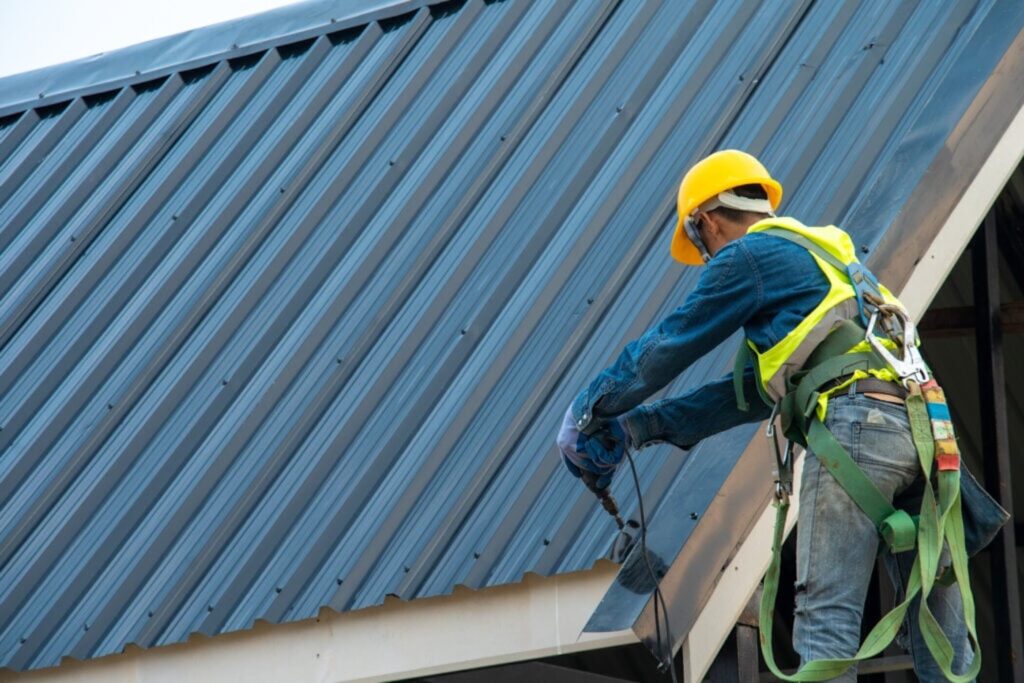
Metal roofs offer excellent performance over traditional roofing types, but understanding both their benefits and maintenance needs helps property owners get the most value.
- Energy Savings: Metal roofs reflect solar radiant heat, reducing cooling costs by up to 25%.
- Low Maintenance: Metal does not crack, warp, or suffer from insect damage, requiring only periodic cleaning.
- Resilience: High wind and hail resistance provide peace of mind during severe weather.
- Eco-Friendliness: Roofing made from recyclable materials supports sustainable building practices.
- Longevity: Properly maintained roofs can last more than 50 years, reducing replacement frequency.
Maintenance Tips:
- Inspection: Check for loose fasteners and damaged panels annually.
- Cleaning: Remove debris such as leaves and branches to prevent water pooling.
- Repairs: Promptly address any small dents or punctures.
Common Challenges and How to Overcome Them
While metal roof installation has many advantages, some challenges require attention to avoid costly issues. Being aware of these can prepare homeowners and contractors alike.
Noise Concerns
Metal roofs can be noisier during rain or hail compared to asphalt shingles. Installing soundproofing insulation beneath the roof deck can significantly diminish this effect.
Condensation Management
Improper ventilation can lead to condensation buildup beneath metal panels, causing mold or rot over time. Ensuring adequate attic ventilation is essential for moisture control.
Expansion and Contraction
Metal expands and contracts with temperature changes. Using fasteners that allow for this movement and installing panels correctly helps prevent warping and buckling.
Cost Considerations
Initial installation costs for metal roofs are higher than other materials. However, the long-term savings and minimal maintenance often offset this investment.
How to Choose the Right Contractor for Your Metal Roof Installation
Selecting a qualified contractor can make all the difference in the outcome of your metal roofing project. The right professional ensures the installation is done safely, efficiently, and in line with local building codes.
- Experience: Look for contractors with proven metal roofing expertise and positive references.
- Licensing and Insurance: Verify that the contractor holds all necessary licenses and adequate insurance coverage.
- Written Estimates: Obtain detailed quotes that include materials, labor, and timelines.
- Warranty Offers: Choose contractors who provide guarantees on both workmanship and materials.
- Local Knowledge: Familiarity with local climate and regulations ensures a better-suited roof installation.
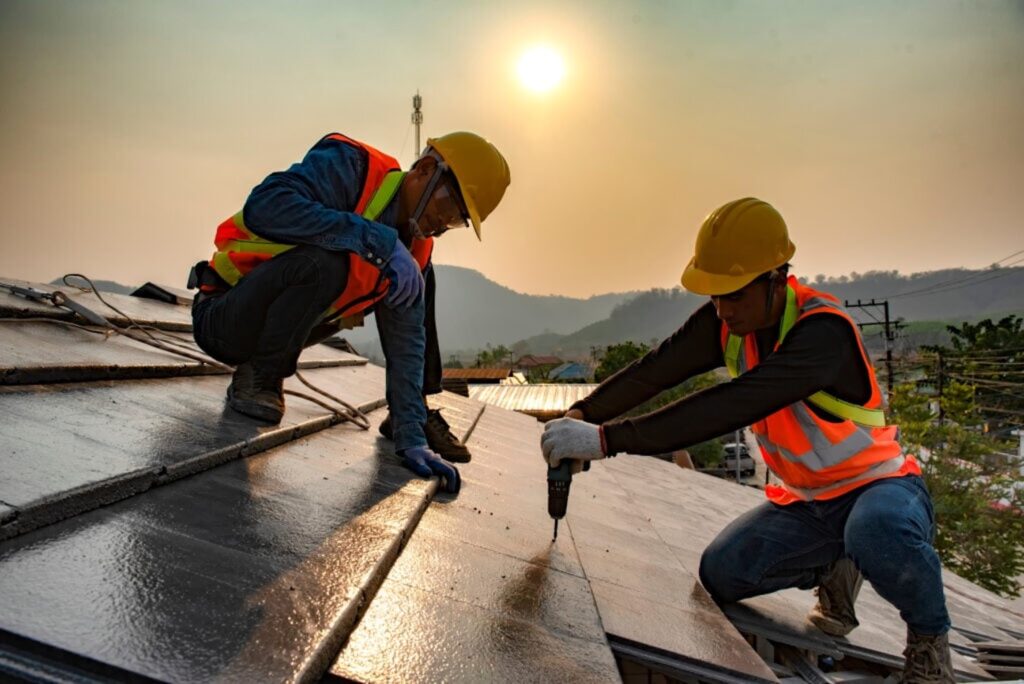
Take the Next Step Toward a Durable Metal Roof
Embracing a metal roof installation is a wise choice that combines style and strength for your property. Florida Roof Bros is ready to guide you through every step of the process to ensure a seamless, professional experience. For expert assistance and detailed information, contact us today.

Written By: admin