

Choosing the right roof for your home is a decision that carries…
Roofing
4 Types of Roof Flashing (Styles, Materials, & More)
When it comes to protecting your home from water damage and ensuring the longevity of your roof, understanding roof flashing is essential. Roof flashing serves as a barrier that prevents water from seeping into vulnerable areas, such as joints and roof penetrations. This small but crucial element can make all the difference in maintaining a secure and durable roofing system. If you want to learn more about comprehensive roofing solutions designed to keep your home safe and dry, explore services related to general roofing.
- Discover the importance of roof flashing and its benefits for your roof system.
- Learn about different types of roof flashing styles and where they are used.
- Understand the various materials used for roof flashing and their pros and cons.
- Get tips on maintenance and best practices to extend the life of your flashing.
Why Roof Flashing Is Essential for Every Roof
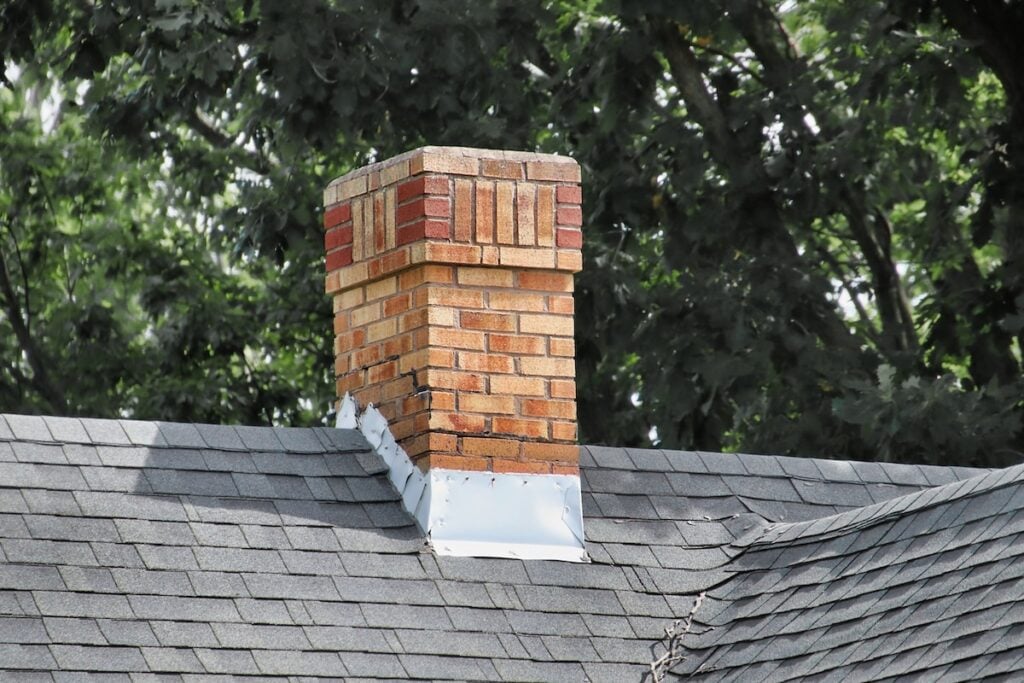
Roof flashing plays a vital role in a roof’s ability to resist water intrusion and weather damage. This waterproofing component is installed at critical points where two roofing surfaces intersect or around openings such as chimneys and vents. Without proper flashing, water can easily infiltrate, causing structural damage and costly repairs. Below are some key reasons why roof flashing is important.
- Waterproof Protection: Prevents leaks by sealing roof joints and penetrations, protecting the underlying structure.
- Expanded Roof Longevity: Reduces wear and damage caused by water exposure, helping your roof last longer.
- Structural Integrity: Maintains the strength of your roofing system by preventing moisture-related deterioration.
- Energy Efficiency: Helps minimize air and moisture infiltration, improving overall energy efficiency of your home.
- Cost Savings: Avoids expensive repairs and premature roof replacement by addressing water intrusion early.
4 Common Types of Roof Flashing and Their Uses
Understanding the different types of roof flashing can help you identify what your roof may require. Each style is suited for specific locations and purposes, ensuring optimal protection against water and weather elements. Here are five common types of roof flashing.
1. Step Flashing
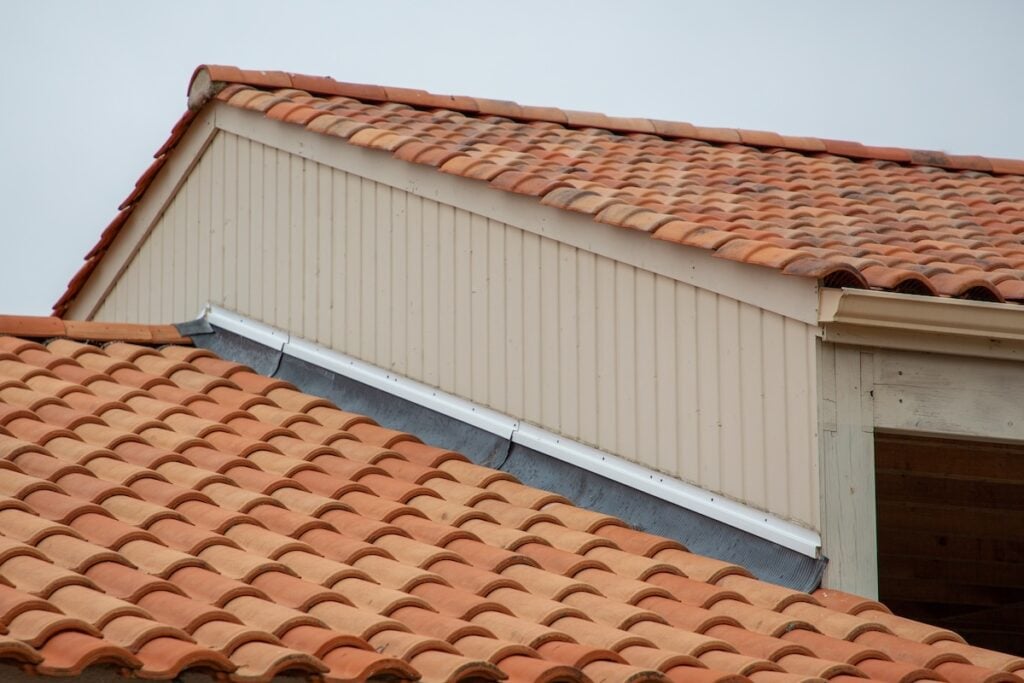
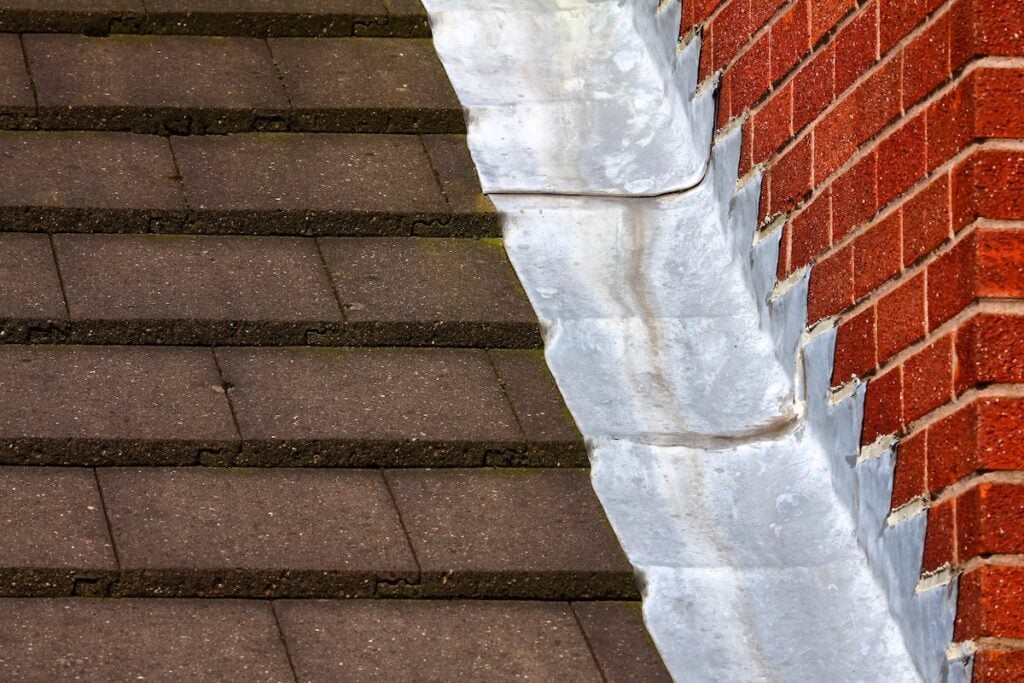
Step flashing is commonly used where a roof meets a vertical wall, such as on dormers or chimneys. It is installed in segments that overlap with the roofing material to direct water away from the wall-roof junction.
- Pieces are installed in layers alternating with shingles.
- Allows water to flow down and away without seeping behind the siding.
- Typically made of metal, ensuring durability in this critical area.
2. Continuous Flashing (Apron Flashing)
This type of flashing is a single, continuous piece of metal that runs along the edge of a roof element, such as where the roof meets a chimney or skylight. It provides a strong barrier to block water penetration in these vulnerable areas.
- Often used along chimneys, skylights, and dormers.
- Create a tight seal that directs water towards the roof surface.
3. Valley Flashing
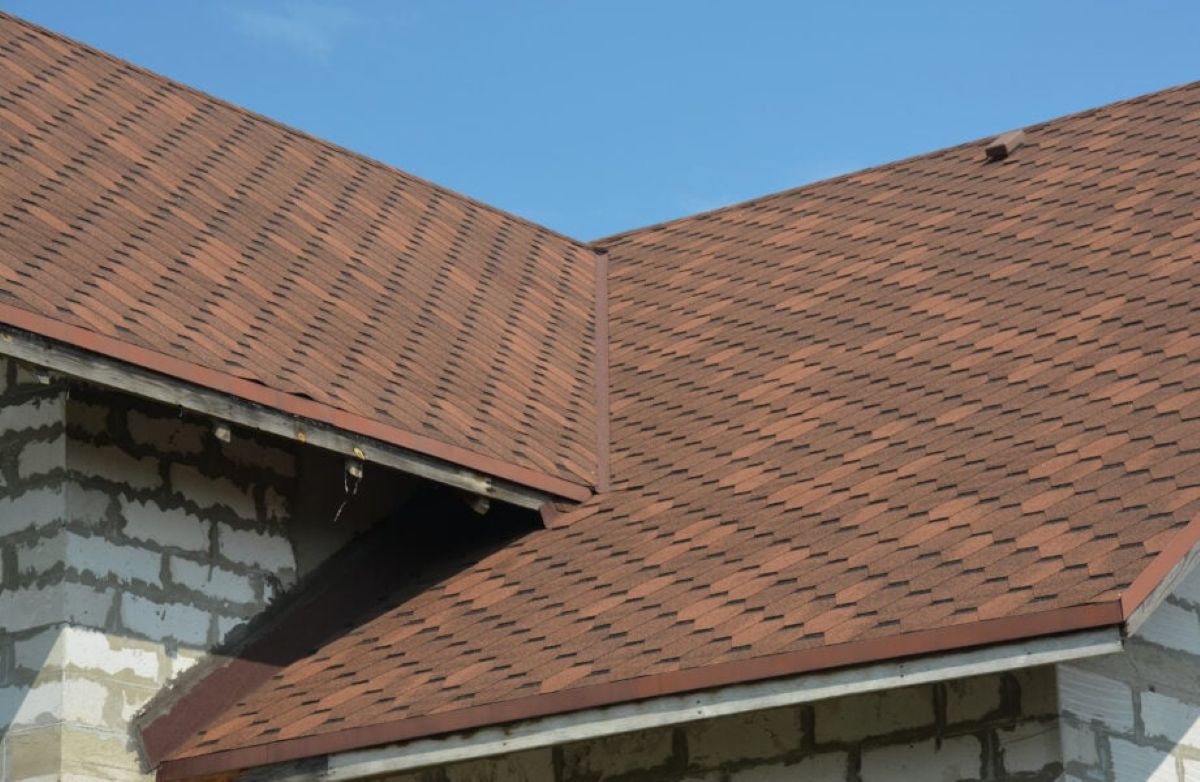
Valley flashing is installed in the valleys formed by the intersection of two roof slopes. Because valleys channel large volumes of water, this flashing type is essential to prevent leaks.
- Made from durable metal such as aluminum or galvanized steel.
- Installed under roofing materials to guide water safely off the roof.
- Shapes the valley with a smooth surface to prevent debris buildup.
4. Collar Flashing
Collar flashing is placed around pipes or vent stacks that protrude through the roof. It provides a waterproof seal where these vertical elements meet the roofing surface.
- Comprises a collar-like piece that fits snugly around pipes.
- Prevents water from entering through gaps around plumbing or vent pipes.
Materials Used for Roof Flashing
Choosing the right material for roof flashing is crucial for both effectiveness and durability. Different metals and materials offer various benefits and limitations depending on your climate, roof type, and budget. Below are some popular materials used for roof flashing.
- Aluminum: Lightweight and corrosion-resistant, aluminum flashing is ideal for many applications and resists rust in moist environments.
- Galvanized Steel: Strong and durable, galvanized steel is cost-effective but may corrode over time without proper coating.
- Copper: Known for its longevity and resistance to corrosion, copper flashing offers an attractive finish that ages gracefully but comes at a higher cost.
- Lead: Historically common, lead offers flexibility and durability but is less frequently used today due to environmental concerns.
- Rubber and EPDM: Synthetic flashing materials provide waterproof seals and are often used on flat or low-slope roofs.
Factors to Consider When Selecting Flashing Materials
- Climate Compatibility: Metals like aluminum and copper perform well in wet or coastal environments.
- Longevity: Copper and lead tend to last the longest, reducing the need for frequent replacement.
- Aesthetics: Copper offers a visually pleasing finish for exposed flashing areas.
- Budget: Galvanized steel and aluminum tend to be more affordable options.
Tips for Maintaining and Extending the Life of Roof Flashing
Proper maintenance of roof flashing ensures it continues to protect your roof effectively and avoid costly repairs. Regular inspections and minor repairs can make a significant difference in your roof’s performance. Here are some helpful tips to keep your flashing in optimal condition.
Regular Inspections
- Inspect flashing annually or after severe weather to check for damage or deterioration.
- Look for signs of rust, cracks, or loose edges.
- Identify any areas where flashing may be pulling away from roofing materials.
Cleaning and Debris Removal
- Remove leaves, branches, or other debris that can trap moisture around flashing.
- Ensure valleys and edges are free of materials that could cause water backup.
Prompt Repairs
- Seal small gaps or cracks with roofing-grade silicone or sealant.
- Replace damaged flashing sections as soon as issues are detected.
- Consult with a professional roofer for extensive damage or uncertain repairs.
Consider Professional Maintenance Services
Professional roofers can perform comprehensive flashing inspections and repairs that extend the life of your roof. These experts use high-quality materials and follow proper installation techniques to ensure ongoing protection. Whether your roof flashing needs a quick fix or a full replacement, seeking professional assistance helps keep your roofing system strong and secure.
Comparing Roof Flashing Options for Different Roof Types
Not all roofs require the same flashing solutions. Depending on the roof style and materials, flashing choices must be tailored to provide the best performance against weather challenges. Here’s a quick comparison of how roof flashing varies based on the roof type:
| Roof Type | Common Flashing Types | Material Preferences | Key Considerations |
| Asphalt Shingle Roof | Step Flashing, Drip Edge, Valley Flashing | Aluminum, Galvanized Steel | Ensure flashing layers overlap shingles properly to prevent water seepage. |
| Metal Roof | Continuous Flashing, Drip Edge | Copper, Aluminum | Match metal type for compatibility to avoid corrosion; consider aesthetics. |
| Flat Roof | Rubber/EPDM Flashing, Metal Flashing on Penetrations | Rubber, Lead, Aluminum | Focus on flexible materials and thorough sealing around pipes and vents. |
| Tile Roof | Step Flashing, Valley Flashing | Copper, Aluminum | Flashing must conform to curved tiles and ensure secure water diversion. |
By selecting the appropriate flashing type and material based on your roof’s construction, you can maximize protection and efficiency.
Protect Your Roof with Quality Flashing Solutions
Understanding roof flashing and its different types is key to maintaining a strong, water-resistant roofing system. The choices you make regarding style and material impact the durability and efficiency of your roof for years to come. Whether you are installing a new roof or repairing an existing one, proper flashing installation should never be overlooked.
For personalized advice and expert installation ensuring your roof flashing is up to industry standards, contact us today. Our specialists will assess your needs and provide reliable solutions to keep your home safe and dry through every season.

Written By: admin