

How to Deal With Wind Damage to Roof (Storm Damage Guide)
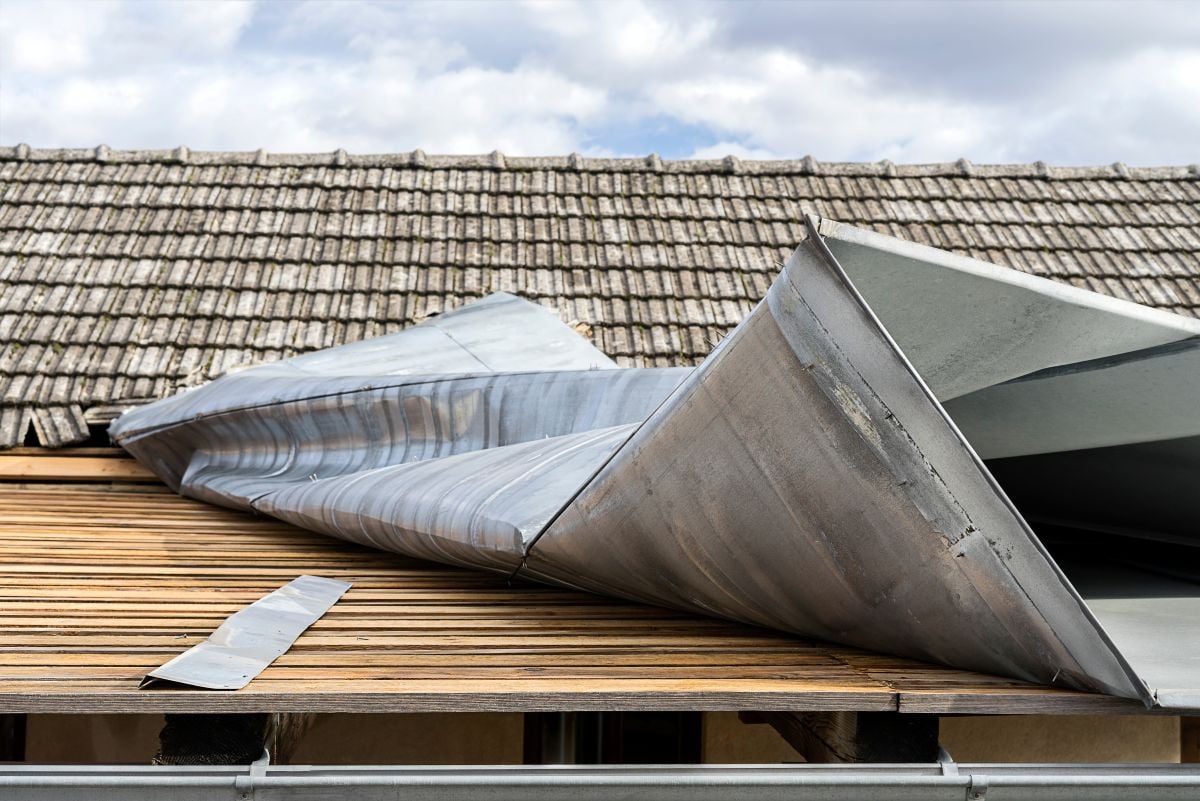
Florida homeowners are no strangers to intense weather, and high winds can do more than just shake a few palm trees. When storms roll through, wind damage to roof systems is one of the most common and costly issues. Spotting the signs early and knowing what steps to take can help you avoid structural problems, leaks, and even insurance headaches. If you notice missing shingles or granules around your home, it may be time to explore the best approach to protecting your roof against future storms.
What you’ll learn in this blog:
- Common signs of wind-related roof damage
- Steps to take after a storm hits your area
- How wind damage affects different roofing materials
- When to repair versus replace
Why Wind Damage Shouldn’t Be Ignored
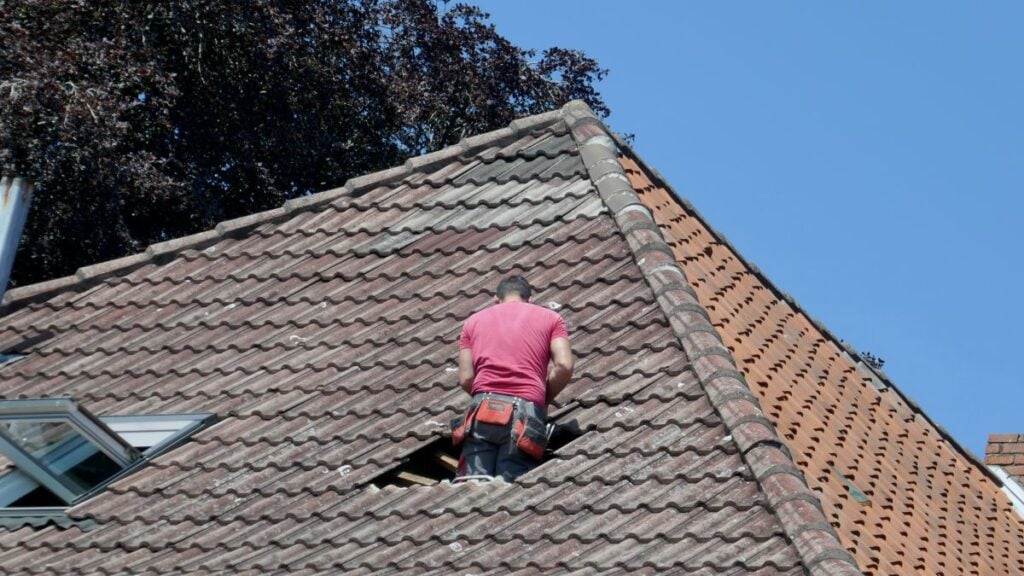
Ignoring wind damage can turn a minor repair into a major renovation. Florida’s climate makes roofs more vulnerable to wind uplift, flying debris, and rapid aging. Acting fast can save time and money.
- Prevents Leaks: Lifted shingles or flashing gaps allow water to seep in during future storms.
- Preserves Structural Integrity: Wind damage often impacts underlayment and decking.
- Maintains Insurance Coverage: Prompt action and documentation help ensure you qualify for storm-related claims.
- Avoids Mold Growth: Water infiltration from loose materials can lead to mold within days.
6 Steps to Handle Wind Damage to Your Roof
Florida storms don’t always give much warning, but how you respond afterward matters. Here’s a step-by-step breakdown of what homeowners should do after high winds strike.
1. Inspect Your Property Safely
Before climbing a ladder, check for visible signs from the ground.
- Look for missing shingles or roof tiles
- Check around your yard for roofing materials or debris
- Inspect soffits, fascia, and gutters
If it’s safe, take photos of damage for insurance purposes.
2. Check the Attic or Ceiling
Interior signs can be just as revealing.
- Water stains or drips on ceilings
- Musty odors or signs of moisture
- Daylight peeking through roof boards
These clues often indicate wind has compromised the roof system.
3. Call a Local Roofing Professional
A certified roofer can inspect your roof thoroughly and provide a clear report on damage.
- Get a full damage assessment
- Receive an itemized estimate
- Ask about emergency tarping if leaks are active
Choose a roofer who regularly works in areas like Melbourne and surrounding areas so they understand wind codes and regional risks.
4. Contact Your Insurance Provider
Wind damage may qualify under your homeowner’s policy.
- File a claim as soon as possible
- Provide photos, roofer report, and repair quotes
- Be prepared to meet with an adjuster on-site
Acting promptly improves the chances of coverage.
5. Schedule Immediate Repairs
Even minor repairs like missing shingles can prevent bigger issues.
- Replace torn or curled shingles
- Reseal flashing and vents
- Repair broken ridge caps or hips
Address structural issues or decking damage right away.
6. Plan for Long-Term Protection
Ask your roofer about upgrades that reduce future wind damage.
- High-wind-rated shingles or tiles
- Reinforced underlayment or roof straps
- Regular inspection plans before and after hurricane season
How Wind Affects Different Roofing Materials
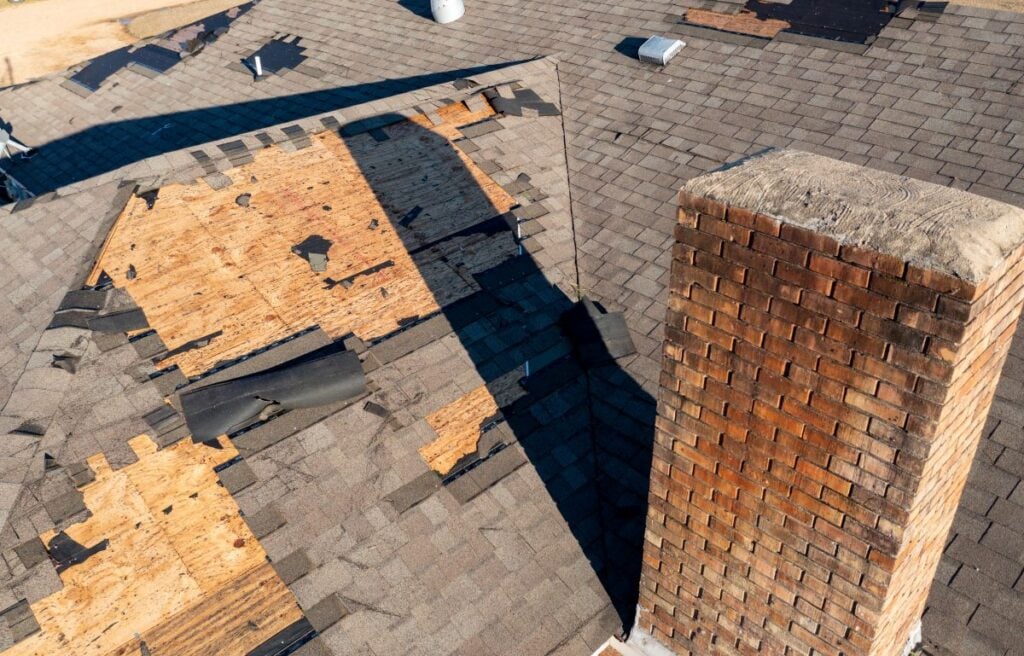
Not all roofs respond the same to high winds. Here’s how common Florida roofing materials hold up.
Asphalt Shingles
Most affordable but prone to lifting or tearing under high winds.
- Rated for 60–110 mph winds (varies by type)
- Sealing strip weakens over time
- Vulnerable at edges and roof ridges
Metal Roofing
Highly wind-resistant when installed correctly.
- Interlocking panels resist uplift
- Requires secure fasteners and proper edge sealing
- Lightweight but durable
Concrete & Clay Tile
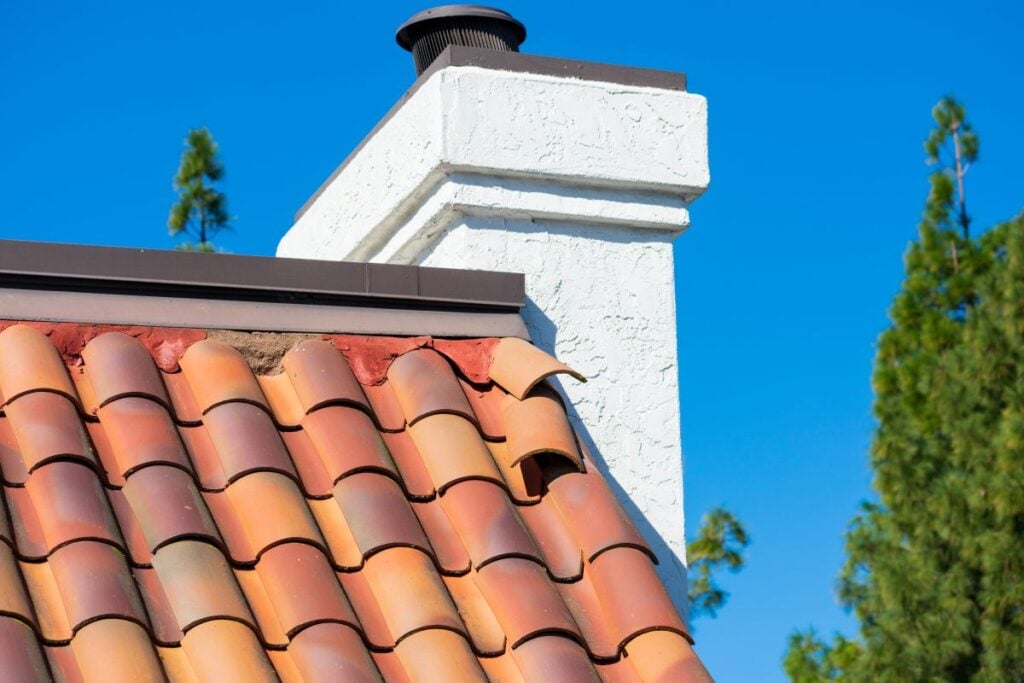
Heavier and durable but can crack or dislodge.
- Needs tight fastening to withstand uplift
- Broken tiles can expose underlayment
- May require partial replacement after strong storms
Flat Roof Systems (TPO, Modified Bitumen)
Vulnerable to uplift at seams and edges.
- Adhesion quality matters
- Flashing and vent areas are common failure points
- Regular sealing reduces risk
Signs Your Roof Needs More Than a Quick Fix
Some storm damage can be handled with repairs, but other issues point to deeper problems. Here’s what to watch for:
- Widespread shingle loss: If more than 25% is affected, replacement may be more cost-effective
- Visible sagging: Indicates potential structural damage or water saturation
- Persistent leaks: Ongoing issues despite patching may signal underlayment failure
- Roof age over 15 years: Older roofs may not meet updated wind-resistance codes
If you’re unsure, ask your contractor for a repair vs. replace recommendation after inspection.
Roof Wind Damage FAQs
Here are the most common questions we get regarding roof wind damage.
How strong does wind need to be to damage a roof?
Winds above 45 mph can begin to damage older roofs, while newer ones usually withstand up to 90 mph. Gusts and flying debris often cause the most damage.
Can I repair roof wind damage myself?
It’s possible to patch minor shingle issues if you’re experienced with roofing, but hiring a professional is the safest and most reliable option—especially for insurance claims.
Does insurance cover wind damage?
Most homeowner’s policies in Florida cover wind-related roof damage. Be sure to document everything and act quickly.
Should I tarp my roof right away?
Yes. If your roof is actively leaking or has exposed decking, emergency tarping protects your home until repairs can be completed.
Protect Your Roof With Help From Florida Roof Bros
Living in Florida means being prepared for hurricane-force winds and unpredictable weather. Knowing how to identify and respond to wind damage can protect your investment and save you from costly repairs. If you suspect damage or need a professional evaluation, contact us today to schedule a roof inspection. Florida Roof Bros is proud to serve Melbourne and surrounding areas with trusted storm damage solutions.

Written By: Florida Roof Bros