

General Roofing
Location-Specific
Roofing
How Long Does a Roof Last in Florida?
The Florida sun, a relentless force, beats down on your Sebastian home day after day, baking everything it touches. Then, almost like clockwork, the afternoon skies darken, and a sudden, torrential downpour cascades from the heavens, testing every seam and shingle of your roof. Or perhaps you’re simply enjoying a quiet evening when news of a distant tropical depression sparks a familiar anxiety: how is my roof holding up? It’s a question that naturally arises for any homeowner in our beautiful, yet climatically challenging, state, especially when you consider the constant barrage of heat, humidity, and sudden storms that define living here.
For homeowners specifically in Sebastian, and indeed across the wider Brevard County and Central Florida regions, understanding the true roof lifespan in Florida isn’t merely a matter of curiosity, it’s a crucial component of responsible homeownership and long-term financial planning. Your roof is your home’s primary shield, safeguarding your family and possessions from the elements. This post aims to demystify the factors that influence roof longevity here, helping you grasp the unique stresses our climate places on roofing materials and what you can realistically expect from your current or future roof, empowering you to make the most informed decisions for your most valuable asset.
At Florida Roof Bros, we live and breathe these concerns every day. As a proud family-owned and operated company, we’ve dedicated ourselves to serving our communities, ensuring every roof we touch meets the highest standards of durability and protection. With over 25 years of combined experience under our belts, our in-house crews, never subcontractors, have seen firsthand the toll Florida’s weather can take. We understand the specific challenges, from intense UV radiation to hurricane-force winds, and we’re here to share our expertise. Whether you’re contemplating a repair, a full replacement, or simply curious about your roof’s remaining years, we invite you to trust the pros, call the Bros at (321) 446-1702 for honest, expert advice.
Our state’s rich history, particularly in coastal areas like Sebastian, is indelibly marked by powerful weather events. From the named hurricanes that frequently track through our region to the countless severe thunderstorms that roll in daily during the summer months, each event leaves its indelible mark, not just on the landscape but significantly on the integrity and lifespan of our residential roofs. These repeated assaults of wind, rain, and hail are not just isolated incidents; they contribute to an accelerated wear and tear that homeowners in more temperate climates rarely have to contend with, making the question of “how long does a roof last?” particularly pertinent here.
It’s important to recognize that predicting a precise roof lifespan in Florida is far from a simple, single answer. It’s a complex equation involving numerous variables: the quality of the initial installation, the type and grade of roofing materials used, the diligence of routine maintenance, and, perhaps most critically, the cumulative impact of our intense sun, pervasive humidity, and the occasional, but devastating, fury of a tropical storm or hurricane. Understanding this intricate interplay is key to proactive roof care, helping you anticipate potential issues before they become costly emergencies and ensuring your home remains a safe, dry haven for your family for as long as possible.
Knowing what to expect from your roof provides invaluable peace of mind. It allows you to budget for future replacements, identify warning signs of distress early, and ultimately extend the life of your existing roof through informed decisions and timely interventions. This knowledge is especially vital in a region where a well-maintained roof isn’t just about aesthetics, it’s about resilience against nature’s most formidable forces. We believe that empowering homeowners with this understanding is part of our commitment to the community, helping you protect your investment against the unique environmental challenges specific to Sebastian and the wider Florida landscape.
Florida’s Climate and Its Impact on Your Roof’s Lifespan
Florida’s enviable climate, with its abundant sunshine and warm temperatures, is undeniably a draw for millions, but it presents a formidable adversary for your home’s roof. The intense ultraviolet (UV) radiation from our nearly year-round sun relentlessly attacks roofing materials, especially asphalt shingles. This constant exposure causes the granular surface of shingles to degrade and shed, leading to brittleness and a reduction in their protective qualities over time. This process is exacerbated by the pervasive humidity, which, when combined with heat, creates an ideal breeding ground for algae, mold, and mildew, particularly in shaded areas or where ventilation is poor, further compromising the roof’s integrity and aesthetic appeal from day one.
Beyond the daily grind of sun and humidity, the roof lifespan in Florida is dramatically shortened by our frequent and often severe weather events, a critical aspect of our state’s storm history. Tropical storms and hurricanes are the most obvious threats, bringing sustained high winds that can easily lift, tear, or completely strip away shingles, flashing, and other essential roofing components, leaving your home exposed. However, even the more common afternoon thunderstorms can be destructive, producing large hailstones that create impact damage, dents, and cracks, or sudden, localized microbursts that subject roofs to extreme uplift pressures. These repeated assaults, whether from a named storm or a pop-up shower, contribute significantly to accelerated wear and tear, reducing the overall functional life of a roof.
The devastating impact of historical hurricanes, such as Hurricane Andrew in 1992, and the particularly active seasons of the mid-2000s that saw Charley, Frances, Jeanne, and Wilma make landfall, profoundly shaped Florida’s building codes. These codes are now recognized as some of the most stringent in the nation, specifically addressing wind resistance and roof attachment methods. Modern roofs installed today are mandated to meet significantly higher wind uplift standards, often requiring enhanced fastening techniques, stronger deck attachment, and specialized hip and ridge materials engineered to remain secure during hurricane-force winds. This continuous evolution in building requirements directly contributes to the improved resilience and, consequently, the expected lifespan of newly installed roofs compared to those built under older, less rigorous standards.
The choice of roofing material itself plays a pivotal role in how well a roof withstands Florida’s unique environmental challenges and, by extension, its ultimate lifespan. While traditional three-tab asphalt shingles are a more economical option, higher-grade architectural or dimensional shingles offer superior wind resistance, better UV protection, and a longer warranty, making them a popular choice for homeowners seeking enhanced durability. Metal roofs, valued for their exceptional longevity and energy efficiency, excel in resisting extreme winds, hail, and fire, often outlasting other materials by decades. Concrete or clay tiles, though heavier and requiring robust structural support, are renowned for their incredible durability, resistance to heat, pests, and fire, and can easily last 50 years or more in our climate. Our family-owned crews are expertly trained in the precise installation of all these materials, ensuring optimal performance.
However, even the highest quality materials are only as good as their installation. This is where the expertise and experience of your roofing contractor truly make a difference in determining the actual roof lifespan in Florida. Incorrect fastening of shingles, inadequate underlayment application, or improperly installed flashing around chimneys and vents can drastically reduce a roof’s longevity, leaving it highly vulnerable to leaks and storm damage long before its projected end. As an Owens Corning Platinum Preferred Contractor, Florida Roof Bros ensures every installation performed by our in-house crews, who bring over 25 years of combined experience to each project, adheres strictly to manufacturer specifications and Florida’s rigorous building codes (FL license CCC1332911). This commitment guarantees maximum durability, superior performance, and ultimately, unparalleled peace of mind for our clients across Brevard County, Pinellas County, and Central Florida.
Proactive maintenance and regular professional inspections are not merely recommendations in Florida; they are absolute necessities for extending your roof’s lifespan. The constant exposure to intense sun, heavy rains, and airborne debris from storms means that seemingly minor issues, such as a single loose shingle, a clogged gutter, or a small crack in a pipe boot, can rapidly escalate into significant, costly problems if left unaddressed. Regular evaluations by our certified and bonded experts can identify these vulnerabilities early, allowing for timely repairs that prevent water intrusion, mitigate further damage, and significantly prolong the life of your existing roof. This diligent approach helps you maintain your home’s protection and value, reflecting the same commitment to excellence that has earned Florida Roof Bros an A+ rating with the BBB and over 300 five-star Google reviews.
Understanding Your Roof’s Lifespan in the Sunshine State
When you live in Sebastian, FL, your roof isn’t just a cover; it’s a critical shield against the relentless Florida sun, torrential downpours, and the ever-present threat of hurricane-force winds. The typical lifespan of a roof here isn’t the same as in cooler, drier climates. While national averages might suggest one thing, the reality for a “roof lifespan Florida” resident is often different due to our unique environmental challenges. Understanding these factors is key to knowing when your roof is nearing the end of its service.
Average Lifespan of Common Roofing Materials in Florida
The material you choose or currently have plays a huge role in how long your roof will last, especially under Florida’s intense conditions. Here’s a breakdown of common roofing types and their typical lifespans in our area, contrasting them with national averages where relevant:
- Architectural Asphalt Shingles: These are the most popular choice for residential homes across Florida, including Sebastian. Nationally, they might last 20-30 years. However, in Florida’s extreme heat and humidity, combined with strong UV exposure, you can generally expect 15-25 years. Modern architectural shingles installed to Florida Building Code standards often boast wind resistance up to 130 mph, which is crucial for our storm seasons.
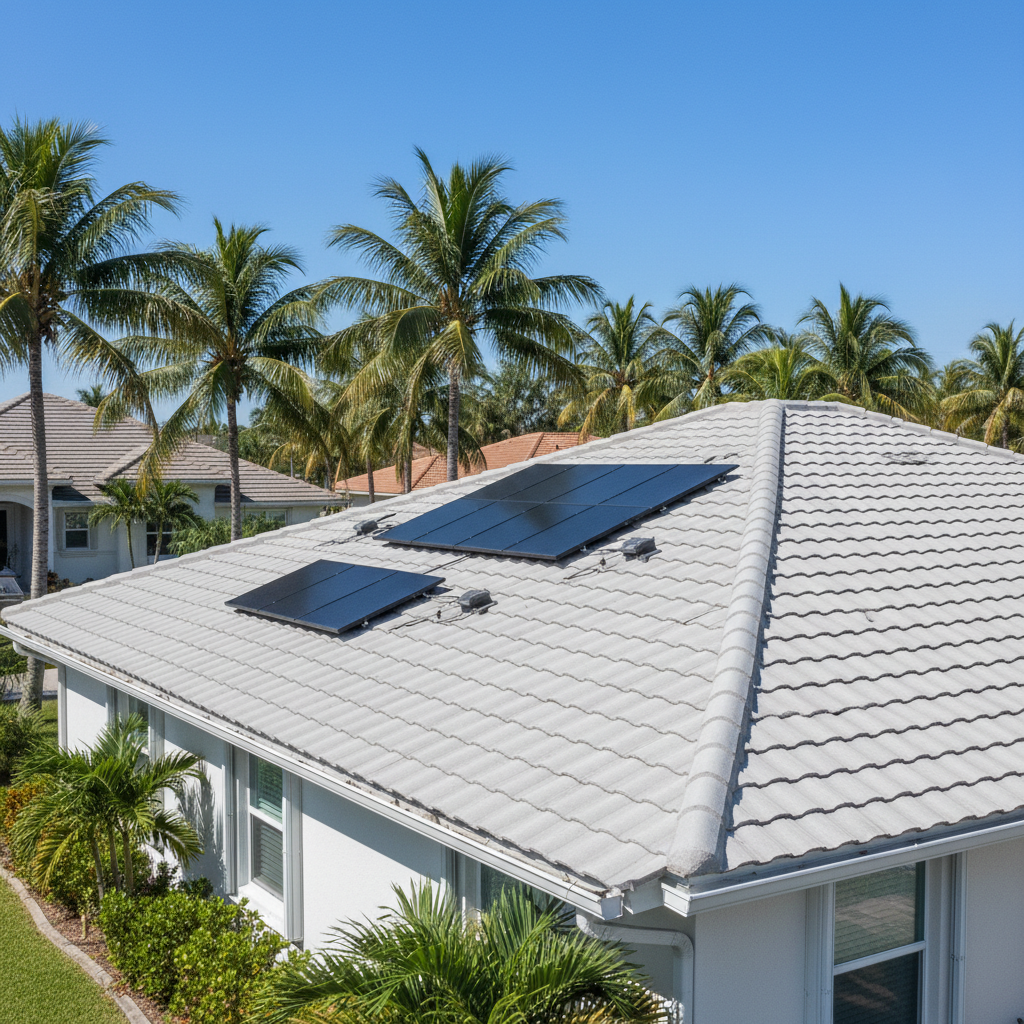
- Concrete or Clay Tiles: Known for their durability and aesthetic appeal, especially on Mediterranean or Spanish-style homes, tiles are a fantastic option here. They are highly resistant to fire, rot, and insects, and perform exceptionally well against heat. A properly installed tile roof can last anywhere from 25-50+ years, often outliving the home itself. While the tiles themselves are very long-lasting, their underlayment needs to be robust and maintained.
- Standing Seam Metal Roofs: Metal roofs, particularly standing seam, are gaining popularity in Florida for their exceptional longevity and performance. They are incredibly resistant to wind uplift, hail, and fire. With proper installation and maintenance, a standing seam metal roof can easily last 40-70+ years. They are also energy-efficient, reflecting solar heat and potentially lowering your cooling costs.
- Flat Roofs (TPO/Modified Bitumen): For homes with low-slope or flat sections, common on some modern or commercial-style residential properties, TPO (Thermoplastic Polyolefin) or modified bitumen are common choices. These materials typically have a lifespan of 15-25 years in Florida, provided they have good drainage and are regularly inspected for ponding water or seam issues.
It’s important to remember that these are averages. The quality of installation, the specific product line, and ongoing maintenance can significantly impact these numbers.
How Florida’s Climate Affects Your Roof
Our beautiful Florida weather, while great for beach days, is tough on roofing materials. Several environmental factors accelerate roof aging here:
- Intense UV Radiation: The Sunshine State truly lives up to its name, but constant exposure to strong ultraviolet (UV) rays degrades roofing materials significantly. For asphalt shingles, this means accelerated granule loss, which is the primary protective layer. For tiles and metal, it can lead to fading and surface wear over decades.
- High Heat and Humidity: Persistent high temperatures and humidity create an ideal breeding ground for mold, mildew, and algae, especially on the shaded north-facing slopes of your roof. These organic growths can trap moisture, accelerate material breakdown, and compromise the integrity of shingles and underlayment over time.
- Heavy Rains and Tropical Storms: Florida experiences frequent, heavy downpours, often accompanied by strong winds. Constant moisture exposure can lead to water intrusion if flashing is compromised, sealants fail, or if there’s standing water due to poor drainage. The sheer volume of rain can also stress gutters and downspouts, causing overflows that can damage fascia and soffits.
- Hurricane-Force Winds: This is perhaps the most significant threat to a roof’s longevity in Florida. Our stringent Florida Building Code is designed to mitigate this risk, requiring enhanced fastening techniques, specific wind ratings for materials, and often a secondary water barrier. Even if a roof doesn’t completely fail in a hurricane, the sheer force of the wind can loosen shingles, compromise seals, and shorten its overall lifespan. Sebastian, being on the coast, is particularly vulnerable to these powerful storms.
- Salt Air Exposure: For coastal communities like Sebastian, salt in the air can accelerate corrosion on metal components such as fasteners, flashing, and even some metal roofing types if they aren’t properly coated or made of appropriate materials. This can weaken critical points of your roof system.
Warning Signs of an Aging Roof
Knowing what to look for can help you identify problems early and potentially extend your roof’s life with timely repairs, or know when it’s time for a replacement. Here are common warning signs:
- Missing, Cracked, or Curled Shingles: These are clear indicators of wear and tear. Missing shingles expose the underlayment to the elements, while cracks and curling allow water to penetrate.
- Granule Loss: If you notice excessive granules in your gutters or downspouts, especially from asphalt shingles, it means the protective layer is wearing away, leaving the asphalt susceptible to UV damage.
- Dark Streaks or Extensive Algae/Mold Growth: While some algae is common, widespread dark streaks or moss growth can indicate moisture retention and material degradation.
- Water Stains on Interior Ceilings or Walls: This is a definitive sign of a leak. Don’t ignore it; water damage can quickly spread and lead to costly structural issues and mold growth inside your home.
- Sagging Roof Deck: A sagging or drooping roofline is a serious structural issue that indicates weakened decking or framing and requires immediate professional assessment.
- Damaged or Missing Flashing: Flashing around chimneys, vents, skylights, and valleys is crucial for preventing leaks. If it’s bent, cracked, or missing, your roof is vulnerable.
- Higher Energy Bills: An aging roof system can lose its insulating properties, leading to increased heat transfer into your attic and higher cooling costs. This can also be a sign of poor attic ventilation.
Ignoring these warning signs in Florida is a recipe for disaster. Small issues can quickly escalate into major problems, especially during our intense storm seasons.
Protecting Your Investment: What Sebastian Homeowners Should Do
Understanding your roof’s lifespan and the unique challenges it faces in Sebastian is just the first step. Proactive maintenance and awareness are crucial for maximizing your roof’s longevity and protecting your home. As your local Florida Roof Bros, we’ve seen it all, and we always recommend these actionable steps to our neighbors.
- Schedule Regular Professional Roof Inspections:
WHY: The single most important thing you can do. A professional inspection can identify minor issues like loose shingles, compromised flashing, or early signs of moisture intrusion before they escalate into costly repairs or major leaks. Catching problems early can significantly extend your roof’s life and prevent catastrophic damage during a storm.
HOW: We recommend an annual inspection, especially after hurricane season. Florida Roof Bros offers comprehensive, no-obligation roof inspections, giving you peace of mind and an honest assessment of your roof’s condition.
- Keep Gutters and Downspouts Clean and Clear:
WHY: Clogged gutters prevent proper water drainage off your roof. This leads to water backing up onto the roof, rotting fascia boards, damaging soffits, and potentially causing water to seep under shingles. It can also lead to foundation issues around your home.
HOW: Regularly clear leaves, pine needles, and other debris from your gutters, especially after heavy rains or windy days. Ensure downspouts are directing water away from your home’s foundation. Consider installing gutter guards to reduce maintenance.
- Trim Overhanging Tree Branches:
WHY: Branches touching or hanging over your roof pose multiple threats. They can scrape away shingle granules, drop debris that traps moisture, provide pathways for pests, and, most critically, become projectiles during high winds, causing severe roof damage.
HOW: Keep all tree branches at least 5-10 feet away from your roof surface. Regular pruning by a professional arborist is a worthwhile investment to protect your roof and home.
- Address Algae, Mold, and Moss Promptly:
WHY: In Florida’s humid climate, algae (often appearing as black streaks), mold, and moss thrive. Algae feeds on the limestone filler in asphalt shingles, degrading them over time. Moss can lift shingles, allowing water to get underneath, and both hold moisture against the roof surface, accelerating decay.
HOW: Use appropriate, manufacturer-approved cleaning solutions specifically designed for roofs. Never power wash asphalt shingles, as this can strip granules and reduce their lifespan. For persistent issues, consider installing zinc or copper strips near the ridge, which release algaecides with each rain.
- Ensure Proper Attic Ventilation:
WHY: A well-ventilated attic is crucial in Florida. Proper airflow prevents heat and moisture buildup, which can cook your shingles from the inside out, causing them to age prematurely. It also helps prevent condensation issues in the attic, reduces your home’s cooling costs, and prevents mold growth.
HOW: Ensure your attic has adequate soffit vents for intake and ridge or exhaust vents for outflow. Keep these vents clear of insulation and obstructions. A professional roofer can assess your attic ventilation and recommend improvements if needed.
- Understand Your Homeowner’s Insurance Policy:
WHY: Florida’s insurance landscape is complex, especially regarding roof damage. Knowing your policy details , including your deductible, whether your roof is covered for “replacement cost value” (RCV) or “actual cash value” (ACV), and specific timelines for filing claims (e.g., typically one year for hurricane damage) , is absolutely vital for Sebastian homeowners. This understanding will be critical if a storm hits.
HOW: Review your policy annually with your insurance agent. Ask specific questions about roof coverage, wind mitigation credits, and what happens if your roof is older. Keep all policy documents readily accessible.
- Keep Records of All Roof Work:
WHY: Having a detailed history of your roof’s installation, repairs, and inspections is invaluable. It helps you track its age, validate warranties, and provides essential documentation for insurance claims or when selling your home.
HOW: Maintain a file with all contracts, invoices, warranty documents, and inspection reports. Note the dates of any significant weather events or repairs. This simple practice can save you headaches down the road.
Frequently Asked Questions
How long does a shingle roof typically last in Sebastian, FL’s climate?
In Sebastian, FL, an asphalt shingle roof generally lasts between 15 to 25 years, depending on the quality of materials and installation. The intense sun, high humidity, and frequent severe weather, including hurricanes and tropical storms, can significantly accelerate wear and tear, sometimes reducing this lifespan if not properly maintained. Premium architectural shingles, designed for greater durability, may offer a slightly longer duration, often reaching the upper end of that range due to their robust construction and resistance to environmental stressors. Regular inspections and timely repairs are key to maximizing their longevity.
What specific factors shorten a roof’s lifespan in Florida?
The primary culprits in Florida are relentless UV radiation, which relentlessly degrades roofing materials over time, and persistently high humidity, which can foster the rapid growth of mold, mildew, and algae, leading to material breakdown. Frequent heavy rains, often torrential, and strong winds from tropical storms and hurricanes inflict significant physical stress, causing granule loss on shingles, lifting of edges, and potential structural damage to the entire roofing system. Furthermore, poor ventilation in the attic can trap excessive heat and moisture, creating an environment that further shortens the roof’s operational life by causing materials to age prematurely.
Are metal roofs a good investment for longevity in Sebastian, FL?
Absolutely, metal roofs are an excellent long-term investment for Sebastian homeowners prioritizing durability and extended lifespan. With proper installation and minimal maintenance, a high-quality metal roof can last anywhere from 40 to 70 years or even longer, far surpassing the longevity of traditional asphalt shingles. Their inherent resistance to high winds, fire, insects, and rot, combined with impressive energy efficiency benefits due due to their reflective properties, makes them exceptionally well-suited for Florida’s challenging and often severe environment. While the initial cost may be higher, their superior resilience and extended lifespan often provide a significant return on investment over the decades.
How often should I have my roof inspected in Sebastian to maximize its lifespan?
To truly maximize your roof’s lifespan in Sebastian, it is highly recommended to schedule a professional roof inspection at least once a year, ideally in the spring or fall. Beyond annual checks, an additional inspection is absolutely crucial after any significant weather event, such as a severe thunderstorm with high winds, a hailstorm, or any named tropical storm or hurricane. Promptly identifying and addressing minor issues like loose shingles, damaged flashing, or clogged gutters prevents them from escalating into major, costly repairs. Regular, proactive inspections are the best defense against premature roof failure and ensure your roofing system remains robust and protective for years to come.
Does regular maintenance truly extend my roof’s life in Florida?
Yes, consistent and proper maintenance is not just beneficial, it is absolutely paramount to extending your roof’s life, especially in the demanding Florida climate. This includes routine cleaning to prevent the detrimental growth of mold, algae, and moss, which can degrade materials and trap moisture. Regularly clearing gutters and downspouts of debris is essential to ensure proper drainage and prevent water accumulation. Trimming overhanging tree branches prevents abrasion and minimizes debris accumulation. Promptly addressing any minor damage, such as loose shingles, cracked tiles, or compromised flashing, as soon as it’s noticed, protects your investment, preserves the structural integrity of your roofing system, and helps it withstand the unique stresses of the Florida environment for many more years than an unmaintained roof.
Roofing Services Across Central Florida
Florida Roof Bros serves homeowners throughout Brevard County, Pinellas County, and surrounding Central Florida communities. If you need a roof inspection, repair, or replacement in any of these areas, our team is ready to help:
- Palm Bay, FL Roofing
- Melbourne, FL Roofing
- West Melbourne, FL Roofing
- Rockledge, FL Roofing
- Vero Beach, FL Roofing
Secure Your Home with Florida Roof Bros
Understanding how long your roof will last in Sebastian, FL, is crucial for protecting your home and your investment. As we’ve explored, factors like material choice, the relentless Florida climate, and consistent maintenance all play significant roles in determining your roof’s lifespan. While some roofs may endure for decades, others might need attention sooner, making informed decisions about your roofing system a priority for every homeowner in our beautiful, yet challenging, coastal environment.
Don’t leave the integrity of your home to chance. The best way to ensure your roof is performing optimally and to identify any potential issues before they become major problems is through a professional roof inspection. At Florida Roof Bros, we specialize in comprehensive assessments that provide you with a clear picture of your roof’s current condition, its remaining lifespan, and any recommended actions to enhance its durability and performance.
We understand the unique challenges Sebastian roofs face, and we’re here to offer expert guidance and reliable solutions. Our team provides 100% free, no-obligation roof inspections, giving you peace of mind without any upfront cost. There’s no better time than now to take a proactive step towards securing your home for years to come. Simply give us a call to schedule your complimentary inspection today. We’re ready to answer all your questions and help you make the best decisions for your property.
Ready to ensure your roof is ready for whatever Florida weather brings? Reach out to the trusted local experts. For your free roof inspection and a commitment to quality service, call Florida Roof Bros at (321) 446-1702. Trust the Pros, Call the Bros!
Need a free roof inspection? Call Florida Roof Bros at (321) 446-1702 or request a free inspection online. Family-owned, no subcontractors, Owens Corning Platinum Preferred. Trust the Pros, Call the Bros.
