

General Roofing
Roofing
How Long Does a Roof Last in Florida?
Every homeowner in Palm Bay, or really anywhere across Brevard County, knows that distinct Florida feeling when a summer thunderstorm rolls in. The sky darkens, the wind picks up, and then that familiar drumming starts on the roof. As you listen, perhaps you find yourself wondering, not just about the rain, but about the roof itself. How old is it really? How much more can it take? And what does that mean for your wallet down the line? These are the silent questions many of us ponder, especially as our homes age or as another hurricane season approaches.
Understanding the longevity of your roof isn’t just about curiosity, it’s a fundamental part of responsible homeownership and financial planning. A roof is one of the biggest investments you make in your home, protecting everything underneath it. Knowing its expected lifespan helps you budget for future replacements, understand potential insurance implications, and ultimately gives you peace of mind. This isn’t a one-size-fits-all answer, especially with the unique challenges our Florida climate presents.
This post is designed to pull back the curtain on roof lifespans specifically for homeowners here in Florida. We’ll delve into the various factors that dictate how long your roof will truly last, from the materials used to the relentless sun and storms we experience. Our goal is to provide a clear cost breakdown perspective, helping you grasp the long-term value and investment associated with different roofing options. It’s all about empowering you with the knowledge to make the best decisions for your home.
When it comes to something as vital as your roof, you need reliable, local expertise. That’s where Florida Roof Bros comes in. As a family-owned company, we understand the specific needs of homes in Palm Bay, Brevard County, and throughout Central Florida. We pride ourselves on using only in-house crews, never subcontractors, ensuring every job meets our high standards with over 25 years of combined experience. If you have immediate concerns or questions, don’t hesitate to reach out to us directly at (321) 446-1702.
By the end of this discussion, you’ll have a much clearer picture of what to expect from your roof. You’ll understand why some roofs last longer than others, how the Florida environment plays a major role, and what you can do to maximize your roof’s service life. This knowledge is crucial for anyone considering a new roof, planning for future expenses, or simply wanting to ensure their home remains well-protected against the elements for years to come.
The Unique Challenges Affecting Roof Lifespan in Florida
The concept of a “standard” roof lifespan often goes right out the window when you live in Florida. Our state presents a gauntlet of environmental challenges that significantly accelerate the wear and tear on roofing materials, often cutting short the typical lifespans seen in other parts of the country. Understanding these specific factors is the first step in comprehending the true cost breakdown over the life of your roof, as frequent replacements inherently drive up long-term expenses.
Perhaps the most relentless adversary is the sun. Florida experiences intense ultraviolet (UV) radiation year-round, which constantly degrades roofing materials. Asphalt shingles, for instance, can dry out, become brittle, and lose their protective granules much faster under this constant bombardment. This UV exposure, combined with extreme heat, causes materials to expand and contract daily, leading to cracking and weakening over time. This continuous thermal stress is a primary reason why a roof in Palm Bay might not last as long as one in a cooler climate.
Beyond the sun, Florida’s climate is defined by its abundant moisture. Heavy rains, high humidity, and tropical storms are annual occurrences. Constant moisture exposure can lead to algae and mold growth, especially on shaded roof sections, which not only looks unsightly but can also compromise material integrity. Additionally, the sheer volume of water during downpours can stress drainage systems and find weaknesses in flashing or seals, leading to leaks that shorten a roof’s life if not addressed promptly.
Then there are the winds, particularly during hurricane season. Even without a direct hit from a major storm, repeated exposure to strong gusts can lift, loosen, or tear off shingles and other roofing components. Florida’s stringent building codes, specifically designed to mitigate hurricane damage, mandate robust installation practices and materials. While these codes increase initial construction costs, they are crucial for extending roof lifespan against our unique wind challenges, making a significant difference in how long a roof can withstand severe weather events.
The choice of roofing material is intrinsically linked to how well it withstands these Floridian conditions. While a standard three-tab asphalt shingle might be rated for 20-25 years in a temperate zone, its practical lifespan in Brevard County could be closer to 15-20 years due to the relentless sun and storms. Architectural shingles, with their thicker construction and better granule adhesion, often fare better, extending to 25-30 years. Metal roofs, while having a higher upfront cost, can boast lifespans of 40-70 years, offering superior resistance to UV, wind, and moisture, making them an excellent long-term investment for the Florida climate.
This is why working with a knowledgeable local contractor is paramount. Florida Roof Bros, with our 25+ years of combined experience, understands these climate factors intimately. As an Owens Corning Platinum Preferred Contractor, we are certified to install high-performance materials designed to stand up to Florida’s unique challenges, backed by superior warranties. Our expertise ensures that the materials chosen and the installation performed are optimized for maximum durability and the best possible roof lifespan in our specific environment, ensuring you get the most value for your investment.
Understanding Your Roof’s Lifespan in the Sunshine State
For homeowners in Palm Bay and across Florida, knowing how long your roof will last isn’t just about curiosity; it’s crucial for budgeting, home protection, and peace of mind. The unique challenges of our climate mean that roof lifespans here can differ significantly from national averages. At Florida Roof Bros, we understand these local nuances and are here to break down what you can expect from various roofing materials under our intense sun and frequent storms.
Average Lifespan by Roofing Material in Florida
The material you choose for your roof is the primary determinant of its longevity. However, the Florida environment often acts as an accelerant, shortening the lifespan of even robust materials if not properly installed and maintained according to the Florida Building Code.
- Architectural Shingles: These are a popular choice due to their affordability and aesthetic appeal. While nationally they might last 25-30 years, in Florida, intense UV radiation, heat, and high winds often reduce this to 18-25 years. Modern architectural shingles are typically rated for winds up to 130 mph, a critical factor for our hurricane seasons.
- Standing Seam Metal Roofing: A fantastic investment for Florida homes, standing seam metal roofs can last 40-70 years or even longer. They are highly resistant to wind, fire, and pests, and their reflective properties can significantly reduce energy costs. Their interlocking panels offer superior protection against water intrusion and wind uplift, making them ideal for coastal areas like Palm Bay.
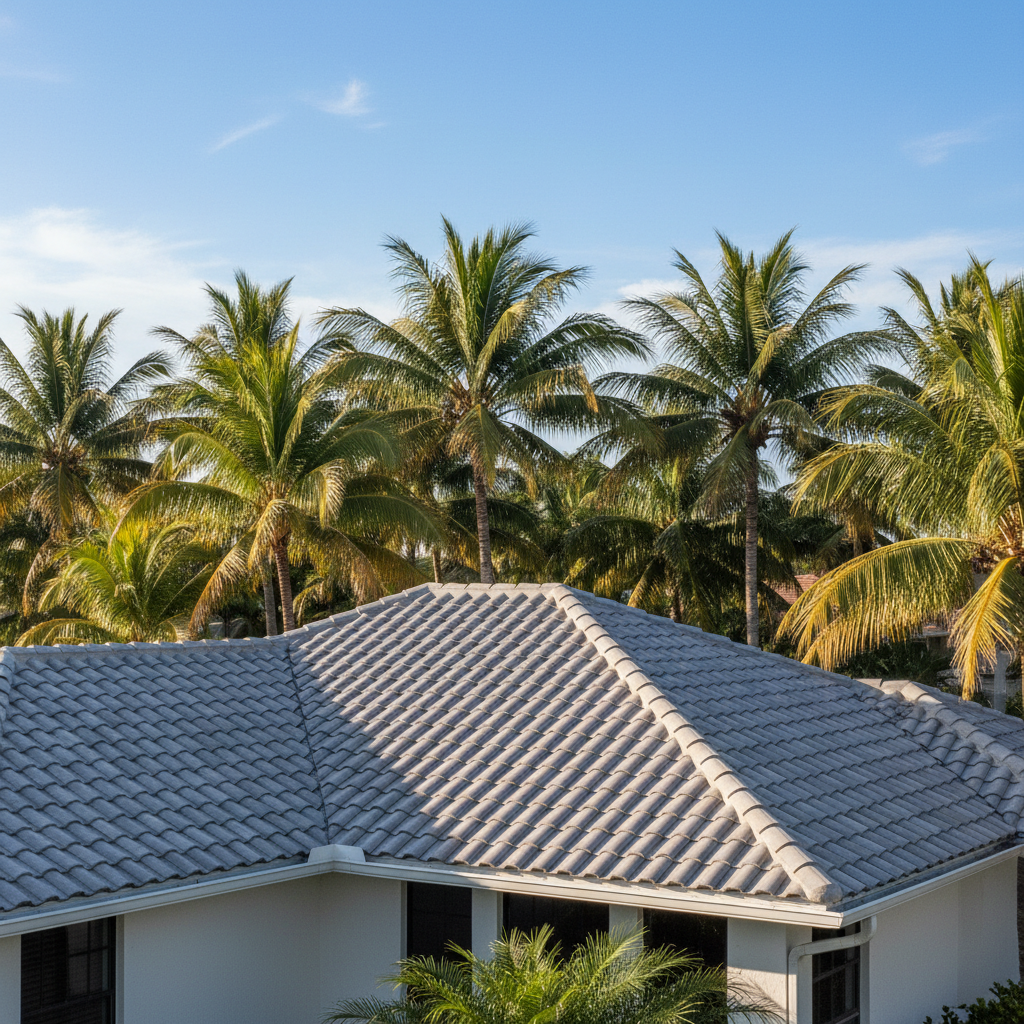
- Concrete and Clay Tiles: Known for their exceptional durability and distinctive Mediterranean look, concrete and clay tiles boast an impressive lifespan of 50 years or more. They are extremely resistant to fire, rot, and insects, and their heavy nature provides excellent wind resistance. While a higher initial investment, their longevity and aesthetic appeal often make them a worthwhile choice for many Florida homeowners.
- Low-Slope/Flat Roofs (Modified Bitumen, TPO): Often seen on commercial buildings or specific residential architectural styles, these roofs typically last 15-25 years. They require meticulous installation and regular maintenance to prevent leaks, especially in our heavy rainy seasons. The Florida Building Code specifies particular installation methods and materials for low-slope applications to withstand our environmental stresses.
How Florida’s Climate Challenges Your Roof
Our beautiful Florida weather, while a draw for residents and tourists, is relentlessly hard on roofing systems. The combination of intense sunlight, high humidity, heavy rainfall, and the constant threat of high winds works together to accelerate roof degradation.
The scorching sun and its powerful ultraviolet (UV) rays are a primary culprit, causing asphalt shingles to dry out, crack, and lose their protective granules. This thermal stress leads to expansion and contraction, weakening materials over time. High humidity and consistent moisture create perfect breeding grounds for algae, mold, and mildew, which can discolor shingles and, in severe cases, cause materials to break down prematurely. These dark growths also absorb more heat, further exacerbating UV damage.
Most significantly, Florida is ground zero for tropical storms and hurricanes. The Florida Building Code is one of the strictest in the nation precisely because of this threat, mandating specific wind resistance ratings and installation techniques. Roofs must be able to withstand sustained winds and powerful gusts, often requiring upgraded fasteners, secondary water barriers, and adherence to specific uplift requirements. A Category 3 hurricane, with winds up to 129 mph, can strip an inadequately installed roof in minutes, highlighting the critical importance of code-compliant construction.
Warning Signs of an Aging Roof
Ignoring the subtle signs of roof aging can lead to much larger, more expensive problems down the line. Being proactive and knowing what to look for can save you significant time and money.
- Missing, Cracked, or Curled Shingles: These are clear indicators of wear and tear, often caused by wind damage or prolonged sun exposure.
- Granule Loss: For asphalt shingles, finding granules in your gutters or seeing “bald spots” on your roof means the protective layer is eroding, making your roof vulnerable.
- Dark Streaks or Algae Growth: While often cosmetic, extensive algae or mold can indicate moisture retention and can accelerate material degradation.
- Water Stains on Ceilings or Walls: This is a definitive sign of a leak, meaning water has penetrated your roof and possibly your attic.
- Sagging Roof Deck: A sagging or drooping roofline can indicate structural issues, possibly from water damage or inadequate support.
- Higher Energy Bills: An inefficient or damaged roof can lead to poor insulation, causing your HVAC system to work harder and increasing your utility costs.
If you notice any of these warning signs, particularly after a significant weather event in Palm Bay, it’s time to call in the professionals. Addressing these issues early can extend your roof’s life and prevent costly interior damage.
Proactive Steps for Palm Bay Homeowners to Extend Roof Lifespan
Extending the life of your roof in Florida isn’t just about hoping for the best; it requires proactive maintenance and smart decisions. As local roofers at Florida Roof Bros, we’ve seen firsthand how vigilance can save homeowners thousands. Here are actionable steps Palm Bay residents can take to protect their investment.
-
Schedule Regular Professional Roof Inspections:
WHY: An annual inspection can identify minor issues like loose shingles, damaged flashing, or early signs of granule loss before they escalate into major leaks or structural damage. This is especially vital after hurricane season or any severe storm.
HOW: Contact Florida Roof Bros for a thorough, no-obligation inspection. Our experienced team can spot problems that are invisible from the ground and provide an honest assessment of your roof’s condition.
-
Keep Your Gutters and Downspouts Clear:
WHY: Clogged gutters cause water to back up, overflowing onto fascia boards and potentially seeping under your roof’s edge. This can lead to wood rot, foundation issues, and create prime conditions for mold and mildew growth.
HOW: Regularly clear leaves, twigs, and debris from your gutters, particularly after heavy rains or windy days. Consider installing gutter guards to reduce the frequency of cleaning.
-
Trim Overhanging Tree Branches:
WHY: Branches touching or hanging over your roof can scrape away granules, drop leaves that clog gutters, and provide easy access for pests. During storms, these branches become dangerous projectiles that can cause severe damage.
HOW: Hire a professional arborist to trim any branches that are within 10 feet of your roofline. This reduces debris accumulation and protects against storm damage.
-
Address Algae, Mold, and Mildew Promptly:
WHY: Florida’s humidity creates a perfect environment for biological growth. While often cosmetic, extensive algae can trap moisture, accelerate shingle degradation, and make your roof less reflective, increasing attic temperatures.
HOW: Do NOT use a high-pressure washer, as this can strip granules and damage shingles. Instead, opt for a professional soft-wash treatment using appropriate cleaning solutions. Florida Roof Bros can recommend safe and effective cleaning methods.
-
Understand Your Homeowner’s Insurance Policy:
WHY: In Florida, navigating insurance claims after storm damage can be complex. Knowing your policy details, including deductibles (especially hurricane deductibles) and claim timelines, is critical for a smooth process.
HOW: Review your policy annually with your agent. Understand the difference between “actual cash value” and “replacement cost” for your roof, as this significantly impacts your payout after a covered loss. Document your roof’s condition with photos and inspection reports.
-
Ensure Proper Attic Ventilation:
WHY: Poor attic ventilation traps hot, humid air, which can cause shingles to cook from the underside, shortening their lifespan. It also contributes to higher energy bills and can lead to moisture buildup and condensation within the attic.
HOW: Check that your soffit vents are clear and not blocked by insulation, and that ridge vents or roof vents are functioning correctly. Proper airflow helps dissipate heat and moisture, preserving both your roof and your energy budget.
-
Plan for Future Roof Replacement:
WHY: Even with meticulous maintenance, every roof has a finite lifespan. Planning ahead allows you to budget effectively, research the best materials for Florida’s climate, and avoid the stress of an emergency replacement.
HOW: As your roof approaches its estimated lifespan, start getting quotes and researching options like energy-efficient metal or tile roofing. Stay informed about the latest Florida Building Code requirements, as these often influence material choices and installation methods for new roofs.
Frequently Asked Questions
How does Florida’s climate specifically impact the lifespan of a roof in Palm Bay?
Florida’s intense sun exposure, high humidity, frequent heavy rains, and strong winds from tropical storms and hurricanes significantly accelerate roof wear. UV radiation breaks down materials, humidity fosters mold and mildew growth, and severe weather can cause immediate damage or weaken structural integrity over time. These factors mean roofs in Palm Bay often have a shorter lifespan compared to those in milder climates.
What are the average lifespans for common roof materials like asphalt shingles and metal roofs in Palm Bay?
In Palm Bay, traditional asphalt shingle roofs typically last between 15-25 years, depending on their quality and maintenance, which is on the lower end of their general lifespan due to the harsh climate. Metal roofs, known for their durability, can often exceed 40-60 years, making them a popular long-term investment despite the upfront cost. Concrete and clay tiles can also offer a robust lifespan, often lasting 50 years or more with proper care.
How often should I have my roof inspected in Palm Bay to maximize its lifespan?
For homeowners in Palm Bay, it’s highly recommended to have your roof professionally inspected at least once a year, ideally before hurricane season or after any significant storm event. Regular inspections help identify minor issues like loose shingles, granule loss, or blocked gutters early, preventing them from escalating into costly repairs. Proactive checks are crucial for extending your roof’s service life and maintaining its warranty.
Can regular roof maintenance truly extend the life of my asphalt shingle roof in Florida?
Absolutely. Consistent maintenance, such as clearing debris from gutters, removing mold and algae, and promptly addressing minor repairs, can significantly extend the lifespan of your asphalt shingle roof. Preventing water accumulation, ensuring proper ventilation, and cleaning away corrosive growths help preserve the integrity of the shingles and the underlying structure. This proactive approach delays the need for a full replacement.
At what point should I consider roof replacement over repairs for an aging roof in Palm Bay?
You should consider roof replacement when repairs become frequent, extensive, or no longer cost-effective, especially if your roof is nearing or past its expected lifespan for Palm Bay’s climate. Widespread granule loss, curling or buckling shingles, multiple leaks, or visible sagging are clear indicators that a replacement is a more prudent investment than continuous patching. A professional inspection can definitively guide this decision.
Roofing Services Across Central Florida
Florida Roof Bros serves homeowners throughout Brevard County, Pinellas County, and surrounding Central Florida communities. If you need a roof inspection, repair, or replacement in any of these areas, our team is ready to help:
- Melbourne, FL Roofing
- West Melbourne, FL Roofing
- Rockledge, FL Roofing
- Vero Beach, FL Roofing
- Sebastian, FL Roofing
Your Roof’s Longevity Starts Here
Understanding how long your roof will last in Florida’s challenging climate, particularly in Palm Bay, is essential for every homeowner. While factors like material choice, installation quality, and environmental stressors all play a role, the overarching takeaway is clear: proactive care and timely professional attention are the most powerful tools you have to maximize your roof’s lifespan. Don’t wait for a small issue to become a major headache under the relentless Florida sun and storms.
If you’re in Palm Bay or the surrounding areas and have concerns about your roof’s condition, or simply want peace of mind, Florida Roof Bros is here to help. We offer 100% free, no-obligation roof inspections to assess its current state, identify any potential weaknesses, and provide expert recommendations. Our experienced team understands the unique demands Florida weather places on your home, ensuring you receive honest, transparent advice tailored to your needs.
Take the first step towards securing your home’s protection and extending your roof’s life. Don’t let uncertainty linger; a quick check-up can save you significant time and money in the long run. For a comprehensive, free inspection by trusted local professionals, reach out to us today. We are ready to answer your questions and provide the exceptional service you deserve for your most important asset.
Ready to ensure your roof is ready for whatever Florida throws its way? Call Florida Roof Bros now at (321) 446-1702. Trust the Pros, Call the Bros!
Need a free roof inspection? Call Florida Roof Bros at (321) 446-1702 or request a free inspection online. Family-owned, no subcontractors, Owens Corning Platinum Preferred. Trust the Pros, Call the Bros.
