

General Roofing
Roofing
How Long Does a Roof Last in Florida?
The afternoon sun in West Melbourne, FL, can be intense, baking down on homes day after day. Then, almost without warning, the skies open up, unleashing torrential rain and whipping winds that test every inch of your property. If you’re like many homeowners, these weather events often prompt a quick glance up at your roof, perhaps a walk around the house to check for fallen debris, and maybe a lingering thought: How much longer will my roof truly last in this Florida climate? It’s a critical question, not just for your peace of mind, but for the long-term protection of your most valuable asset.
Understanding the expected lifespan of your roof is more than just knowing a number; it’s about grasping the unique challenges our state presents and how proactive care can significantly extend your roof’s service. From the relentless UV radiation that degrades materials to the constant humidity fostering algae growth, and the inevitable impact of hurricane season, Florida roofs face a gauntlet unlike almost anywhere else in the country. This isn’t a problem to ignore; it’s a reality every homeowner in Brevard County and across Central Florida must confront to maintain a safe, dry home.
This guide aims to demystify the factors influencing your roof’s longevity, helping you understand what to expect from different roofing materials and, crucially, what you can do to maximize its life. We’ll explore the tell-tale signs that your roof might be nearing the end of its journey, and provide practical insights into maintaining its health. Knowing the average roof lifespan Florida homeowners can expect, and how to identify potential issues early, can save you significant stress and expense down the line, turning potential emergencies into manageable maintenance.
For over 25 years combined, our team at Florida Roof Bros has seen firsthand how the Florida elements impact roofs across West Melbourne and the surrounding areas. We understand the specific wear and tear, and the critical importance of timely, expert attention. As a family-owned business, we believe in empowering homeowners with knowledge, ensuring you have the information needed to make informed decisions about your property’s most vital defense system. If you ever have questions or need a professional assessment, don’t hesitate to call us directly at (321) 446-1702.
By the end of this post, you’ll have a clearer picture of how long your roof should last, the specific environmental factors at play, and a foundational understanding of the maintenance steps that can help you get the most out of your investment. We’ll delve into material specifics, the role of proper installation, and how a proactive maintenance checklist can be your best friend against the elements. This isn’t just about repairs; it’s about intelligent stewardship of your home.
The Relentless Florida Climate and Your Roof’s Lifespan
The Sunshine State’s beautiful weather comes with a significant trade-off for your roof. While the rest of the country might worry about heavy snow loads or freezing temperatures, Florida roofs endure a unique combination of challenges that accelerate wear and tear, directly impacting their overall roof lifespan Florida residents can expect. Understanding these environmental stressors is the first step in appreciating why proactive maintenance and quality installation are paramount for any home in West Melbourne or elsewhere in Brevard County.
One of the most destructive forces is the sun’s intense ultraviolet (UV) radiation. Day after day, year after year, UV rays break down the asphalt in shingles, causing them to dry out, become brittle, and lose their protective granules. This granular loss is a key indicator of an aging roof, as these tiny ceramic particles are designed to reflect UV light and protect the asphalt layer beneath. Without them, the roof’s integrity rapidly diminishes, opening it up to further damage from other elements.
Beyond the sun, Florida’s high humidity and frequent rainfall create an ideal environment for biological growth. Algae, mold, and mildew thrive on roofing surfaces, especially on the north-facing slopes or shaded areas. While often appearing as unsightly black streaks, these organisms can retain moisture, accelerate granule loss, and even break down the roofing material over time. Regular cleaning and preventative measures, sometimes involving copper or zinc strips, become crucial components of a comprehensive maintenance plan.
Then there are the storms. From daily afternoon downpours to tropical depressions and hurricanes, Florida roofs are constantly battered by wind, rain, and hail. High winds can lift and tear shingles, compromise flashing, and even cause structural damage. Water intrusion from heavy rains can lead to rot, mold within the attic, and damage to interior ceilings and walls. Even small hailstones, often overlooked, can create tiny impact marks that weaken shingles, leading to premature failure and drastically shortening your roof’s expected lifespan.
Furthermore, Florida’s stringent building codes, particularly in hurricane-prone areas, dictate specific installation methods and material requirements designed to enhance a roof’s resilience. While these codes add to initial construction costs, they are vital for ensuring a roof can withstand the unique local challenges. A properly installed roof, adhering to all current codes and utilizing high-quality materials, will inherently have a longer roof lifespan Florida homes need compared to one that cuts corners or uses subpar components. This is why choosing a reputable contractor who understands and implements these standards, like Florida Roof Bros, is non-negotiable.
Considering these pervasive environmental factors, the longevity of a roof in Florida is inherently different from that in a milder climate. What might be a 30-year shingle in a northern state could realistically only last 15-20 years here, depending on its quality, installation, and maintenance. This reality underscores the importance of not just knowing your roof’s age but also diligently inspecting it for the specific signs of wear and tear caused by our beautiful, yet brutal, Florida environment.
Understanding Your Roof’s Lifespan in the Florida Climate
When you invest in a roof for your West Melbourne home, you expect it to last. But “how long” isn’t a simple answer, especially here in Florida. The lifespan of your roof isn’t just about the materials used; it’s heavily influenced by our relentless sun, torrential rains, and hurricane-force winds. Understanding these factors is key to predicting your roof’s longevity and planning for its eventual replacement.
Average Lifespan by Material in Florida
Different roofing materials offer varying levels of durability, and their performance in Florida’s extreme climate often differs from national averages. Here’s what you can generally expect from the most common roofing types we install across Brevard County:
- Architectural Shingles: These are the most popular choice for residential homes due to their cost-effectiveness and aesthetic appeal. While nationally they might last 30-50 years, in Florida, exposed to intense UV radiation and heat, you’re typically looking at 20-30 years. Quality installation, proper attic ventilation, and regular maintenance can push them towards the higher end of that range.
- Standing Seam Metal Roofs: Known for their exceptional durability and energy efficiency, metal roofs are an excellent long-term investment. They can easily last 40-70 years here in Florida, often outliving the homeowners themselves. Their resistance to wind, fire, and rot makes them a top performer against our climate challenges, though initial costs are higher.
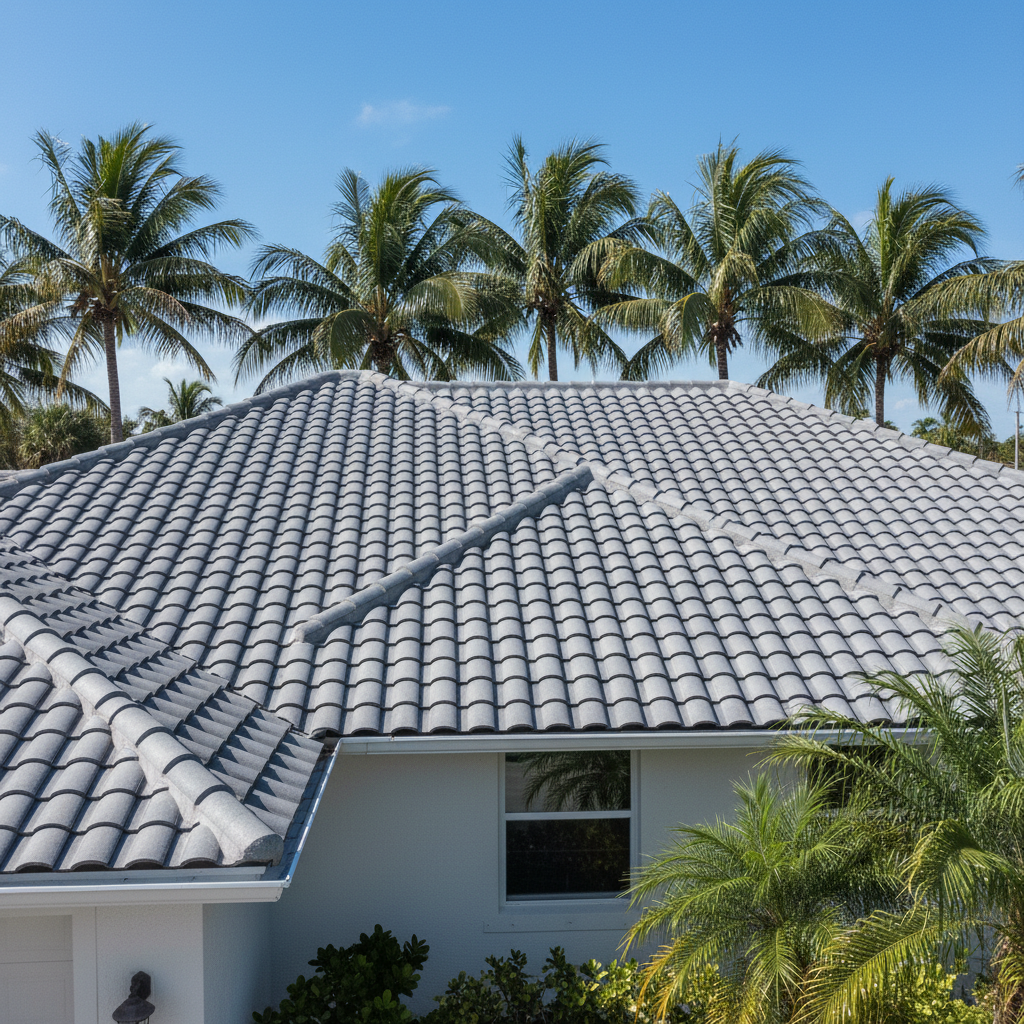
- Concrete or Clay Tile Roofs: These roofs are synonymous with Florida architecture and boast an impressive lifespan, often exceeding 50 years, sometimes even 100 years if well-maintained. Tiles are incredibly resistant to fire, rot, and insects, and their heavy mass helps them withstand high winds. However, the underlayment, which is crucial for water shedding, will likely need replacement sooner, around the 20-30 year mark.
- Flat Roofs (TPO/PVC): Common on commercial buildings or specific modern residential designs, single-ply membrane roofs like TPO (Thermoplastic Polyolefin) or PVC (Polyvinyl Chloride) offer strong waterproofing. In Florida, their lifespan is generally 15-25 years, depending on thickness, color, and exposure to ponding water and UV rays.
How Florida’s Climate Affects Your Roof
Our unique climate is both a blessing and a curse for roofing materials. The constant exposure to intense elements accelerates wear and tear in ways homeowners in other regions might not experience:
- UV Radiation and Heat: The relentless Florida sun is a primary culprit. UV rays break down the bonds in asphalt shingles, causing granules to shed and the material to become brittle. High ambient temperatures lead to continuous expansion and contraction of roofing components, stressing fasteners and seals, and often reducing the effective lifespan of materials by 10-20% compared to cooler climates.
- Humidity and Rain: Our abundant moisture creates a breeding ground for algae, moss, and mildew. While not immediately damaging, these growths trap moisture, accelerate granule loss on shingles, and can lead to deterioration of the roofing material over time. Consistent heavy rains also test the integrity of flashing and sealants, making any small defect a potential leak point.
- Wind and Hurricanes: This is perhaps the most significant factor. The Florida Building Code sets stringent requirements for wind resistance, especially in coastal areas like West Melbourne. Roofs must be installed to withstand specific wind speeds, often up to 130-150 mph (Category 3-4 hurricane winds). High winds can lift shingles, tear off sections of metal, or even compromise the entire roof structure, even if a direct hit isn’t experienced. Older roofs, installed before current codes, are particularly vulnerable.
- Salt Air: For homes near the coast in West Melbourne, salt in the air can corrode metal components like fasteners, flashing, and even metal roofing panels over time, requiring vigilant inspection and maintenance.
Warning Signs Your Roof is Aging
Being proactive about roof maintenance means knowing what to look for. Your roof will usually give you clues before it fails completely. Pay attention to these common warning signs:
- Granule Loss: For asphalt shingles, excessive granules in your gutters or downspouts indicate the protective layer is wearing off, leaving the asphalt susceptible to UV damage.
- Curling, Cracking, or Buckling Shingles: These are clear indicators of heat and UV damage, causing the shingles to lose their flexibility and protective properties.
- Missing Shingles or Tiles: Even one missing piece compromises the entire roof’s integrity and exposes the underlayment to direct weather.
- Rust or Corrosion: On metal flashing, vents, or fasteners, rust signifies material degradation and potential leak points.
- Algae, Moss, or Dark Streaks: While some algae is cosmetic, heavy growth can indicate trapped moisture and accelerate roof degradation.
- Water Stains on Interior Ceilings or Walls: This is a definitive sign of a roof leak, and it requires immediate attention to prevent further structural damage and mold growth.
- Sagging Roof Deck: If you notice any dips or sags in your roofline, it could indicate structural issues, water damage to the decking, or compromised support.
What Florida Homeowners Should Do: Your Roof Maintenance Checklist
Protecting your roof in Florida isn’t a “set it and forget it” task. Proactive maintenance is crucial to maximizing its lifespan and safeguarding your home in West Melbourne. Here are actionable steps every Florida homeowner should take:
-
Schedule Regular Professional Roof Inspections:
- Why: A trained eye can spot subtle issues that you might miss, like compromised flashing, loose fasteners, or early signs of water intrusion. Catching problems early prevents them from escalating into costly repairs or premature roof replacement.
- How: We recommend a professional inspection at least once every 1-2 years, and always after any significant storm event, even if you don’t see obvious damage.
-
Keep Gutters and Downspouts Clear:
- Why: Clogged gutters cause water to back up, overflow, and pool on your roof or against your fascia and foundation. This standing water can lead to wood rot, saturated underlayment, and premature deterioration of your roof’s edge.
- How: Clear out leaves, twigs, and debris from your gutters quarterly, or more frequently if you have overhanging trees. Ensure downspouts are also clear and directing water away from your home’s foundation.
-
Trim Overhanging Trees and Branches:
- Why: Branches scraping against your roof can abrade shingles, remove granules, and scratch metal coatings. During high winds or hurricanes, falling branches are a major cause of roof damage. They also provide pathways for pests and allow more debris to accumulate on your roof.
- How: Keep all branches trimmed at least 6-10 feet away from your roof surface. Regularly inspect trees for dead or weak limbs that could break off in a storm.
-
Address Algae, Moss, and Mold Growth Promptly:
- Why: While often unsightly, these growths can trap moisture against your roof’s surface, accelerating material degradation, especially on shingles. They can also indicate underlying moisture issues.
- How: For widespread growth, hire a professional roof cleaning service that uses soft washing techniques to avoid damaging your roof. Never pressure wash an asphalt shingle roof. For prevention, consider installing zinc or copper strips near the ridge, which release algaecidal compounds with rain.
-
Ensure Proper Attic Ventilation:
- Why: Good attic ventilation is critical in Florida. It helps dissipate heat buildup in the attic, which can reach extreme temperatures and “cook” your roof from underneath, drastically shortening shingle life. It also helps prevent moisture accumulation that can lead to mold and wood rot.
- How: Ensure soffit vents are clear and unobstructed, and that ridge vents or other exhaust vents are functioning correctly. Avoid blocking vents with insulation. An energy audit can help identify ventilation deficiencies.
-
Understand Your Homeowner’s Insurance Policy:
- Why: Florida’s unique insurance landscape means understanding your coverage, especially for wind and hurricane damage, is paramount. Knowing your deductible, coverage limits, and claim process beforehand saves immense stress after a storm.
- How: Review your policy annually. Pay close attention to hurricane deductibles (often a percentage, not a fixed dollar amount), actual cash value (ACV) vs. replacement cost value (RCV) for your roof, and specific exclusions. Document your roof’s condition with photos before hurricane season.
-
Be Prepared for Hurricane Season:
- Why: Beyond inspections, having a hurricane plan specific to your roof can mitigate damage. High winds are a given during hurricane season, and securing your property minimizes flying debris that can impact your roof.
- How: Secure or bring in any loose items in your yard. If you have shutters, ensure they are in good working order. For older roofs, consider a professional evaluation of your roof-to-wall connections and decking attachments to ensure they meet current Florida Building Code uplift requirements.
Frequently Asked Questions
How long does a shingle roof typically last in West Melbourne, FL, with its unique weather?
Asphalt shingle roofs in West Melbourne typically last between 15 and 25 years, though this can vary significantly. The intense Florida sun, high humidity, and frequent severe weather events, including tropical storms and hurricanes, significantly accelerate the wear and tear on shingles. Factors like the quality of the shingles, the installation process, and consistent maintenance play crucial roles in determining whether your shingle roof reaches its full potential lifespan or requires earlier replacement.
What is the average lifespan of a tile roof in Florida’s climate, especially near the coast?
Tile roofs, whether made of clay or concrete, are renowned for their exceptional durability and can last 30 to 50 years, or even longer, in Florida’s challenging climate. While the individual tiles themselves are incredibly resilient to sun, salt air near the coast, and storm impacts, it is typically the underlayment beneath them that may eventually degrade and require attention. Proper installation techniques and periodic maintenance, like cleaning and checking for cracked tiles, are vital to ensure both the tiles and the underlying system perform optimally for many decades.
How much does a metal roof cost in West Melbourne, FL, compared to its longevity benefits?
Metal roofs represent a more significant upfront investment in West Melbourne compared to asphalt shingles, with costs varying widely based on the specific material (e.g., aluminum, steel, copper), panel style, and installation complexity. However, this initial cost is powerfully offset by their impressive longevity, often lasting 40 to 70 years, far exceeding most other roofing types. Their superior durability, energy efficiency in reflecting sun, and minimal maintenance requirements typically provide substantial long-term savings, increased home value, and a lower total cost of ownership over their lifetime.
Does regular roof maintenance really extend the life of my roof in Brevard County?
Absolutely, regular roof maintenance is paramount for significantly extending the lifespan of your roof in Brevard County’s harsh environment. Routine inspections can catch minor issues like loose flashing, early granule loss, or minor storm damage before they escalate into major leaks or structural problems. Keeping gutters clear of debris, removing moss or algae growth promptly, and addressing any small repairs as they arise prevents premature deterioration and ensures your roof continues to protect your home effectively and efficiently for as long as possible.
What are the key signs my roof in West Melbourne needs replacement, even if it’s not at its maximum lifespan?
Beyond merely its age, several critical signs indicate your West Melbourne roof may need replacement, even if it hasn’t reached its theoretical maximum lifespan. Look for obvious issues like cracked, curled, or missing shingles, significant granular loss accumulating in your gutters, or a noticeable sagging in certain sections of the roof deck. Inside your home, water stains on ceilings or walls, especially after heavy rains, are definitive indicators of a failing roof’s integrity. If your roof is past 15 years and exhibits these symptoms, a professional, comprehensive inspection is highly recommended to assess its condition.
Roofing Services Across Central Florida
Florida Roof Bros serves homeowners throughout Brevard County, Pinellas County, and surrounding Central Florida communities. If you need a roof inspection, repair, or replacement in any of these areas, our team is ready to help:
- Palm Bay, FL Roofing
- Melbourne, FL Roofing
- Rockledge, FL Roofing
- Vero Beach, FL Roofing
- Sebastian, FL Roofing
Protecting Your Investment: Your Next Steps
The lifespan of your roof in West Melbourne, FL, is a complex equation influenced by material, installation quality, local weather patterns, and consistent maintenance. While asphalt shingles might offer 15-25 years and tile or metal roofs can exceed 30-50 years, the unique challenges of Florida’s intense sun, humidity, and storm activity mean these are often just estimates. Understanding these specific factors for your property is crucial for making informed decisions about your home’s most vital protective layer and ensuring its long-term resilience.
Don’t leave the integrity and safety of your home to guesswork. If you’re unsure about the current condition of your roof, suspect hidden storm damage from recent weather events, or simply want to proactively plan for its future, a professional assessment is absolutely invaluable. Our seasoned team at Florida Roof Bros not only understands the specific demands placed on roofs in Brevard County but also provides clear, honest, and expert evaluations that empower you. We’re here to help you navigate the complexities of Florida roofing.
We believe in empowering homeowners with knowledge and transparent service, not high-pressure sales. That’s why Florida Roof Bros offers 100% free, no-obligation roof inspections to residents across West Melbourne and the surrounding areas. Let us thoroughly assess your roof’s health, identify any potential issues before they escalate, and provide expert recommendations tailored precisely to your property’s unique needs and your budget. For unparalleled peace of mind and reliable, durable roofing solutions that stand up to Florida’s elements, Trust the Pros, Call the Bros today at (321) 446-1702. We’re ready to help protect your most significant investment: your West Melbourne home.
Need a free roof inspection? Call Florida Roof Bros at (321) 446-1702 or request a free inspection online. Family-owned, no subcontractors, Owens Corning Platinum Preferred. Trust the Pros, Call the Bros.
