

General Roofing
Roofing
How Long Does a Roof Last in Florida?
The Florida sun can be relentless, baking down on your Rockledge home day after day, year after year. Then come the sudden afternoon thunderstorms, often bringing heavy rain and strong gusts that seem to test every inch of your property. Living in Brevard County means your roof endures a unique kind of punishment, far different from what a roof in a milder climate might face. It’s no wonder many homeowners find themselves constantly wondering exactly how long their roof is truly built to last under these extreme conditions, and if the advice they’ve heard is actually true.
There’s a lot of folklore and misinformation out there about roof longevity, especially when you factor in our state’s specific challenges like intense UV radiation, frequent heavy downpours, and the ever-present threat of hurricane season. You might have heard the common myth that all roofs last a standard 20 years, or that a metal roof is indestructible, but the reality is often far more nuanced and depends heavily on a multitude of factors. Understanding these variables isn’t just about curiosity; it’s crucial for protecting your most significant investment and making informed decisions about maintenance and replacement. This post will cut through those popular misconceptions and give you a clear, data-backed picture of what to expect from your roof’s lifespan in Florida.
We’ll explore the real impact of our challenging climate, debunking the common myths that can lead to costly mistakes or premature roof failures. You’ll learn about the average lifespans of different roofing materials when exposed to Florida’s elements, how severe weather truly affects their durability, and the tell-tale signs that your roof might be nearing the end of its functional life. Our goal is to equip you with the accurate knowledge to proactively manage your roof, ensuring it continues to provide reliable protection for your family and home for as long as possible.
Too often, homeowners in areas like Rockledge delay addressing minor roof issues because they operate under outdated assumptions about how long roofs should last, only to find themselves facing a much larger, more expensive problem later on. This common oversight is frequently rooted in believing generalized information that doesn’t account for Florida’s unique environmental stresses. By understanding the true factors at play, you can avoid these pitfalls, prevent unnecessary damage, and make timely, cost-effective decisions that preserve your home’s integrity and value. Don’t wait for a major leak to tell you it’s time to think critically about your roof’s condition.
At Florida Roof Bros, our family-owned team has over 25 years of combined experience keeping Brevard County homes, including those right here in Rockledge, safe and dry. We operate with all in-house crews, meaning no subcontractors, ensuring consistent quality and accountability on every job. As an Owens Corning Platinum Preferred Contractor with an A+ rating from the BBB and over 300 five-star Google reviews, we pride ourselves on providing honest, expert advice based on real-world experience. We are fully licensed, insured, certified, and bonded (FL license CCC1332911), giving you peace of mind. If you ever have questions specific to your home, please don’t hesitate to call us at (321) 446-1702. Trust the Pros, Call the Bros.
Understanding Florida’s Unique Roofing Challenges and Lifespan Myths
When discussing roof lifespan in Florida, it’s crucial to move beyond generic expectations and delve into the specific environmental factors that accelerate wear and tear. Our state’s climate is a relentless adversary for any roofing system. The intense ultraviolet (UV) radiation from the constant sun degrades materials like asphalt shingles at an accelerated rate, causing them to dry out, crack, and lose their protective granules much faster than in cooler climates. This isn’t just a cosmetic issue; it directly impacts the shingle’s ability to shed water and protect against leaks.
Beyond the sun, Florida’s frequent heavy rains and high humidity play a significant role. Prolonged moisture exposure can lead to algae and mold growth, especially on the north-facing slopes of roofs in areas like Rockledge. While often appearing as dark streaks, this growth can retain moisture, further deteriorating roofing materials over time. Furthermore, the sheer volume of rainfall tests the integrity of flashing, sealants, and gutters, pushing them to their limits season after season. Many homeowners underestimate how much moisture, not just sun, contributes to a roof’s decline.
Perhaps the most impactful factor, however, is our susceptibility to severe weather events, particularly tropical storms and hurricanes. Even if a storm doesn’t result in catastrophic damage, the sustained high winds can lift and loosen shingles, compromise underlayment, and dislodge flashing. These seemingly minor damages can create vulnerabilities that lead to leaks months or even years down the line, significantly shortening a roof’s expected lifespan. It’s a common myth that only direct hits cause damage; cumulative wind stress is a silent killer for many Florida roofs.
Florida’s stringent building codes, particularly those enacted after Hurricane Andrew, are a direct response to these environmental challenges and directly influence roof lifespan. While new roofs are built to higher standards, including requirements for secondary water barriers, enhanced fastening, and impact-resistant materials, older roofs may not meet these codes. This disparity means an older roof, even if it appears sound, might be far more vulnerable to a hurricane than a newer, code-compliant installation, leading to a drastically shorter effective lifespan in the face of severe weather.
Material choice is another area where myths abound. For instance, while metal roofs are indeed highly durable, the idea that they last “forever” is a misconception. Even metal roofs require proper installation, maintenance, and can be affected by coastal salt spray or impact from debris. Similarly, tile roofs, while offering excellent longevity, are only as good as their underlayment, which is often the first component to fail in Florida’s heat and humidity. Understanding that every material has specific vulnerabilities here is key to managing expectations about its actual lifespan.
The cost of a roof replacement is a significant investment for any homeowner in Brevard County, and understanding the true factors influencing lifespan helps you protect that investment. Believing myths about universal longevity or material indestructibility can lead to deferring necessary maintenance or replacements, ultimately resulting in higher costs down the road through water damage or emergency repairs. Our in-house crews at Florida Roof Bros are experts in navigating these complexities, ensuring your roofing system is properly installed to withstand Florida’s unique pressures and maximize its life expectancy. We focus on quality and adherence to the latest codes, not just quick fixes.
Understanding Your Roof’s Lifespan in the Sunshine State
Living in Rockledge, you know Florida isn’t like anywhere else, and that goes double for your roof. While a roof in a milder climate might sail past its expected lifespan, our unique blend of intense sun, torrential downpours, high humidity, and powerful winds puts every roofing material to the ultimate test. This relentless assault means that a “national average” lifespan often doesn’t apply here; you need to think in terms of Florida-specific durability.
Average Lifespan by Material in Florida
Let’s break down what you can realistically expect from common roofing materials right here in our part of Florida. Knowing these figures helps you plan for replacement and understand when it’s time to start looking for warning signs.
- Architectural Shingles: These are the most common choice for homes in Rockledge and across Florida. Nationally, they might last 25-30 years, but in our climate, you’re typically looking at 15-20 years. The intense UV radiation from the sun bakes the shingles, causing granules to shed prematurely and the asphalt base to dry out and become brittle much faster than in cooler regions.
- Standing Seam Metal Roofs: A fantastic option for durability, metal roofs can last 40-70 years in ideal conditions. Here in Florida, especially closer to the coast where salt air is a factor, you can still expect a robust 30-50 years. Their resilience against wind uplift is a major advantage, often exceeding the demanding wind ratings of the Florida Building Code, which requires roofs to withstand specific wind speeds, often up to 130 mph in our region.
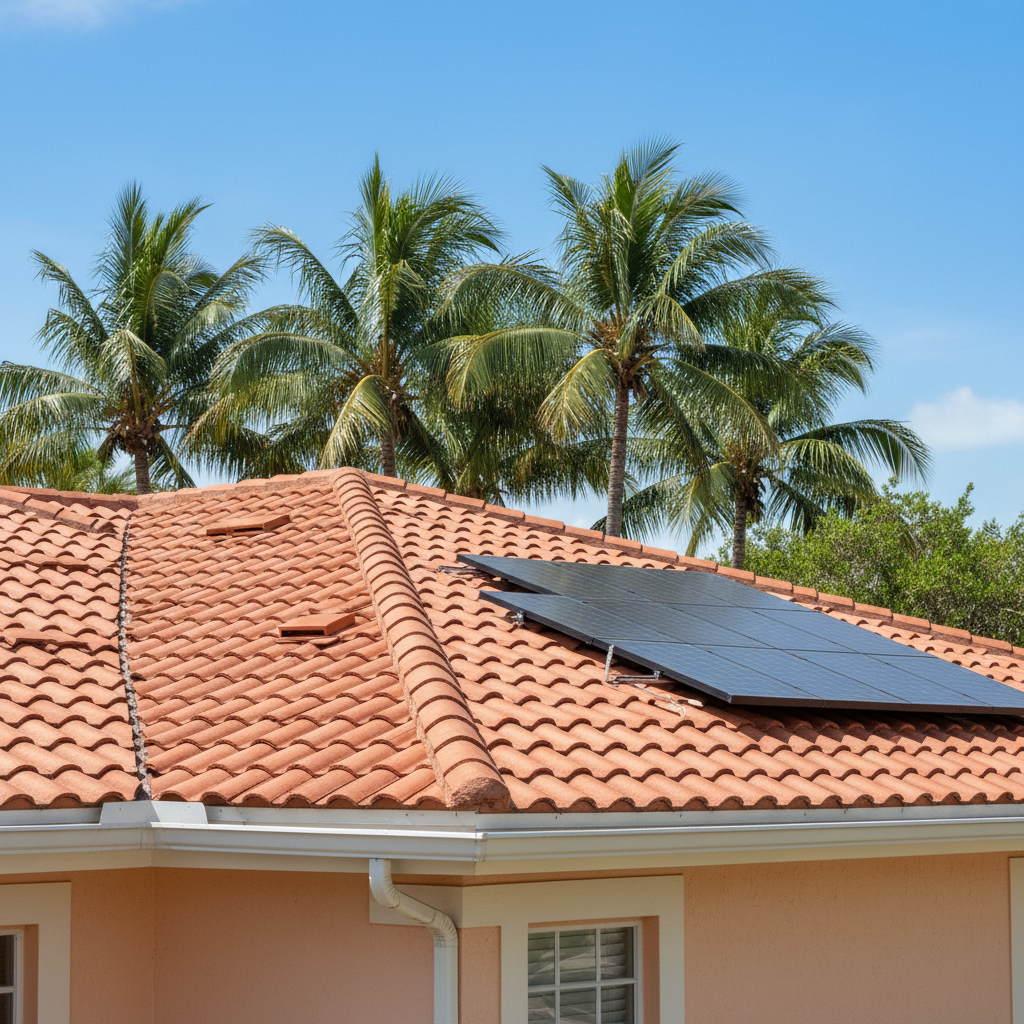
- Concrete and Clay Tiles: These materials are built to last, often boasting lifespans of 50 years or more, sometimes even 75+ for high-quality clay tiles. Their mass and inherent strength make them highly resistant to UV degradation and impact from hail, which can be a concern during our summer storms. The primary factor affecting their longevity is the underlayment beneath, which must also be robust enough to match the tile’s extended life.
How Florida’s Climate Affects Your Roof
It’s not just one factor; it’s the combination of all of Florida’s weather elements that truly shortens your roof’s lifespan. The sun’s UV rays are relentless, causing asphalt shingles to dry out and shed their protective granules, leaving the underlying material exposed. This granule loss is a prime indicator of an aging shingle roof and reduces its ability to reflect heat and protect against water.
Then there’s the heat itself. Daily temperature swings, especially in summer, cause roofing materials to constantly expand and contract. This thermal cycling stresses fasteners, seals, and the materials themselves, leading to cracking, splitting, and overall fatigue. Our high humidity also creates a breeding ground for algae, mold, and mildew, which can thrive on shingle surfaces and even penetrate under tiles, potentially compromising the underlayment.
And of course, we can’t forget the wind. From daily breezes to tropical storms and hurricanes, Florida roofs are engineered to withstand significant wind uplift. The Florida Building Code sets stringent standards for roofing systems, including specific fastening patterns and materials designed to resist winds associated with various hurricane categories. Even if your roof survives a major storm, the constant buffeting from less severe weather over years can loosen shingles, compromise flashing, and accelerate wear and tear.
Warning Signs of an Aging Roof
Don’t wait for a leak to tell you your roof is giving up the ghost. Being proactive and knowing what to look for can save you a lot of headache and expense down the road. Here are some common red flags that indicate your roof is nearing the end of its useful life:
- Granule Loss: If you see a lot of sandy grit in your gutters or on the ground around your home, those are the protective granules from your asphalt shingles. Once they’re gone, your shingles are exposed to direct UV damage.
- Curling, Buckling, or Cracking Shingles: Shingles that are no longer lying flat, are curling at the edges, or show visible cracks are losing their integrity and becoming vulnerable to wind and water.
- Missing Shingles: Even one missing shingle is a direct pathway for water into your home. This needs immediate attention.
- Water Stains on Ceilings or Walls: This is an obvious sign of a leak, but sometimes the water travels, so the stain might not be directly below the source.
- Sagging Roof Deck: If any part of your roof appears to be sagging or dipping, it could indicate structural damage or water saturation in the decking, requiring urgent professional assessment.
- Increased Energy Bills: An old, poorly insulated, or damaged roof can lead to significant heat transfer into your attic, making your AC work harder and driving up your energy costs.
Regular inspection by a qualified Rockledge roofing contractor is the best way to catch these issues early. We can identify subtle signs of wear that might not be obvious from the ground, helping you address problems before they escalate into major repairs or costly interior damage.
What Rockledge Homeowners Can Do to Maximize Roof Lifespan
Your roof is a major investment, and with Florida’s tough climate, taking proactive steps is crucial to getting the most out of it. Here are practical actions you can take to extend your roof’s life and protect your home:
-
Schedule Regular Professional Inspections
WHY: Catching small issues early prevents them from becoming expensive disasters. A professional eye can spot subtle signs of wear, potential vulnerabilities, and areas where Florida’s climate is taking its toll before they lead to leaks or structural damage. This is especially critical after any significant weather event, like a tropical storm.
HOW: Aim for at least one professional inspection annually, ideally in the spring before hurricane season. A reputable roofer will check for granule loss, lifted or cracked shingles, compromised flashing, gutter blockages, and any signs of moisture intrusion in your attic.
-
Keep Gutters and Downspouts Clean
WHY: Clogged gutters cause water to back up onto your roof, leading to premature deterioration of the fascia, soffits, and even the roof decking itself. Standing water encourages mold and mildew growth and can undermine the integrity of your roof edges.
HOW: Regularly clear leaves, twigs, and debris from your gutters, especially during the rainy season and after strong winds. Ensure downspouts are clear and directing water away from your home’s foundation.
-
Address Repairs Promptly
WHY: A small leak or a single missing shingle might seem minor, but in Florida’s humid environment, even a tiny breach can quickly lead to widespread water damage, wood rot, and pervasive mold growth within your attic and walls. Delaying repairs will almost always result in more extensive and costly fixes.
HOW: At the first sign of a problem, whether it’s a visible roof issue or a water stain on your ceiling, contact a local Rockledge roofing professional immediately. Don’t attempt DIY repairs unless you are experienced, as improper fixes can void warranties or cause further damage.
-
Ensure Proper Attic Ventilation
WHY: Good attic ventilation is vital in Florida. It helps dissipate the extreme heat that builds up in your attic, which can bake your roof from underneath and significantly shorten shingle lifespan. It also prevents moisture buildup, reducing the risk of mold and mildew in your attic space.
HOW: Verify that your soffit vents and ridge vents (or other exhaust vents) are clear and unobstructed. Make sure your insulation isn’t blocking the airflow from the soffits. If your home feels excessively hot or humid, consider having a professional assess your attic ventilation system.
-
Trim Overhanging Tree Branches
WHY: Branches rubbing against your roof can abrade shingles and tiles, creating weak spots. More importantly, during Florida’s frequent thunderstorms and hurricanes, falling branches are a primary cause of severe roof damage. Overhanging trees also deposit leaves and debris, contributing to gutter clogs and moisture retention on the roof surface.
HOW: Keep all tree branches trimmed at least 6-10 feet away from your roofline. This not only protects against impact damage but also reduces the amount of shade, which can promote moss and algae growth on your roof.
-
Understand Your Homeowner’s Insurance Policy
WHY: Florida’s insurance market is complex, especially regarding wind and hurricane damage. Knowing your coverage, deductibles, and claim procedures before a storm hits is absolutely essential for a smooth recovery process. Many policies have specific timelines for filing claims after damage occurs.
HOW: Review your policy annually with your agent. Understand your hurricane deductible and what types of damage are covered. Take “before” photos of your roof and property, and keep them updated. After a storm, document any damage immediately with photos and contact your insurer promptly.
-
Choose the Right Materials for Replacement
WHY: When it’s time for a new roof, selecting materials specifically designed for Florida’s harsh conditions can dramatically increase its lifespan and performance. Investing in higher-quality, impact-resistant, or wind-rated materials can pay dividends in durability and peace of mind.
HOW: Consult with a knowledgeable local roofer like Florida Roof Bros. We can guide you through options that meet or exceed Florida Building Code requirements, offer superior UV resistance, and provide the best protection against high winds and heavy rains common in Rockledge.
Frequently Asked Questions
How does Florida’s climate, especially in Rockledge, affect a roof’s lifespan compared to other regions?
Florida’s unique climate, characterized by intense UV radiation, torrential downpours, high humidity, and the persistent threat of hurricanes, puts immense stress on roofing materials. These elements accelerate the degradation process, causing asphalt shingles to lose granules rapidly, tiles to become brittle, and seals to break down faster than in more temperate zones. Consequently, roofs in Rockledge often have a shorter functional lifespan than their counterparts in cooler, drier climates.
What are the typical lifespans for common roofing materials like asphalt shingles, metal, and tile roofs specifically in Rockledge, FL?
In Rockledge, standard three-tab asphalt shingle roofs typically last 15-20 years, while architectural shingles might reach 20-30 years with good maintenance and quality. Metal roofs, known for their exceptional resilience, often perform well for 40-70 years or even longer, offering superior protection against the elements. Concrete or clay tile roofs, when properly installed and maintained, can offer an exceptional lifespan of 50 years or more, making them a very durable option for the Florida climate.
What are the key signs that my roof in Rockledge might need a full replacement rather than just minor repairs?
When assessing your roof in Rockledge, look for multiple warning signs indicating a replacement is due. These include widespread granule loss, significant curling or buckling of shingles, visible water stains on interior ceilings, and the presence of moss or algae that has penetrated deep into the roofing material. If your roof is approaching or has exceeded its expected lifespan and shows several of these symptoms, a comprehensive replacement is often the most prudent and cost-effective long-term solution.
Can regular maintenance truly extend the life of my roof in a humid climate like Florida, and what does it involve?
Absolutely, regular and proactive maintenance is critical for maximizing your roof’s lifespan in Florida’s humid climate. This involves routine professional inspections to identify minor issues before they become major problems, clearing gutters of debris, and addressing any mold or algae growth promptly and safely. Timely repairs of loose flashing or damaged shingles can prevent water intrusion and significantly delay the need for a full replacement, protecting your home’s integrity.
How do manufacturer warranties for roofing materials typically account for Florida’s severe weather conditions?
Manufacturer warranties for roofing materials in Florida usually cover defects in the product itself and may offer prorated coverage for damage from certain weather events. However, it’s crucial to understand that these warranties often require professional installation by certified contractors and adherence to specific maintenance schedules. Damage from “acts of God” like hurricanes might be excluded or subject to strict conditions, so always review the fine print concerning severe weather clauses and ensure your installer is reputable.
Roofing Services Across Central Florida
Florida Roof Bros serves homeowners throughout Brevard County, Pinellas County, and surrounding Central Florida communities. If you need a roof inspection, repair, or replacement in any of these areas, our team is ready to help:
- Palm Bay, FL Roofing
- Melbourne, FL Roofing
- West Melbourne, FL Roofing
- Vero Beach, FL Roofing
- Sebastian, FL Roofing
Protecting Your Rockledge Home with Florida Roof Bros
Understanding how long a roof lasts in Rockledge, FL, is essential for every homeowner. We’ve explored how various factors, from your chosen roofing material like durable metal or classic asphalt shingles, to the quality of installation and consistent maintenance, all play a pivotal role in determining its longevity. Given Florida’s challenging climate, characterized by intense sun, heavy rains, and potential hurricane activity, proactive care and timely professional attention are not just recommended, but vital for ensuring your roof continues to provide reliable protection for decades to come.
If you’re in Rockledge and have questions about your roof’s current condition, or if you’re noticing signs of wear and tear, don’t delay in seeking expert advice. Even minor issues, when left unaddressed, can escalate into significant and costly problems, compromising your home’s structural integrity and your family’s comfort. Florida Roof Bros is proud to offer 100% free, no-obligation roof inspections for homeowners across the Rockledge area. Our certified professionals will conduct a thorough assessment, providing you with a clear understanding of your roof’s health and transparent recommendations.
Securing the longevity and safety of your home starts with a simple call. Let the experienced team at Florida Roof Bros provide you with the peace of mind you deserve. We are dedicated to delivering top-tier roofing solutions, from detailed inspections and minor repairs to full roof replacements, all designed to withstand Florida’s unique environmental challenges. For a reliable assessment and exceptional service that safeguards your investment, reach out to us today. Call (321) 446-1702 to schedule your free inspection. Trust the Pros, Call the Bros , your trusted partners in Rockledge roofing.
Need a free roof inspection? Call Florida Roof Bros at (321) 446-1702 or request a free inspection online. Family-owned, no subcontractors, Owens Corning Platinum Preferred. Trust the Pros, Call the Bros.
