

General Roofing
Insurance
Roofing
Storm Damage
How Long Does a Roof Last in Florida?
The Florida sun beats down, relentless and beautiful, a constant companion to life in Melbourne Beach. But while we enjoy the endless summer, our roofs bear the brunt of that sunshine, along with the intense humidity, the pervasive salty air, and the sudden, fierce thunderstorms that define our local climate. Perhaps you’ve been noticing a few granules in the gutters after a heavy rain, or maybe a recent gust of wind has you glancing up at your shingles with a new sense of scrutiny, wondering if everything is still securely in place. It’s a common moment for many homeowners across Brevard County: that quiet thought, “Just how much longer does my roof truly have?”
Understanding the true lifespan of your roof in our unique Florida environment isn’t just about curiosity; it’s about making proactive decisions to protect your home, your most significant investment, and your family’s peace of mind. The decision of whether it’s simply time for a full roof replacement due to age, or if potential damage might be covered by an insurance claim, can feel incredibly complex. There are so many factors at play , from the age and type of your existing materials to the specific nature of any visible wear or damage. This post aims to illuminate that often-confusing path, providing clarity on the critical differences and considerations for each scenario.
Here in Central Florida, and particularly in coastal areas like Melbourne Beach, the elements conspire to challenge even the most robust roofing systems far more intensely than in other regions of the country. We’ll delve into what truly impacts a roof’s longevity here, going beyond just the age of the shingles themselves to consider the cumulative effect of our unique weather patterns. This foundational knowledge is absolutely essential for making an informed decision, whether you’re planning for future preventative maintenance, responding to immediate concerns after a storm, or simply trying to budget wisely for your home’s long-term health.
When you’re weighing the options of a roof replacement versus filing an insurance claim, having a reliable, knowledgeable partner makes all the difference. At Florida Roof Bros, we’ve seen every kind of roof challenge across Brevard County, Pinellas County, and the wider Central Florida region for over 25 years. We’re a family-owned company, which means we approach every project with a personal touch and a commitment to excellence. We handle every single installation and repair with our own dedicated, in-house crews , never subcontractors , ensuring consistent quality, accountability, and a seamless experience from start to finish. If you have immediate questions about your roof’s condition or need a professional assessment, don’t hesitate to call us directly at (321) 446-1702.
Throughout this comprehensive guide, we’ll help you discern the subtle yet crucial signs that your roof is nearing the end of its natural service life versus the clear indicators of damage that might warrant an insurance claim. We’ll touch on average lifespans for common roofing materials, explain how Florida’s specific climate conditions accelerate wear and tear, and highlight the critical warning signs of an aging roof that you should never ignore. Our ultimate goal is to equip you with the precise knowledge and confidence needed to make the best, most cost-effective decision for your home and your budget, ensuring you get the maximum value and protection from your roof while staying well ahead of potential problems.
Understanding Your Roof’s Battle Against Florida’s Climate
For homeowners in Florida, a roof isn’t just a cover; it’s a critical shield against some of the most challenging weather conditions in the country. The constant barrage of intense ultraviolet (UV) radiation from our abundant sunshine is a primary culprit in degrading roofing materials over time. This UV exposure breaks down the asphalt in shingles, causing them to dry out, become brittle, and lose their protective granules, which are essential for reflecting heat and safeguarding the underlying layers.
Beyond the sun, Florida’s high humidity and frequent heavy rains create a breeding ground for algae and mildew. While often cosmetic, persistent moisture can also accelerate material breakdown, particularly on northern facing slopes or shaded areas that don’t dry out quickly. And of course, we cannot overlook hurricane season. Even if your home isn’t in the direct path of a major storm, the strong winds and torrential downpours from tropical depressions and severe thunderstorms can cause significant, often unseen, damage to shingles, flashing, and gutters. For coastal residents in Melbourne Beach, the added factor of salt-laden air introduces another corrosive element, gradually wearing down materials and fasteners.
These environmental factors collectively mean that a roof in Florida generally won’t last as long as the same roof installed in a milder climate. A shingle rated for 25 or 30 years might realistically provide 15-20 years of optimal performance here before showing significant signs of wear. This accelerated aging is a key consideration when deciding between a proactive replacement and pursuing an insurance claim. If your roof is simply old and worn out due to normal Florida weather, that’s typically a replacement scenario; if it suffered specific, sudden damage from a named storm or event, that’s where insurance comes into play.
Another crucial aspect for Florida homeowners is understanding building codes. Following major hurricanes like Andrew or Charley, Florida’s building codes, particularly for roofing, have been significantly updated and strengthened. If your roof was installed prior to these updates, a full replacement will require bringing your entire roofing system up to current code standards. This includes considerations like enhanced secondary water barriers, stricter fastening requirements, and sometimes even changes in ventilation. These code upgrades, while increasing initial replacement costs, dramatically improve your home’s resilience against future storms and are often a non-negotiable part of any major re-roofing project.
When considering costs and timelines, it’s important to differentiate. A planned replacement due to age allows you to research materials, gather quotes, and schedule the work at your convenience, often leading to a smoother process. An insurance claim, however, is reactive. It involves damage assessment by both your chosen roofer and an insurance adjuster, negotiation, and adherence to specific claim timelines. While insurance can cover sudden damage, it’s crucial to understand your policy’s deductible, depreciation clauses, and whether the damage truly meets the criteria for a covered event rather than just normal wear and tear. Our experience as an Owens Corning Platinum Preferred Contractor, combined with our A+ BBB rating and over 300 five-star Google reviews, means we have extensive experience navigating both proactive replacements and complex insurance claims across Brevard County.
Ultimately, the decision to replace or claim often hinges on a thorough, professional inspection. A knowledgeable roofer can accurately assess whether your roof’s condition is due to gradual deterioration over its lifespan, which insurance typically doesn’t cover, or if there’s specific, insurable damage from a recent event. Understanding these nuances early can save you significant time, money, and frustration down the line, ensuring you make the most informed choice for your home’s long-term protection. This careful evaluation is the first step in determining the best path forward for your Melbourne Beach property.
Understanding Your Roof’s Lifespan in Melbourne Beach, FL
The question of “how long does a roof last in Florida” is one we hear often at Florida Roof Bros, and it’s a critical one for homeowners in Melbourne Beach. While national averages for roofing materials exist, the reality in our unique climate is often different. Florida’s intense sun, frequent storms, and high humidity put significantly more stress on roofing systems, often shortening their lifespan compared to other parts of the country. Understanding these factors and the typical performance of materials is key to smart home ownership and avoiding costly surprises.
Common Roofing Materials and Their Florida Lifespans
The material you choose for your roof plays the biggest role in its longevity. In Melbourne Beach, we primarily see three types of roofing, each with distinct characteristics and expected lifespans under Florida’s challenging conditions.
Architectural Shingles: These are the most common roofing material in Florida due to their affordability and aesthetic appeal. While nationally they might last 25-30 years, in our intense Florida environment, you can typically expect architectural shingles to last 15-25 years. The constant UV exposure and heat cause the granules to shed more quickly, and the shingles can become brittle, crack, or curl. Modern architectural shingles are designed to meet or exceed Florida Building Code (FBC) requirements, often rated for wind speeds up to 130 mph, which is crucial for hurricane resistance.
Standing Seam Metal Roofing: Metal roofs, particularly standing seam systems, are an excellent investment for Florida homes. They offer superior durability and can last anywhere from 30 to 50+ years, often outliving the homeowner. Metal roofs are highly resistant to wind, with many systems rated for wind speeds exceeding 180 mph, making them a top choice for hurricane-prone areas like Melbourne Beach. They also reflect solar radiation, which can lead to significant energy savings. While the upfront cost is higher than shingles, their extended lifespan and low maintenance often provide a better long-term value.
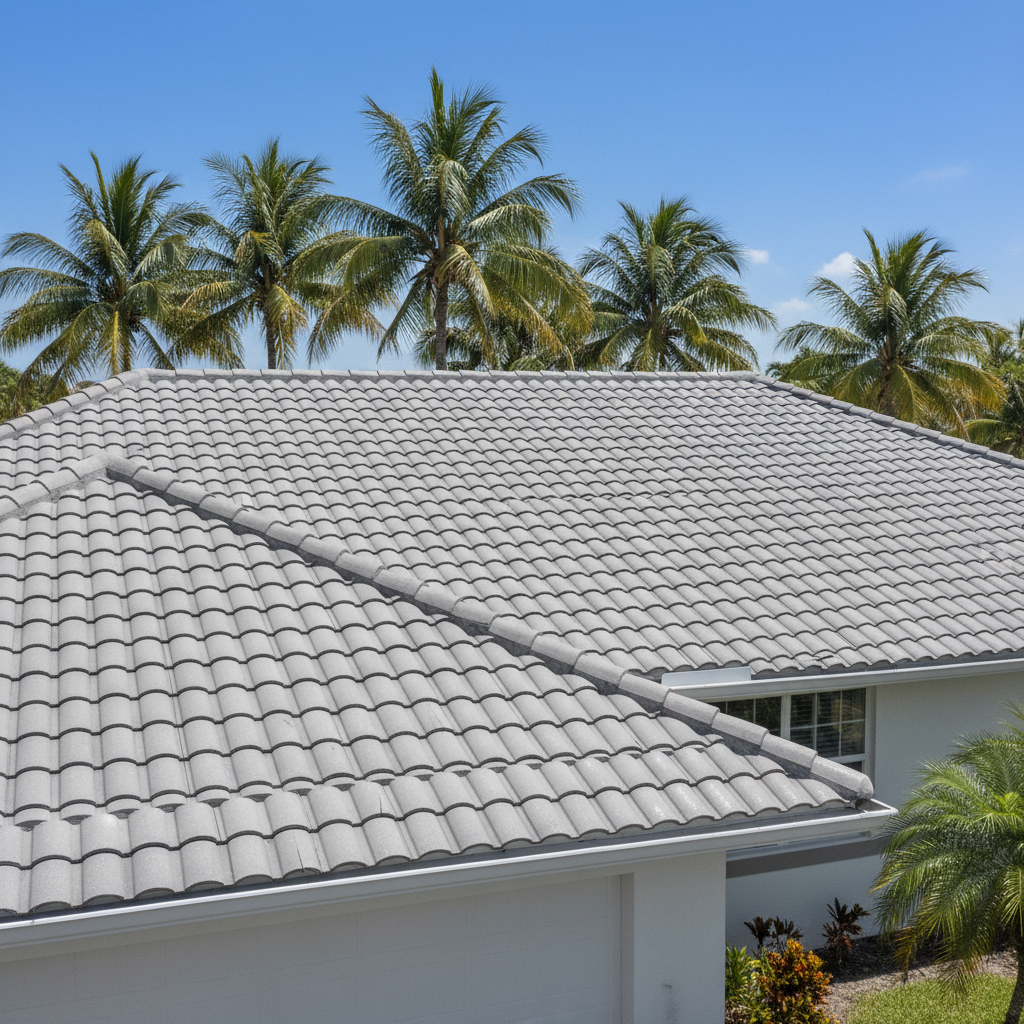
Concrete Tile Roofing: Concrete tiles are another robust option popular in Florida, known for their distinctive look and exceptional durability. These roofs can last an impressive 30 to 50+ years, with some lasting even longer with proper maintenance. Tile roofs are incredibly resilient against high winds, hail, and fire, offering excellent protection against Florida’s extreme weather. However, they are heavy and require a strong roof deck structure, which should be considered during installation. While concrete tiles are very durable, individual tiles can crack if walked on improperly, requiring professional repair.
Other materials like clay tile offer similar longevity and benefits to concrete but can be more brittle. For flat or low-slope roofs, TPO and PVC membranes are common, typically lasting 15-25 years, providing excellent waterproofing and energy efficiency when properly installed.
How Florida’s Climate Challenges Roofs
Florida’s beautiful weather comes with a significant trade-off for your roof. Several environmental factors relentlessly attack your roofing system, accelerating its aging process.
- Intense UV Radiation and Heat: The relentless Florida sun, especially in coastal areas like Melbourne Beach, bombards your roof with UV rays. This extreme exposure causes asphalt shingles to degrade faster, leading to granule loss, cracking, and curling. The constant high temperatures also contribute to material breakdown, making them more susceptible to damage.
- Frequent Heavy Rains and High Humidity: Florida experiences abundant rainfall, often in heavy downpours. This constant moisture, combined with high humidity, creates an ideal breeding ground for mold, mildew, and algae. These growths not only look unsightly but can trap moisture, leading to premature decay, especially on shingles. Persistent moisture can also lead to wood rot in the underlying structure and corrosion of metal fasteners and flashing if not properly maintained.
- High Winds and Hurricanes: This is arguably the most significant threat to Florida roofs. The Florida Building Code (FBC) mandates specific wind resistance standards, but even compliant roofs can suffer damage from hurricane-force winds. Category 1 hurricanes start at 74-95 mph, Category 3 at 111-129 mph, and Category 5 at 157+ mph. These powerful winds can lift, tear, and completely strip roofing materials, requiring immediate repair or replacement. Even tropical storms bring sustained strong winds that can loosen shingles and compromise the roof’s integrity over time.
- Salt Air Exposure: For homes in Melbourne Beach, the proximity to the ocean means constant exposure to corrosive salt air. This salt can accelerate the deterioration of metal components like flashing, vents, and fasteners, leading to rust and potential leaks. It’s a factor often overlooked but critical for coastal properties.
Warning Signs Your Roof is Nearing the End
Being proactive about identifying warning signs can save you from catastrophic damage and expensive interior repairs. Here are key indicators that your roof might be reaching the end of its functional life:
- Missing, Cracked, or Curled Shingles: These are clear signs of wear and tear. Missing shingles leave the underlayment exposed, while cracks and curls indicate the shingles are losing their flexibility and protective qualities.
- Granule Loss: If you notice a significant amount of shingle granules accumulating in your gutters or at the bottom of your downspouts, it means your shingles are losing their protective top layer. This exposes the asphalt to UV rays, accelerating its deterioration.
- Dark Streaks or Extensive Algae/Moss Growth: While some algae is common in Florida, widespread dark streaks or thick moss growth can indicate moisture retention issues and a degrading roof surface.
- Water Stains on Interior Ceilings or Walls: This is an undeniable sign of a leak. Don’t wait for visible stains; even small drips can lead to significant mold and structural damage over time.
- Sagging Roof Deck: A sagging or drooping roofline indicates structural issues, often caused by water damage to the underlying plywood or rafters. This requires immediate professional attention.
- Higher Energy Bills: An aging or damaged roof loses its insulating properties, leading to increased heat transfer into your home and higher air conditioning costs.
- Visible Damage Around Chimneys, Vents, or Skylights: These areas are prone to flashing failures. If the flashing is rusted, bent, or pulling away, it creates entry points for water.
What Melbourne Beach Homeowners Should Do About Their Roof
Managing your roof in Florida is not a “set it and forget it” task. Proactive maintenance and understanding your options are crucial for protecting your investment and ensuring your home remains safe and dry. Here are actionable steps every Melbourne Beach homeowner should take:
-
Schedule Regular Professional Roof Inspections:
WHY: Catching small issues early is the most effective way to prevent them from escalating into major, costly repairs or premature roof replacement. A trained eye can spot subtle signs of wear, potential weak points, and storm damage that might be invisible from the ground.
HOW: We recommend an annual inspection by a licensed roofing contractor like Florida Roof Bros, and definitely after any significant storm, even if you don’t see obvious damage. A professional inspection includes checking shingles, flashing, gutters, fascia, and the overall integrity of your roofing system.
-
Understand Your Homeowner’s Insurance Policy:
WHY: Florida’s insurance market is complex, and knowing your coverage details before disaster strikes is paramount. You need to understand what types of damage are covered, your deductible amounts (especially hurricane deductibles), and whether your policy offers Actual Cash Value (ACV) or Replacement Cost Value (RCV) for your roof. RCV pays for a new roof, while ACV factors in depreciation, meaning you’ll receive less.
HOW: Review your policy annually with your insurance agent. Ask specific questions about roof damage coverage, hail damage, wind damage, and the claims process. Keep your policy documents easily accessible.
-
Maintain Clean Gutters and Efficient Drainage:
WHY: Clogged gutters prevent water from draining properly, leading to water pooling on your roof, overflowing onto fascia boards, and potentially seeping into your home’s foundation. This promotes wood rot, mold growth, and can compromise your roof’s edge.
HOW: Regularly clean your gutters, especially after heavy rains or strong winds that might deposit debris. Ensure downspouts are clear and direct water at least several feet away from your home’s foundation. Trim any tree branches that overhang your roof to reduce leaf litter and potential impact damage.
-
Document Your Roof’s Condition Routinely:
WHY: In the event of an insurance claim, having clear, dated documentation of your roof’s condition prior to damage is invaluable. It provides irrefutable evidence of the damage caused by a specific event versus pre-existing wear and tear, which can significantly impact your claim’s success.
HOW: Take clear, high-resolution photos or videos of your entire roof from various angles (from the ground is usually sufficient and safest) at least once a year, and definitely after any significant roof work. Store these records digitally and keep copies of all inspection reports, maintenance records, and repair invoices.
-
Act Immediately After a Storm, Especially a Hurricane:
WHY: Florida insurance policies often have strict claim filing deadlines, sometimes as short as one to three years from the date of loss. Delaying inspection or filing can lead to your claim being denied, even if the damage is severe. Furthermore, minor storm damage can worsen rapidly, leading to leaks and interior damage.
HOW: After any major weather event, especially a named storm or hurricane, perform a quick visual check of your roof from the ground for any obvious signs of damage (missing shingles, lifted flashing, debris). Even if you see nothing, if you suspect damage, contact Florida Roof Bros immediately for a professional post-storm inspection. We can assess the damage and guide you through the next steps, including working with your insurance company.
-
Consider Wind Mitigation Improvements:
WHY: Investing in wind mitigation features not only enhances your home’s resilience against hurricanes but can also lead to significant discounts on your homeowner’s insurance premiums. The Florida Building Code sets high standards, but exceeding them can offer even greater peace of mind and financial benefits.
HOW: Discuss with Florida Roof Bros options for reinforcing your roof-to-wall connections, upgrading to higher wind-rated roofing materials, and ensuring proper secondary water resistance barriers. We can also advise on other improvements like impact-resistant windows and garage doors. After improvements, get a certified wind mitigation inspection to qualify for insurance premium reductions.
Frequently Asked Questions
How long do asphalt shingle roofs typically last in Melbourne Beach, FL?
In Melbourne Beach, FL, asphalt shingle roofs generally last between 15 to 25 years. This range accounts for the intense sun exposure, high humidity, and frequent storm activity that can accelerate wear and tear compared to other climates.
What specific factors shorten a roof’s lifespan in Florida’s coastal climate?
Florida’s coastal climate, especially in Melbourne Beach, presents several challenges. Intense UV radiation degrades materials, high humidity encourages mold and algae growth, and frequent severe weather events like hurricanes and tropical storms inflict significant stress and damage, all shortening a roof’s natural lifespan.
Is a metal roof a better investment for longevity in Melbourne Beach, Florida, compared to shingles?
For longevity in Melbourne Beach, a metal roof is often a superior investment. While the initial cost is higher, metal roofs can last 40 to 70 years or more, offering exceptional durability against high winds, heavy rain, and UV exposure, significantly outperforming asphalt shingles in the long run.
How often should I have my roof inspected in Melbourne Beach, even if it looks fine?
It is highly recommended to have your roof inspected at least once a year in Melbourne Beach, even if it appears to be in good condition. Annual inspections, ideally after hurricane season, help identify minor issues like loose shingles or flashing damage before they escalate into costly problems, extending your roof’s life.
Does proper roof ventilation affect how long my roof lasts in Florida?
Absolutely, proper roof ventilation is crucial for extending your roof’s lifespan in Florida. Good ventilation prevents excessive heat buildup in the attic, which can prematurely age shingles and other roofing materials, ensuring your roof performs efficiently and lasts longer.
What are the signs that my roof in Melbourne Beach might need replacement soon?
Key signs that your Melbourne Beach roof might need replacement include curling or buckling shingles, missing granules, dark streaks or moss growth, water stains on your interior ceilings, and visible damage around chimneys or vents. If your roof is approaching or past its expected lifespan, these signs become more critical.
Roofing Services Across Central Florida
Florida Roof Bros serves homeowners throughout Brevard County, Pinellas County, and surrounding Central Florida communities. If you need a roof inspection, repair, or replacement in any of these areas, our team is ready to help:
- Palm Bay, FL Roofing
- Melbourne, FL Roofing
- West Melbourne, FL Roofing
- Rockledge, FL Roofing
- Vero Beach, FL Roofing
Protecting Your Melbourne Beach Home
Understanding how long your roof lasts in Florida is essential for every homeowner, particularly in a coastal community like Melbourne Beach. While factors like material choice, installation quality, and climate play significant roles, proactive maintenance and timely inspections are paramount to maximizing your roof’s lifespan and protecting your investment. By making informed decisions and partnering with experienced professionals, you can ensure your home remains safe and secure for years to come.
Don’t wait for a small issue to become a major headache. If you’re concerned about the age or condition of your roof, or if it’s been a while since your last professional assessment, Florida Roof Bros is here to help. We offer 100% free, no-obligation roof inspections, providing you with a clear understanding of your roof’s current state and expert recommendations.
Our team is dedicated to providing honest, reliable service and the highest quality workmanship for homeowners throughout Melbourne Beach and the surrounding areas. For peace of mind and expert roofing solutions, reach out to us today. Trust the Pros, Call the Bros at (321) 446-1702 and let us ensure your roof is ready to face whatever Florida weather brings.
Need a free roof inspection? Call Florida Roof Bros at (321) 446-1702 or request a free inspection online. Family-owned, no subcontractors, Owens Corning Platinum Preferred. Trust the Pros, Call the Bros.
