

General Roofing
Insurance
Roofing
Storm Damage
How Long Does a Roof Last in Florida?
Imagine you’re enjoying a beautiful Vero Beach morning, perhaps sipping coffee on your lanai, when your gaze drifts upwards. Suddenly, a small detail catches your eye: a slightly curled shingle, a faint dark streak, or maybe a few more granules than usual washing into the gutter after yesterday’s afternoon downpour. Immediately, a familiar question begins to nag at the back of your mind: How old is this roof, really, and how much life does it have left protecting your biggest investment here in Florida?
This isn’t just a fleeting thought for Florida homeowners; it’s a critical consideration that impacts your home’s structural integrity and your financial planning. Our roofs are constantly battling intense sun, torrential rains, high humidity, and the occasional severe weather event, accelerating the natural aging process. Discerning whether a repair is needed due to simple wear and tear or if it’s significant storm damage warranting an insurance claim can be a complex decision, one that many Vero Beach residents face. Making the wrong choice could lead to costly out-of-pocket expenses for preventable issues or, worse, prolonged damage to your home’s interior and belongings.
This comprehensive guide is designed to help Vero Beach residents and homeowners across Brevard County understand the nuanced factors that determine a roof’s lifespan in our unique, challenging climate. We’ll explore the typical expectations for various roofing materials, precisely what accelerates their degradation here in the Sunshine State, and, crucially, how to differentiate between normal aging that points towards a necessary replacement and sudden, insurable damage. Our aim is to empower you with the knowledge to make informed, confident decisions about your roof’s future, ensuring your home remains safe and secure for years to come.
When these important questions arise, having a trusted, local expert to turn to makes all the difference. Here at Florida Roof Bros, we understand these concerns firsthand because we are a family-owned business rooted deeply in the communities we serve. We’ve dedicated over 25 years of combined experience to providing integrity and unparalleled craftsmanship across Brevard County, Pinellas County, and Central Florida, including our neighbors in Vero Beach. We never use subcontractors; our in-house crews are all part of the family, ensuring consistent quality, meticulous attention to detail, and full accountability on every single job. This commitment is why we’re proud to be an Owens Corning Platinum Preferred Contractor, a testament to our dedication to using only the best materials and adhering to the highest industry standards.
Understanding your roof’s true condition and expected lifespan is the essential first step towards protecting your home and your wallet, especially when considering the “When to Replace vs. Claim” dilemma. Whether you’re contemplating a full replacement due to natural age or believe you might have grounds for an insurance claim after a storm, a professional, honest assessment from a reputable local company is invaluable. Our team, backed by an A+ rating from the Better Business Bureau and over 300 five-star Google reviews, is ready to provide that clarity and peace of mind. For any roofing concerns or to schedule a thorough, no-obligation inspection, remember to Trust the Pros, Call the Bros at (321) 446-1702. We are fully licensed, insured, certified, and bonded under FL license CCC1332911, offering you complete assurance that your home is in expert hands.
The Florida Climate & Its Impact on Your Roof’s Lifespan
Living in Florida means enjoying sunshine and warm weather year-round, but it also means our homes, especially our roofs, endure some of the harshest environmental conditions in the nation. Unlike roofs in cooler, drier climates, a roof in Vero Beach faces a relentless barrage of stressors that significantly impact its lifespan. Understanding these unique challenges is fundamental to knowing when your roof is simply aging out due to natural wear or when it has suffered damage that might warrant an insurance claim.
The primary culprits are intense ultraviolet (UV) radiation from the sun, extreme humidity, frequent heavy rainfall, and the constant threat of high winds, from daily sea breezes to tropical storms and hurricanes. UV rays relentlessly degrade roofing materials, making them brittle and accelerating granule loss on asphalt shingles. High humidity encourages mold, mildew, and algae growth, which can trap moisture and slowly rot underlying decking, while also affecting the integrity of sealants. For coastal communities like Vero Beach, salt air also contributes to corrosion and material breakdown, further shortening the roof lifespan in Florida.
These combined factors mean that a roofing material rated for 25-30 years in a temperate climate might only last 15-20 years here in Florida before showing significant signs of wear and tear. Furthermore, Florida’s stringent building codes, particularly those related to wind mitigation, play a crucial role in roof longevity and replacement decisions. After major hurricane events, codes are often updated, meaning an older roof might not meet current standards. If 25% or more of your roof is damaged, building codes often mandate that the entire roof be brought up to current code, which can significantly influence an insurance claim and the scope of work involved.
The type of roofing material also dictates its resistance to these elements and thus its lifespan. While we’ll delve into specific material lifespans later in this blog, it’s important to recognize that an older three-tab asphalt shingle roof, common on many Florida homes built before the early 2000s, will naturally degrade faster than a modern architectural shingle or a durable metal roof. When considering a claim, the age and material of your existing roof are critical factors. An insurance company will assess whether the damage is sudden and accidental, or if it’s primarily due to long-term deterioration exacerbated by the Florida climate.
This critical distinction between natural wear and insurable damage is where many homeowners find themselves in a challenging position. Insurance policies typically cover sudden, accidental damage from perils like wind, hail, or fire, but they generally exclude damage caused by neglect, wear and tear, or faulty maintenance. Knowing your roof’s approximate age and its condition relative to its expected lifespan in Florida is paramount for your financial planning. This knowledge helps you understand when a repair or full replacement is a homeowner’s responsibility versus when it’s an event covered by your insurance policy, making the “When to Replace vs Claim” decision much clearer.
Understanding the actual roof lifespan in Florida is crucial for every homeowner, especially when considering the significant investment your roof represents. While national averages for roofing materials might suggest one thing, the reality in Vero Beach and across Florida is often quite different. Our unique climate, with its relentless sun, torrential rains, high humidity, and powerful hurricanes, puts roofs to the ultimate test, often shortening their expected service life.
Detailed Explanation: Understanding Your Roof’s Lifespan in Florida
The longevity of your roof in Florida isn’t just about the material; it’s a complex interplay of material quality, installation expertise, and the unrelenting environmental factors unique to our state. For homeowners in Vero Beach, being informed about these specifics can mean the difference between proactive maintenance and reactive, costly emergencies.
Common Roofing Materials and Their Florida Lifespans
Different roofing materials offer varying degrees of durability and resistance to Florida’s harsh conditions. Here’s what you can generally expect:
- Architectural Shingles: These are very popular due to their cost-effectiveness and aesthetic appeal. Nationally, architectural shingles might last 20-30 years. However, in Florida, intense UV exposure, heat, and humidity often reduce this to 15-25 years. Quality shingles designed for high-wind zones, typically rated for 130 mph or more, are essential to meet Florida Building Code requirements and withstand hurricane-force winds.
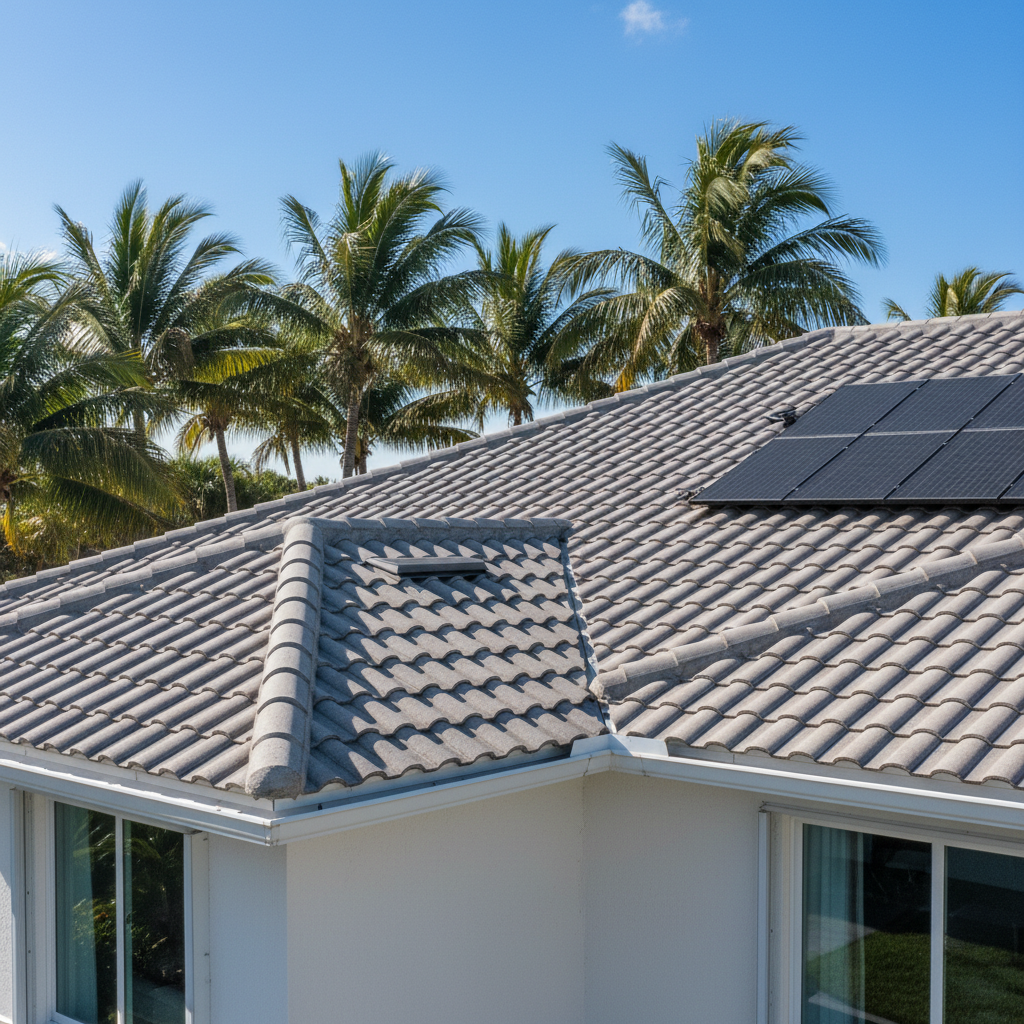
- Concrete and Clay Tiles: A common sight on Florida homes, these materials are renowned for their exceptional durability. With proper installation and maintenance, concrete and clay tiles can last 50 years or even longer. They offer superior resistance to fire, rot, and insects, and their heavy weight provides excellent wind resistance, making them ideal for hurricane-prone areas. Their longevity often makes them a wise long-term investment despite a higher initial cost.
- Standing Seam Metal Roofs: Metal roofing, particularly standing seam, is gaining popularity for its incredible lifespan and resilience. These roofs can last 40-70 years or more, easily outperforming most other materials in Florida’s climate. They are highly resistant to wind uplift, fire, and pests, and their reflective properties can even contribute to energy savings. The Florida Building Code specifies rigorous fastening requirements for metal roofs, ensuring they can withstand severe weather.
- Modified Bitumen & TPO (Low-Slope/Flat Roofs): Commonly found on commercial buildings or residential homes with low-slope sections, these flat roofing systems typically have a lifespan of 15-25 years. Their performance is heavily dependent on proper installation, especially the flashing and seam integrity, which are critical for preventing leaks in Florida’s heavy rainfalls. Regular inspections are vital to catch minor issues before they compromise the entire system.
How Florida’s Climate Affects Your Roof
Florida’s climate is a beautiful blessing for residents, but it’s a relentless adversary for roofs. The combination of intense environmental stressors significantly accelerates wear and tear, often requiring more frequent replacements than in cooler, drier regions.
- Extreme UV Radiation and Heat: The intense Florida sun constantly bakes your roof, causing asphalt shingles to degrade, lose their protective granules, and become brittle. This UV exposure can also fade and compromise other materials over time, reducing their flexibility and protective qualities.
- High Humidity and Rainfall: Consistent moisture creates a breeding ground for algae, moss, and mildew. While not immediately damaging, these growths can trap moisture against the roof surface, accelerate material breakdown, and sometimes indicate underlying moisture issues. Heavy rainfall also puts constant stress on flashing, sealants, and drainage systems, testing every aspect of your roof’s waterproofing.
- Hurricane and Tropical Storm Activity: This is perhaps the most significant threat to Florida roofs. The Florida Building Code is one of the strictest in the nation precisely because of hurricane risks. Roofs must meet specific wind resistance standards, including enhanced fastening schedules, use of secondary water barriers, and impact-resistant materials. Wind uplift, flying debris, and prolonged rain during a hurricane can cause catastrophic damage, even to relatively new roofs that aren’t built to the latest codes.
- Salt Air Exposure: For homes near the coast in Vero Beach, salt spray can accelerate corrosion on metal roofing components, fasteners, and flashing. This requires specific material choices and coatings designed to resist saltwater degradation.
Understanding these factors highlights why a “national average” lifespan is often an unreliable benchmark for Florida homes. Our roofs work harder and face more challenges, making expert installation and quality materials paramount.
Warning Signs of an Aging Roof
Knowing the typical lifespan of your roof material is a good start, but actively looking for warning signs is even better. Early detection of issues can save you significant repair costs and prevent interior damage. Always prioritize safety when inspecting your roof, or better yet, hire a professional.
- Missing, Cracked, or Curled Shingles/Tiles: These are clear indicators of material fatigue. Missing granules on asphalt shingles mean the protective layer is eroding, exposing the asphalt to UV rays. Cracks and curling allow water to penetrate more easily.
- Sagging Roof Deck: If you notice any dips or sags in your roofline, this could indicate structural issues with the decking or rafters, often due to prolonged moisture exposure or inadequate support.
- Visible Water Stains or Leaks: Water stains on your ceiling or walls are definitive proof of a leak. Don’t ignore even small stains, as they can lead to mold growth and significant structural damage over time.
- Algae, Moss, or Fungi Growth: While common in Florida, excessive growth can trap moisture, accelerate material degradation, and indicate areas where water is pooling or not draining properly.
- High Energy Bills: An aging or damaged roof can lose its insulating properties, allowing more heat into your attic and home, forcing your AC system to work harder and increasing your energy consumption.
- Rust or Corrosion: On metal roofs or flashing, rust spots indicate compromised protective coatings and potential areas for leaks. Near the coast, this can be accelerated by salt air.
If you observe any of these warning signs, it’s time to contact a local Vero Beach roofing professional for a thorough inspection. Addressing these issues promptly can extend your roof’s life and protect your home.
What Vero Beach Homeowners Should Do to Protect Their Roof
For homeowners in Vero Beach, proactive roof care isn’t just recommended; it’s essential. Given Florida’s demanding climate and the high cost of roof replacement, taking deliberate steps to maintain and protect your roof can significantly extend its lifespan and safeguard your investment. Here are actionable tips to consider:
-
Schedule Regular Professional Roof Inspections
WHY: A professional inspection can identify subtle issues that might go unnoticed by an untrained eye, such as loose fasteners, compromised flashing, or early signs of material degradation. Catching these problems early prevents them from escalating into major, costly repairs.
HOW: Aim for an annual inspection, ideally before hurricane season, and always after any significant storm, even if there’s no visible damage from the ground. A reputable local roofer like Florida Roof Bros will provide a detailed assessment.
-
Address Repairs Promptly, No Matter How Small
WHY: In Florida’s climate, a small crack or a single missing shingle can quickly lead to widespread water damage, mold growth, and structural issues, especially during heavy rains. What seems minor today can become a catastrophic leak tomorrow.
HOW: Don’t delay. If you notice any damage, no matter how insignificant it appears, contact a roofer immediately. Timely repairs are far less expensive than extensive remediation.
-
Maintain Clear Gutters and Downspouts
WHY: Clogged gutters prevent proper water drainage, causing water to back up, pool on your roof, and potentially overflow, leading to fascia rot, soffit damage, and even foundation issues. Standing water significantly accelerates roof material breakdown.
HOW: Regularly clean your gutters, especially after heavy winds or tropical storms. Ensure downspouts are clear and direct water away from your home’s foundation. Consider installing gutter guards to reduce debris buildup.
-
Trim Overhanging Tree Branches
WHY: Overhanging branches can scrape against your roof, abrading shingles and tiles. More critically, during a hurricane or strong storm, falling branches are a primary cause of severe roof damage and punctures. They also create shade, which can promote moss and algae growth.
HOW: Keep tree branches trimmed at least six to ten feet away from your roofline. This reduces debris accumulation, prevents direct contact damage, and minimizes the risk of impact during high winds.
-
Understand Your Homeowner’s Insurance Policy (Florida Specific)
WHY: Florida’s insurance landscape is complex, especially regarding roof claims. Knowing your policy details, including deductibles, coverage limits (Actual Cash Value vs. Replacement Cost), and hurricane deductibles, is vital for making informed decisions and ensuring you’re adequately covered.
HOW: Review your policy annually. Pay close attention to the “age of roof” clauses, as some insurers may only cover roofs up to a certain age or offer reduced payouts for older roofs. Be aware of Florida’s strict two-year statute of limitations for filing hurricane claims. Document everything related to your roof’s condition and any repairs.
-
Consider Roof Upgrades for Enhanced Resilience
WHY: When it’s time for a new roof, investing in materials and installation techniques that exceed minimum code requirements can offer superior protection against Florida’s elements, potentially leading to insurance premium discounts and a longer lifespan.
HOW: Discuss options like secondary water barriers (peel-and-stick underlayment), impact-resistant shingles or tiles, and enhanced fastening systems with your roofer. These upgrades significantly improve your roof’s ability to withstand extreme weather.
-
Document Your Roof’s History and Condition
WHY: A detailed record of your roof’s installation, maintenance, repairs, and condition is invaluable for warranty claims, insurance purposes, and future home sales. It provides objective evidence of care and potential issues.
HOW: Keep a file with your original installation contract, warranty information, receipts for all repairs and maintenance, and dated photos of your roof, especially after cleanings or inspections. This documentation can be critical during an insurance claim.
Frequently Asked Questions
What specific environmental factors in Vero Beach, FL, reduce a roof’s lifespan?
Vero Beach roofs face intense challenges from prolonged UV exposure, high humidity, and frequent severe weather events, including hurricanes and tropical storms. These elements accelerate the degradation of roofing materials, leading to premature aging, granule loss on shingles, and potential moisture intrusion.
How often should a homeowner in Vero Beach have their roof inspected?
For optimal roof health in Vero Beach, it is highly recommended to have your roof professionally inspected at least once a year, preferably before hurricane season. Regular inspections can identify minor issues early, preventing them from escalating into costly major repairs and extending your roof’s overall lifespan.
Which roofing materials offer the best longevity against Florida’s harsh climate?
Metal roofs and concrete or clay tile roofs generally offer the longest lifespans in Florida, often exceeding 30-50 years with proper maintenance. Asphalt shingles, while more common, typically last 15-25 years depending on their quality and installation, but are more susceptible to granule loss from intense sun and hail.
What are the key signs that my Vero Beach roof might need replacement, regardless of its age?
Beyond obvious leaks, look for missing or cracked shingles, significant granule loss, sagging areas, or dark streaks indicating algae or mold growth. Interior signs like water stains on ceilings or peeling paint are also critical indicators that your roof’s protective capabilities are compromised and warrant immediate professional assessment.
Does homeowner’s insurance in Florida typically cover roof replacement solely due to age?
No, homeowner’s insurance in Florida generally does not cover roof replacement due to normal wear and tear or old age. Policies are designed to cover sudden and accidental damage, such as that caused by hurricanes, wind, hail, or fire. However, if age exacerbates storm damage, some coverage might apply, making an inspection crucial for claims.
Roofing Services Across Central Florida
Florida Roof Bros serves homeowners throughout Brevard County, Pinellas County, and surrounding Central Florida communities. If you need a roof inspection, repair, or replacement in any of these areas, our team is ready to help:
- Palm Bay, FL Roofing
- Melbourne, FL Roofing
- West Melbourne, FL Roofing
- Rockledge, FL Roofing
- Sebastian, FL Roofing
Your Vero Beach Roof: Protection That Lasts
Understanding how long your roof will last in Vero Beach is crucial for maintaining the safety and value of your home. While factors like material choice, installation quality, and diligent maintenance play significant roles, the unique challenges of Florida’s climate, intense sun, high humidity, and severe weather, are constant considerations. Proactive care and timely inspections are not just recommendations; they are essential for maximizing your roof’s lifespan and ensuring its continued performance.
Don’t wait for a small issue to become a major headache. The best way to truly assess the condition of your roof and understand its remaining lifespan is through a professional evaluation. Florida Roof Bros offers 100% free, no-obligation roof inspections to homeowners in Vero Beach and surrounding areas. Our experienced team can identify potential problems, provide honest assessments, and recommend the most effective solutions tailored to your specific needs and budget.
Whether you’re concerned about recent storm damage, suspect your roof is nearing the end of its life, or simply want peace of mind, our experts are ready to help. We believe in providing transparent service and quality craftsmanship that stands up to Florida’s toughest conditions. Let us help you protect your investment and keep your home secure for years to come.
Take the first step towards a healthier, longer-lasting roof today. Call Florida Roof Bros for your free inspection: (321) 446-1702. Trust the Pros, Call the Bros!
Need a free roof inspection? Call Florida Roof Bros at (321) 446-1702 or request a free inspection online. Family-owned, no subcontractors, Owens Corning Platinum Preferred. Trust the Pros, Call the Bros.
