

General Roofing
Roofing
How Long Does a Roof Last in Florida?
That familiar Florida sunshine streams into your Melbourne Beach home, perhaps as you’re enjoying a quiet morning coffee or planning a day at the beach. You might be thinking about upcoming home projects, maybe a fresh coat of paint or some landscaping. Then, a sudden afternoon downpour hits, or you notice a few stray granules in your rain gutters after a breezy day. Instantly, your thoughts shift to the one thing protecting everything under it: your roof. How old is it really, and how much longer can it truly withstand our unique Florida weather?
For any homeowner in Brevard County, that question of roof longevity is a critical one. Your roof isn’t just a covering; it’s a significant investment and your home’s primary defense against the elements. Especially here in Florida, where we face intense sun, torrential rains, and the constant threat of tropical storms and hurricanes, understanding the expected lifespan of your roofing system is absolutely essential. This post aims to demystify the topic, helping you grasp the fundamental factors that determine how long a roof lasts in Florida.
We’ll dive deep into the specifics of various popular roofing materials, comparing their average lifespans and examining how each one stands up to our relentless climate challenges. From asphalt shingles to metal roofs, knowing the expected durability of each option is key to making informed decisions for your property. This knowledge will not only help you predict when your roof might need attention, but also empower you to plan effectively for its eventual replacement, whether that’s years or decades down the line.
Understanding the long-term performance and maintenance requirements of different roofing types can significantly impact your home ownership experience. It allows for proactive budgeting and helps prevent the stress and expense of unexpected emergency repairs or replacements. Furthermore, this insight provides a clearer picture of the true value proposition of each material, extending beyond just the initial installation cost to encompass its full lifecycle. Being prepared ensures your home remains a safe and secure haven through every season.
For homeowners across Brevard County, including Melbourne Beach, and extending into Pinellas County and Central Florida, making the right choice for your roof is paramount. When you need expert guidance or a professional assessment, remember that Florida Roof Bros is a family-owned company committed to quality, never using subcontractors. Our dedicated, in-house crews bring over 25 years of combined experience to every single job, ensuring consistent, high-quality workmanship. We are proud to be an Owens Corning Platinum Preferred Contractor, hold an A+ rating with the BBB, and are fully licensed, insured, certified, and bonded under FL license CCC1332911. You can trust the pros. Just give us a call at (321) 446-1702 for a reliable, no-pressure estimate.
Our goal is to equip you with the knowledge to understand the long-term performance of your current roofing system and to explore future options with confidence. By the end of this discussion, you’ll have a much clearer idea of what to expect from different roofing materials in our unique environment. This understanding will help ensure your home remains protected and secure for many years to come, giving you peace of mind under the Florida sun.
The Florida Climate Challenge: Why Your Roof’s Lifespan is Unique Here
Living in Florida means enjoying beautiful beaches, warm weather, and vibrant communities, but it also means our homes, especially our roofs, face a relentless barrage of environmental challenges. Unlike roofs in many other parts of the country, a roofing system in Melbourne Beach or anywhere across Brevard County must contend with truly extreme conditions year-round. We experience intense ultraviolet, or UV, radiation from the sun, sustained high temperatures, pervasive humidity, and frequent torrential downpours. These aren’t just minor weather events; they are constant, powerful stressors that significantly impact the longevity of any roofing material.
These unique climate factors directly accelerate the aging process of roofing materials. The sun’s powerful UV rays relentlessly break down the organic compounds in asphalt shingles, leading to granular loss and brittleness over time. High temperatures cause materials to expand and contract repeatedly, which can lead to cracking and warping. Furthermore, our high humidity creates an ideal environment for mold, mildew, and algae growth, which can deteriorate surfaces and trap moisture. When you add in the sustained winds and heavy rains from our annual hurricane season, it becomes clear why a roof in Florida often has a shorter lifespan than an identical roof installed in a milder climate.
To combat these severe environmental demands, Florida has some of the most stringent building codes in the nation, particularly concerning roofing. These codes, updated regularly, mandate specific installation techniques and material requirements designed to enhance a roof’s resilience against high winds and water intrusion. For example, roofs must meet strict wind resistance standards, often requiring enhanced nailing patterns, specific underlayments, and robust flashing details. These regulations are not just bureaucratic hurdles; they are crucial safeguards that directly contribute to extending a roof’s lifespan and protecting your home against our unique climate threats.
Given these challenging conditions and strict codes, the choice of roofing material becomes absolutely paramount for Florida homeowners. While initial cost is always a consideration, focusing solely on the cheapest option can be a costly mistake in the long run. Materials like traditional asphalt shingles, metal roofing, or concrete and clay tiles each offer different levels of durability, weather resistance, and expected lifespan. Understanding these distinctions is fundamental to making an investment that will truly protect your home for decades, rather than just a few years.
Beyond the material itself, the quality of the installation is arguably just as critical, if not more so, to a roof’s ultimate lifespan. Even the most robust, high-performance roofing material will fail prematurely if it is not installed correctly, precisely according to manufacturer specifications and Florida building codes. Proper flashing, correct fastening, and meticulous attention to detail are non-negotiable for a roof designed to withstand our challenging environment. This is why choosing a reputable, experienced roofing contractor with skilled, in-house crews, like Florida Roof Bros, makes such a profound difference.
Finally, while material choice and expert installation lay the foundation, regular maintenance plays a significant role in helping your roof achieve its maximum potential lifespan. Simple tasks such as keeping gutters clear, trimming overhanging branches, and periodically inspecting for minor damage can prevent small issues from escalating into major problems. Proactive care ensures that your roofing system continues to perform optimally, safeguarding your Melbourne Beach home and investment against everything the Florida climate can throw at it.
The Unique Challenges to Roof Lifespan in Florida
Understanding Material Lifespans in Florida’s Climate
When you’re talking about roof lifespan in Florida, you’re not just talking about national averages. Our state, especially areas like Melbourne Beach, FL, presents a unique set of environmental challenges that can significantly shorten a roof’s expected life. The relentless sun, extreme heat, high humidity, and the constant threat of tropical storms and hurricanes put immense stress on roofing materials year after year. Understanding how different materials stand up to these conditions is crucial for any homeowner.
Let’s break down the common roofing materials you’ll find across Florida and their typical lifespans under our harsh conditions. Keep in mind that these are averages, and proper installation, maintenance, and the severity of individual storm seasons can all play a role in how long your roof truly lasts. The Florida Building Code plays a critical role here, mandating specific wind resistance standards that ensure new installations are built to withstand considerable forces.
Common Roofing Materials and Their Florida Lifespans
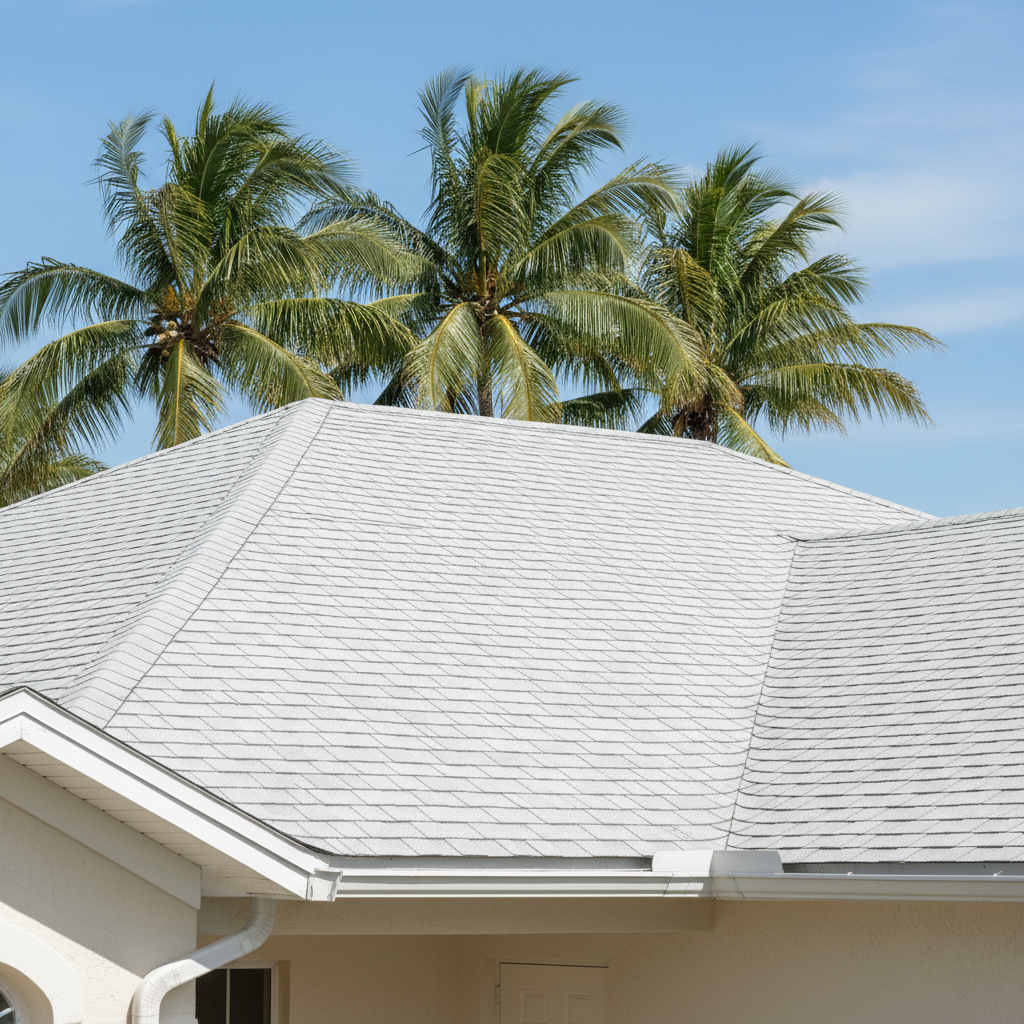
- Architectural Shingles: These are a popular choice due to their affordability and aesthetic appeal. Nationally, architectural shingles might last 25-30 years. However, in Florida, the intense UV radiation and heat degrade the asphalt granules much faster. We typically see them lasting closer to 15-20 years, sometimes even less if exposed to multiple severe storms. They are designed to meet certain wind ratings, often up to 130 mph, which is essential for hurricane categories up to Category 3.
- Standing Seam Metal Roofs: Metal roofs are gaining popularity for their durability and energy efficiency. A high-quality standing seam metal roof can last anywhere from 40-70 years in Florida. Their robust interlocking panels and superior wind resistance make them an excellent choice for our hurricane-prone region, often exceeding the 130 mph wind rating requirements. While the upfront cost is higher, their longevity and minimal maintenance often provide long-term savings.
- Concrete and Clay Tile Roofs: Tile roofs offer exceptional durability and a distinct aesthetic, commonly seen in Melbourne Beach, FL. Concrete and clay tiles are incredibly resistant to high winds, fire, and insects. They can easily last 50 years or more, with many installations exceeding 75 years if properly maintained. These materials are heavy and require a strong roof deck, but their ability to withstand hurricane-force winds and extreme heat makes them a top contender for the longest-lasting roof in Florida.
How Florida’s Climate Accelerates Roof Aging
Beyond material specifics, the Florida climate itself is a significant factor in roof degradation. The daily cycle of intense sun exposure causes thermal expansion and contraction, which can lead to cracking and warping over time. High humidity fosters mold, mildew, and algae growth, especially on shaded areas of shingles, which can hold moisture and accelerate material breakdown. Furthermore, the salt-laden air along coastal communities like Melbourne Beach can be corrosive to metal components, fasteners, and even some shingle materials, shortening their effective lifespan.
The constant threat of severe weather events, from torrential downpours to full-blown hurricanes, also takes a toll. Even if a roof doesn’t suffer catastrophic damage, the cumulative effect of high winds, flying debris, and heavy rain can loosen shingles, compromise seals, and accelerate wear. It’s not just the big storms; continuous exposure to strong gusts and heavy rain during our regular wet season contributes to an earlier need for roof replacement than in milder climates.
Warning Signs Your Roof is Nearing the End of its Lifespan
Knowing the average roof lifespan in Florida for your material is one thing, but recognizing the warning signs of an aging roof is another. Don’t wait for a leak to tell you it’s time for a replacement. Regular visual inspections can reveal issues early. Look for missing, cracked, or curled shingles, which indicate material breakdown from sun and wind. Granule loss on asphalt shingles, often visible in gutters, means the protective layer is eroding, leaving the asphalt exposed to UV rays.
Other red flags include dark streaks or moss growth, which suggest moisture retention and potential organic decay. Inside your home, water stains on ceilings or walls are clear indicators of a compromised roof. A sagging roof deck, visible from the ground or attic, points to structural issues that demand immediate attention. If your roof is approaching or has exceeded its expected lifespan, and you’re seeing any of these signs, it’s time to call a professional for an inspection.
What Florida Homeowners Should Do to Extend Roof Lifespan
Protecting your investment and ensuring the safety of your home means being proactive about your roof’s health. In Florida, where roofs face constant assault from the elements, a little vigilance goes a long way. Here are actionable steps every homeowner in Melbourne Beach, FL, and beyond should take to maximize their roof lifespan and avoid costly surprises.
-
1. Schedule Regular Professional Inspections
Why: Even if your roof looks fine from the ground, a professional can spot subtle signs of wear, damage, or potential issues that might be missed by an untrained eye. Early detection of minor problems can prevent them from escalating into major, expensive repairs or premature replacement.
How: Aim for an annual inspection, ideally after hurricane season, and always after any significant storm event. A reputable local roofer will check for loose or missing shingles, compromised flashing, gutter blockages, and signs of water intrusion or structural fatigue. They can also assess compliance with the latest Florida Building Code standards for wind mitigation.
-
2. Keep Gutters and Downspouts Clear
Why: Clogged gutters prevent proper water drainage, causing water to back up and sit on your roof edges or overflow onto fascia boards. This standing water can lead to rot, mold, and premature deterioration of roofing materials and underlying structures.
How: Regularly clear leaves, twigs, and debris from your gutters, especially after heavy rains or windy conditions. Consider installing gutter guards to reduce the frequency of cleaning, but remember they still require occasional maintenance to prevent buildup.
-
3. Trim Overhanging Trees
Why: Tree branches over your roof pose several threats. During storms, they can break off and cause significant damage. Leaves and debris falling onto the roof can trap moisture, promote algae growth, and clog gutters. Branches rubbing against the roof can also abrade shingles over time.
How: Hire a professional arborist to trim branches that are within 10 feet of your roofline. This reduces the risk of impact damage during high winds and minimizes debris accumulation, helping to keep your roof cleaner and drier.
-
4. Ensure Proper Attic Ventilation
Why: In Florida’s hot climate, proper attic ventilation is critical. A poorly ventilated attic traps heat, which can superheat your roof deck and shingles, significantly accelerating their degradation. It also contributes to higher energy bills and can lead to moisture buildup and mold in the attic space.
How: Verify that your attic has adequate intake and exhaust vents. Soffit vents (intake) and ridge vents or static vents (exhaust) work together to create airflow, expelling hot, moist air. A professional roofer or HVAC specialist can assess your current ventilation system and recommend improvements if needed.
-
5. Understand Your Insurance Policy and Document Everything
Why: Florida’s unique weather risks mean that homeowners insurance policies can be complex, especially regarding roof damage and replacement. Knowing your coverage, deductibles, and reporting timelines is crucial for a smooth claims process.
How: Review your policy annually. Take clear, dated photos of your roof when it’s new or in good condition. After any storm, document potential damage immediately with photos or videos. If you suspect damage, contact Florida Roof Bros for an inspection and get a detailed report to present to your insurance company promptly. Be aware of your policy’s deadlines for filing claims, which can be as short as 1-2 years from the date of loss in Florida.
-
6. Address Minor Repairs Promptly
Why: A small issue, like a single missing shingle or a cracked tile, might seem insignificant. However, it creates an entry point for water, which can quickly lead to widespread damage to your underlayment, decking, and interior. Procrastination almost always leads to more expensive repairs.
How: As soon as you notice any damage, no matter how small, contact Florida Roof Bros. We can assess the issue and perform targeted repairs before it compromises your entire roofing system. This proactive approach is key to maximizing your roof lifespan in Florida.
Frequently Asked Questions
What is the average lifespan of an asphalt shingle roof in Melbourne Beach, FL?
Asphalt shingle roofs in Florida typically have a lifespan of 15 to 20 years, though this can vary based on shingle quality and specific environmental factors. The intense UV radiation, high humidity, and frequent severe weather in Melbourne Beach can significantly impact the degradation rate of shingles. Regular maintenance and choosing high-quality, impact-resistant shingles can help maximize their longevity within this range.
How do Florida’s severe weather patterns, like hurricanes, affect roof longevity?
Florida’s relentless severe weather, particularly hurricanes and tropical storms, is a primary factor in reducing a roof’s lifespan. High winds can lift, tear, or completely remove shingles, while torrential rains can exploit even tiny vulnerabilities, leading to water intrusion and structural damage. Even if a roof appears intact after a storm, underlying damage from wind uplift or impact can accelerate its deterioration over time.
Is a metal roof a worthwhile investment for extending roof life in Melbourne Beach?
Absolutely, a metal roof is an exceptional investment for homeowners seeking extended roof life in Melbourne Beach’s challenging climate. Metal roofing systems are renowned for their incredible durability, offering superior resistance to strong winds, fire, and pests. With proper installation and minimal maintenance, a quality metal roof can easily last 40 to 70 years, significantly outperforming traditional materials and providing long-term protection against Florida’s elements.
How often should I schedule a roof inspection to ensure my roof lasts longer in Florida?
Given Florida’s intense weather, it is highly recommended to schedule a professional roof inspection at least once a year, ideally after hurricane season. These thorough inspections can identify subtle issues such as loose fasteners, damaged flashing, or early signs of granule loss that might be missed by an untrained eye. Proactive identification and repair of minor problems are critical for preventing costly major damage and significantly extending your roof’s overall lifespan.
What are the key signs that my roof in Melbourne Beach, FL, might need replacement sooner than expected?
Homeowners in Melbourne Beach should watch for several critical signs indicating premature roof wear. These include widespread curling, cracking, or blistering of shingles, significant granule loss visible in gutters, or any signs of sagging or unevenness in the roof deck. Additionally, interior water stains on ceilings or walls, even small ones, are definitive indicators that your roof’s integrity has been compromised and warrants immediate professional assessment.
Roofing Services Across Central Florida
Florida Roof Bros serves homeowners throughout Brevard County, Pinellas County, and surrounding Central Florida communities. If you need a roof inspection, repair, or replacement in any of these areas, our team is ready to help:
- Palm Bay, FL Roofing
- Melbourne, FL Roofing
- West Melbourne, FL Roofing
- Rockledge, FL Roofing
- Vero Beach, FL Roofing
Protect Your Home: Schedule Your Free Roof Inspection Today
Understanding how long your roof lasts in Florida, particularly in areas like Melbourne Beach, is crucial for effective homeownership. We’ve explored how factors such as material choice, the relentless Florida climate, and consistent maintenance profoundly impact your roof’s longevity. From the typical 15-20 years for asphalt shingles to the 40-70 year resilience of metal roofs, making informed decisions about your roofing system is essential for protecting your investment and ensuring the safety of your family.
Don’t wait for a small issue to become a major problem, especially with Florida’s unpredictable weather. Proactive roof care and timely inspections are the best way to extend your roof’s life and prevent costly future repairs. Whether you’re nearing your roof’s expected lifespan, have recently experienced severe weather, or simply want peace of mind, a professional assessment is invaluable. Our team is dedicated to providing honest evaluations and expert recommendations tailored to your specific needs and the unique demands of the Melbourne Beach environment.
At Florida Roof Bros, we believe in empowering homeowners with knowledge and reliable service. We proudly offer 100% free, no-obligation roof inspections, allowing you to understand your roof’s current condition without any financial commitment. Our experienced professionals will thoroughly assess your roof, identify any potential issues, and discuss the best solutions to enhance its durability and performance. When it comes to securing your home against the elements, don’t compromise. Trust the Pros, Call the Bros today at (321) 446-1702 to schedule your complimentary inspection and ensure your roof is ready for whatever Florida brings.
Need a free roof inspection? Call Florida Roof Bros at (321) 446-1702 or request a free inspection online. Family-owned, no subcontractors, Owens Corning Platinum Preferred. Trust the Pros, Call the Bros.
