

General Roofing
Roofing
How Long Does a Roof Last in Florida?
The afternoon sun beats down on your Vero Beach home, as it does most days, until the familiar rumble of a summer thunderstorm rolls in. You might be inside, enjoying the sudden drop in temperature, when a slight drip appears near a window frame, or perhaps a dark stain on the ceiling catches your eye. Or maybe, after another intense hurricane season, you simply find yourself looking up at your roof, wondering how many more years it truly has left protecting your family and your significant investment.
That feeling of uncertainty is a common one for homeowners across Brevard County and Central Florida. Your roof is arguably the most critical component of your home’s defense against the elements, and understanding its expected longevity is key to proactive home maintenance. This post aims to provide clarity on how long a roof lasts in Florida, helping you make informed decisions about its condition and when to consider an inspection or replacement.
Florida’s unique climate, with its intense sun, torrential downpours, high humidity, and powerful winds, presents challenges that roofs in other parts of the country simply don’t face. These environmental factors significantly impact the lifespan of roofing materials, often shortening them compared to manufacturer estimates from milder regions. Knowing what to expect and what factors contribute to premature wear can save you considerable stress and expense down the line.
We understand the importance of a sturdy, reliable roof. As a family-owned business with over 25 years of combined experience, Florida Roof Bros has seen firsthand the toll our climate takes on various roofing systems. We believe in empowering homeowners with knowledge, because an informed decision is always the best decision for your home’s long-term health. If you ever have questions or concerns about your roof’s integrity, don’t hesitate to call us at (321) 446-1702.
This discussion isn’t just about the age of your roof; it’s about its resilience, its current condition, and its ability to continue protecting what matters most. By understanding the typical lifespan of different roofing materials in our specific climate, you can better budget for future repairs or replacements and identify potential issues before they escalate into costly emergencies. Planning ahead is always more effective than reacting to a crisis.
Ultimately, your roof’s longevity is a complex equation influenced by many variables beyond its initial installation date. Equipping yourself with this foundational knowledge is the first step towards ensuring your Vero Beach home remains secure and protected for years to come. We’ll delve into the specific environmental factors and other considerations that directly affect how long your roof will truly last.
The Unique Environmental and Structural Demands on a Florida Roof
Understanding how long a roof lasts in Florida requires a deep dive into the environmental and regulatory landscape that shapes every installation. Unlike roofs in cooler, drier climates, a roofing system in Vero Beach, or anywhere in Brevard County, faces a relentless barrage of forces designed to shorten its life. From the moment it’s installed, it’s battling against intense UV radiation, extreme heat, heavy rainfall, and the constant threat of powerful winds and hurricanes.
The scorching Florida sun is perhaps the most underestimated adversary. Daily exposure to high levels of ultraviolet (UV) radiation breaks down roofing materials over time, causing asphalt shingles to dry out, crack, and lose their protective granules. This granular loss not only diminishes the aesthetic appeal of your roof but significantly reduces its ability to reflect heat and protect the underlying asphalt from further degradation. Intense heat also causes materials to expand and contract repeatedly, stressing fasteners and seals.
Florida’s notorious rainy season, characterized by daily downpours and tropical storms, introduces another layer of challenge. Persistent moisture, combined with the high humidity, creates an ideal breeding ground for algae, moss, and mildew, particularly on north-facing slopes or shaded areas. These organic growths can trap moisture against the roof surface, accelerate material breakdown, and even compromise drainage, leading to water intrusion if left unaddressed. Furthermore, heavy rain can expose weaknesses in flashing, seals, and poorly maintained gutters.
Beyond the daily weather, Florida’s building codes play a critical role in roof longevity and resilience. Following the devastation of Hurricane Andrew, the state implemented some of the most stringent building codes in the nation, particularly concerning wind resistance. Modern roofs installed by licensed, insured, and certified professionals like Florida Roof Bros (FL license CCC1332911) are built to withstand much higher wind speeds than older roofs. This means a roof installed fifteen years ago might not offer the same level of protection or structural integrity as one installed today, even if it appears visually similar.
The quality of installation and the materials used are paramount. Even the best materials will fail prematurely if not installed correctly. This is why Florida Roof Bros uses only in-house crews, never subcontractors, ensuring consistent quality and adherence to industry best practices. As an Owens Corning Platinum Preferred Contractor, we are held to the highest standards, ensuring that every roof we install, whether in Pinellas County or Central Florida, is built for maximum durability and performance against our challenging climate. This commitment to quality is part of why we have earned an A+ rating by the BBB and boast over 300 five-star Google reviews.
Ultimately, while material quality and expert installation lay a strong foundation, the relentless Florida environment demands a proactive approach to roof care. Understanding these factors provides the essential context for recognizing when your roof might be showing signs of age or stress. It’s not just about the calendar age of your roof; it’s about how well it has weathered years of intense sun, drenching rains, and powerful winds, all while adhering to evolving building standards designed to keep your home safe.
How Florida’s Climate Impacts Your Roof’s Lifespan
Living in Vero Beach means enjoying beautiful weather, but it also means your roof faces unique challenges that significantly shorten its lifespan compared to homes in other parts of the country. The relentless Florida sun, high humidity, torrential rains, and hurricane-force winds all work together to accelerate wear and tear. Understanding these factors is crucial for any homeowner looking to protect their investment and ensure their home remains safe and dry for years to come.
Common Roofing Materials and Their Lifespans in Florida
The type of material you choose plays a huge role in how long your roof will last against the Sunshine State’s harsh elements. Here’s a look at what you can expect from the most common options we see here in Vero Beach, along with how they stack up against national averages:
- Architectural Shingles: These are the most popular choice for homes across Florida due to their cost-effectiveness and aesthetic appeal. While nationally they might last 20-30 years, in Florida’s intense heat and UV exposure, you’re typically looking at a lifespan of 15-25 years. The Florida Building Code mandates specific wind resistance ratings and installation techniques, like a 6-nail pattern, which helps them stand up better to our storms, but UV degradation remains a primary concern.
- Standing Seam Metal Roofs: Growing in popularity, metal roofs offer superior durability and energy efficiency. They can last anywhere from 30 to 50+ years here in Florida, often outperforming their national average due to their inherent resistance to wind, fire, and pests. Their ability to shed water quickly and resist algae growth makes them an excellent choice for our humid climate, though coastal salt air can accelerate corrosion on less robust finishes.
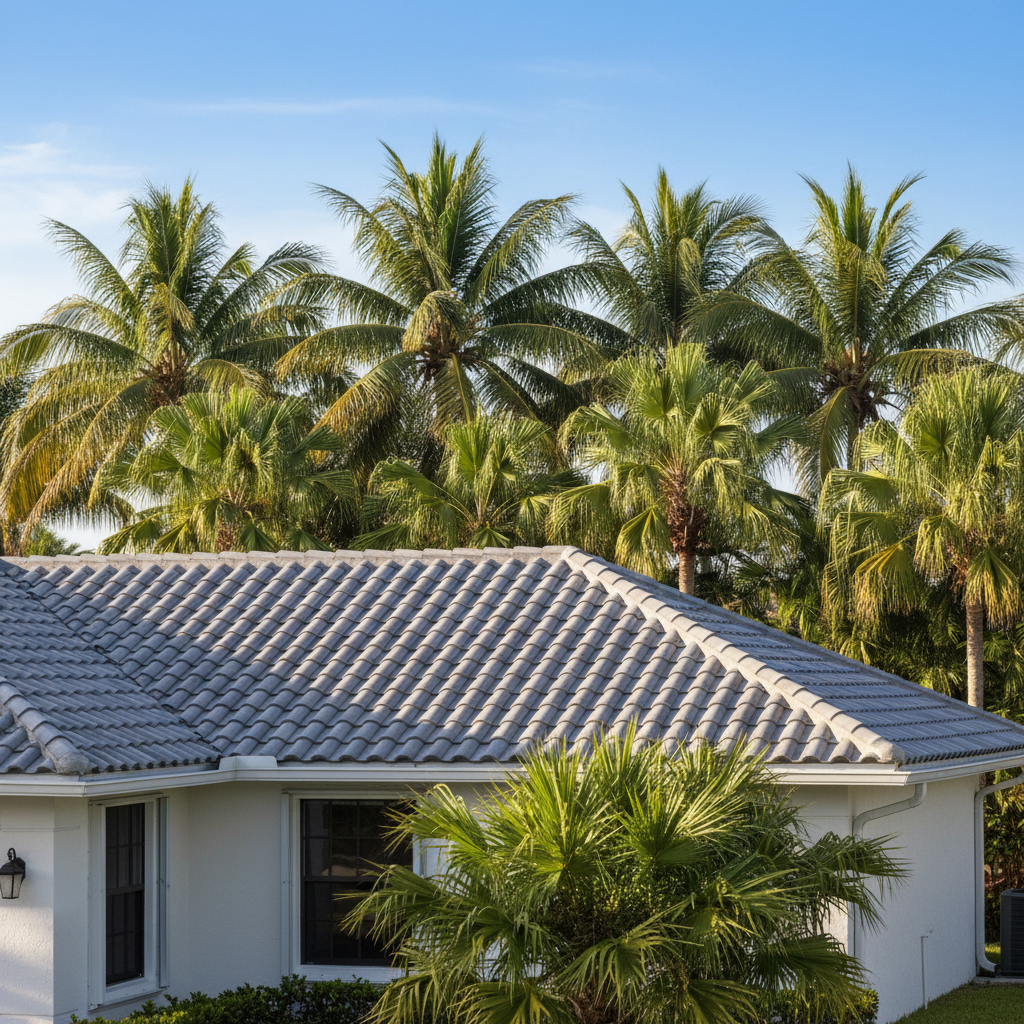
- Concrete Tile Roofs: A classic Florida look, concrete tiles are incredibly robust and can withstand significant abuse from the elements. With proper installation and maintenance, these roofs can last 30 to 50+ years, easily meeting or exceeding national averages. Their heavy nature provides excellent wind resistance, and they are impervious to rot and most forms of weather degradation, making them a very long-term investment.
The sun is arguably your roof’s biggest enemy in Florida. Constant exposure to intense ultraviolet (UV) radiation breaks down the asphalt in shingles, causing them to dry out, crack, and lose their protective granules. This granule loss exposes the underlying asphalt, rapidly accelerating deterioration. For metal roofs, UV rays can fade colors and degrade protective coatings, while even robust tile roofs can experience some surface degradation over many decades if not properly maintained.
Beyond UV, our tropical climate brings a cocktail of destructive forces. High winds from hurricanes and tropical storms, often exceeding Category 1 or 2 strength, can lift and tear shingles, damage flashing, and compromise the entire roof system. The Florida Building Code is designed to mitigate this, requiring advanced fastening techniques and stronger materials. Continuous humidity and frequent heavy rains also foster the growth of algae, moss, and mildew, which retain moisture, degrade materials, and can lead to wood rot in the underlying structure if left unchecked. For homes in coastal areas like Vero Beach, salt spray in the air accelerates corrosion on metal components, including flashing, fasteners, and even some metal roofing systems, requiring specific rust-resistant materials.
Warning Signs Your Roof is Nearing the End of its Life
Being proactive about identifying problems can save you thousands of dollars and prevent extensive water damage. Keep an eye out for these common indicators that your roof might be reaching the end of its useful lifespan:
- Missing, Cracked, or Curled Shingles: These are clear signs of age and weather damage, indicating the shingles are losing their flexibility and protective qualities.
- Granule Loss: If you see dark, bald spots on your shingles or an accumulation of granules in your gutters, it means the protective layer of your asphalt shingles is wearing away, exposing them to further damage.
- Dark Streaks or Algae Growth: While often cosmetic, extensive algae or moss growth indicates prolonged moisture retention, which can degrade roofing materials over time.
- Sagging Roof Deck: A visible sag or dip in your roofline suggests structural issues, potentially from water damage to the underlying decking or trusses.
- Water Stains on Ceilings or Walls: Any discoloration on your interior ceilings or walls is a definite sign of a leak, often originating from the roof.
- Higher Energy Bills: A deteriorating roof can lose its insulating properties, allowing more heat into your attic and home, forcing your AC to work harder.
- Daylight Visible in the Attic: If you can see light peering through your roof decking from inside your attic, you have holes that will eventually lead to leaks.
- Rust on Flashing or Fasteners: Corroded metal components can be a source of leaks and indicate that your roof’s protective elements are failing.
- Age of the Roof: If your roof is approaching or has exceeded its typical lifespan for Florida (e.g., 15-20 years for asphalt shingles), it’s time for a professional inspection, regardless of visible damage.
Don’t wait until you have a major leak to address these issues. Minor problems can quickly escalate into significant, costly damage in Florida’s unpredictable weather. A professional roof inspection can accurately assess the condition of your roof and provide you with a clear picture of its remaining life and any necessary repairs.
Proactive Steps for Vero Beach Homeowners
Protecting your roof in Florida requires more than just hoping for the best. Taking proactive steps can significantly extend your roof’s lifespan, prevent costly damage, and give you peace of mind, especially during hurricane season. Here’s what every homeowner in Vero Beach should be doing:
-
Schedule Regular Professional Roof Inspections:
Why: A trained eye can spot subtle issues that you might miss, like loose flashing, minor shingle damage, or early signs of water intrusion. Catching these problems early can prevent them from escalating into major, expensive repairs. This is crucial in Florida where small issues can quickly become big ones after a single storm.
How: We recommend an annual inspection, and definitely one after any significant storm activity. A qualified roofer will check all components, including shingles, tiles, flashing, gutters, and the attic space, providing you with a detailed report on your roof’s condition.
-
Keep Gutters and Downspouts Clear:
Why: Clogged gutters prevent water from draining properly, leading to overflow that can pool around your foundation, rot fascia boards, and even back up under your shingles. This constant moisture is a breeding ground for mold and can compromise your roof’s edge.
How: Clean your gutters at least quarterly, or more frequently if you have many trees nearby. Ensure downspouts direct water several feet away from your home’s foundation to prevent erosion and water intrusion.
-
Trim Overhanging Trees and Branches:
Why: Branches rubbing against your roof can scuff and damage shingles, while falling leaves and debris can clog gutters and retain moisture. More importantly, during a storm, heavy branches can break off and cause catastrophic damage to your roof and home.
How: Keep tree branches trimmed back at least 6-10 feet from your roofline. This not only protects against storm damage but also reduces shade that promotes moss and algae growth, and limits access for pests like squirrels and raccoons.
-
Ensure Proper Attic Ventilation:
Why: In Florida’s scorching heat, an unventilated attic can reach extreme temperatures, baking your roof from the inside out. This accelerates the degradation of your roofing materials, especially shingles, and drives up your energy bills. Proper ventilation allows hot, moist air to escape, extending roof life and improving home comfort.
How: Verify you have adequate soffit and ridge vents, or other static/powered ventilation systems. If your attic feels like an oven, consult with a professional to assess and potentially enhance your ventilation system.
-
Address Algae and Moss Promptly:
Why: Those dark streaks and green patches are more than just an eyesore. Algae, moss, and lichen retain moisture, which can degrade roofing materials, especially asphalt shingles, and shorten their lifespan. They can also make your roof less reflective, increasing heat absorption.
How: Use roof-safe cleaning solutions specifically designed to kill and prevent these growths. Avoid high-pressure washing, which can damage shingles and remove protective granules. Consider installing zinc or copper strips near the ridge of your roof to naturally inhibit growth.
-
Understand Your Homeowner’s Insurance Policy (Florida Specific):
Why: Florida’s insurance landscape for roofs is complex, with specific rules regarding age, type of damage, and reporting timelines. Knowing your coverage, deductibles, and the process for filing a claim *before* disaster strikes is critical for a smooth recovery.
How: Review your policy annually with your agent. Pay close attention to clauses related to wind damage, hurricane deductibles, and the timeframe for reporting roof damage (often within 1-2 years, but sooner is always better). Document your roof’s condition with photos and videos regularly.
-
Prepare for Hurricane Season:
Why: From June to November, Florida is in the crosshairs for tropical storms and hurricanes. Proactive preparation can significantly reduce the risk of severe roof damage and streamline any post-storm recovery efforts.
How: Beyond trimming trees and clearing gutters, ensure your hurricane shutters are ready, and secure any loose items around your yard. If you’re planning a re-roof, consider upgrading to a secondary water barrier or enhanced fastening systems that exceed minimum code requirements for added protection. Have a trusted local roofer’s contact information readily available.
Frequently Asked Questions
What specific environmental factors in Vero Beach, FL, shorten a roof’s lifespan?
Vero Beach roofs face relentless sun exposure, high humidity, and frequent severe weather, including hurricanes and tropical storms. These elements accelerate material degradation, leading to cracking, fading, and granule loss much faster than in other climates. The constant cycle of heat, moisture, and wind can significantly reduce a roof’s expected longevity.
How often should a homeowner in Vero Beach, FL, have their roof professionally inspected?
For optimal roof health and to maximize its lifespan in Vero Beach, we strongly recommend a professional inspection at least once a year. This proactive approach helps identify minor issues before they become major problems. Additionally, after any major storm, regardless of apparent damage, a thorough check is crucial to catch subtle issues and ensure your roof’s integrity.
Do certain roofing materials last longer in the harsh Florida climate compared to others?
Yes, metal and tile roofs generally offer superior longevity in Florida’s climate due to their inherent durability against wind, rain, and intense UV rays. While asphalt shingles are common, their lifespan can be significantly impacted by the intense heat, humidity, and frequent storm activity. Investing in more resilient materials often proves to be a wise long-term decision for homeowners in Vero Beach.
What are the key signs that my Vero Beach roof might need replacement, even if it’s not very old?
Homeowners should look for missing or cracked shingles, significant granule loss accumulating in your gutters, a visible sag in the roof deck, or water stains on your interior ceilings. These indicators suggest your roof’s protective capabilities are compromised and it’s no longer functioning optimally. Prompt professional assessment is essential to prevent further damage and costly repairs.
Is investing in a higher-cost roofing material like metal or tile truly worth it for a longer lifespan in Florida?
Absolutely. While the initial investment for materials like metal and tile is higher, they offer significantly extended lifespans, often 30-50 years or more, and require less frequent maintenance compared to asphalt shingles. This can lead to substantial long-term savings on repairs and replacements, increased home value, and superior protection against the challenging Florida environment. It’s an investment in lasting peace of mind.
Roofing Services Across Central Florida
Florida Roof Bros serves homeowners throughout Brevard County, Pinellas County, and surrounding Central Florida communities. If you need a roof inspection, repair, or replacement in any of these areas, our team is ready to help:
- Palm Bay, FL Roofing
- Melbourne, FL Roofing
- West Melbourne, FL Roofing
- Rockledge, FL Roofing
- Sebastian, FL Roofing
Your Roof’s Lifespan in Vero Beach: Protection You Can Count On
In summary, the lifespan of a roof in Vero Beach, FL, is a complex interplay of many factors, from the materials chosen to the quality of installation and the vigilance of ongoing maintenance. While the Florida climate presents unique challenges, understanding these elements empowers homeowners to make informed decisions. By prioritizing durable materials, expert installation, and regular inspections, you can significantly extend your roof’s life, ensuring your home remains a secure and comfortable sanctuary against the elements.
Don’t leave the integrity of your home to chance. If you’re wondering about your roof’s current condition, its age, or simply desire professional reassurance, Florida Roof Bros is your trusted partner in Vero Beach. We proudly offer 100% free, no-obligation roof inspections for homeowners throughout Vero Beach and the surrounding communities. There’s no cost to you to have our experts take a comprehensive look.
Our experienced and certified team will conduct a thorough assessment of your roof, identifying any existing or potential issues with precision. We believe in complete transparency, providing you with a clear, honest evaluation and recommending only the most appropriate and cost-effective solutions, whether it involves a minor repair, proactive maintenance, or a complete replacement. Our commitment is to quality craftsmanship and your complete satisfaction.
Are you ready to ensure your roof is resilient and ready for whatever the Florida weather might bring, from intense sunshine to tropical storms? Take the first step towards lasting peace of mind by reaching out to the roofing experts at Florida Roof Bros today. Trust the Pros, Call the Bros. Schedule your completely free inspection by calling us directly at (321) 446-1702. We are ready to assist you in protecting your most valuable asset.
Need a free roof inspection? Call Florida Roof Bros at (321) 446-1702 or request a free inspection online. Family-owned, no subcontractors, Owens Corning Platinum Preferred. Trust the Pros, Call the Bros.
