

General Roofing
Roofing
How Long Does a Roof Last in Florida?
The afternoon sun beats down on Vero Beach, casting long shadows across your lawn. You’re enjoying a quiet moment on the porch, perhaps after a quick afternoon shower, when your gaze drifts upwards. There it is, your roof, silently standing guard over your home. You’ve lived here for years, maybe even decades, and a thought crosses your mind: “How much longer does this roof really have?” It’s a common question for any Florida homeowner, especially with our unique climate, and it’s one that often comes with a bit of uncertainty.
Here in the Sunshine State, a roof isn’t just a cover; it’s a critical shield against relentless UV rays, torrential downpours, oppressive humidity, and the occasional fury of hurricane season. These elements relentlessly test the integrity of even the most robust roofing systems, often shortening their expected lifespan compared to roofs in milder climates. Understanding these constant challenges is the first step in knowing what to look for and when to act, ensuring your home remains protected.
This post aims to demystify the lifespan of a roof specifically for homeowners in Vero Beach and across Brevard and Pinellas Counties. We’ll help you understand the factors that impact how long your roof will last, from the materials it’s made of to the relentless Florida weather it endures. More importantly, we’ll equip you with the knowledge to recognize the subtle, and not-so-subtle, warning signs that your roof might be nearing the end of its service, helping you make informed decisions before minor issues become major headaches.
When it comes to protecting your most valuable asset, having a reliable local expert you can trust is invaluable. At Florida Roof Bros, we’re a family-owned company deeply rooted in the community, with over 25 years of combined experience specifically tackling Florida’s roofing challenges. We believe in transparency and education, which is why we’re sharing this information. If you ever have questions or need a professional assessment, don’t hesitate to give us a call at (321) 446-1702 , we’re always here to help.
Being proactive about your roof’s health can save you significant time, money, and stress in the long run. By understanding the typical lifespan of different roofing materials and knowing what warning signs to look for, you can avoid emergency situations and plan for necessary repairs or replacements on your own terms. Our goal is to empower you with the knowledge to safeguard your home effectively, ensuring peace of mind beneath a sturdy, reliable roof.
Understanding Your Roof’s Battle Against the Florida Elements
To truly grasp how long a roof lasts in Florida, especially in areas like Vero Beach, we must first understand the formidable opponents it faces daily. Our climate is unique, characterized by intense heat and humidity, frequent heavy rainfall, and the ever-present threat of severe storms and hurricanes. Each of these factors contributes significantly to the accelerated wear and tear of a roofing system, often shortening its projected lifespan compared to national averages.
The relentless Florida sun, with its potent ultraviolet (UV) radiation, is a primary culprit. UV rays degrade roofing materials over time, causing asphalt shingles to dry out, crack, and lose their protective granules. For metal roofs, prolonged sun exposure can lead to fading and a breakdown of protective coatings. High humidity fosters the growth of mold, mildew, and algae, which not only look unsightly but can also trap moisture against the roof surface, leading to material deterioration and compromising its integrity.
Furthermore, Florida’s frequent and often intense rain showers, combined with strong winds, can inflict considerable damage. Heavy downpours test the roof’s ability to shed water efficiently, potentially leading to leaks if flashing or seals are compromised. Wind-driven rain can be particularly destructive, forcing water into areas that would otherwise remain dry. Strong winds, even below hurricane force, can lift and dislodge shingles, tiles, or metal panels, creating vulnerabilities that escalate quickly.
Building codes in Florida, particularly those updated after major hurricane events, reflect these harsh realities. Modern roofing installations are required to meet stringent standards for wind resistance, material quality, and attachment methods. While these codes enhance a roof’s resilience, they also underscore the extreme conditions a roof is expected to withstand. A roof installed to current standards will inherently perform better and last longer than one installed under older, less rigorous codes.
The type of roofing material also plays a crucial role in its longevity when subjected to Florida’s climate. While a standard asphalt shingle roof might last 15-20 years in Florida, compared to 20-30 years elsewhere, metal roofs can often exceed 30-50 years, and tile roofs can last 50 years or more with proper maintenance. However, even these durable materials are not impervious to the elements, and their actual lifespan is heavily influenced by the quality of installation and ongoing care.
Understanding these foundational elements , the climate, the materials, and the building codes , provides the essential context for identifying warning signs. When you see a specific issue on your roof, knowing that Florida’s intense sun might have baked the granules off your shingles, or that a recent storm’s winds could have loosened a tile, helps you interpret the problem accurately. This knowledge empowers homeowners to recognize when a professional assessment is needed, preventing small issues from escalating into costly structural damage.
Understanding Your Roof’s Lifespan in the Florida Climate
Living in Vero Beach, you know our Florida climate is unique. It’s beautiful, but it’s also incredibly harsh on your home, especially your roof. When we talk about “roof lifespan Florida,” we’re not just throwing out a number; we’re considering relentless sun exposure, high humidity, torrential downpours, and the ever-present threat of tropical storms and hurricanes. These factors significantly accelerate wear and tear compared to roofs in cooler, drier climates. Understanding how long your roof should last, and more importantly, how to spot when it’s nearing its end, is crucial for protecting your investment and your family.
Average Lifespan by Roofing Material in Florida
The expected lifespan of your roof largely depends on the material chosen, each offering different levels of resilience against Florida’s elements. While national averages might suggest longer durations, our local conditions often shave years off those estimates. It’s vital to choose materials that meet or exceed the stringent Florida Building Code requirements for wind resistance, especially for properties in hurricane-prone zones like Vero Beach.
- Architectural Shingles: These are the most common roofing material in Florida due to their affordability and versatility. Nationally, they might last 20-30 years, but in Florida, the intense UV radiation, heat, and humidity often reduce their effective lifespan to 15-25 years. The granules on the shingles, which protect them from the sun, erode faster here. Most architectural shingles installed today must meet high wind resistance ratings, often tested to withstand winds up to 130 mph, crucial for our hurricane seasons.
- Standing Seam Metal Roofs: Known for their durability and sleek appearance, metal roofs are an excellent choice for Florida. A high-quality standing seam metal roof can last anywhere from 30-50 years or even longer with proper maintenance. They are highly resistant to wind, fire, and pests, and their reflective properties can help with energy efficiency. When properly installed to Florida Building Code standards, they offer superior protection against hurricane-force winds.
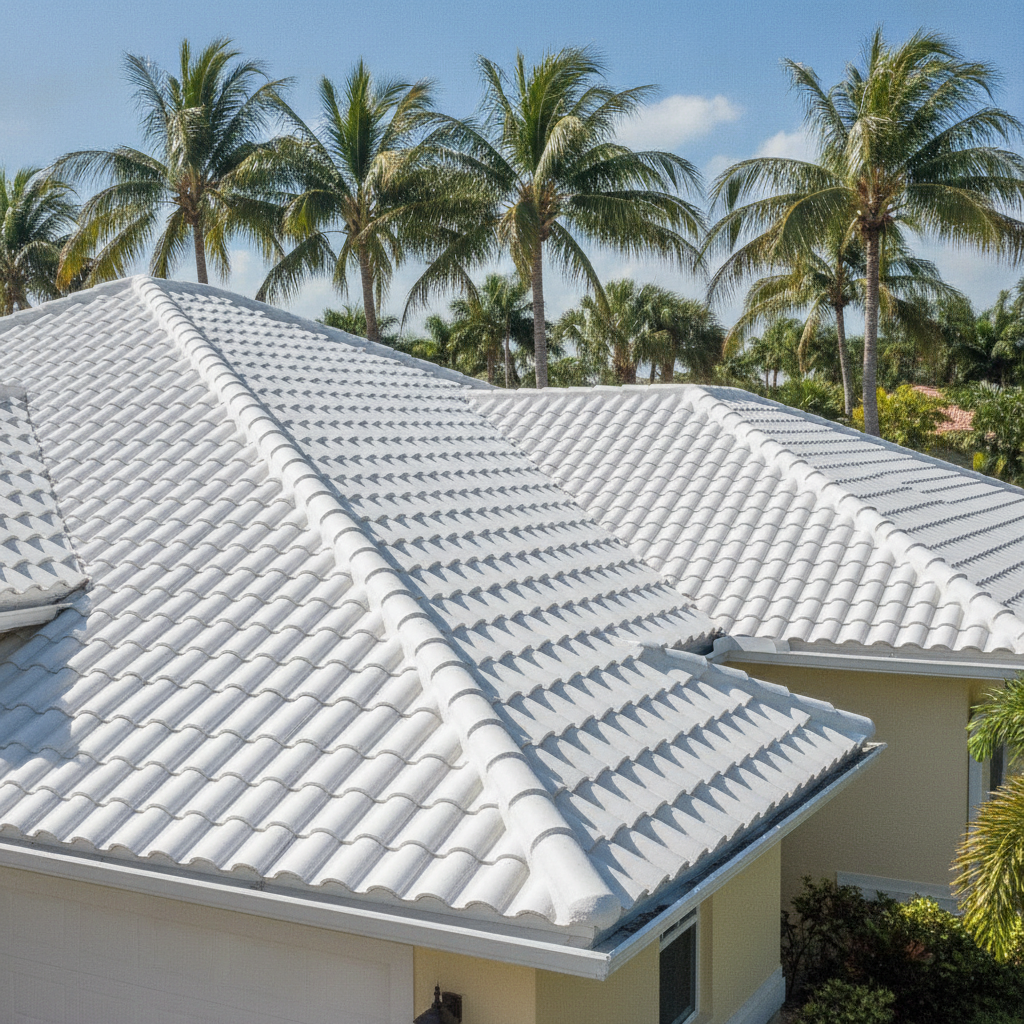
- Concrete and Clay Tiles: These premium materials offer exceptional longevity, often lasting 50 years or more, frequently considered a “lifetime” roof. Concrete and clay tiles are incredibly durable against high winds, heat, and salt air, making them ideal for coastal Florida properties. While the tiles themselves last for decades, the underlayment beneath them will eventually need replacement, typically every 20-30 years, which is a significant factor in their overall performance in our climate.
How Florida’s Climate Affects Your Roof
Our unique subtropical climate is the primary antagonist to your roof’s longevity. The intense sun, with its high UV index, constantly bakes and degrades roofing materials, causing them to become brittle, crack, and lose their protective qualities. This is especially true for asphalt shingles, where the UV rays break down the asphalt and dislodge the protective granules.
Beyond the sun, the persistent high humidity and heavy rainfall create a breeding ground for algae, moss, and mold. These growths not only look unsightly but also retain moisture, leading to premature deterioration of shingles and tiles, and can even cause rot on the underlying roof deck and fascia if left unchecked. Furthermore, the salt-laden air in coastal areas like Vero Beach can accelerate corrosion on metal components and fasteners, compromising the structural integrity of your roof over time.
And then there are the storms. From daily summer thunderstorms with their sudden downpours and strong gusts to the more severe tropical storms and hurricanes (Category 1, 2, 3, 4, 5), Florida roofs are put through extreme tests. High winds can lift, tear, or even entirely remove shingles and tiles, while driving rain can infiltrate even the smallest breaches, leading to significant water damage inside your home. The Florida Building Code continuously updates its requirements to ensure roofs can withstand these forces, but even the best-installed roof has a limit.
Warning Signs of an Aging Roof in Vero Beach
Knowing the typical “roof lifespan Florida” for your material is one thing, but recognizing the specific warning signs that your roof is nearing the end of its service is another. Catching these issues early can prevent minor problems from escalating into costly structural damage. Keep an eye out for these indicators:
- Missing, Cracked, or Damaged Shingles/Tiles: This is perhaps the most obvious sign. Missing pieces leave your underlayment exposed, while cracks allow water to seep in. For tiles, look for chips or complete breaks.
- Granule Loss on Asphalt Shingles: If you notice excessive granules in your gutters or downspouts, it means your shingles are losing their protective top layer, making them vulnerable to UV rays and water.
- Curling, Buckling, or Blistering Shingles: These deformations indicate the shingles are drying out, losing their elasticity, and becoming brittle due to prolonged sun exposure and age.
- Sagging Roof Deck: A visible sag or dip in your roofline is a serious structural concern, often indicating rotting wood in the decking or rafters due to long-term moisture intrusion.
- Water Stains on Ceilings or Walls: Any discoloration, peeling paint, or damp spots inside your home points directly to a roof leak. Don’t ignore these; they often signal a larger problem.
- Excessive Moss or Algae Growth: While some green growth is common, widespread, thick moss or algae indicates prolonged moisture retention, which degrades roofing materials over time.
- Rust on Metal Roofs or Flashing: Rust compromises the integrity of metal components, leading to leaks and structural weakening, especially in coastal environments.
- Increased Energy Bills: An aging roof can lose its insulating properties, leading to higher cooling costs as your HVAC system works harder to compensate.
If you observe any of these warning signs, it’s time to call in a professional Vero Beach roofing contractor like Florida Roof Bros for a thorough inspection. Proactive assessment can save you significant repair costs and extend your roof’s effective lifespan.
What Florida Homeowners Should Do
Protecting your roof in Vero Beach means being proactive and understanding the unique challenges our local climate presents. Don’t wait for a major storm to realize your roof needs attention. Here are actionable steps every Florida homeowner should take to extend their “roof lifespan Florida” and ensure their home remains safe and dry:
-
Schedule Regular Professional Roof Inspections:
WHY: Annual inspections, especially after hurricane season or any significant storm, are the best way to catch minor issues before they become major, costly repairs. A professional can identify subtle signs of wear, damage, or potential leaks that are invisible from the ground.
HOW: Contact a reputable local roofer like Florida Roof Bros for a comprehensive inspection. We’ll assess the condition of your shingles, tiles, flashing, gutters, and overall roof structure, providing you with a detailed report and recommendations.
-
Maintain Clean Gutters and Downspouts:
WHY: Clogged gutters prevent proper drainage, causing water to back up onto your roof, pool around the fascia, and potentially seep into your attic or walls. This constant moisture accelerates rot, encourages mold growth, and can even compromise your foundation.
HOW: Clean your gutters at least twice a year, or more frequently if you have overhanging trees. Ensure downspouts are clear and direct water at least 5-10 feet away from your home’s foundation.
-
Trim Overhanging Tree Branches:
WHY: Branches touching or hanging over your roof can scratch and abrade roofing materials, dislodge granules, and deposit leaves and debris that trap moisture. During storms, falling branches are a common cause of severe roof damage.
HOW: Keep all tree branches trimmed back at least 5-10 feet from your roof surface. This not only protects your roof but also reduces access points for pests like squirrels and raccoons.
-
Address Moss, Algae, and Lichen Growth Promptly:
WHY: These growths thrive in Florida’s humidity and shade, retaining moisture on your roof’s surface. They can degrade shingles and tiles, causing them to lift, crack, and prematurely age, significantly shortening your “roof lifespan Florida.”
HOW: Consult with a professional. They can apply appropriate treatments or install zinc/copper strips to inhibit growth. Never pressure wash your roof, especially asphalt shingles, as this can severely damage the protective granules and void warranties.
-
Understand Your Homeowner’s Insurance Policy and Document Your Roof:
WHY: Florida’s insurance market is complex, and knowing your policy’s specifics regarding wind, hail, and water damage is critical. Documenting your roof’s condition before a storm can expedite claims and ensure you receive fair compensation for damage.
HOW: Review your policy annually, paying close attention to deductibles, coverage limits, and timelines for filing claims (often within 2 years, but sooner is always better). Take clear photos and videos of your roof’s condition, both interior and exterior, at least once a year and after any significant work. Store these securely.
-
Prioritize Professional Repairs, No Matter How Small:
WHY: Even a small leak can lead to extensive and expensive damage if not addressed correctly and immediately. DIY repairs often lack the expertise, specialized tools, and knowledge of Florida Building Code requirements, potentially voiding warranties or causing further issues.
HOW: For any roof damage, from a few missing shingles to a suspected leak, contact a licensed and insured Vero Beach roofing contractor like Florida Roof Bros. We ensure repairs are done safely, correctly, and up to code, protecting your home and your investment.
-
Consider Roof Upgrades for Enhanced Resiliency:
WHY: When it’s time for a roof replacement, investing in higher wind-rated materials or advanced installation techniques can significantly enhance your home’s protection against future storms, potentially lowering insurance premiums, and extending your “roof lifespan Florida.”
HOW: Discuss options with your roofing contractor. This might include installing a secondary water barrier (peel-and-stick underlayment), using upgraded fasteners, or choosing materials like standing seam metal or concrete tiles that offer superior durability against Florida’s harsh environment and meet the latest Florida Building Code standards.
Frequently Asked Questions
How long do asphalt shingle roofs typically last in Vero Beach’s climate?
In Vero Beach, asphalt shingle roofs generally last between 15 to 25 years. However, this range can vary significantly due to intense sun exposure, high humidity, and the impact of severe weather events like hurricanes and tropical storms, which accelerate wear and tear.
What specific environmental factors in Florida most shorten a roof’s lifespan?
Florida’s unique environment presents several challenges. Constant UV radiation from the sun degrades roofing materials over time, while high humidity encourages mold, mildew, and algae growth. Frequent heavy rains and strong winds from tropical storms and hurricanes also cause significant physical damage, reducing overall longevity.
Is a metal roof truly worth the higher upfront cost for longevity in Vero Beach?
Yes, for many homeowners in Vero Beach, a metal roof is a worthwhile investment due to its exceptional durability and lifespan. Metal roofs can last 40 to 70 years or even longer, offering superior resistance to hurricanes, fire, and pests, ultimately providing long-term savings and peace of mind.
How often should homeowners in Vero Beach have their roof inspected?
It is highly recommended that homeowners in Vero Beach have their roofs inspected at least once a year, ideally before hurricane season. Additionally, a professional inspection should always be performed after any significant weather event, such as a severe thunderstorm or tropical storm, to catch potential damage early.
What are the key signs that my roof in Vero Beach might need replacement, even if it isn’t visibly leaking?
Beyond obvious leaks, look for signs like curling, buckling, or missing shingles, especially after a storm. Granule loss from asphalt shingles, visible in gutters or downspouts, indicates the roof is losing its protective coating. Sagging sections of the roof deck or widespread moss and algae growth that cannot be easily cleaned are also strong indicators of aging or damage.
Roofing Services Across Central Florida
Florida Roof Bros serves homeowners throughout Brevard County, Pinellas County, and surrounding Central Florida communities. If you need a roof inspection, repair, or replacement in any of these areas, our team is ready to help:
- Palm Bay, FL Roofing
- Melbourne, FL Roofing
- West Melbourne, FL Roofing
- Rockledge, FL Roofing
- Sebastian, FL Roofing
Conclusion & Next Steps
Understanding how long your roof will last in Florida’s challenging climate, particularly here in Vero Beach, involves many variables, from the type of material you choose to the maintenance you provide. While some roofs can endure for decades, others may require attention sooner due to the relentless sun, humidity, and the impact of severe weather. The key takeaway is that proactive care and informed decisions are crucial for maximizing your roof’s lifespan and protecting your home.
Don’t wait for a small issue to become a major problem. If you have concerns about your roof’s age, condition, or simply want to know its remaining lifespan, taking action now can save you significant time, money, and stress in the future. A professional assessment provides invaluable insight into your roof’s health and helps you plan accordingly, whether for repairs or a full replacement.
At Florida Roof Bros, we believe in providing clear, honest, and expert advice to our neighbors in Vero Beach and beyond. We offer 100% free, no-obligation roof inspections, allowing our experienced team to thoroughly assess your roof’s condition and provide you with a detailed report and recommendations. There’s no cost to you for this essential service, just peace of mind.
Whether you’re curious about your roof’s current state or suspect it might be time for an upgrade, our friendly team is ready to help. For a comprehensive, free inspection and trusted guidance, don’t hesitate to reach out to us today. Trust the Pros, Call the Bros at (321) 446-1702.
Need a free roof inspection? Call Florida Roof Bros at (321) 446-1702 or request a free inspection online. Family-owned, no subcontractors, Owens Corning Platinum Preferred. Trust the Pros, Call the Bros.
