

General Roofing
Location-Specific
Roofing
Pinellas County Roofing: Expert Guide & Local Solutions
That familiar salty breeze drifting in from the Gulf, the relentless Florida sun beating down, and the ever-present humidity are more than just part of the Pinellas County lifestyle; they are constant factors challenging the integrity of your home’s most vital protection: its roof. For homeowners across Pinellas County, from the vibrant shores of St. Pete Beach to the quiet neighborhoods of Palm Harbor, understanding these environmental pressures is the first step toward ensuring your roof can withstand everything our unique climate throws at it. This isn’t just about weathering a storm; it’s about the daily grind of heat, moisture, and salt that silently works to shorten your roof’s lifespan.
When you look up at your roof, do you see a resilient shield, or do you notice the subtle signs of wear that only a local expert would truly understand? This post will help you decipher the unique challenges of roofing in Pinellas County, covering everything from the impact of our coastal climate to the specific building codes designed to protect your investment. We’ll explore why proper material selection and expert installation are paramount, and how these factors directly influence your roof’s longevity and performance against Florida’s demanding conditions.
The specific blend of high humidity, corrosive salt air, and the annual threat of hurricane season in Pinellas County demands more than just a standard roofing solution. It requires a deep understanding of how these elements interact with different roofing materials over time, and a proactive approach to maintenance and replacement. Choosing the right local partner, one who lives and works within these same conditions, becomes absolutely critical for peace of mind and the long-term health of your home.
When considering your roof’s future in this unique environment, you need a team that truly understands these local nuances. That’s where Florida Roof Bros comes in. With over 25 years of combined experience right here in Central Florida, and as an Owens Corning Platinum Preferred Contractor, we’re deeply familiar with what it takes to build a roof that lasts against Pinellas County’s specific challenges. We are a family-owned business, using only our in-house crews, never subcontractors, ensuring consistent quality and accountability on every project.
We are licensed, insured, certified, and bonded, holding FL license CCC1332911, which means you can trust that our work meets the highest standards of safety and professionalism. Our commitment to excellence is reflected in our A+ rating with the Better Business Bureau and over 300 five-star Google reviews from satisfied homeowners across Brevard, Pinellas, and Central Florida. This reputation isn’t just built on installing roofs; it’s built on trust, transparency, and delivering durable solutions tailored to our challenging local climate. Give us a call at (321) 446-1702 to discuss your Pinellas County roofing needs.
The Florida Climate and Your Roof: A Pinellas County Perspective
Living in Pinellas County means embracing a beautiful, yet demanding, climate that significantly impacts the lifespan and performance of your roof. Unlike inland areas, our coastal proximity subjects roofs to a unique combination of environmental stressors. Understanding these factors is foundational to making informed decisions about your roofing system, whether you’re considering a repair, maintenance, or a full replacement.
High humidity is a constant companion in Florida, often exceeding 70% for extended periods. This persistent moisture creates an ideal breeding ground for mold, mildew, and algae, which can degrade roofing materials, especially asphalt shingles, by retaining moisture and breaking down their protective granules. Beyond aesthetics, this organic growth can trap moisture against the roof deck, potentially leading to rot or structural issues if left unaddressed. Regular cleaning and material choices that resist biological growth are crucial here.
The corrosive salt air, a direct consequence of our proximity to the Gulf, presents another significant challenge. Microscopic salt particles carried by the wind settle on roof surfaces and, when combined with moisture, accelerate the corrosion of metal components like flashing, vents, and fasteners. This can compromise the integrity of the roof system over time, leading to leaks and premature failure. Selecting salt-resistant materials and coatings is vital for any coastal Pinellas County home.
Furthermore, Florida’s intense UV radiation is relentless, continually bombarding roof surfaces. This ultraviolet exposure causes materials to break down, fade, and become brittle, reducing their flexibility and protective qualities. Asphalt shingles, in particular, can lose their granular surfacing and protective oils, significantly shortening their effective lifespan. Metal roofs, while durable, require specific coatings to resist UV degradation and maintain their color and finish.
Perhaps the most widely recognized threat is the annual hurricane season, which brings with it the potential for extreme winds and heavy rainfall. Pinellas County homes are subject to stringent Florida Building Codes, specifically designed to ensure roofs can withstand these powerful forces. These codes dictate everything from the type of fasteners and their spacing to the underlayment and specific installation techniques required to prevent wind uplift and water intrusion. Adherence to these codes is not optional; it is a legal requirement that protects your home and family.
For example, modern building codes in coastal areas like Pinellas County often mandate specific wind resistance ratings for roofing materials and require enhanced fastening schedules for shingles, tiles, or metal panels. This might include using six nails per shingle instead of four, or requiring a secondary water barrier beneath the primary roofing material. These requirements, while adding to initial installation complexity, are vital investments that significantly enhance your roof’s resilience against the severe weather events we experience. Choosing a contractor like Florida Roof Bros, who has 25+ years of combined experience and ensures all work is done by our in-house, certified crews to meet these exact specifications, is paramount for your home’s long-term protection. Trust the Pros, Call the Bros.
Understanding Pinellas County’s Unique Roofing Environment
Pinellas County presents a distinctive set of challenges for any roof, far beyond what homes in more temperate regions experience. Our combination of relentless high humidity, corrosive salt air, and the ever-present threat of hurricane season creates an environment where roofs degrade faster and require specialized attention. Ignoring these factors can lead to premature roof failure, costly repairs, and significant headaches for homeowners.
The Relentless Assault: Humidity, Salt Air, and Hurricanes
High humidity is a constant companion in Pinellas County, fostering the growth of mold, mildew, and algae on roofing surfaces. This organic growth not only discolors your roof but can also trap moisture, accelerating the deterioration of shingles, sealants, and underlayment. The salt-laden air, a consequence of our coastal proximity, is equally destructive, slowly corroding metal components like flashing, valleys, and fasteners. Even the highest quality materials will see their lifespans significantly shortened without proper protection against these elements.
Then there’s hurricane season, bringing with it the potential for extreme winds, torrential rain, and flying debris. The Florida Building Code (FBC) has some of the most stringent roofing requirements in the nation precisely because of this threat. Wind uplift is a major concern, as even seemingly intact shingles can be compromised by sustained high winds, leading to catastrophic roof failure. Impact from wind-borne debris can puncture or crack roofing materials, creating immediate entry points for water.
Signs of weather-related roof damage specific to our coastal and humid climate often include:
- Granule Loss: Shingles shedding their protective granules, often due to UV exposure and age, leaving the asphalt exposed and vulnerable.
- Algae and Mold Growth: Dark streaks or patches, especially on the north-facing slopes, indicating moisture retention.
- Rust: Visible corrosion on metal flashing, vent pipes, or fasteners, a clear sign of salt air damage.
- Lifted or Curled Shingles: Edges of shingles no longer lying flat, making them susceptible to wind uplift and water intrusion.
- Water Stains: Discoloration on interior ceilings or walls, signaling a breach in the roof’s integrity.
Pinellas County Roof Types and Building Code Compliance
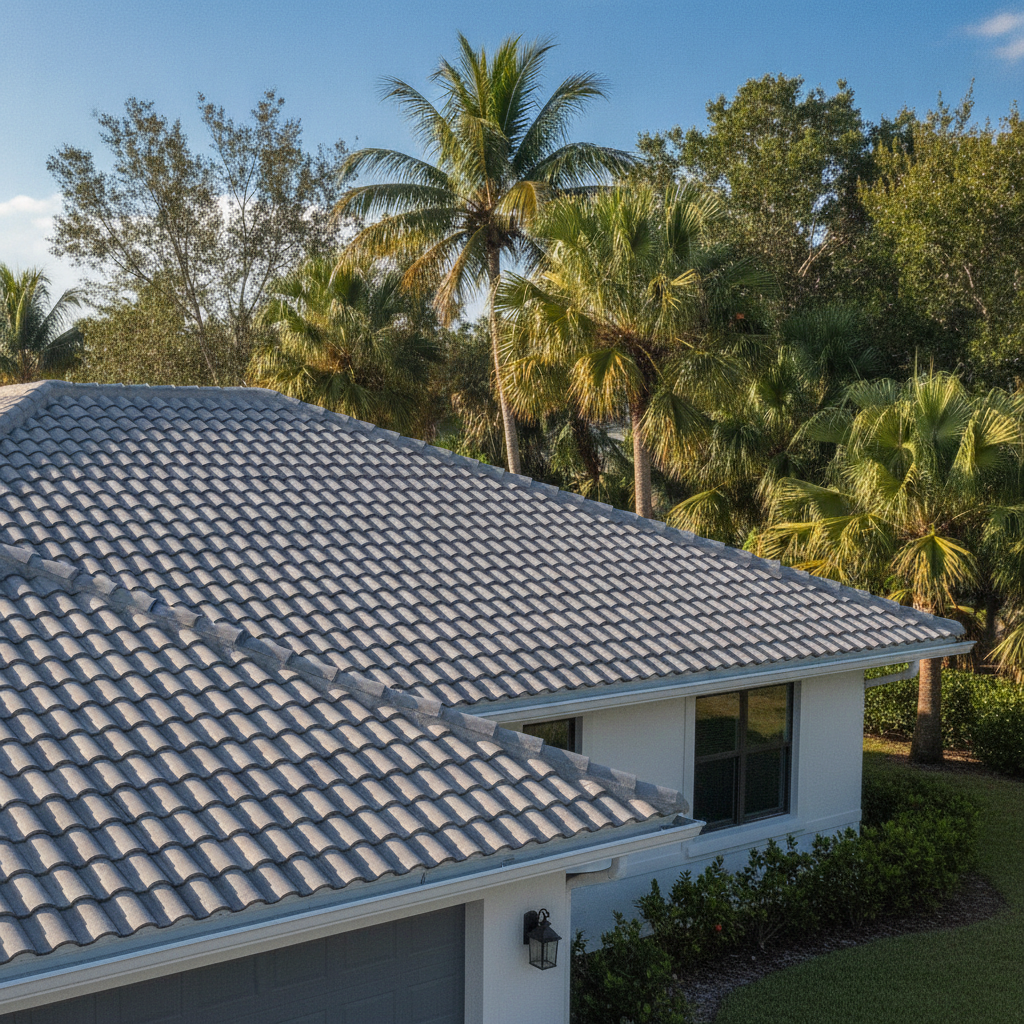
Given these environmental pressures, the choice of roofing material and its installation are paramount in Pinellas County. Common roof types seen here include architectural shingles, standing seam metal, and concrete or clay tiles. Architectural shingles, with their higher wind resistance (often rated for 130 mph or 150 mph) and thicker profile, are far more prevalent and durable than standard 3-tab shingles, which rarely meet current FBC requirements for new installations or replacements in our region. Standing seam metal roofs offer exceptional durability and wind resistance, often exceeding 150 mph, making them a premium choice for longevity. Concrete and clay tiles, while heavy, provide excellent wind, fire, and hail resistance, often lasting 30-50 years or more.
The Florida Building Code, particularly Chapter 15, dictates precise material specifications and installation methodologies for roofing systems in Pinellas County. This includes requirements for secondary water barriers, specific fastener types and patterns, and adherence to wind uplift calculations. Materials must often carry a Notice of Acceptance (NOA) from Miami-Dade County, signifying they’ve passed rigorous testing for hurricane-force conditions. Failing to comply with these codes means a roof that won’t pass inspection and, more importantly, won’t adequately protect your home when a storm hits.
Due to our harsh climate, typical roof lifespans in Pinellas County are often shorter than national averages. For instance, architectural shingles that might last 25-30 years in a milder climate may only provide 15-20 years of reliable service here. Metal roofs, while robust, might see 30-50 years instead of 50-75. Concrete tiles generally hold up well, often reaching 30-50 years or more, but their underlayment will likely need replacement sooner. Understanding these realistic lifespans is key to proactive roof maintenance and budgeting.
The Local Expert Advantage
Navigating the complexities of Pinellas County roofing demands more than just general roofing knowledge; it requires specific local expertise. A local roofing company like Florida Roof Bros is intimately familiar with the nuances of the Florida Building Code as applied by Pinellas County permitting offices. We understand the specific material requirements, the most effective installation techniques for our climate, and the common pitfalls that can arise during inspections. Our established relationships with local suppliers ensure access to the right, code-compliant materials quickly.
Furthermore, a local expert is well-versed in the types of damage prevalent in Pinellas and how to properly identify and address them, whether it’s the early signs of salt corrosion or subtle wind uplift damage. We also possess invaluable experience in working with Florida property insurance companies, understanding their claims processes and documentation requirements, which can be particularly complex after a hurricane. Choosing a local, reputable roofer ensures your investment is protected by a company that truly understands the unique challenges of keeping a roof over your head in Pinellas County.
Protecting Your Pinellas County Roof: What Homeowners Should Do
As a Pinellas County homeowner, safeguarding your roof against our challenging climate is an ongoing responsibility. Proactive measures can significantly extend your roof’s lifespan and protect your most valuable asset. Here are actionable steps you should take:
-
Schedule Annual Professional Roof Inspections:
WHY: Regular inspections, ideally before hurricane season begins in June, allow for early detection of minor issues before they escalate into major, costly repairs. Pinellas roofs endure constant stress from sun, humidity, and salt, making annual checks crucial. A professional can spot subtle granule loss, compromised flashing, or early signs of mold that you might miss.
HOW: Contact a reputable local roofing company to perform a comprehensive inspection. They will assess the condition of shingles, tiles, flashing, gutters, and ventilation, providing a detailed report and recommending any necessary preventative maintenance or repairs.
-
Maintain Clean Gutters and Efficient Drainage:
WHY: Clogged gutters cause water to back up and pool on the roof or overflow, leading to fascia rot, soffit damage, and excessive moisture accumulation along the roofline. This trapped moisture, combined with Pinellas’s high humidity, creates ideal conditions for wood rot and mold growth, compromising your roof’s structural integrity.
HOW: Clean your gutters at least quarterly, or more frequently if you have overhanging trees. Ensure downspouts are clear and direct water away from your home’s foundation. Consider installing gutter guards to reduce debris accumulation.
-
Address Overhanging Vegetation and Algae Growth Promptly:
WHY: Tree branches rubbing against your roof can abrade shingles, while falling leaves and debris trap moisture, promoting mold and mildew. During a storm, overhanging branches pose a significant impact risk. Algae and moss not only look bad but can also degrade roofing materials over time by holding moisture against the surface.
HOW: Trim tree branches back at least 6-10 feet from your roof line. If you notice dark streaks or green growth, use a manufacturer-approved, gentle cleaning solution or consult a professional for safe removal. Avoid harsh pressure washing, which can damage shingles.
-
Understand Your Roof’s Materials and Wind Rating:
WHY: Knowing the specifics of your roof helps you make informed decisions about maintenance, repairs, and insurance. For instance, understanding if your architectural shingles are rated for 130 mph or 150 mph provides critical insight into its resilience against hurricane-force winds, which is vital information in Pinellas County.
HOW: Review your original roofing permits or contact the roofing company that installed your current roof. If unsure, a professional inspector can usually identify the material type and often estimate its wind rating. Keep this information readily accessible for insurance purposes.
-
Prepare for Hurricane Season and Act Swiftly Post-Storm:
WHY: Proactive preparation minimizes potential damage, while prompt action after a storm is crucial for mitigating further issues and navigating insurance claims within Florida’s strict timelines. Florida homeowners face a 2-year deadline to file property damage claims from the date of loss.
HOW: Before June 1st, clear your yard of any loose items that could become projectiles. Have a local roofer’s contact information handy. After a storm, conduct a visual inspection from the ground. If you suspect damage, contact your insurance company immediately and then call a local, licensed roofer for an assessment. Document everything with photos and videos, both before and after a storm.
-
Choose a Licensed, Insured, and Local Roofing Contractor:
WHY: This is perhaps the most critical tip for Pinellas County homeowners. A local, licensed (state and county) and insured contractor guarantees adherence to the Florida Building Code, proper installation techniques specific to our climate, and valid warranties. It also provides recourse if issues arise. Avoid “storm chasers” who appear after major weather events, often lacking local ties or proper licensing.
HOW: Always verify a contractor’s state license (CGC or CCC) via the Florida Department of Business and Professional Regulation (DBPR) website. Request proof of liability and workers’ compensation insurance. Ask for local references and ensure they pull all necessary permits for your project with Pinellas County.
-
Document Everything for Insurance Purposes (Florida Specific):
WHY: Florida’s property insurance landscape is notoriously complex, especially after hurricanes. Thorough documentation is your strongest asset for a successful and timely claim. Recent legislative changes have made it more challenging for homeowners, emphasizing the need for robust records.
HOW: Maintain a binder with all roof-related documents: original installation permits, inspection reports, repair invoices, warranty information, and especially, dated photos of your roof’s condition (before any storms). Keep a log of all communications with your insurance company and contractor. Be aware of your policy’s deductible and any specific hurricane deductibles.
Frequently Asked Questions
What are the most common roofing materials recommended for homes in Pinellas County’s climate?
For Pinellas County’s unique climate, asphalt shingles, metal roofing, and tile roofing are highly recommended due to their durability and performance. Modern architectural asphalt shingles offer a cost-effective and robust solution, specifically engineered to withstand high winds and intense sun. Metal roofs provide exceptional longevity, superior energy efficiency, and are increasingly popular for their resilience, while tile roofs offer premium aesthetics, excellent insulation, and natural resistance to saltwater air and the harsh Florida elements.
How often should a roof be inspected in Pinellas County, especially with hurricane season?
Given Pinellas County’s susceptibility to severe weather and the intense Florida sun, annual roof inspections are strongly advised to identify potential issues early. It is also absolutely crucial to have your roof inspected by a professional after any significant storm, especially hurricanes or tropical depressions, to catch potential damage before it escalates. Proactive and timely inspections are key to extending your roof’s lifespan, maintaining its protective integrity, and avoiding costly major repairs down the line.
What are the latest building code requirements for roof replacements in Pinellas County?
Pinellas County strictly adheres to the Florida Building Code, which includes stringent requirements for roof replacements, particularly concerning enhanced wind resistance. This often necessitates specific attachment methods for roofing materials, the installation of a secondary water barrier, and the use of upgraded, impact-resistant materials designed to withstand hurricane-force winds. Partnering with a reputable local contractor like Florida Roof Bros ensures your roof replacement fully complies with all current local ordinances and state regulations, guaranteeing safety and peace of mind.
How does wind mitigation affect my insurance premiums in Pinellas County?
Wind mitigation features can significantly lower your homeowner’s insurance premiums in Pinellas County by demonstrating your home’s enhanced resistance to wind damage. A certified wind mitigation inspection verifies crucial features such as strong roof-to-wall attachments, robust roof deck attachment, and the use of impact-resistant coverings. Many insurance carriers offer substantial discounts for homes that meet specific wind mitigation standards, making it a wise investment for both safeguarding your property and achieving significant long-term savings on your policy.
What’s the typical lifespan of a shingle roof in the Pinellas County heat and humidity?
While manufacturers often rate asphalt shingles for 20-30 years, the intense heat, high humidity, and powerful UV exposure common in Pinellas County can reduce their effective lifespan. Typically, a well-installed architectural shingle roof might last 15-25 years in this challenging climate before showing significant wear, such as granular loss, curling, or cracking. Regular maintenance, proper attic ventilation, and choosing high-quality, Florida-specific shingles are crucial factors in maximizing its durability and performance.
Roofing Services Across Central Florida
Florida Roof Bros serves homeowners throughout Brevard County, Pinellas County, and surrounding Central Florida communities. If you need a roof inspection, repair, or replacement in any of these areas, our team is ready to help:
- Palm Bay, FL Roofing
- Melbourne, FL Roofing
- West Melbourne, FL Roofing
- Rockledge, FL Roofing
- Vero Beach, FL Roofing
Your Pinellas County Roofing Solution
Navigating the unique roofing challenges of Pinellas County, from its demanding climate to complex building codes, requires more than just a general contractor. It demands a local expert with deep understanding and proven experience. We’ve explored how crucial it is to choose the right materials, ensure regular maintenance, and prioritize compliance to protect your home effectively against the elements.
At Florida Roof Bros, we pride ourselves on being that trusted local expert. We understand the specific needs of Pinellas County homeowners and are dedicated to providing durable, code-compliant, and aesthetically pleasing roofing solutions. Whether you’re facing storm damage, considering an upgrade, or simply need a professional assessment, our team is ready to deliver exceptional service and craftsmanship.
Don’t let roofing concerns become a source of stress. Take the first step towards a secure and resilient roof for your Pinellas County home today. Florida Roof Bros offers 100% free, no-obligation roof inspections, providing you with a clear understanding of your roof’s condition and any necessary recommendations. There’s no cost to find out how we can help you.
Ready to experience the peace of mind that comes with a top-quality roof installed by dedicated professionals? Trust the Pros, Call the Bros. Reach out to Florida Roof Bros now to schedule your free inspection and consultation. Our friendly team is standing by to assist you. Call us directly at (321) 446-1702.
Need a free roof inspection? Call Florida Roof Bros at (321) 446-1702 or request a free inspection online. Family-owned, no subcontractors, Owens Corning Platinum Preferred. Trust the Pros, Call the Bros.
