

General Roofing
Location-Specific
Roofing
Protecting Your Palm Bay Home: Expert Roofing for Hurricane Season
The afternoon sky over Palm Bay often shifts from clear blue to a sudden, dramatic downpour in a matter of minutes, a familiar Florida experience that reminds every homeowner of our unique climate. Beyond the daily deluge, there’s the relentless sun beating down, the constant humidity in the air, and the ever-present knowledge that hurricane season is an annual reality. Each of these factors, individually and combined, places immense stress on your home’s first line of defense: its roof. Understanding how these elements specifically impact your Palm Bay roofing is not just about home maintenance, it is about protecting your most significant investment and ensuring your family’s safety.
For residents of Palm Bay, FL, a robust and well-maintained roof is non-negotiable. The challenges posed by our coastal environment, from the salt-laden breezes to the high-velocity winds of a tropical storm, demand specific considerations for roof materials, installation, and longevity. This post aims to equip you with the essential knowledge you need to make informed decisions about your roof, helping you understand the local climate challenges, common roofing solutions in our neighborhoods, and the critical importance of adhering to Florida’s stringent building codes. We will explore how these elements directly influence the lifespan and performance of your roof, ensuring it remains a steadfast guardian against the elements.
Navigating the complexities of roof repair or replacement can feel daunting, especially with so many options and potential pitfalls. Whether you’re noticing missing shingles after a strong gust, suspect a leak during a heavy rain, or simply know your roof is nearing the end of its typical lifespan, having clear, reliable information is key. This guide focuses on what Palm Bay homeowners need to know, providing a local perspective that goes beyond generic advice. We believe that an educated homeowner is an empowered homeowner, capable of asking the right questions and making the best choices for their property.
When it comes to something as vital as your roof, trust and expertise are paramount. That’s where a local, family-owned business like Florida Roof Bros comes in. As an Owens Corning Platinum Preferred Contractor with over 25 years of combined experience and an A+ rating from the BBB, we have built our reputation on quality workmanship and unwavering commitment to our community. We handle every project with our own in-house crews, never relying on subcontractors, ensuring consistent quality and accountability from start to finish. Our dedication to excellence is reflected in our 300+ five-star Google reviews, a testament to the peace of mind we bring to homeowners throughout Brevard County, including Palm Bay. If you have questions or need a professional assessment, do not hesitate to call us at (321) 446-1702.
Choosing the right Palm Bay roofing contractor means partnering with someone who understands the unique demands of our specific climate and local building regulations. We are fully licensed, insured, certified, and bonded (FL license CCC1332911), giving you complete confidence in our services. This post will delve into why these local insights are so crucial, from selecting materials that can withstand our intense UV exposure and humidity to navigating the precise requirements of Florida’s hurricane-resistant building codes. Our goal is to provide you with a comprehensive understanding of what makes a roof truly resilient in Palm Bay, ensuring your home is protected for years to come.
The Unique Demands of Palm Bay’s Climate on Your Roof
Living in Palm Bay, FL, offers many advantages, but it also means your home’s roof faces some of the most challenging environmental conditions in the country. Florida’s climate is a relentless assault of high humidity, intense ultraviolet (UV) radiation, torrential rainfall, and the ever-present threat of hurricane-force winds. Each of these factors significantly contributes to the wear and tear on roofing materials, often accelerating their degradation and shortening their lifespan compared to roofs in more temperate zones. Understanding these specific climate factors is the first step in ensuring your roof receives the attention and protection it needs.
High humidity, a constant companion in Central Florida, creates an ideal environment for mold, mildew, and algae growth on roof surfaces. Beyond aesthetic concerns, these biological growths can trap moisture, leading to premature granular loss on asphalt shingles, and even wood rot in underlying decking if moisture penetrates. The intense UV exposure from our abundant sunshine causes materials to break down at a faster rate; shingles become brittle, colors fade, and sealants can crack and lose their effectiveness. This constant sun exposure alone can strip years off a roof’s expected lifespan if not properly addressed with durable, high-quality materials.
Heavy rainfall, whether from daily afternoon thunderstorms or prolonged tropical systems, puts immense stress on a roof’s drainage system and waterproofing. Gutters must be clear, and flashing around chimneys, vents, and valleys must be meticulously installed to prevent water intrusion. Standing water, even for short periods, can compromise the integrity of roofing materials and lead to leaks. Furthermore, for Palm Bay homes situated closer to the Indian River Lagoon or the Atlantic coast, salt air introduces an additional corrosive element, especially for metal roofing components and fasteners, necessitating specific material choices and protective coatings.
The annual hurricane season, running from June 1st to November 30th, presents the most significant threat to Florida roofs. High winds can lift and tear off shingles, dislodge tiles, and even compromise entire roof structures. Flying debris becomes dangerous projectiles, causing punctures and impact damage. Torrential rain driven by hurricane winds can penetrate even seemingly intact roofs if the underlayment and secondary water barrier are not up to code. This is why Florida’s building codes, particularly those concerning wind resistance and water intrusion, are among the strictest in the nation, and compliance is absolutely critical for homeowner safety and insurance purposes.
Florida’s building codes have evolved significantly, especially after major hurricane events, to mandate more resilient roofing systems. For any Palm Bay roofing project, whether a minor repair or a full replacement, adherence to the latest Florida Building Code is not optional. This includes requirements for stronger decking attachment, specific types of underlayment like self-adhering modified bitumen, and enhanced fastening schedules for all roofing materials to withstand higher wind speeds. These codes are designed to ensure that roofs can withstand the extreme forces of a hurricane, providing a crucial layer of protection that goes far beyond basic shelter. Working with a contractor fully versed in these specific regulations, like our team at Florida Roof Bros, is non-negotiable.
When considering roof types for Palm Bay homes, asphalt shingles remain the most common choice due to their cost-effectiveness and versatility. However, modern architectural shingles offer better wind resistance and a longer lifespan than traditional three-tab shingles, making them a more suitable option for our climate. Metal roofing is gaining popularity for its exceptional durability, wind resistance, and energy efficiency, though it comes with a higher upfront cost. Tile roofs, whether concrete or clay, offer excellent longevity and aesthetic appeal but are heavier and require robust structural support. Each material has its pros and cons in the face of Florida’s climate, and choosing the right one requires careful consideration of both performance and budget, always with an eye on long-term resilience against our unique weather patterns.
Navigating Palm Bay’s Climate and Roofing Landscape
Living in Palm Bay means embracing a unique set of environmental factors that directly impact your home’s roof. We’re not just talking about occasional rain; we’re dealing with persistent high humidity, the subtle but corrosive effects of salt air from our proximity to the coast, and the very real annual threat of hurricanes. These elements combine to create a challenging environment for any roofing system, demanding specific materials and installation techniques to ensure long-term durability and protection.
Palm Bay’s Environmental Gauntlet: Humidity, Salt, and Wind
The relentless Florida sun and high humidity are primary culprits in premature roof aging. Constant moisture fosters the growth of algae, moss, and mildew, which not only looks unsightly but can also degrade shingle granules, compromising the roof’s protective layer. While Palm Bay isn’t directly on the ocean, the Indian River Lagoon and Atlantic influence bring salt-laden air, which over time, can corrode metal flashing, fasteners, and even affect the integrity of some sealants. However, the most significant threat remains hurricane season, where roofs must withstand sustained winds often exceeding 100 mph, torrential rain, and the impact of wind-borne debris. The Florida Building Code (FBC) mandates stringent wind uplift resistance for all new and replacement roofs in our area, often requiring enhanced fastening patterns and secondary water barriers.
Common Roofing Systems in Palm Bay
Palm Bay homes typically feature a few primary roofing materials, each with distinct advantages and considerations for our climate:
- Architectural Shingles: These are a popular, cost-effective choice, offering good aesthetic appeal and moderate wind resistance, usually rated for 110-130 mph. However, Florida’s intense UV exposure and humidity can lead to faster granule loss and algae growth, often reducing their typical lifespan to 15-25 years compared to 30+ years in cooler, drier climates. We always recommend “cool roof” rated shingles or those with algae-resistant granules.
- Standing Seam Metal Roofs: Gaining popularity, metal roofs are a premium option known for exceptional durability and wind resistance, often exceeding 150 mph. Their reflective properties also make them energy-efficient, and with lifespans stretching 40-60 years or more, they offer a long-term investment against Florida’s elements. While the initial cost is higher, their longevity and low maintenance often offset this over time.
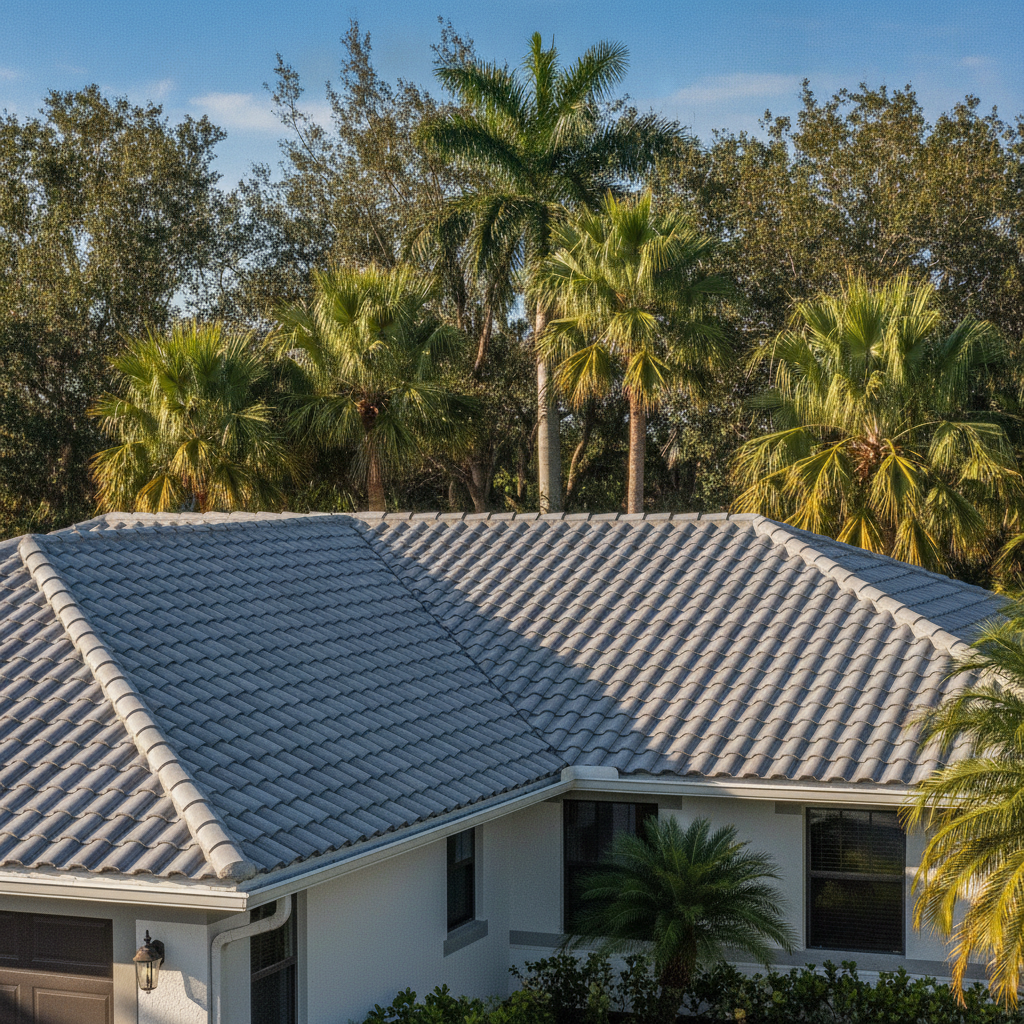
- Concrete or Clay Tile Roofs: Common in many Florida communities, tiles offer superior aesthetics, excellent wind resistance, and impressive longevity, often lasting 50+ years. They are heavy, requiring a robust roof deck, and while individual tiles can break from impact, the underlying system remains highly protective. Tile roofs provide excellent insulation, contributing to lower cooling costs.
Navigating Florida Building Codes in Palm Bay
Understanding the Florida Building Code, specifically the 7th Edition (2020) and subsequent updates, is crucial for any roofing project in Palm Bay. These codes are not suggestions; they are strict requirements designed to enhance a roof’s ability to withstand hurricane-force winds and heavy rain. Key requirements include specific fastening schedules for decking and roofing materials, the mandatory installation of a secondary water barrier (SWB) or “peel-and-stick” underlayment for added leak protection, and strict rules regarding roof-to-wall connections. Any roof repair or replacement must be permitted through Brevard County or the City of Palm Bay, ensuring all work meets these life-safety standards. Ignoring these codes, even for minor repairs, can void insurance claims or cause significant issues during a home sale.
A significant aspect of the FBC is the “25% rule,” which states that if more than 25% of a roof’s surface is repaired or replaced within a year, the entire roof must be brought up to current code standards. This often means a full re-roof is required even for substantial damage, necessitating a complete overhaul of the roof system to meet contemporary wind uplift and water intrusion standards. This rule highlights why understanding your roof’s condition and planning for potential full replacement is so critical in hurricane-prone areas like Palm Bay. Our team at Florida Roof Bros is intimately familiar with these regulations and ensures every project is fully compliant, providing you peace of mind.
The Undeniable Value of a Local Palm Bay Roofer
When it comes to protecting your Palm Bay home, the choice of roofer matters immensely. A local, family-owned company like Florida Roof Bros brings an invaluable depth of knowledge. We understand the specific permitting processes of Brevard County and Palm Bay, have established relationships with local suppliers for timely material delivery, and possess firsthand experience with how different roofing systems perform under our unique climate stressors. We’re not just a company working in the area; we’re part of the community, committed to upholding our reputation with every job. This local expertise translates into precise recommendations, code-compliant installations, and a reliable partner you can trust for years to come, especially when hurricane season inevitably arrives.
What Palm Bay Homeowners Should Do to Protect Their Roof
Taking a proactive approach to your roof’s health is the smartest way to safeguard your home and investment in Palm Bay. Given our unique climate and hurricane exposure, regular attention and informed decisions can prevent minor issues from becoming catastrophic failures. Here are actionable steps you should take:
-
Schedule Regular Professional Roof Inspections
WHY: The intense Florida sun, humidity, and sudden downpours, even outside of hurricane season, cause wear and tear that isn’t always visible from the ground. Professional inspections catch subtle signs of damage like granule loss, cracked flashing, loose tiles, or early signs of leaks before they escalate into major, costly repairs. This is especially crucial after any significant weather event, even if you don’t see obvious damage.
HOW: Aim for at least one professional inspection annually, ideally in late spring before hurricane season ramps up, and consider a follow-up after any named storm passes through our area. A qualified roofer will safely assess the entire roof system, including gutters, flashing, and attic ventilation, providing a detailed report on its condition and any necessary preventative maintenance.
-
Maintain Clean Gutters and Efficient Drainage
WHY: Clogged gutters and downspouts prevent rainwater from properly draining away from your roof and foundation. This leads to water pooling on the roof, which can cause fascia rot, saturates the roof deck, and can even compromise the foundation of your home. In Palm Bay’s humid environment, standing water also accelerates the growth of mold and mildew.
HOW: Regularly clean your gutters, especially during fall when leaves drop, and after heavy storms. Ensure downspouts are securely attached and direct water at least five feet away from your home’s foundation. If your current drainage system struggles during heavy rains, consider gutter guards or larger downspouts to handle Florida’s intense rainfall.
-
Trim Overhanging Tree Branches
WHY: Trees provide shade, but overhanging branches pose a significant threat to your roof, particularly during hurricane season. Strong winds can snap limbs, sending them crashing onto your roof, causing punctures or structural damage. Even in lighter winds, branches can scrape against the roof surface, eroding granules on shingles or scratching metal coatings over time. Leaves and debris from nearby trees can also accumulate in gutters and valleys, leading to water damming.
HOW: Hire a professional arborist to trim any branches that are within six to ten feet of your roofline. This provides a safety buffer against wind-related damage and reduces the amount of organic debris collecting on your roof. This proactive measure significantly reduces your risk of storm-related roof damage.
-
Understand Your Homeowner’s Insurance Policy
WHY: In Florida, your insurance policy is your first line of financial defense against hurricane damage. Knowing what your policy covers, your deductibles (especially windstorm
Frequently Asked Questions
What type of roofing material is best for hurricane season in Palm Bay, Florida?
For hurricane season in Palm Bay, durable materials like metal roofing, tile roofing, and even high-quality asphalt shingles designed for high winds are excellent choices. Metal roofs offer superior wind resistance and longevity, while concrete or clay tiles also perform very well against severe weather. The key is proper installation by a certified professional to meet Florida building codes.
How often should I have my roof inspected in Palm Bay, given Florida’s climate?
It is generally recommended to have your roof inspected at least once a year in Palm Bay, especially before or after hurricane season. Florida’s intense sun, heavy rains, and strong winds can cause wear and tear that might not be immediately visible. Regular inspections help identify minor issues before they escalate into costly repairs.
What is the typical lifespan of an asphalt shingle roof in Palm Bay, FL?
The typical lifespan of an asphalt shingle roof in Palm Bay, Florida, ranges from 15 to 25 years, depending on the shingle quality and maintenance. Florida’s intense UV exposure and humidity can sometimes accelerate wear compared to cooler climates. Premium architectural shingles often last longer than traditional 3-tab shingles.
Does my homeowner’s insurance cover roof damage from hurricanes in Florida?
Most standard homeowner’s insurance policies in Florida do cover roof damage from hurricanes, but specific coverages and deductibles can vary significantly. It’s crucial to review your policy details, especially regarding hurricane deductibles and any exclusions for older roofs. Florida Roof Bros can assist with insurance claims support and provide necessary documentation for repairs.
Are there specific maintenance tips for roofs in Palm Bay to prevent mold and mildew?
To prevent mold and mildew on your Palm Bay roof, regular cleaning and ensuring proper ventilation are essential. Trim overhanging branches to reduce shade and debris, and consider professional roof cleaning services that use gentle, effective methods. Good attic ventilation helps regulate temperature and humidity, further inhibiting growth.
Roofing Services Across Central Florida
Florida Roof Bros serves homeowners throughout Brevard County, Pinellas County, and surrounding Central Florida communities. If you need a roof inspection, repair, or replacement in any of these areas, our team is ready to help:
- Melbourne, FL Roofing
- West Melbourne, FL Roofing
- Rockledge, FL Roofing
- Vero Beach, FL Roofing
- Sebastian, FL Roofing
Protect Your Palm Bay Home with Florida Roof Bros
Protecting your Palm Bay home from Florida’s unique climate and the annual threat of hurricane season is paramount, and your roof is its first line of defense. Throughout this post, we’ve explored the importance of durable materials, regular maintenance, and timely repairs to ensure your roofing system remains robust. A well-maintained roof not only safeguards your property and loved ones but also enhances your home’s energy efficiency and curb appeal.
Don’t wait for a small issue to become a major problem, especially with Florida’s weather patterns. If you suspect your roof has sustained damage, is showing signs of age, or you simply want peace of mind, now is the time to act. Florida Roof Bros offers 100% free, no-obligation roof inspections to assess your roof’s current condition and provide expert recommendations tailored to your needs and budget.
Our experienced team understands the specific challenges Palm Bay homeowners face and is dedicated to providing top-quality roofing solutions. We use only the best materials and adhere to the highest installation standards, ensuring your home is prepared for whatever Florida’s weather brings. Let us help you protect your investment with reliable and long-lasting roofing services.
Take the proactive step towards a secure home today. Contact Florida Roof Bros for your complimentary roof inspection. You can reach us directly at (321) 446-1702. Trust the Pros, Call the Bros, we’re here to serve the Palm Bay community with integrity and expertise.
Need a free roof inspection? Call Florida Roof Bros at (321) 446-1702 or request a free inspection online. Family-owned, no subcontractors, Owens Corning Platinum Preferred. Trust the Pros, Call the Bros.
