

General Roofing
Location-Specific
Roofing
Kissimmee Roofing: Local Building Codes
The relentless Florida sun beating down, the sudden downpours, and the occasional, anxiety-inducing hurricane season are all part of life here in Kissimmee. For homeowners, these elements mean the roof over your head isn’t just a covering, it’s a critical shield against our unique environment. When it comes time for a roof repair or a full replacement in Kissimmee, understanding the local building codes isn’t just a suggestion, it’s a fundamental requirement that protects your investment and ensures your home remains safe and sound.
Navigating the intricacies of permits, material specifications, and installation standards can feel like a daunting task for any homeowner. The City of Kissimmee, like all municipalities in Brevard County, Pinellas County, and throughout Central Florida, has specific guidelines designed to ensure roofs can withstand our challenging climate. This post will help you understand the core aspects of these local building codes, demystifying the process and empowering you to make informed decisions for your home.
A new roof is a significant undertaking, one that impacts your home’s safety, energy efficiency, and long-term value. Without a clear grasp of the regulations, you risk costly delays, failed inspections, or even having to redo work that doesn’t meet the required standards. That’s why partnering with a knowledgeable, local roofing contractor is essential, someone who not only understands the nuances of Kissimmee’s building codes but also has a proven track record of adherence and quality workmanship.
Here at Florida Roof Bros, we understand these challenges firsthand because we are a family-owned business deeply rooted in the Central Florida community. Our commitment is to provide transparent, high-quality roofing services, ensuring every project, especially those in Kissimmee, meets or exceeds all local requirements. With over 25 years of combined experience and a dedicated team, we handle every aspect of your roof project, from initial inspection to final permit sign-off, making the process as smooth as possible for you.
We pride ourselves on our professionalism and our commitment to using only in-house crews; we never use subcontractors. This means consistent quality control and accountability on every job site. Our expertise as an Owens Corning Platinum Preferred Contractor also means we adhere to the highest industry standards, utilizing top-tier materials and installation techniques that comply with Florida’s rigorous building codes. For any roofing questions or to schedule a free inspection, simply call us at (321) 446-1702.
Our goal is to shed light on why these codes are in place and what they mean for your roofing project. We want you to feel confident that your new roof will not only look great but will also provide maximum protection and longevity, standing strong against whatever Mother Nature throws its way. By the end of this guide, you’ll have a much clearer picture of what’s involved in a compliant and durable roofing installation in Kissimmee, giving you peace of mind.
The Foundation of Florida Roofing: Climate and Code
Florida’s climate is truly unique, characterized by intense heat, high humidity, torrential rains, and the ever-present threat of tropical storms and hurricanes. These environmental factors are the primary drivers behind the stringent building codes that govern roof construction and replacement across the state, including in Kissimmee. Unlike many other regions, a Florida roof isn’t just about keeping water out; it’s about resisting powerful uplift forces, enduring prolonged UV exposure, and providing critical protection during severe weather events.
The Florida Building Code, particularly the High-Velocity Hurricane Zone (HVHZ) provisions, sets a high bar for roofing systems. While Kissimmee is not directly within the HVHZ, the principles and many specific requirements from these zones influence standards throughout Central Florida. This means roofs must be engineered and installed to withstand significant wind pressures, often requiring specific fastening schedules for shingles, tiles, or metal panels, as well as robust underlayment systems to create a secondary water barrier.
When considering a new roof in Kissimmee, these codes directly impact the types of materials you can use and how they must be installed. For instance, specific types of shingles are rated for wind resistance up to 130 mph, and their fastening patterns are explicitly detailed. Underlayment, which is the material laid directly over the roof deck before the final covering, is crucial. Modern codes often mandate self-adhering modified bitumen underlayments, or at least a double layer of felt, to provide superior water resistance, especially during high winds when primary roofing materials might be compromised.
The inspection process is another critical component driven by local building codes. Before, during, and after installation, city inspectors ensure that every step of the roofing process adheres to the approved plans and code requirements. This includes verifying the roof deck is in sound condition, that the underlayment is properly installed, and that the final roofing material is fastened correctly. Skipping or failing these inspections can lead to significant issues, including problems with insurance claims or future home sales.
Understanding these foundational requirements is vital for any homeowner contemplating a roofing project. It’s not merely about aesthetics or cost; it’s about ensuring your home meets the safety and durability standards necessary for life in Central Florida. Our team at Florida Roof Bros, with our A+ rating from the BBB and over 300 five-star Google reviews, consistently demonstrates our commitment to these high standards, ensuring every roof we install is code-compliant and built to last.
The longevity and performance of your Kissimmee roof directly correlate with how well it adheres to these local codes. Investing in a properly installed, code-compliant roofing system can lead to significant benefits, including potential wind mitigation credits on your homeowner’s insurance policy, enhanced property value, and, most importantly, unparalleled peace of mind knowing your home is truly protected. This foundational knowledge will serve as your guide as we delve deeper into specific code considerations and practical tips for your roofing project.
Navigating Kissimmee’s Roofing Regulations and Florida’s Unique Challenges
Understanding the intricacies of roofing regulations in Kissimmee isn’t just about compliance; it’s about protecting your biggest investment and ensuring the safety of your family. As a homeowner here in Central Florida, your roof must adhere to the rigorous standards set forth by the Florida Building Code (FBC). This isn’t just some bureaucratic hurdle; it’s a comprehensive set of rules designed to make sure your roof can stand up to the severe weather we experience, from intense heat and humidity to the destructive forces of hurricanes.
The FBC, currently in its 8th Edition (2023 FBC), is arguably one of the strictest building codes in the nation, and for good reason. It mandates specific materials, installation techniques, and fastening schedules that directly impact your roof’s ability to resist wind uplift and water intrusion. When we talk about roofing in Kissimmee, we’re not just putting shingles on a deck; we’re engineering a system to perform under the most challenging conditions. Ignoring these codes, or hiring a contractor who does, can lead to significant problems down the road, including costly repairs, denied insurance claims, and even structural failure.
The Florida Building Code: Your Roof’s Blueprint
At the heart of Kissimmee’s roofing requirements is the Florida Building Code, a living document constantly updated to reflect the latest in building science and hurricane preparedness. For roofing, the FBC specifies everything from the type of underlayment required to the exact nailing patterns for shingles or the fastening methods for metal and tile roofs. These details are critical, particularly when considering the wind uplift pressures that a hurricane can exert on a roof system.
Kissimmee, like much of Central Florida, falls within a designated wind zone that typically requires roofing materials and installations capable of withstanding sustained winds of 130 to 140 miles per hour. This means your roof isn’t just nailed down; it’s engineered to resist uplift and prevent catastrophic failure during a major storm. The FBC also dictates impact resistance for some materials and ensures that all components, from the decking to the final cap, work together as a resilient barrier against our unique climate.
Understanding Wind Ratings and Hurricane Categories
When we discuss roofing materials, you’ll often hear about their wind ratings, which are determined by rigorous testing following ASTM standards. These ratings indicate the maximum wind speed a product can withstand without significant damage. For example, many architectural shingles are rated for 130 mph winds, while some metal and tile systems can exceed 150 mph. These ratings directly correlate to hurricane categories:
- Category 1: 74-95 mph winds
- Category 2: 96-110 mph winds
- Category 3: 111-129 mph winds
- Category 4: 130-156 mph winds
- Category 5: 157+ mph winds
The FBC ensures that new and replacement roofs are built to withstand at least Category 3 hurricane forces, with many systems exceeding Category 4 capabilities. This proactive approach is what makes Florida roofs more resilient than those in many other parts of the country. Our local building department in Kissimmee rigorously enforces these standards during the permitting and inspection process, ensuring every roof installed meets the necessary criteria for safety and longevity.
Common Roofing Materials in Florida and Their Lifespans
Choosing the right roofing material for your Kissimmee home involves balancing aesthetics, cost, and long-term performance in our demanding climate. Here’s a look at the most common options and their typical lifespans here in Florida compared to national averages:
Architectural Shingles: These are the most popular choice for many Kissimmee homeowners due to their aesthetic appeal and cost-effectiveness. They offer a dimensional look, mimicking natural slate or wood shakes, and come in a wide range of colors. While nationally, architectural shingles might last 20-30+ years, in Florida’s intense heat, humidity, and UV exposure, their typical lifespan is closer to 15-25 years. Quality architectural shingles are commonly rated for 130 mph winds, meeting FBC requirements.
Standing Seam Metal Roofs: A premium option gaining significant traction, standing seam metal roofs feature interlocking panels with hidden fasteners, creating a sleek, modern look. They are incredibly durable, energy-efficient, and boast exceptional wind resistance, often exceeding 150 mph. While the upfront cost is higher, their lifespan in Florida can easily reach 40-70 years, far surpassing the national average for most roofing materials. They are an excellent investment for long-term protection and lower energy bills.
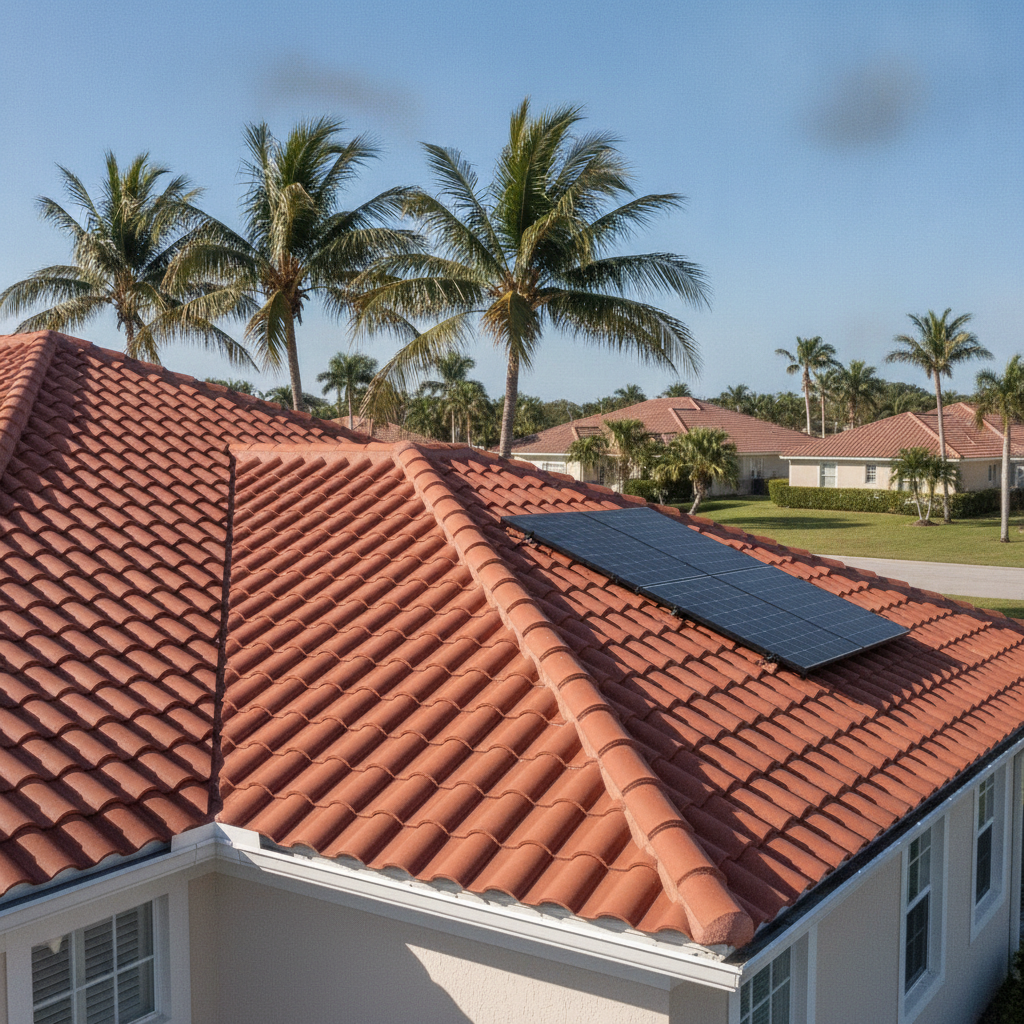
Concrete and Clay Tile Roofs: Evoking a classic Mediterranean or Spanish style, tile roofs are a hallmark of many Florida homes. They are heavy, incredibly durable, and offer superior wind resistance, often rated for well over 150 mph winds. Concrete and clay tiles are also fire-resistant and have an impressive lifespan, typically 50-100+ years in Florida, often outlasting the structure they protect. While their initial installation cost is among the highest, their longevity and aesthetic appeal make them a worthwhile consideration, though they require a robust roof deck to support their weight.
Regardless of the material, the importance of proper underlayment and ventilation cannot be overstated in Florida. The FBC mandates specific synthetic underlayments designed to provide a secondary water barrier. Moreover, adequate attic ventilation is crucial for combating the extreme heat and humidity, which can otherwise prematurely degrade roofing materials from the inside out and lead to mold growth. A well-ventilated roof system will extend the life of your chosen material significantly, saving you money on repairs and energy costs in the long run.
What Kissimmee Homeowners Should Do for Their Roof
As your local Kissimmee roofing experts, we’ve seen firsthand the difference proactive measures can make for homeowners. Our unique Florida climate demands a different approach to roof care and maintenance. Here’s our practical guidance to help you protect your investment and ensure your roof stands strong for years to come.
-
Understand Your Roof’s Age and Condition:
WHY: Knowing the age and current state of your roof is the first step in effective maintenance and future planning. It impacts everything from insurance eligibility to budgeting for a replacement. An aging roof in Florida can deteriorate rapidly due to heat and storms, making it more vulnerable to leaks and damage.
HOW: If you’re unsure, check your home’s permit history with the City of Kissimmee or Osceola County; roof replacement dates are usually recorded there. Better yet, schedule a professional roof inspection with Florida Roof Bros. We can provide an accurate assessment of its condition, identify any hidden issues, and give you an estimated remaining lifespan.
-
Schedule Regular Professional Inspections:
WHY: Proactive detection of minor issues prevents them from escalating into major, costly problems. Florida’s intense sun, heavy rains, and frequent storms can cause wear and tear that isn’t always visible from the ground. Catching a loose shingle, a cracked tile, or minor flashing damage early can save you thousands in repairs and prevent interior water damage.
HOW: We recommend an annual roof inspection, ideally in the cooler, drier months, or certainly after any significant weather event like a named storm. Our team can safely access your roof, check all components, clear debris, and provide a detailed report with any necessary recommendations.
-
Prioritize Proper Attic Ventilation:
WHY: In Florida, attic heat can soar, baking your roofing materials from below and significantly shortening their lifespan. Poor ventilation also leads to higher energy bills as your AC works harder, and creates an environment ripe for mold and mildew growth in your attic space. Proper airflow mitigates these issues.
HOW: Ensure your attic has adequate intake (soffit) and exhaust (ridge or static) vents that are clear and unobstructed. If you suspect your ventilation is insufficient, consult with a roofing professional. We can assess your attic’s airflow and recommend solutions like adding more vents or ensuring existing ones are functioning correctly.
-
Review Your Homeowner’s Insurance Policy Annually:
WHY: Florida’s insurance market is dynamic, and policies change. Understanding your coverage, especially your hurricane deductible (often 1% or 2% of your dwelling coverage), actual cash value vs. replacement cost, and claim filing deadlines, is crucial before a storm hits. Many older roofs may only be covered at Actual Cash Value, meaning depreciation is deducted.
HOW: Contact your insurance agent at least once a year. Ask specific questions about roof damage coverage, hurricane deductibles, and the process for filing a claim. Discuss options for upgrading your roof to potentially qualify for discounts or better coverage.
-
Get Multiple Quotes from Local, Licensed Roofers for Any Major Work:
WHY: This ensures you receive competitive pricing and, more importantly, quality workmanship that adheres to all Florida Building Codes and Kissimmee’s local regulations. Local roofers are familiar with the permitting process, regional weather patterns, and specific material requirements for our area. Be wary of “storm chasers” who appear after a hurricane.
HOW: Always ask for proof of a valid Florida roofing contractor license, general liability, and worker’s compensation insurance. Request detailed written estimates that clearly outline materials, scope of work, warranty information, and payment schedules. Check their local references and online reviews.
-
Don’t Delay Repairs , Especially After Storms:
WHY: A small leak or minor damage can quickly escalate into a major structural problem in Florida’s climate. Our heavy, often sudden, rainfalls can turn a minor issue into significant interior water damage, rot, or mold growth within days. Insurance companies also have deadlines for filing claims, so prompt action is essential.
HOW: If you suspect any damage after a storm or notice a leak, contact Florida Roof Bros immediately. Document the damage with photos or videos if safe to do so. We can perform emergency repairs to prevent further damage and help you navigate the initial steps of an insurance claim.
-
Keep Up with Gutter Maintenance:
WHY: Properly functioning gutters and downspouts are vital for managing the heavy rainfall we experience in Kissimmee. Clogged gutters can cause water to back up, overflow, and damage fascia boards, saturate the roof edge, and erode your home’s foundation. This seemingly minor issue can lead to significant water damage.
HOW: Regularly clean your gutters, especially during pollen season and after any strong winds or storms that might deposit leaves and debris. Ensure downspouts are securely attached and direct water at least five feet away from your home’s foundation. Consider gutter guards if clogging is a persistent problem.
Frequently Asked Questions
Do I need a permit for every roof repair or replacement in Kissimmee?
In Kissimmee, most significant roof repairs, re-roofing projects, or full roof replacements absolutely require a permit from the city’s Building Department. Even minor repairs might necessitate a permit if they involve structural changes or affect a substantial portion of the roof area, ensuring all work adheres to current Florida Building Codes and local ordinances.
What types of inspections are required for a new roof installation in Kissimmee?
Typically, a new roof installation in Kissimmee involves several stages of inspection. These include a “dry-in” inspection after the underlayment is installed, and a final inspection once the roofing materials are completely in place. These inspections ensure proper installation techniques, material quality, and compliance with wind mitigation and other safety standards.
How do Kissimmee’s wind mitigation requirements impact my roofing choices and installation?
Kissimmee, like all Florida cities, has stringent wind mitigation requirements under the Florida Building Code to protect against hurricane damage. This means choosing materials with specific wind resistance ratings, ensuring proper fastening of decking and shingles, and often installing a secondary water barrier. These requirements are crucial for your home’s safety and can also qualify you for valuable insurance discounts.
Does complying with Kissimmee’s building codes make my new roof more expensive?
While adhering to Kissimmee’s robust building codes might sometimes involve higher upfront costs due to specific materials or advanced installation techniques, it is a vital investment. These codes ensure your roof is built to withstand Florida’s challenging weather, providing superior durability, safety, and longevity for your home, potentially saving you significant money on repairs and insurance claims in the long run.
What should I look for in a roofing contractor to ensure they follow Kissimmee’s codes?
When selecting a roofing contractor in Kissimmee, always choose one that is fully licensed and insured in Florida and has a proven track record of working within the local jurisdiction. A reputable contractor will be knowledgeable about Kissimmee’s specific permitting process, building codes, and inspection requirements, handling all necessary paperwork and ensuring transparent communication throughout your project.
Roofing Services Across Central Florida
Florida Roof Bros serves homeowners throughout Brevard County, Pinellas County, and surrounding Central Florida communities. If you need a roof inspection, repair, or replacement in any of these areas, our team is ready to help:
- Palm Bay, FL Roofing
- Melbourne, FL Roofing
- West Melbourne, FL Roofing
- Rockledge, FL Roofing
- Vero Beach, FL Roofing
Your Trusted Partner for Kissimmee Roofing
Navigating Kissimmee’s local building codes and permitting requirements can feel overwhelming, but understanding their importance is key to a successful and compliant roofing project. These regulations are designed to protect your investment, ensure the safety and structural integrity of your home, and provide peace of mind that your roof is built to last against Florida’s unique climate challenges.
Don’t let the complexities of local ordinances deter you from securing a safe and durable roof for your Kissimmee home. Partnering with experienced professionals who are intimately familiar with these codes is essential. We offer 100% free, no-obligation roof inspections, allowing our experts to assess your current roof, discuss your options, and explain how we ensure full compliance with all local regulations.
Ready to ensure your Kissimmee roof meets the highest standards of safety and durability? Take the first step towards a worry-free roofing experience. Contact Florida Roof Bros today for your complimentary inspection and expert guidance. Call us directly at (321) 446-1702 to schedule your appointment.
At Florida Roof Bros, we pride ourselves on transparent communication, superior craftsmanship, and unwavering adherence to all Kissimmee building codes. Let us take the stress out of your roofing project, providing you with quality results and exceptional service from start to finish. Trust the Pros, Call the Bros for all your Kissimmee roofing needs.
Need a free roof inspection? Call Florida Roof Bros at (321) 446-1702 or request a free inspection online. Family-owned, no subcontractors, Owens Corning Platinum Preferred. Trust the Pros, Call the Bros.
