

General Roofing
Location-Specific
Roofing
Melbourne, FL Coastal Roofing: Essential Strategies for Hurricane Season and Salt Air Protection
The distant rumble of thunder, the constant caress of salt-laden breezes, and the ever-present Florida sun define life for homeowners in Melbourne, FL. While these elements contribute to our beautiful coastal lifestyle, they also present a unique and relentless challenge to one of your home’s most critical defenses: its roof. Maintaining a robust and resilient roof in a coastal environment isn’t just about curb appeal; it’s about safeguarding your investment, protecting your family, and ensuring peace of mind against the unpredictable forces of nature, especially as hurricane season approaches.
Understanding the specific demands placed on Melbourne FL coastal roofing is essential for any homeowner looking to fortify their property. From the corrosive effects of salt air to the intense wind uplift pressures of a tropical storm, your roof needs more than just a standard installation; it requires a strategic approach tailored to our unique climate. This guide is designed to help you navigate these considerations, providing the foundational knowledge you need to make informed decisions about your roof’s longevity and performance.
We’ll explore the distinct challenges that high humidity, relentless sun, and salt air pose, identifying the most resilient roof types and materials best suited for our coastal conditions. You’ll gain insight into navigating Brevard County’s building codes, focusing on hurricane-specific requirements that are critical for compliant and protective installations. Ultimately, this information will empower you to choose the right solutions and the right local experts to ensure your Melbourne home is well-protected.
When those challenges arise, knowing who to trust makes all the difference. At Florida Roof Bros, a family-owned company with over 25 years of combined experience, we understand these local nuances intimately. We’re not just a roofing company; we’re your neighbors, dedicated to providing top-tier service with our in-house crews , never subcontractors. For expert advice and reliable roofing solutions in Melbourne and across Brevard County, remember to Trust the Pros, Call the Bros at (321) 446-1702.
Our commitment to quality is reflected in our status as an Owens Corning Platinum Preferred Contractor and our A+ rating from the BBB, backed by over 300 five-star Google reviews. We are fully licensed, insured, certified, and bonded (FL license CCC1332911), ensuring every project adheres to the highest standards of safety and craftsmanship. This post will serve as your comprehensive resource, guiding you through the essential strategies for hurricane season preparedness and robust salt air protection for your Melbourne home.
The Relentless Realities of Florida’s Coastal Climate on Your Roof
Florida’s climate, particularly along the coast, presents a unique and formidable gauntlet for roofing systems. It’s a beautiful environment, but one that relentlessly tests the durability of every material. The intense, year-round ultraviolet (UV) radiation from the sun causes significant degradation, leading to premature aging, fading, and brittleness in many common roofing materials. This constant thermal expansion and contraction can loosen fasteners and create micro-fractures, weakening the entire system over time.
Beyond the sun, the persistent high humidity and the constant presence of salt air are major antagonists. Humidity fosters the growth of mold, mildew, and algae, which not only detract from your roof’s appearance but can also trap moisture, accelerate material breakdown, and compromise protective coatings. Salt air, a specific concern for Melbourne, FL coastal roofing, carries corrosive particles that can pit and degrade metal components, fasteners, and even certain types of shingles, significantly shortening their lifespan compared to inland installations.
Compounding these daily environmental stressors is the looming threat of hurricane season. Coastal Florida is a direct path for tropical storms and hurricanes, which bring extreme wind uplift pressures, torrential rains, and flying debris. A roof that isn’t specifically engineered and installed to withstand these forces is a major liability. These storms expose any weaknesses, from improper fastening to inadequate flashing, often leading to catastrophic damage and costly repairs if not properly addressed beforehand.
To combat these severe conditions, the Florida Building Code, especially for Brevard County, has evolved to include some of the most stringent roofing requirements in the nation. These codes mandate specific construction practices and material certifications designed to enhance a roof’s resistance to high winds and water intrusion. Key requirements often include secondary water barriers, which provide an additional layer of protection beneath your primary roofing material, and enhanced fastening schedules for shingles and other components to prevent them from detaching during a storm.
Understanding these codes is not just about compliance; it’s about investing in a roofing system that truly protects your home. Choosing materials like specific types of asphalt shingles with high wind ratings, durable metal roofing, or concrete tiles can offer superior performance in coastal environments. While the initial investment might be slightly higher for these robust solutions, the long-term benefits of reduced maintenance, extended lifespan, and superior hurricane resistance far outweigh the upfront costs, providing genuine peace of mind for Melbourne homeowners.
Understanding Melbourne’s Coastal Roofing Challenges and Solutions
Living on Florida’s Space Coast, specifically in Melbourne, means your roof faces a unique gauntlet of environmental stressors that roofs in landlocked areas simply don’t. The constant assault of salt air is perhaps the most insidious, accelerating corrosion on metal components and degrading asphalt shingles at a rate far quicker than national averages. High humidity then compounds this, creating a fertile breeding ground for mold, mildew, and algae, which not only compromise your roof’s aesthetics but can also trap moisture against materials, leading to premature decay.
However, the most significant threat remains hurricane exposure. Melbourne sits squarely in a high-velocity hurricane zone, meaning your roof must be engineered and installed to withstand extreme wind uplift, torrential rain, and potential impacts from windborne debris. A standard roof installation, without specific coastal considerations, will see its lifespan drastically cut short here, often failing to reach even half of its expected duration in less harsh climates. This is why selecting the right materials and ensuring expert installation are not just recommendations, but absolute necessities for any Melbourne FL coastal roofing project.
Resilient Roof Types and Materials for Coastal Conditions
When it comes to protecting your Melbourne home, not all roofing materials are created equal, especially against the unique coastal environment. Architectural shingles, often rated for wind speeds up to 130 mph, are a popular choice due to their affordability and aesthetic appeal. While they can perform well, ensure they are specifically designed for high-wind zones and installed with an enhanced fastening schedule; expect a lifespan closer to 20-25 years here, compared to 30+ years inland.
For superior durability and longevity, standing seam metal roofing is an excellent investment. Rated for wind speeds often exceeding 150 mph, metal roofs are highly resistant to hurricane-force winds and shed water efficiently. Crucially, they must feature a high-quality, marine-grade coating like Kynar 500 to resist salt air corrosion effectively. While the upfront cost is higher, typically ranging from $15-25 per square foot installed, their lifespan can extend 40-60 years, providing significant long-term value and energy efficiency benefits.
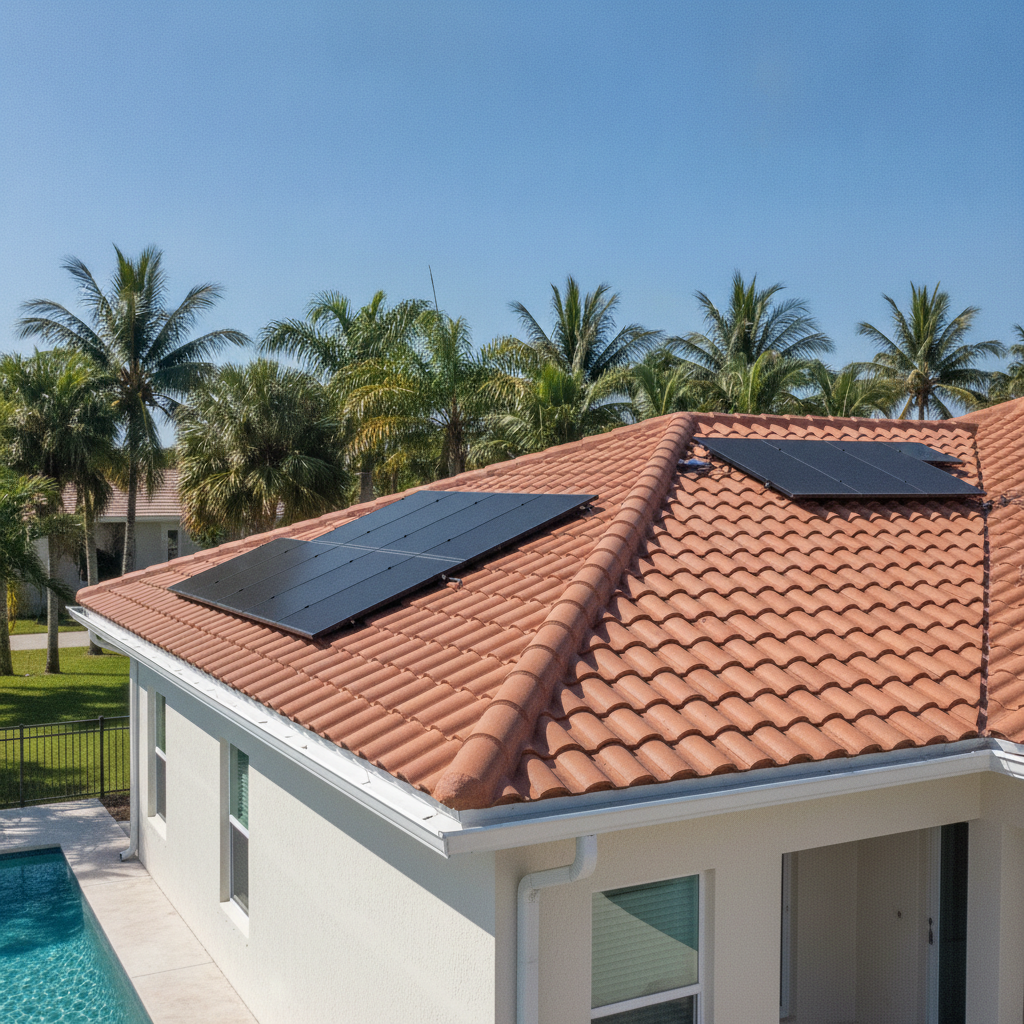
Another robust option is concrete or clay tile roofing. These heavy materials offer exceptional resistance to wind (150+ mph), impact, and fire, with a lifespan that can easily exceed 50 years. Their inherent weight requires a structurally sound deck, which a professional roofer will assess. Installation costs generally range from $12-20 per square foot, making them a premium choice that delivers unparalleled protection and a classic Florida aesthetic.
Navigating Melbourne and Brevard County Building Codes
In Florida, building codes are among the most stringent in the nation, particularly concerning wind mitigation, and Brevard County adheres strictly to these standards. Any new roof installation or significant repair in Melbourne must comply with the current edition of the Florida Building Code (FBC), which includes specific requirements designed to enhance a roof’s resistance to hurricane-force winds. This isn’t just bureaucracy; it’s a critical safety measure.
Key FBC requirements include enhanced fastening schedules for decking and roofing materials, ensuring they stay attached during extreme winds. The code also mandates the installation of a secondary water barrier, typically a self-adhering peel-and-stick underlayment, which provides a crucial layer of protection against water intrusion even if the primary roofing material is compromised. Understanding and adhering to these codes isn’t just about passing inspection; it’s about building a roof that genuinely protects your home and qualifies you for valuable wind mitigation insurance credits.
The Critical Role of a Local Roofer with Coastal Expertise
Choosing a local Melbourne FL coastal roofing contractor like Florida Roof Bros isn’t just about convenience; it’s about specialized knowledge that is indispensable for our unique environment. A local expert understands the specific permitting processes in Melbourne and Brevard County, knows which local suppliers provide the most durable, code-compliant materials, and is intimately familiar with the common roofing issues unique to our saltwater, high-humidity climate. We’ve seen firsthand the damage hurricanes can inflict and know exactly what it takes to build a roof that stands strong against our coastal elements.
Beyond material selection, a local roofer understands the nuances of FBC compliance, including the specific wind load calculations and fastening requirements for your property’s location. We can guide you through the process of maximizing wind mitigation credits for your insurance, potentially saving you hundreds annually. Our team has direct experience with hurricane-resistant installations and repairs, ensuring your roof isn’t just up to code, but truly built to last in the face of Florida’s challenging weather.
Proactive Maintenance Tips and Inspection Schedules
For a Melbourne coastal roof, proactive maintenance and regular inspections are not optional; they are essential for extending its lifespan and preventing costly emergencies. We recommend at least annual professional roof inspections, ideally before hurricane season in late spring, and always immediately after any named storm passes through our area. These inspections should meticulously check for loose or missing fasteners, damaged or lifting shingles, compromised flashing around penetrations, and any signs of granule loss on asphalt shingles.
Routine cleaning is also vital to remove salt buildup, algae, mold, and mildew, which can degrade materials and trap moisture. Addressing even minor issues, such as a small leak or a compromised seal, immediately can prevent widespread water damage to your attic, ceilings, and internal structures, saving you significant repair costs down the line. A well-maintained roof is a resilient roof, especially when facing the constant challenges of Melbourne’s coastal environment.
Essential Steps for Melbourne Homeowners
-
Prioritize Annual Professional Roof Inspections
WHY: Melbourne’s intense sun, salt air, and humidity cause accelerated wear and tear on roofing materials, often leading to issues that aren’t visible from the ground. Early detection of problems like lifted shingles, corroded flashing, or compromised seals can prevent minor repairs from escalating into major, expensive damage, especially before hurricane season hits.
HOW: Schedule a comprehensive roof inspection with a reputable Melbourne FL coastal roofing company every year. The ideal time is in late spring (May/June) before hurricane season fully ramps up. Always schedule another inspection immediately after any significant storm passes through our area, even if there’s no visible damage.
-
Understand and Verify Wind Mitigation Features
WHY: Proper wind mitigation features, such as enhanced decking attachment, a robust secondary water barrier, and specific roof-to-wall connections, are critical for a roof’s survival during a hurricane. These features not only significantly reduce the likelihood of catastrophic damage but can also lead to substantial savings on your homeowner’s insurance premiums in Florida.
HOW: Request a wind mitigation inspection (using Florida Form OIR-B1-1802) from a certified inspector. Ensure your roofer confirms that these hurricane-specific standards are met during any new installation or major repair, and provide the documentation to your insurance carrier to secure all available credits.
-
Invest in High-Performance Coastal Materials
WHY: Standard roofing materials are simply not designed to withstand the prolonged exposure to salt, humidity, and extreme winds prevalent in Melbourne. Investing in materials specifically engineered for coastal environments offers superior protection, extends your roof’s lifespan, and reduces the frequency of repairs.
HOW: When considering a new roof or replacement, discuss options with your roofer like architectural shingles with a minimum 130 mph wind rating, standing seam metal with a Kynar 500 finish for corrosion resistance, or concrete/clay tiles. While these options may have an upfront cost that is 10-20% higher than basic materials, their enhanced durability and longer lifespan provide significant long-term value.
-
Maintain Gutters and Drainage Systems Diligently
WHY: Clogged gutters are a common culprit for a host of roofing and structural problems in Florida. They cause water to back up, leading to fascia and soffit rot, overflowing onto walls, and potentially causing water intrusion into your attic or foundation. In our humid climate, standing water also encourages rapid mold and mildew growth.
HOW: Clean your gutters at least twice a year, or more frequently if your property has overhanging trees. Ensure all downspouts are clear and properly direct water away from your home’s foundation. Consider installing high-quality gutter guards to minimize debris accumulation and reduce the frequency of cleaning.
-
Proactively Manage Moss, Algae, and Mold Growth
WHY: Melbourne’s constant high humidity creates an ideal breeding ground for biological growth like moss, algae (often seen as black streaks), and mold. These growths not only detract from your roof’s appearance but can also trap moisture against the roofing materials, accelerating their degradation and shortening your roof’s overall lifespan.
HOW: Discuss preventative measures with your roofer, such as the installation of zinc or copper strips along the ridge line, which naturally inhibit growth. For existing growth, schedule periodic low-pressure chemical washes specifically designed for roofing materials. Never use a high-pressure washer, as it can damage granules on shingles and compromise the integrity of other roofing surfaces.
-
Review Your Homeowner’s Insurance Policy Annually
WHY: Florida’s insurance market is notoriously complex and dynamic, with policies changing frequently. Understanding your coverage limits, deductibles (especially hurricane deductibles), and the precise claims process *before* a storm hits is absolutely critical. This prevents unwelcome surprises during a stressful time.
HOW: Contact your insurance agent annually to review your policy. Confirm that your coverage reflects the actual replacement cost of your roof, understand any depreciation schedules, and clarify the timelines for filing claims after a hurricane. Document your roof’s condition with recent photos or videos to serve as proof of condition should you need to file a claim.
Frequently Asked Questions
What are the best roofing materials for coastal homes in Melbourne, FL, considering hurricanes and salt air?
For coastal homes in Melbourne, FL, durable materials like standing seam metal roofing, reinforced asphalt shingles (such as architectural or designer shingles with high wind ratings), and concrete or clay tiles are excellent choices. These materials offer superior resistance to high winds, heavy rain, and the corrosive effects of salt spray, ensuring long-term protection for your property.
How often should I have my roof inspected if I live near the coast in Florida?
Living near the Florida coast necessitates more frequent roof inspections due to the harsh environmental factors. We recommend a professional roof inspection at least once a year, ideally before hurricane season begins. Additionally, always schedule an inspection after any significant storm, even if there’s no visible damage, to catch potential issues early.
Does my homeowner’s insurance cover hurricane damage to my roof in Melbourne?
Most standard homeowner’s insurance policies in Florida do cover hurricane damage to roofs, but specifics can vary greatly by policy and deductible. It’s crucial to review your policy documents carefully and understand your hurricane deductible, which is often a percentage of your home’s insured value. We advise contacting your insurance provider directly to confirm your coverage details and ensure you are adequately protected.
What are common signs of salt air damage on a roof, and how can I prevent it?
Common signs of salt air damage include premature corrosion on metal components like fasteners and flashing, discoloration or degradation of roofing materials, and an accumulation of salt residue. Prevention involves choosing salt-resistant materials, ensuring proper ventilation, and scheduling regular cleaning and maintenance to rinse away salt buildup. Regular inspections can also identify and address early signs of damage before they escalate.
Are there specific building codes for roofs in hurricane-prone areas like Melbourne, FL?
Yes, Florida has some of the strictest building codes in the nation, especially for roofs in hurricane-prone areas like Melbourne. These codes, governed by the Florida Building Code, mandate specific requirements for wind resistance, material strength, installation methods, and secondary water barriers. Adhering to these codes is essential for safety, insurance compliance, and the longevity of your roof.
Roofing Services Across Central Florida
Florida Roof Bros serves homeowners throughout Brevard County, Pinellas County, and surrounding Central Florida communities. If you need a roof inspection, repair, or replacement in any of these areas, our team is ready to help:
- Palm Bay, FL Roofing
- West Melbourne, FL Roofing
- Rockledge, FL Roofing
- Vero Beach, FL Roofing
- Sebastian, FL Roofing
Protecting Your Melbourne Home with Expert Roofing
Safeguarding your home in Melbourne, FL, against the relentless forces of hurricane season and the corrosive effects of salt air requires a proactive and informed approach to roofing. By understanding the unique challenges of coastal environments and investing in high-quality materials, expert installation, and consistent maintenance, you can ensure your roof provides steadfast protection for years to come. Your roof is your home’s first line of defense, and its integrity is paramount to your peace of mind.
Don’t wait for a storm to discover vulnerabilities in your roofing system. Taking preventive measures now can save you significant time, stress, and expense down the road. Whether you’re considering a new roof, need repairs, or simply want to assess your current roof’s condition, professional guidance is invaluable.
At Florida Roof Bros, we specialize in coastal roofing solutions tailored to the specific needs of Melbourne homeowners. We offer 100% free, no-obligation roof inspections to help you understand your roof’s health and identify any potential issues before they become major problems. Our experienced team will provide you with clear, honest assessments and durable, reliable solutions designed to withstand Florida’s challenging climate.
Protect your investment and secure your home with confidence. Reach out to the experts who understand coastal roofing best. Trust the Pros, Call the Bros today for your free inspection at (321) 446-1702. We’re here to ensure your roof is ready for anything Mother Nature throws its way.
Need a free roof inspection? Call Florida Roof Bros at (321) 446-1702 or request a free inspection online. Family-owned, no subcontractors, Owens Corning Platinum Preferred. Trust the Pros, Call the Bros.
