

General Roofing
Location-Specific
Roofing
Essential Satellite Beach Roofing Building Codes for Protecting Your Home This Hurricane Season
The familiar rumble of distant thunder, the darkening sky over the Atlantic, and the sudden gust of wind rattling the palm trees are all too common sounds for homeowners in Satellite Beach. As another hurricane season approaches, that distinct shift in the air often brings with it a nagging thought: Is my roof truly ready? Protecting your home, especially a coastal one in Satellite Beach, requires more than just hoping for the best; it demands a deep understanding of the very rules designed to keep your most vital shelter intact.
Here in Brevard County, where tropical storms and hurricanes are an annual reality, the integrity of your roof isn’t just about curb appeal or comfort, it’s about safety and resilience. This post will cut through the jargon and help you understand the essential Satellite Beach roofing building codes that directly impact your home’s ability to withstand the powerful forces of nature. We’ll explore why these local regulations exist and what they mean for your roof’s structural integrity, material choices, and overall lifespan.
Navigating the specifics of local building codes can feel daunting, but it’s a critical step for any homeowner contemplating roof repair or replacement. These codes are not arbitrary; they are the result of decades of storm experience, engineered to fortify structures against the unique challenges of Florida’s climate. Understanding them is paramount for ensuring your investment provides maximum protection and complies with all necessary legal requirements, safeguarding your property and your family.
Ignoring or misunderstanding these crucial Satellite Beach roofing building codes can lead to significant problems, from failed inspections and costly rework to voided insurance claims after a storm. More importantly, it can compromise the very safety of your home during high winds. Our goal is to empower you with the knowledge to make informed decisions, ensuring your roofing project meets the highest standards of safety and durability.
When it comes to such a vital home improvement, you need a partner who lives and breathes these local standards. Florida Roof Bros, a family-owned company with over 25 years of combined experience right here in Central Florida, is intimately familiar with every nuance of Brevard County’s roofing regulations. We pride ourselves on our in-house crews and commitment to quality, backed by our Owens Corning Platinum Preferred Contractor status and an A+ rating from the BBB. For reliable guidance and expert service that adheres to every code, Trust the Pros, Call the Bros at (321) 446-1702.
This guide will illuminate the specific material requirements, installation standards, and wind mitigation features mandated for Satellite Beach homes, along with the necessary permitting and inspection processes. We believe that an informed homeowner is a protected homeowner, especially when facing the unpredictable nature of Florida’s hurricane season. Let’s ensure your roof is not just good, but exceptional, meeting every standard designed for your peace of mind.
Understanding Florida’s Unique Roofing Challenges and Building Code Responses
Florida’s climate presents a unique set of challenges for any roofing system, particularly along the coast in areas like Satellite Beach. The relentless sun, high humidity, salt air, and, most significantly, the annual threat of hurricanes and tropical storms, demand a level of resilience that roofs in other regions simply do not require. These environmental factors are precisely why Florida has some of the most stringent building codes in the nation, continuously evolving to enhance structural integrity and occupant safety.
The Florida Building Code, particularly its High-Velocity Hurricane Zone (HVHZ) provisions, forms the bedrock of these requirements, but individual counties and cities like Satellite Beach often implement additional local amendments. These localized codes address specific geographical risks, such as proximity to the ocean, flood zones, and wind exposure categories. For Satellite Beach homes, this means an emphasis on wind resistance, water intrusion prevention, and durability against corrosive coastal elements.
A key aspect of these codes revolves around the selection of roofing materials. While aesthetics are important, the primary concern is performance under extreme conditions. For instance, asphalt shingles must meet specific wind uplift ratings, often requiring higher-grade products and enhanced fastening schedules than standard installations. Tile roofs, metal roofs, and flat roofing systems each have their own stringent material specifications and installation protocols designed to prevent detachment and water penetration during high winds.
Beyond material choice, the installation standards are rigorously defined. This includes the type and spacing of fasteners, the use of specific underlayments, and the methods for securing roof edges and penetrations. These details, often overlooked by less experienced contractors, are absolutely critical for a roof’s ability to withstand hurricane-force winds. Proper installation ensures that each component of the roofing system works together to create a robust, unified barrier against the elements.
Wind mitigation features are another cornerstone of Satellite Beach roofing building codes, offering significant benefits to homeowners. These features, such as secondary water barriers, gable end bracing, and reinforced roof-to-wall connections, are not just about compliance; they are about dramatically improving a home’s resistance to storm damage. Investing in these features during a re-roofing project can not only enhance safety but also lead to substantial savings on homeowners insurance premiums, a welcome relief for many coastal residents.
The permitting and inspection process is the mechanism through which these codes are enforced. Any significant roofing project in Satellite Beach requires a permit from Brevard County, followed by a series of inspections at various stages of construction. These inspections, conducted by certified building officials, ensure that the materials used and the installation methods employed fully comply with all local and state regulations. Skipping this vital process can lead to serious legal ramifications, difficulties with insurance claims, and ultimately, a compromised roof that puts your home at risk.
The Foundation of Safety: Understanding Satellite Beach Roofing Building Codes
For homeowners in Satellite Beach, the roof over your head is more than just shelter; it’s your primary defense against the relentless Florida sun, torrential rains, and, most critically, hurricane-force winds. This is precisely why Satellite Beach, as part of Brevard County, operates under the stringent guidelines of the Florida Building Code (FBC). Currently adhering to the 7th Edition (2020) and its subsequent updates, these codes are not mere bureaucratic hurdles. They are meticulously designed safeguards, specifically engineered to fortify structures against the unique challenges of our coastal environment, including Category 3, 4, and even Category 5 hurricane winds that can exceed 157 mph. Ignoring these codes risks not only your property but potentially your family’s safety.
Material Requirements and Installation Standards
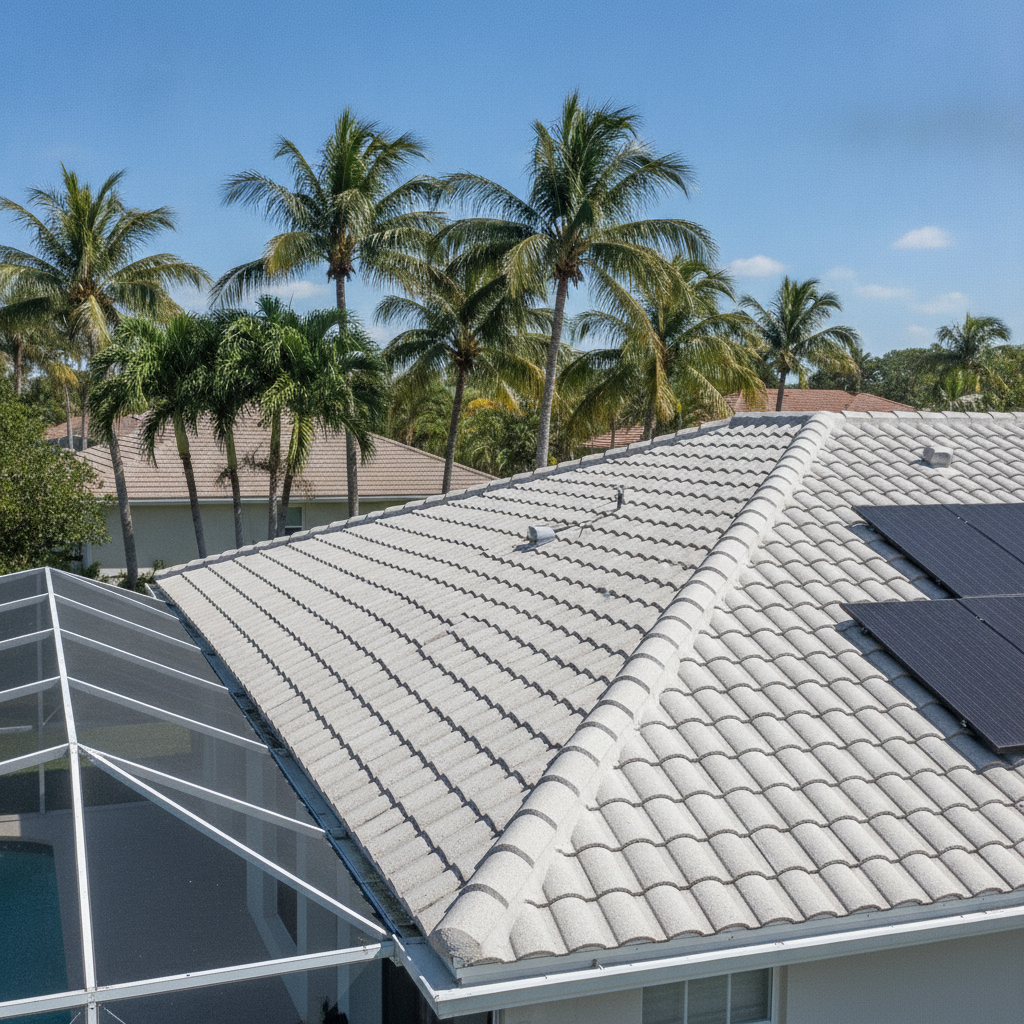
The FBC dictates specific material requirements and installation standards to ensure roofs can withstand our harsh climate. Common roofing materials in Satellite Beach, such as architectural shingles, standing seam metal, and concrete tiles, must meet robust wind resistance ratings. For instance, many asphalt shingles must pass tests like ASTM D7158 Class H, certifying resistance to 150 mph winds, or FBC TAS 100 requirements for uplift resistance. Metal roofs, often chosen for their superior durability and longevity, are excellent for resisting wind uplift and offer lifespans of 40-70 years. Concrete tiles, while heavier, provide exceptional impact resistance and can last 50 years or more. These lifespans often contrast with national averages, where architectural shingles might last 30-50 years, but in Florida, intense UV exposure, heat, and humidity often reduce their effective life to 25-30 years.
Beyond the materials themselves, the installation methods are paramount. The FBC mandates enhanced nail patterns for shingles, often requiring six nails per shingle instead of the standard four, to dramatically improve wind uplift resistance. A critical component is the secondary water barrier, typically a self-adhering, peel-and-stick underlayment that provides an additional layer of protection against water intrusion, even if the primary roofing material is compromised during a storm. Furthermore, “hurricane clips” or “straps” are often required to securely connect the roof truss to the wall structure, preventing the entire roof system from detaching in high winds. Proper attic ventilation, also governed by code, is essential for mitigating heat buildup and moisture, which can otherwise significantly reduce a roof’s lifespan and lead to structural damage.
Navigating Permitting and Inspections
Any roofing project in Satellite Beach, whether it’s a full replacement or significant repairs, absolutely requires a permit from Brevard County. This isn’t an optional step; it’s a legal necessity that ensures your project complies with all current FBC standards and local amendments. The permitting process involves submitting detailed plans, material specifications, and sometimes even engineering calculations to the county building department. Depending on the complexity and the county’s current workload, permit approval can take anywhere from one to three weeks. This upfront investment of time ensures that the work performed on your home meets the highest safety and quality benchmarks.
Once the permit is issued, the project will undergo a series of mandatory inspections by a county building inspector. Typically, there’s a “dry-in” inspection after the underlayment is installed but before the final roofing material is applied, verifying the secondary water barrier and fastening methods. A final inspection occurs once all work is complete, ensuring the entire roof system meets all approved plans and FBC standards. Passing these inspections is not just about compliance; it’s crucial for obtaining a Certificate of Completion. This document is vital for future insurance claims, validating that your roof was installed correctly and legally, and is often a requirement when selling your home.
The Local Roofer Advantage
Choosing a local, licensed, and insured roofer like Florida Roof Bros is not just a recommendation; it’s a critical decision for any Satellite Beach homeowner. Local roofers possess an intimate understanding of Satellite Beach’s specific building code nuances, local permitting quirks, and the unique environmental challenges our area faces, from salt spray corrosion to sand abrasion. Our familiarity with Brevard County’s specific requirements streamlines the permitting process and ensures every detail of your roof replacement adheres to the letter of the law. A Florida Certified Roofing Contractor license (e.g., CCC) signifies competency and adherence to strict state regulations, while proper insurance (liability and workers’ compensation) protects you from any unforeseen incidents during the project.
Furthermore, code compliance directly impacts your manufacturer warranties and, perhaps most critically, your homeowners’ insurance claims. A roof not installed to code can lead to voided material warranties, leaving you unprotected if a defect arises. More significantly, in the event of hurricane damage, an unpermitted or non-compliant roof can result in denied insurance claims or significantly reduced payouts, leaving you to bear the full cost of repairs. A reputable local roofer ensures your new roof meets all criteria, providing you with the full protection of your warranty and the peace of mind that your insurance will cover you when you need it most.
Protecting Your Investment: Practical Steps for Satellite Beach Homeowners
Navigating the complexities of roofing projects in a hurricane-prone area like Satellite Beach can feel overwhelming. However, by taking proactive steps and making informed decisions, you can ensure your home remains safe, compliant, and protected for years to come. Here are actionable tips every Florida homeowner should consider:
-
Verify Contractor Credentials Thoroughly
WHY: Choosing a reputable, licensed, and insured contractor is the single most important step to ensure your roof is installed correctly and legally. This protects you from shoddy workmanship, liability issues, and potential scams.
HOW: Always verify your contractor’s Florida Certified Roofing Contractor license (CCC) and general contractor license (CGC) through MyFloridaLicense.com. Ask for proof of liability insurance and workers’ compensation insurance, and don’t hesitate to call their insurance provider to confirm coverage. Request local references and check online reviews for consistent positive feedback.
-
Demand a Detailed Estimate and Comprehensive Contract
WHY: A clear, itemized estimate and contract prevent misunderstandings, hidden costs, and ensure all code-mandated work is explicitly included. This protects your budget and expectations.
HOW: Insist on an estimate that details specific materials (brand, model, color, wind rating), the type of underlayment, enhanced fastening methods, and the cost of permits and inspections. The contract should clearly state the project timeline, payment schedule, warranty details (both material and labor), and explicitly confirm that the contractor will pull all necessary permits before work begins.
-
Prioritize and Understand Wind Mitigation Features
WHY: Investing in wind mitigation features significantly enhances your roof’s resilience against hurricane damage and can lead to substantial savings on your homeowners’ insurance premiums.
HOW: Discuss specific wind mitigation options with your roofer, such as enhanced roof-to-wall connections (hurricane clips), the use of a secondary water barrier (peel-and-stick underlayment), and proper attic ventilation. After your roof replacement, request a wind mitigation inspection report (Form OIR-B1-1802) from a qualified inspector. Submit this report to your insurance provider to potentially qualify for discounts.
-
Never Skip the Permit and Inspections
WHY: Permits and inspections are non-negotiable legal requirements that ensure your roof meets current Florida Building Code standards. Skipping them can void warranties, lead to fines, complicate future home sales, and jeopardize insurance claims.
HOW: Confirm that your chosen contractor obtains the necessary permits from Brevard County *before* any work commences. Be aware of the inspection schedule (typically dry-in and final inspections) and ensure that all inspections pass and are properly documented. Request a copy of the Certificate of Completion once the project is fully approved.
-
Implement Proactive Coastal Roof Maintenance
WHY: Florida’s unique coastal environment with high humidity, salt air, and intense UV exposure can accelerate roof deterioration. Regular maintenance extends your roof’s lifespan and prevents minor issues from escalating into costly repairs.
HOW: Schedule annual professional roof inspections to catch issues early. Regularly clear gutters and downspouts of debris. Address moss, algae, or mildew growth promptly using approved, gentle cleaning methods (e.g., soft washing) to prevent damage to shingles and tiles. Trim overhanging tree branches to prevent abrasion and debris accumulation.
-
Review Your Homeowners Insurance Policy Annually
WHY: Understanding your insurance coverage, especially for hurricane damage, is vital in Florida. Policies can change, and your coverage needs may evolve, particularly after a major home improvement like a roof replacement.
HOW: Contact your insurance agent annually, especially before hurricane season (June 1 – November 30). Discuss your deductible (which is often a percentage for hurricane claims), whether your policy covers actual cash value or replacement cost, and if your new, code-compliant roof qualifies for additional discounts. Ensure your policy accurately reflects the current value and features of your home.
Frequently Asked Questions
How do the latest Florida Building Codes specifically impact roof installations and repairs in Satellite Beach?
The Florida Building Code, particularly Chapter 15, sets rigorous standards for roofing materials, installation methods, and wind resistance. For Satellite Beach, this means roofs must be engineered to withstand high wind loads, often requiring specific fastener patterns, secondary water barriers, and certified materials to protect against hurricane damage. These codes are regularly updated to incorporate the latest engineering advancements and lessons learned from past storm events, ensuring maximum home protection.
What is a wind mitigation inspection, and why is it important for Satellite Beach homeowners considering roof work?
A wind mitigation inspection is a specialized assessment that evaluates your home’s ability to resist hurricane-force winds, focusing on features like roof-to-wall attachments, roof shape, and opening protection. For Satellite Beach residents, a strong wind mitigation report can lead to significant discounts on homeowner’s insurance premiums by demonstrating your roof’s compliance with current protective building codes. It is a crucial step not just for safety and code adherence, but also for potential financial savings after a roof upgrade or replacement.
Are there specific permit requirements for roof repairs or replacements in Satellite Beach that I should be aware of?
Yes, any significant roof repair or full replacement in Satellite Beach requires a permit from the City of Satellite Beach Building Department to ensure compliance with local and state building codes. This process involves submitting plans, undergoing inspections during construction, and receiving final approval, all designed to safeguard your investment and ensure the work meets rigorous safety and durability standards. Working with a licensed and experienced contractor like Florida Roof Bros ensures all necessary permits are secured correctly and efficiently.
How can I determine if my existing Satellite Beach roof meets current hurricane readiness codes without a full replacement?
The best way to assess your existing roof’s code compliance and hurricane readiness is through a professional roof inspection by a qualified and licensed roofing contractor. They can evaluate the roof’s age, material, installation quality, and identify any vulnerabilities that might not meet current Florida Building Codes or pose risks during a storm. This inspection can pinpoint areas for targeted upgrades or repairs that enhance protection without requiring a complete overhaul, giving you peace of mind.
What are the key differences between older roof installations and those conforming to the newest Satellite Beach hurricane building codes?
Newer roof installations conforming to current hurricane building codes in Satellite Beach typically feature enhanced fastening schedules, stronger roof deck attachments, and mandatory secondary water barriers beneath the primary roofing material. These advancements significantly improve a roof’s ability to resist wind uplift and water intrusion. Older roofs, while potentially functional, often lack these advanced protective layers and attachment methods, making them more susceptible to damage during severe weather events. Upgrading ensures your home benefits from the latest in storm-resistant technology and construction practices.
Roofing Services Across Central Florida
Florida Roof Bros serves homeowners throughout Brevard County, Pinellas County, and surrounding Central Florida communities. If you need a roof inspection, repair, or replacement in any of these areas, our team is ready to help:
- Palm Bay, FL Roofing
- Melbourne, FL Roofing
- West Melbourne, FL Roofing
- Rockledge, FL Roofing
- Vero Beach, FL Roofing
Protecting Your Investment Starts with Code Compliance
Understanding and adhering to Satellite Beach’s roofing building codes is not merely a bureaucratic formality; it is a fundamental step in safeguarding your home and family, especially as hurricane season approaches. These essential codes are meticulously designed to ensure roofs are built to withstand Florida’s challenging weather conditions, providing the structural integrity and long-term durability your property deserves. By prioritizing code compliance, you invest in peace of mind, knowing your roof is prepared to protect what matters most.
Proactive preparation is key to avoiding costly damage and ensuring your home remains secure through any storm. Do not wait for a hurricane to discover potential vulnerabilities in your roof’s construction or compliance. Taking the initiative to assess your roof’s condition now allows you to address any issues before they escalate, providing critical protection when you need it most. Our expert team at Florida Roof Bros is here to guide you through every step of the process, ensuring your roof meets or exceeds all local and state building codes.
For a comprehensive assessment of your roof’s condition and code compliance, we encourage you to take advantage of our 100% free inspection service. Our licensed and experienced professionals will provide a thorough evaluation, offering honest recommendations without any obligation. Secure your home against the elements and ensure its longevity. Trust the Pros, Call the Bros today at (321) 446-1702 to schedule your free inspection and fortify your home against the upcoming hurricane season.
Need a free roof inspection? Call Florida Roof Bros at (321) 446-1702 or request a free inspection online. Family-owned, no subcontractors, Owens Corning Platinum Preferred. Trust the Pros, Call the Bros.
