

General Roofing
Roofing
Storm Damage
August 2026: Essential Pre-Hurricane Roof Preparation for Palm Bay, FL Homeowners
As August rolls in, the familiar scent of rain-soaked earth after a sudden afternoon downpour fills the air across Palm Bay. For many homeowners in Brevard County, this time of year brings a subtle shift in focus, from summer fun to the undeniable reality of Florida’s hurricane season. The constant drone of air conditioning is often accompanied by the quiet hum of weather updates, as tropical systems begin to form and track across the Atlantic and Gulf. This annual rhythm reminds us that proactive preparation is not just a recommendation, but a necessity for safeguarding our homes.
Understanding the unique challenges our climate presents is the first step in effective home protection. Your roof, as the primary shield against the elements, bears the brunt of Florida’s severe weather. This post is designed to empower Palm Bay residents with essential knowledge, guiding you through crucial pre-hurricane roof preparation steps. We will help you understand what vulnerabilities to look for and how to address them before a potential storm threat becomes imminent.
Even as August 2026 begins, tropical activity is already a topic of discussion. The National Hurricane Center’s tropical weather discussions often highlight developing systems, reminding us that the season is in full swing (Source: nhc.noaa.gov). Furthermore, reports like those detailing “Wet and Unsettled North Florida Today as a Frontal System Approaches from the West” (Source: cityofportrichey.gov) underscore the general atmospheric instability that can precede more significant weather events. Taking action now, while the skies are clear, can make all the difference when the weather turns.
At Florida Roof Bros, we understand these concerns deeply. As a family-owned business serving Brevard County, Pinellas County, and Central Florida for over 25 years combined experience, we believe in helping our neighbors prepare. Our commitment to quality means we never use subcontractors; all our crews are in-house, ensuring consistent, high-standard work. If you have immediate questions about your roof’s condition or need professional guidance for hurricane readiness, please do not hesitate to call us at (321) 446-1702.
This comprehensive guide will walk you through the importance of a proactive roof inspection before hurricane season hits full swing, detailing DIY steps you can take to secure your property. We will also outline when to consider professional pre-storm roof assessments for hidden vulnerabilities and help you understand common roof weak points. By staying informed and taking decisive action, you can significantly enhance your home’s resilience against the powerful forces of a hurricane.
The Foundation of Protection: Why Pre-Hurricane Roof Prep Matters in Palm Bay
Florida’s climate is a beautiful but demanding environment for any roofing system. The intense summer heat, persistent humidity, and the inevitable hurricane season conspire to put significant stress on even the most robust roofs. From the corrosive effects of salt air near the coast to the sheer force of tropical storm winds and torrential downpours, your roof in Palm Bay is constantly battling the elements. Understanding these unique factors is crucial for effective hurricane roof prep Palm Bay homeowners should prioritize.
One of the most significant protective measures in Florida is its stringent building codes. Following the devastation of Hurricane Andrew, Florida dramatically enhanced its building codes to mitigate future hurricane wind damage (Source: ncei.noaa.gov). While newer homes are constructed to these higher standards, many older properties in Palm Bay may have roofs that predate these improvements. Even for newer roofs, code compliance provides a baseline, but proactive maintenance and targeted reinforcements can offer an additional layer of security.
The materials used on your roof play a critical role in its ability to withstand a storm. High-quality roofing materials, such as architectural shingles, metal roofing, or tile, are designed with specific wind resistance ratings. However, the integrity of these materials is only as good as their installation. Loose shingles, corroded fasteners, or compromised flashing can quickly become weak points during high winds, allowing water intrusion and leading to far more extensive damage. Our in-house crews at Florida Roof Bros are experts in identifying and addressing these material and installation vulnerabilities.
Considering the financial implications, investing in hurricane roof prep for your Palm Bay home is a wise decision. The cost of proactive inspections, minor repairs, and securing loose elements pales in comparison to the potential expenses of post-hurricane roof replacement, interior water damage repairs, and the inconvenience of displacement. Insurance deductibles alone can be substantial, making prevention a far more economically sound strategy than relying solely on post-disaster recovery.
Timing is paramount when it comes to hurricane preparation. Waiting until a storm is named and heading your way leaves little time for meaningful action. Roofing contractors become overwhelmed, supplies become scarce, and prices often surge. Completing a thorough assessment and any necessary repairs well before the peak of hurricane season, which we are already deep into by August, ensures that your home is ready when it matters most. A proactive approach allows for thoughtful planning and unhurried execution of essential protective measures.
Proactive Roof Protection: Understanding Palm Bay’s Vulnerabilities
As August rolls in, so does the peak of Florida’s hurricane season. For Palm Bay homeowners, this isn’t just a date on the calendar; it’s a critical reminder to shift from passive awareness to proactive defense for your most important asset: your roof. A robust roof is your primary shield against the torrential rains and violent winds that hurricanes bring, and waiting until a storm is named is simply too late. The Florida Building Code, especially its high-velocity hurricane zone (HVHZ) provisions, sets stringent standards for a reason. Adhering to these, and ensuring your roof meets or exceeds them, isn’t just about compliance; it’s about safeguarding your family and investment against the devastating financial and emotional toll of post-storm repairs.
The Imperative of a Professional Pre-Storm Roof Inspection
While a quick glance from the ground might reassure you, a professional pre-storm roof inspection goes far beyond surface-level assessment. Experienced roofers understand the specific stresses a Florida hurricane places on a roofing system. We look for subtle signs of wear, hairline cracks, or compromised sealant that a homeowner might miss, but which a Category 1 or higher storm will mercilessly exploit. This includes checking the integrity of your decking, the attachment of your underlayment, and the condition of all flashing around penetrations like vents, chimneys, and skylights. Identifying these hidden vulnerabilities now can save you tens of thousands in emergency repairs later, ensuring your roof is ready to meet Florida Building Code wind load requirements.
DIY Steps to Secure Your Roof and Property
Even before a professional assessment, there are vital steps Palm Bay homeowners can take to bolster their property’s defenses. Start by clearing your gutters and downspouts of all debris. Clogged gutters prevent proper water runoff, leading to pooling that can seep into fascia boards and soffits, weakening the roof’s edge and inviting water intrusion during heavy rains. Next, secure or remove any loose items from your yard and patio, as these become dangerous projectiles in high winds. Trim back tree branches that overhang your roof or are close enough to cause damage if they snap. These simple actions significantly reduce the risk of secondary damage and improve your roof’s chances of withstanding a direct hit.
Understanding Common Roof Weak Points in Florida
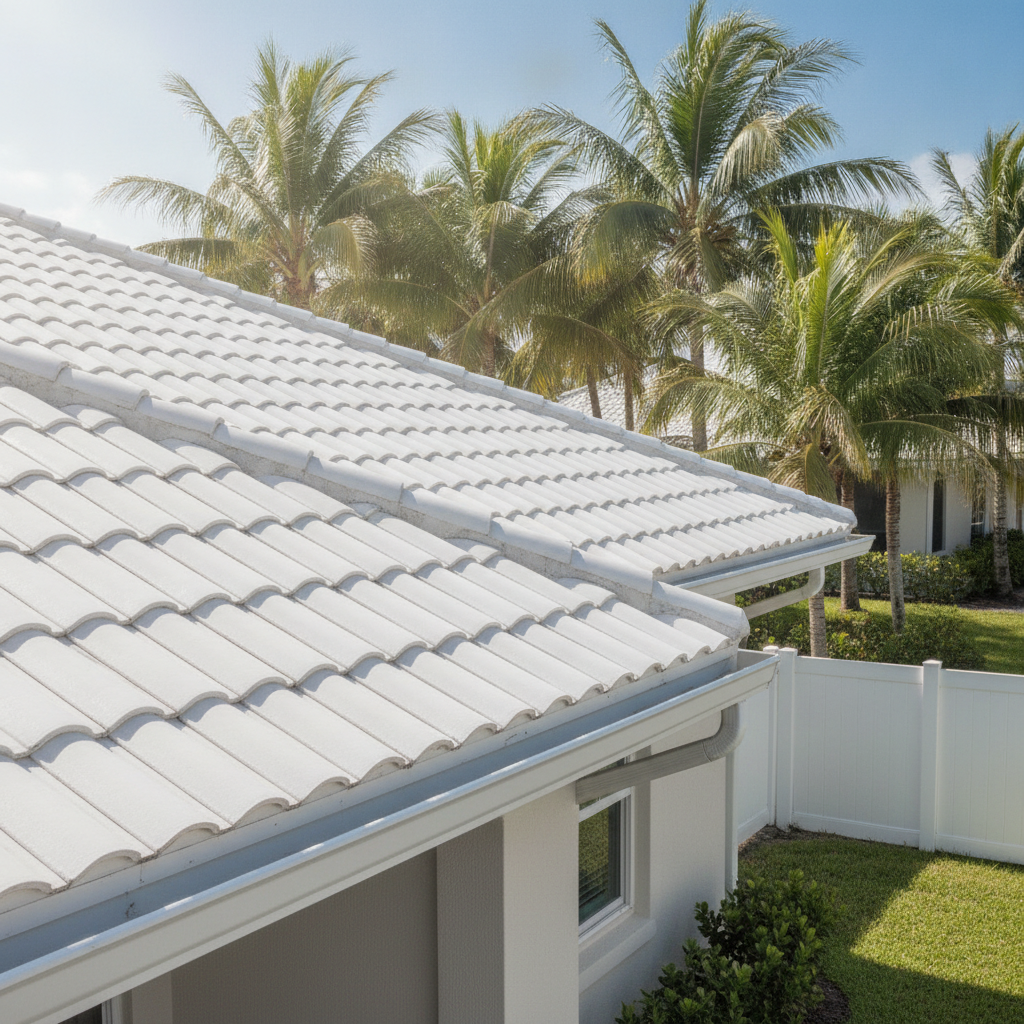
Florida’s unique climate of intense sun, high humidity, and salt air significantly accelerates the degradation of roofing materials compared to national averages. Common weak points include deteriorated sealant around pipe boots and vent stacks, cracked or lifting ridge caps, and compromised flashing around chimneys or skylights. Architectural shingles, while popular, typically last 18-25 years in Florida’s harsh environment, rather than the 25-30 years often advertised, especially if not properly maintained. Concrete tile roofs, while durable, can suffer from loose or cracked individual tiles, which become dangerous projectiles. Even robust standing seam metal roofs, known for their excellent uplift resistance, require secure panel fastening and sealant integrity to perform optimally. Addressing these specific vulnerabilities proactively is key to preventing catastrophic failure.
Material Matters: Wind Ratings and Lifespan in the Sunshine State
The type and condition of your roofing material play a huge role in its hurricane resilience. Modern architectural shingles are designed to meet Class D or E wind resistance standards, meaning they can withstand winds up to 130 mph, provided they are installed correctly with proper nailing patterns as per Florida Building Code. Standing seam metal roofs offer superior uplift resistance and can last 30-50+ years, making them an excellent choice for hurricane-prone areas. Concrete and clay tiles, while heavy and durable with lifespans often exceeding 50 years, require meticulous installation with hurricane clips and mortar to prevent individual tiles from dislodging. Regardless of material, the underlayment beneath is crucial; a high-quality, self-adhering underlayment provides a secondary waterproof barrier even if the primary roofing material is damaged.
Resources for Staying Informed and Prepared
Staying informed is as critical as physical preparation. Palm Bay homeowners should regularly monitor the National Hurricane Center (NHC) for tropical weather updates. Familiarize yourself with Brevard County Emergency Management’s local advisories and evacuation zones. Sign up for local alert systems to receive real-time notifications about severe weather and emergency instructions. Having a clear emergency plan, including designated meeting points and contact lists, ensures your family knows what to do when a storm approaches. These resources, combined with a well-prepared roof, form a comprehensive defense strategy for hurricane season.
What Palm Bay Homeowners Should Do Right Now
With hurricane season now in full swing, taking decisive action to secure your roof and property is paramount. Don’t wait for a storm to be on the horizon; proactive measures taken today can prevent significant damage and costly repairs tomorrow. Here are 7 actionable steps every Palm Bay homeowner should undertake:
-
Schedule a Professional Roof Inspection:
WHY: A certified local roofer can identify subtle damage, hidden vulnerabilities, and potential code compliance issues that are invisible from the ground. This assessment provides critical documentation for your insurance and can qualify you for wind mitigation credits, significantly lowering your premiums.
HOW: Contact a reputable, licensed roofing contractor in Palm Bay today. Request a comprehensive pre-hurricane season inspection that includes checking flashing, sealant, decking, and overall material integrity. Get a written report with findings and recommendations.
-
Clean Gutters and Downspouts Thoroughly:
WHY: Clogged gutters prevent proper water drainage, causing water to pool on your roof’s edge, seep into fascia boards and soffits, and potentially infiltrate your attic. During a hurricane, overflowing gutters exacerbate water intrusion and can lead to severe structural damage.
HOW: Safely remove all leaves, twigs, and debris from your gutters and downspouts. Flush them with a hose to ensure water flows freely. Check that downspouts direct water at least five feet away from your foundation.
-
Trim Overhanging Trees and Clear Yard Debris:
WHY: Overhanging branches pose a significant threat during high winds, potentially falling onto your roof and causing catastrophic damage. Loose items in your yard become dangerous projectiles, capable of breaking windows or damaging your roof and siding.
HOW: Hire a professional arborist to trim any tree branches that are dead, weak, or directly over your roof. Secure or store all outdoor furniture, trash cans, grills, and decorative items. Consider cutting back shrubbery near your home to reduce wind resistance.
-
Inspect and Seal Flashing and Roof Penetrations:
WHY: Flashing around chimneys, skylights, vents, and pipe boots are critical seals that prevent water intrusion. Over time, Florida’s intense sun and humidity cause sealants to crack and degrade, creating direct pathways for water during heavy rains.
HOW: Visually inspect all areas where your roof plane is interrupted. If you see cracked, peeling, or missing sealant, carefully reapply a high-quality, UV-resistant, silicone-based caulk specifically designed for roofing. For significant flashing damage or loose components, contact a professional roofer.
-
Check for Loose or Damaged Shingles and Tiles:
WHY: Even a single loose or missing shingle or tile can create an entry point for wind and water, leading to progressive damage across your entire roof system. High winds can easily peel back compromised materials, exposing the underlayment and decking.
HOW: From a safe vantage point (ground level or a securely placed ladder), carefully scan your roof for any curling, cracked, missing, or uplifted shingles. For tile roofs, look for cracked, dislodged, or missing tiles. Minor issues can sometimes be temporarily secured with roofing cement, but for widespread damage, a professional repair is essential.
-
Review Your Homeowners Insurance Policy:
WHY: Florida insurance policies often have specific hurricane deductibles (typically 2% or 5% of your dwelling coverage) that differ from your standard deductible. Understanding your coverage, deductibles, and the claims process *before* a storm hits is crucial for a smooth recovery.
HOW: Contact your insurance agent to review your policy details. Ask about hurricane deductibles, specific coverage for wind and water damage, and what documentation you’ll need for a claim. Take photos and videos of your roof and property’s current condition as pre-storm evidence.
-
Prepare an Emergency Kit and Family Plan:
WHY: While not directly roof-related, having a well-stocked emergency kit and a clear family communication plan is vital for your safety and peace of mind during and after a hurricane. This ensures you can focus on immediate safety rather than scrambling for supplies.
HOW: Assemble a kit with at least three days’ supply of water, non-perishable food, a battery-powered radio, flashlights, extra batteries, a first-aid kit, and any necessary medications. Develop a family communication plan, identify evacuation routes, and know the locations of local shelters in Brevard County.
Frequently Asked Questions
What specific roof inspections should I get before hurricane season in Palm Bay?
For hurricane season in Palm Bay, it’s crucial to get a comprehensive roof inspection that focuses on potential vulnerabilities. This includes checking for loose or missing shingles, examining the integrity of flashing around chimneys and vents, inspecting the sealant around all penetrations, and assessing the overall condition of your roof deck and attic ventilation for any signs of water intrusion or weakness. A thorough inspection will identify any areas that could become major problems under high winds and heavy rain.
How long does a typical pre-hurricane roof inspection take in Palm Bay?
A typical pre-hurricane roof inspection in Palm Bay usually takes between 45 minutes to 1.5 hours, depending on the size and complexity of your roof. This timeframe allows our experienced technicians to meticulously examine all critical components, including the roof surface, flashing, gutters, and attic space, without rushing. We prioritize thoroughness to ensure no potential issues are overlooked, providing you with a complete understanding of your roof’s readiness for the storm season.
What are the most common roof issues found during pre-hurricane inspections in Florida?
During pre-hurricane inspections in Florida, common issues often include cracked, curled, or missing shingles that compromise the roof’s protective layer. We frequently find compromised flashing around vents and chimneys, indicating potential leak points, and clogged gutters that can lead to water pooling and fascia damage. Additionally, signs of granule loss on asphalt shingles, deteriorating sealants, and minor structural weaknesses are routinely identified as areas needing attention to bolster hurricane resistance.
Can minor roof repairs really make a significant difference against a hurricane in Palm Bay?
Absolutely, addressing minor roof repairs proactively can make a monumental difference in your Palm Bay home’s ability to withstand a hurricane. Small issues like a few loose shingles, degraded sealant around a pipe boot, or a tiny crack in flashing can quickly escalate under the extreme forces of hurricane-force winds and torrential rain. Fixing these seemingly insignificant problems prevents them from becoming major breaches that could lead to widespread water damage or even partial roof failure during a storm.
Is it too late to get my roof inspected for hurricane season if August is already here?
While early preparation is always ideal, it is certainly not too late to get your roof inspected even if August is already here and hurricane season is in full swing. Proactive measures, no matter when they are taken, are always better than reactive ones after a storm hits. Florida Roof Bros is ready to conduct a thorough inspection of your Palm Bay home, identify any immediate concerns, and help you take necessary steps to protect your property before the next major weather event.
Roofing Services Across Central Florida
Florida Roof Bros serves homeowners throughout Brevard County, Pinellas County, and surrounding Central Florida communities. If you need a roof inspection, repair, or replacement in any of these areas, our team is ready to help:
- Melbourne, FL Roofing
- West Melbourne, FL Roofing
- Rockledge, FL Roofing
- Vero Beach, FL Roofing
- Sebastian, FL Roofing
Prepare Your Palm Bay Home: Secure Your Roof, Secure Your Peace of Mind
As August unfolds, the importance of a robust and resilient roof for your Palm Bay home cannot be overstated, especially with hurricane season in full swing. Taking proactive steps to assess and address potential vulnerabilities now is not just about compliance; it’s about safeguarding your family, your property, and your peace of mind. A well-prepared roof is your primary defense against the severe weather Florida is known for, ensuring you’re ready for whatever challenges the coming months may bring.
Don’t wait for the next storm warning to realize your roof might not be up to the task. Florida Roof Bros is your trusted local partner, deeply familiar with the specific roofing needs and challenges faced by Palm Bay homeowners. Our team of skilled professionals is dedicated to providing thorough, honest, and expert service, helping you identify and resolve any issues that could compromise your roof’s integrity during a hurricane. We’re here to ensure your home stands strong.
Your journey to a storm-ready roof begins with a simple, no-obligation step. Florida Roof Bros is proud to offer 100% free inspections to all Palm Bay residents. Let our experts provide you with a detailed assessment and professional recommendations, giving you the clarity and confidence you need to make informed decisions. Protect your biggest investment today.
Reach out to Florida Roof Bros and schedule your complimentary inspection. Our friendly team is ready to answer your questions and help you secure your home against the elements. Trust the Pros, Call the Bros at (321) 446-1702.
Need a free roof inspection? Call Florida Roof Bros at (321) 446-1702 or request a free inspection online. Family-owned, no subcontractors, Owens Corning Platinum Preferred. Trust the Pros, Call the Bros.
