

General Roofing
Location-Specific
Roofing
Malabar Roofing: Area Storm History
The afternoon sky over Malabar can change faster than you can say “hurricane season.” One moment, the sun is blazing down on your beautiful home, the next, dark clouds roll in, bringing with them a torrential downpour and gusting winds that make you wonder if your roof is truly ready for what Florida weather throws its way. This isn’t just a seasonal concern, it’s a year-round reality for homeowners in our area, and understanding the history of storms that have impacted Malabar is crucial for protecting your most valuable asset.
Living on the Space Coast means more than just rocket launches and sunshine; it means being perpetually prepared for the severe weather that defines our state. From tropical depressions to full-blown hurricanes, the consistent threat of high winds, heavy rain, and even hail can take a serious toll on roofing systems. This post will delve into the historical storm patterns specific to Malabar and Brevard County, helping you understand the unique challenges our local roofs face and what steps you can take to ensure your home remains safe and secure.
When you hear about storm damage, it’s not always the catastrophic, named hurricanes that cause the most wear and tear. Often, it’s the relentless accumulation of smaller, frequent storms, each bringing its own dose of wind uplift and water intrusion potential. Over years, these seemingly minor events can weaken shingles, compromise flashing, and degrade underlying materials, leading to costly repairs if left unaddressed. We understand these local nuances because our family has been serving Brevard County for decades, building a reputation for integrity and quality craftsmanship.
Having a clear picture of Malabar’s storm history isn’t just about curiosity; it’s about informed decision-making for your home. Knowing the types of weather events that are common here, their typical intensity, and the specific vulnerabilities they expose in older roofing systems empowers you to be proactive. This knowledge helps you understand why certain materials are favored, why regular inspections are critical, and why investing in a robust roof system is not just an expense, but an essential long-term protection for your property.
At Florida Roof Bros, we pride ourselves on being more than just roofers; we’re your neighbors and fellow Floridians who understand these challenges firsthand. With over 25 years of combined experience, our family-owned company uses only in-house crews, ensuring every job meets our high standards without relying on subcontractors. We’re an Owens Corning Platinum Preferred Contractor, A+ rated by the BBB, and backed by over 300 five-star Google reviews. If you ever have questions about your roof’s resilience or need an inspection, don’t hesitate to call us at (321) 446-1702. We’re licensed, insured, certified, and bonded (FL license CCC1332911), ready to serve Brevard County, Pinellas County, and Central Florida with the expertise you deserve.
Our commitment is to equip you with the knowledge needed to protect your home effectively. Understanding the historical context of storms in Malabar will lay the groundwork for appreciating why Florida roofing standards are so rigorous and why choosing the right contractor and materials is paramount. This information will not only highlight past challenges but also point towards the best practices for future resilience, ensuring your roof stands strong against whatever the skies may bring.
Florida’s Relentless Climate and Roofing Demands
Florida’s geographical position, nestled between the Atlantic Ocean and the Gulf of Mexico, makes it a hotspot for tropical weather systems, a reality that deeply influences everything from building codes to the types of roofing materials we recommend. The state experiences more thunderstorms than any other in the U.S., alongside a high frequency of tropical storms and hurricanes. This constant exposure to high winds, heavy rain, UV radiation, and humidity creates a uniquely demanding environment for any roofing system, far different from what homes in less active climates endure.
The historical data for Brevard County, including Malabar, reveals a consistent pattern of severe weather. While major hurricanes like Matthew (2016) and Irma (2017) are memorable for widespread damage, it’s the cumulative effect of countless lesser storms that often necessitates roofing replacements. These events bring sustained winds exceeding 60-70 mph, driving rain that exploits even the smallest vulnerabilities, and sometimes hail that can bruise or crack shingles. Over time, this constant assault accelerates the aging process of roofing materials, potentially reducing a roof’s lifespan significantly if not properly installed or maintained.
Florida’s building codes are among the strictest in the nation, specifically designed to mitigate storm damage, and for good reason. Following Hurricane Andrew in 1992, the state implemented the Florida Building Code, which mandates higher standards for wind resistance, particularly for roof decking attachment, secondary water barriers, and shingle adhesion. For instance, roofs are now often required to have enhanced nailing patterns and sealed decks to prevent water intrusion even if shingles are lost. These codes are regularly updated, meaning a roof installed 20 years ago may not meet the same resilience standards as one installed today.
When considering roof replacement in Malabar, understanding these code requirements is paramount. Newer roofing systems, especially those installed by certified professionals like us, incorporate advanced technologies and installation techniques that significantly improve storm resilience. This includes using impact-resistant shingles, stronger underlayments, and meticulous flashing work around penetrations. The initial cost might be slightly higher than a basic repair, but the long-term benefits in terms of protection and potentially lower insurance premiums are substantial.
Materials also play a critical role in storm performance. While asphalt shingles remain popular, their quality and wind ratings vary significantly. High-wind-rated shingles, often manufactured with heavier mats and stronger adhesives, are designed to withstand gusts up to 130 mph, which is essential for our region. Metal roofing, with its exceptional durability and longevity, is another excellent option for storm-prone areas, offering superior resistance to wind, hail, and fire. Choosing the right material, coupled with expert installation, makes all the difference in a roof’s ability to endure Florida’s climate.
The timeline for a roof replacement, especially after a significant storm, can vary. Typically, a standard residential shingle roof replacement takes between three to five days, weather permitting. However, during peak storm season or after a major event, demand for qualified roofers increases, which can extend wait times. This underscores the importance of proactive maintenance and early intervention when signs of wear appear, rather than waiting for a crisis. Investing in a robust, code-compliant roof with a reputable local company ensures your home is prepared for whatever the next storm season brings.
Understanding Malabar’s Unique Roofing Challenges
Malabar’s coastal proximity and historical hurricane activity mean that standard roofing practices simply aren’t enough. Our roofs aren’t just protecting us from rain; they’re our first line of defense against tropical storms, powerful winds, and relentless sun exposure. This unique environment demands specific materials and installation techniques to ensure long-term durability and safety for your home. Understanding these challenges is the first step towards a truly resilient roof system.
The Florida Building Code and Wind Resilience
The backbone of resilient roofing in Malabar is the Florida Building Code (FBC), one of the strictest in the nation, particularly concerning wind resistance. Every new roof or significant repair must adhere to FBC standards, which dictate everything from fastener patterns to underlayment specifications. For our area, roofs are often designed to withstand winds exceeding 130 mph, requiring enhanced uplift resistance for every component. This is critical because wind pressure can literally peel a roof off a house if not properly secured, a common failure point during major hurricanes.
Hurricane Categories and Their Impact on Roofs
When we talk about storms, we often refer to hurricane categories, which directly correlate to potential roof damage. A Category 1 hurricane (74-95 mph winds) can cause damage to shingles and gutters, while a Category 3 (111-129 mph) often leads to significant structural damage, including complete roof deck exposure. Category 4 and 5 storms, like Hurricane Matthew (near miss) or Irma (widespread impact), bring catastrophic wind forces (130+ mph) that can devastate even well-built roofs, making proper material selection and installation absolutely paramount for Malabar homes.
Common Roofing Materials and Lifespans in Florida
- Architectural Shingles: In Malabar, homeowners typically choose from a few robust roofing materials. Architectural shingles, also known as dimensional or laminate shingles, are a popular choice due to their aesthetic appeal and cost-effectiveness. In Florida’s intense climate, you can expect architectural shingles to last approximately 20-30 years, which is often on the lower end compared to the 30-50 years seen in milder climates nationally. Their granular surface offers decent impact resistance, but extreme heat and UV exposure can accelerate their aging process, leading to brittleness and granule loss over time.
- Standing Seam Metal: Standing seam metal roofing is gaining significant traction in Malabar for its superior durability and longevity. Made from steel or aluminum, these panels are mechanically seamed together, creating an incredibly strong and watertight barrier. A properly installed standing seam metal roof can last 40-70 years or even longer in Florida, far exceeding national averages for many other materials. While the initial investment is higher, its exceptional wind resistance, energy efficiency, and low maintenance often make it a wise long-term choice for coastal properties.
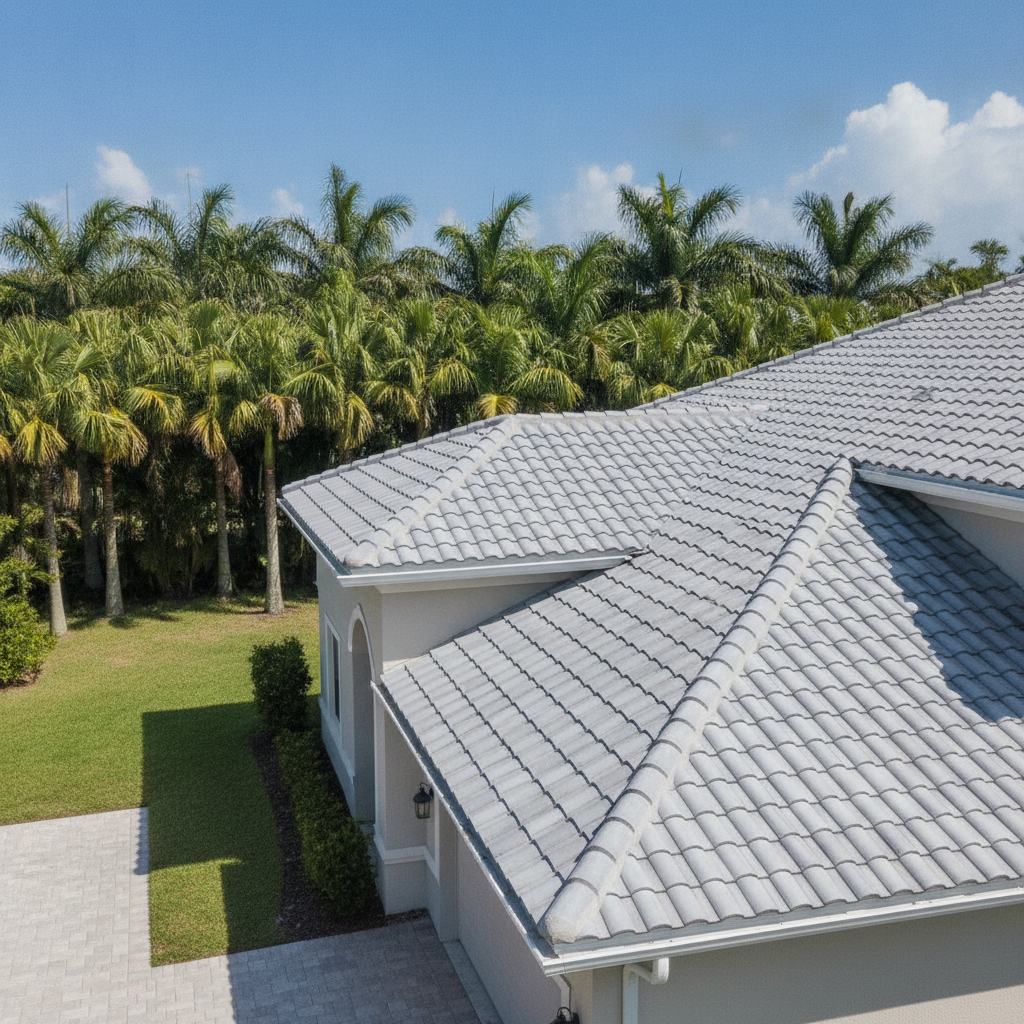
- Concrete Tile: Concrete tile roofing offers another premium option, known for its distinctive appearance and incredible resilience. These heavy tiles are highly resistant to wind, fire, and hail, making them an excellent choice for Malabar’s storm-prone environment. Concrete tile roofs boast an impressive lifespan, often exceeding 50 years, and can even last 75 years or more with proper maintenance, significantly outperforming most national averages. Their weight requires a robust roof structure, but their durability and aesthetic appeal provide lasting value and protection against the elements.
Florida-Specific Environmental Considerations
Beyond the materials themselves, Florida’s high humidity and salt-laden air introduce additional considerations. Constant moisture can foster mold and algae growth on shingles, requiring periodic cleaning to maintain roof integrity and appearance. Salt spray from the ocean can accelerate corrosion on metal components if not properly treated or made from appropriate alloys. These environmental factors underscore the importance of choosing materials specifically rated for coastal exposure and ensuring all installations meet or exceed the rigorous standards set by the Florida Building Code for our region.
What Malabar Homeowners Should Do to Protect Their Roof
-
Schedule Regular Professional Roof Inspections
WHY: Even the most robust roof can develop issues over time, especially with Malabar’s harsh weather. Small problems like loose shingles, cracked tiles, or minor flashing damage can quickly escalate into costly leaks and structural damage if left unaddressed. Regular inspections catch these issues early, preventing minor concerns from becoming major headaches.
HOW: Schedule a professional roof inspection at least once a year, preferably after hurricane season or before the summer rains begin. A qualified Malabar roofer, like Florida Roof Bros, will thoroughly assess your roof’s condition, identify potential vulnerabilities, and provide a detailed report with clear recommendations. This proactive approach saves you money and prevents emergencies.
-
Trim Overhanging Trees and Maintain Gutters
WHY: Overhanging branches pose a significant threat during high winds, potentially falling and causing severe roof damage, especially during a hurricane. Clogged gutters prevent proper water drainage, leading to water pooling on your roof, fascia rot, and even foundation issues, which is particularly problematic with Florida’s heavy, sudden downpours.
HOW: Before hurricane season, have any branches directly over or very close to your roof professionally trimmed and cleared. Regularly clear leaves, pine needles, and other debris from your gutters and downspouts to ensure free-flowing water. Consider installing sturdy gutter guards to reduce the frequency of cleaning and prevent blockages.
-
Understand Your Roof’s Wind Mitigation Features
WHY: Florida offers significant insurance discounts for homes with strong wind mitigation features. Knowing what protections your roof has, such as a secondary water barrier, hurricane clips, or reinforced gables, can not only save you money on premiums but also provide crucial peace of mind about its resilience during a storm.
HOW: Request a wind mitigation inspection from a certified inspector. They will document your roof’s specific features and provide a detailed report you can submit to your insurance company for potential savings. If your roof lacks certain features, discuss cost-effective upgrades with a reputable local roofer to enhance its storm readiness.
-
Know Your Insurance Policy and Documentation
WHY: After a storm, the last thing you want is confusion about your insurance coverage. Florida’s property insurance landscape can be complex, and knowing your deductible, coverage limits, and the exact claim process beforehand is absolutely crucial for a smooth and efficient recovery.
HOW: Review your homeowner’s insurance policy annually with your agent to understand your wind deductible, which is often a percentage of your dwelling coverage. Keep detailed records of your roof’s installation, including permits, material warranties, and clear photos of your roof’s condition before any damage, as these are invaluable if you need to file a claim.
-
Address Algae and Mold Growth Promptly
WHY: Florida’s high humidity and warm temperatures create an ideal environment for algae and mold to thrive on roofs, particularly on asphalt shingles. While often considered an aesthetic issue, severe growth can retain moisture, accelerate granule loss, and compromise the overall integrity and lifespan of your roofing materials over time.
HOW: If you notice black streaks or green patches on your roof, contact a professional roof cleaner experienced with Florida roofs. They use specialized, low-pressure cleaning methods and eco-friendly solutions to safely remove growth without causing damage to your shingles. Avoid high-pressure washing, which can aggressively strip granules and significantly reduce your roof’s lifespan.
-
Plan for Post-Storm Assessment and Repairs
WHY: After a hurricane or severe storm, immediate and proper assessment is key to preventing further damage. Waiting too long can exacerbate existing issues, lead to secondary problems like interior water damage, and potentially complicate future insurance claims. Many roofers become extremely busy post-storm, so having a plan is vital.
HOW: If your area is hit, perform a safe visual check from the ground for obvious damage such as missing shingles or lifted metal panels. If you suspect any damage, contact Florida Roof Bros for a professional post-storm inspection as soon as it is safe to do so. Be wary of out-of-state storm chasers; always choose a local, licensed, and insured contractor with a proven track record in Malabar. Document any damage thoroughly with photos and dates for your insurance claim.
Frequently Asked Questions
What are the most common types of storm damage to roofs in Malabar, FL?
In Malabar, roofs frequently suffer from high wind damage, which can lift, curl, or completely detach shingles, leading to exposed decking and potential leaks. Granule loss from asphalt shingles is also common, diminishing the roof’s protective capabilities. Hail can cause widespread impact damage, creating dents, cracks, and weak spots that compromise the roof’s integrity over time, often unseen from the ground.
How often should homeowners in Malabar have their roofs inspected, especially after hurricane season?
For homeowners in Malabar, an annual professional roof inspection is highly recommended, ideally before or after the peak hurricane season, to proactively identify any minor issues before they escalate. It is absolutely crucial to schedule an inspection immediately following any significant storm event, even if no visible damage appears from the ground. Hidden problems like loosened fasteners, compromised flashing, or subtle shingle damage can lead to major leaks and costly repairs if left unaddressed.
What is the average lifespan of a roof in Malabar, considering Florida’s weather?
Given Malabar’s intense sun exposure, high humidity, and frequent severe weather events, the average lifespan of an asphalt shingle roof typically ranges from 15 to 20 years. These harsh conditions accelerate the wear and tear process compared to cooler climates. More durable options, such as metal roofs, offer significantly extended lifespans, often lasting 40 to 70 years, providing superior long-term protection and value against Florida’s challenging environment.
Does my homeowner’s insurance policy cover storm damage to my roof in Malabar?
Most standard homeowner’s insurance policies in Florida are designed to cover sudden and accidental damage caused by named perils like wind, hail, and lightning, which includes many types of storm damage to your roof. However, policy specifics, including deductibles for hurricane or wind damage, can vary significantly. It is always advisable for Malabar homeowners to thoroughly review their individual policy documents and contact their insurance agent promptly after any storm event to understand their coverage and initiate the claims process efficiently.
Why are metal roofs becoming more popular for storm resistance in Malabar?
Metal roofs are gaining significant popularity in Malabar due to their exceptional durability and superior resistance to the severe weather common in Florida. They are engineered to withstand extremely high winds, making them less susceptible to blow-offs during hurricanes. Furthermore, metal roofing is highly resistant to fire, impact from hail and debris, and does not degrade from UV exposure as quickly as asphalt. This combination of resilience, long lifespan, and often lower maintenance makes them a smart, long-term investment for storm protection.
Roofing Services Across Central Florida
Florida Roof Bros serves homeowners throughout Brevard County, Pinellas County, and surrounding Central Florida communities. If you need a roof inspection, repair, or replacement in any of these areas, our team is ready to help:
- Palm Bay, FL Roofing
- Melbourne, FL Roofing
- West Melbourne, FL Roofing
- Rockledge, FL Roofing
- Vero Beach, FL Roofing
Protecting Your Malabar Home with Florida Roof Bros
Malabar’s history with severe weather underscores a critical truth for every homeowner: your roof is your primary defense against the elements. Understanding the local storm patterns and potential vulnerabilities of your roofing system is not just about maintenance; it is about proactive protection for your family and your investment. A robust, well-maintained roof, capable of withstanding Florida’s challenging climate, is essential for peace of mind and long-term security.
Do not wait for the next storm to discover the weaknesses in your roof. Even if you do not see obvious damage, high winds, heavy rain, and relentless sun can cause hidden wear and tear that compromises your roof’s integrity. Florida Roof Bros offers 100% free, no-obligation roof inspections to Malabar homeowners. Our certified experts will meticulously assess your roof’s condition, identify any existing or potential issues, and provide you with a comprehensive report and honest recommendations. This proactive step can save you significant time, money, and stress down the line.
Ensuring your Malabar home is protected begins with a simple call. Whether you suspect storm damage, are planning for a new roof, or simply want the peace of mind that comes with a professional assessment, Florida Roof Bros is here to help. Our team is dedicated to providing superior roofing solutions and unparalleled customer service. For your free roof inspection and expert advice, contact us today. Trust the Pros, Call the Bros at (321) 446-1702.
Need a free roof inspection? Call Florida Roof Bros at (321) 446-1702 or request a free inspection online. Family-owned, no subcontractors, Owens Corning Platinum Preferred. Trust the Pros, Call the Bros.
