

General Roofing
Location-Specific
Roofing
Melbourne Roofing: Area Storm History
The distant rumble of thunder, the sudden downpour that turns streets into rivers, or the unsettling creak of your roof during a fierce squall, these are all too familiar experiences for homeowners across Melbourne, Florida. Living in a beautiful coastal community like ours means enjoying sunshine and sea breezes, but it also means being acutely aware of the dynamic weather patterns that shape our lives and, critically, our homes. After a particularly strong storm, many residents find themselves looking up, wondering if their roof truly withstood the onslaught, or if the subtle signs of wear and tear are now something more serious.
Understanding the unique storm history of Melbourne and its surrounding Brevard County area isn’t just a matter of local trivia, it’s a vital part of responsible homeownership. This post aims to provide you with a comprehensive overview of the types of weather events our region commonly faces, how they impact your roofing system, and what you need to know to protect your investment. By understanding the past, you can be better prepared for the future, making informed decisions about your roof’s longevity and resilience.
For those in Melbourne, the question isn’t if a storm will come, but when, and how strong it will be. From the relentless summer thunderstorms that bring heavy rains and strong gusts, to the more infrequent but devastating hurricanes and tropical storms, our roofs are constantly put to the test. Recognizing the specific vulnerabilities these events expose in a roofing system is the first step toward ensuring your home remains a safe and dry sanctuary, no matter what the skies deliver.
When the time comes to assess storm damage or consider proactive upgrades, you need a partner who understands the local climate and building requirements inside and out. Florida Roof Bros, a family-owned company serving Brevard County and Central Florida, brings over 25 years of combined experience to every job, ensuring our in-house crews deliver top-tier service. If you have concerns about your Melbourne roofing, don’t hesitate to call us at (321) 446-1702; we’re here to help you navigate the complexities of storm-related roof care.
Our commitment to quality, demonstrated by being an Owens Corning Platinum Preferred Contractor and maintaining an A+ rating with the BBB, means you receive the highest standards in materials and workmanship. We believe that an informed homeowner is an empowered homeowner, especially when it comes to the critical protection your roof provides against Florida’s unpredictable weather. Let’s delve deeper into the historical context that makes robust Melbourne roofing solutions so essential.
From the sun-drenched days that bake shingles to the sudden downpours that test every seam, a roof in Melbourne endures a constant cycle of environmental stress. Knowing the specific types of storm damage prevalent in our area, whether it is wind uplift from a hurricane or hail damage from a severe thunderstorm, arms you with the knowledge to identify potential issues early. This proactive approach can save you significant time and money in the long run, extending the life of your roof and protecting your home’s structural integrity.
Melbourne’s Weather Legacy: Understanding Our Unique Climatic Challenges
Melbourne, situated on Florida’s “Space Coast,” experiences a subtropical climate characterized by hot, humid summers and mild, dry winters. This idyllic setting, however, is also prone to a range of severe weather events that significantly impact roofing systems. The most prominent climatic factors influencing roof wear and tear here include intense solar radiation, high humidity, frequent heavy rainfall, and, most notably, the annual threat of tropical storms and hurricanes. Each of these elements contributes uniquely to the degradation of roofing materials, demanding specific considerations in construction and maintenance.
Florida’s position within the Atlantic hurricane belt means that from June 1st to November 30th, our region is on alert for powerful cyclonic systems. While direct hurricane landfalls are less frequent in Melbourne compared to some other parts of the state, the proximity of these storms often brings sustained high winds, torrential rain, and the potential for tornadic activity. Even a glancing blow from a tropical storm can inflict significant damage, from lifted shingles and compromised flashing to widespread debris impacts, underscoring the necessity of resilient roofing designed to withstand these forces.
Beyond hurricanes, Melbourne experiences a consistent barrage of severe thunderstorms, particularly during the summer rainy season. These storms, often fueled by the intense daytime heat and sea breezes, can produce sudden, powerful gusts of wind that rival weaker tropical storms. Lightning strikes are also common, and while less directly damaging to the roof structure itself, they can impact electrical components or nearby trees that then fall onto the roof. Hail, though less frequent than in other parts of the country, is not unheard of and can cause significant granular loss on asphalt shingles or dent metal roofing systems.
The evolution of Florida’s building codes directly reflects our state’s history with severe weather. Following Hurricane Andrew in 1992, the Florida Building Code underwent significant revisions, becoming one of the most stringent in the nation, especially concerning wind resistance. For Melbourne roofing, this means that any new construction or major re-roofing project must adhere to strict standards for wind uplift resistance, secondary water barriers, and the proper fastening of roofing materials. These codes are designed to ensure that roofs can withstand the extreme pressures exerted by hurricane-force winds, minimizing structural damage and water intrusion.
Materials science has advanced considerably in response to these demands. Today’s roofing options for Melbourne homeowners are far more robust than those of past decades. Owens Corning, for instance, offers shingles specifically engineered for high-wind resistance, featuring enhanced nailing zones and adhesive strips designed to bond tightly and resist uplift. Metal roofing systems, with their inherent durability and longevity, are another excellent choice, providing superior protection against wind, rain, and even fire. The choice of material, combined with expert installation by licensed and certified professionals like Florida Roof Bros, is paramount to a roof’s performance.
Understanding the historical context of storm activity and the subsequent development of building codes is crucial when evaluating your roof. An older roof, installed before the stricter codes were in place, may be significantly more vulnerable to modern storm threats. Even a newer roof, if not installed by an experienced, bonded, and insured contractor with in-house crews, might not meet the intended performance standards. Regular inspections, especially after significant weather events, are vital to identify and address any weaknesses before they escalate into costly repairs or full replacements.
Understanding Melbourne’s Roofing Challenges: A Deep Dive
Living in Melbourne, Florida, means embracing a unique blend of sunshine and severe weather. Our location on the Space Coast puts us squarely in the path of tropical storms and hurricanes, not to mention the year-round assault of intense UV radiation, heavy rains, and high humidity. These environmental factors combine to create some of the most challenging conditions for residential roofing anywhere in the country. Understanding these specific pressures is the first step toward ensuring your home’s roof can withstand whatever Mother Nature throws its way.
Unlike regions with milder climates, a roof in Melbourne isn’t just about keeping the rain out; it’s about standing firm against hurricane-force winds, resisting water intrusion from torrential downpours, and mitigating the long-term degradation caused by relentless sun exposure and moisture. This constant battle against the elements means that standard national roofing practices often fall short here. We need solutions tailored to our local environment, which is precisely why the Florida Building Code exists and why choosing the right melbourne roofing materials and contractor is so critical.
Florida’s Unique Roofing Environment
The cornerstone of resilient melbourne roofing is adherence to the Florida Building Code (FBC), one of the most stringent building codes in the United States. Following the devastating hurricanes of 2004-2005, the FBC was significantly updated to mandate higher standards for roof construction and materials, particularly concerning wind resistance. This means that any new roof or significant re-roofing project in Melbourne must be engineered to withstand higher wind speeds and incorporate features like enhanced fastening schedules for decking and shingles, as well as robust secondary water barriers.
For example, new residential roofs in Florida are typically required to meet a minimum design wind speed of 130 mph, which corresponds to a Category 3 hurricane. However, depending on the specific location and elevation, these requirements can be even higher. This focus on wind uplift resistance is paramount because it’s not just the direct impact of wind that causes damage, but the suction forces that try to peel the roof off the structure. The FBC also specifies requirements for proper ventilation to combat heat and humidity, which are major contributors to premature roof deterioration and mold growth in our climate.
Common Roofing Materials in Florida and Their Lifespans
When it comes to selecting materials for your melbourne roofing project, durability and weather resistance are non-negotiable. While many options exist, certain materials have proven their mettle in the Florida climate, offering superior protection and longevity compared to national averages.
- Architectural Shingles: These laminated asphalt shingles are a popular choice due to their aesthetic appeal and improved wind resistance over traditional 3-tab shingles. In Florida, high-quality architectural shingles, often rated for 130 mph winds, can last 20-30 years, especially with proper installation and ventilation. This is comparable to the higher end of national averages, but only if they are specifically designed and installed to meet FBC standards for our wind zones.
- Standing Seam Metal Roofs: Known for their exceptional durability and sleek appearance, standing seam metal roofs are an excellent investment for Florida homeowners. They are incredibly resistant to wind, fire, and hail, and their interlocking panels minimize leak points. A properly installed standing seam metal roof can last 40-70 years in Florida, significantly longer than the national average for most roofing types. They also offer excellent energy efficiency by reflecting solar radiation, which can lead to lower cooling costs.
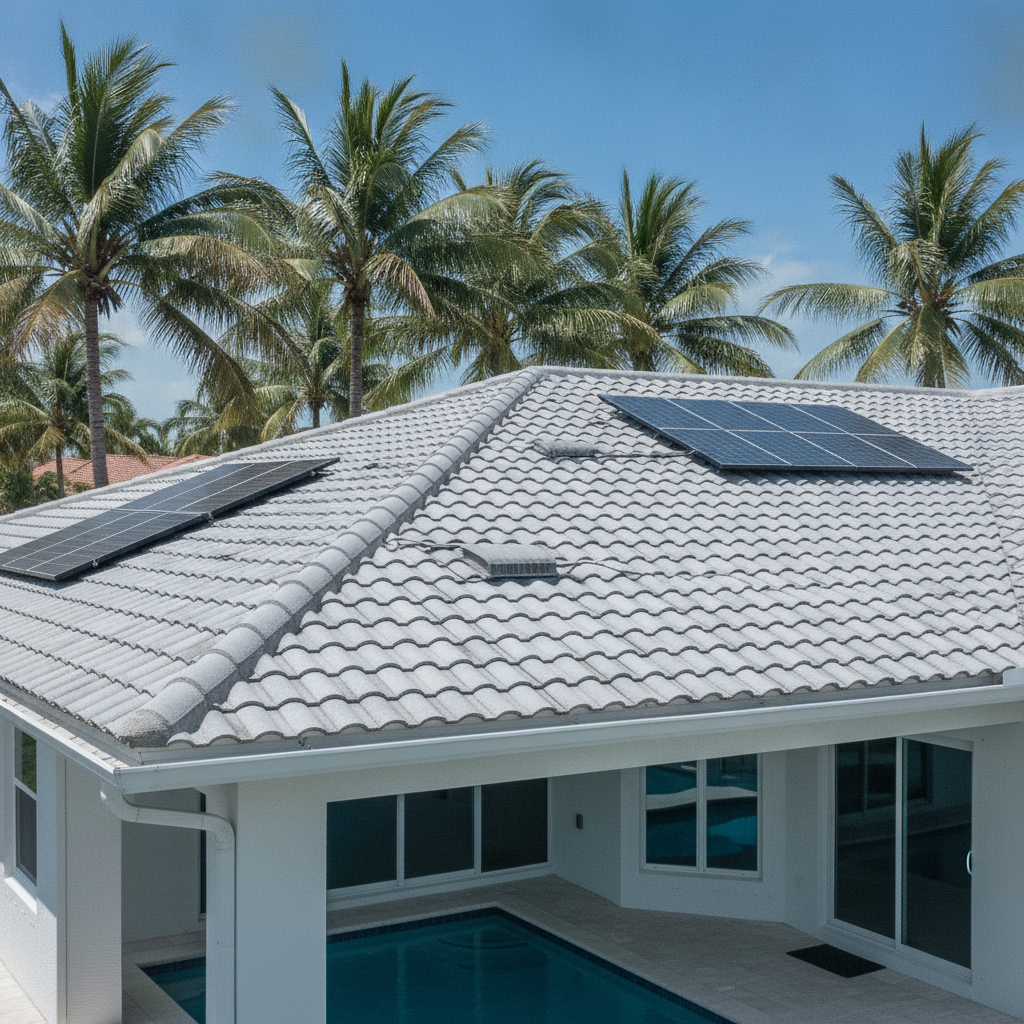
- Concrete Tile Roofs: Concrete tiles are a classic choice in Florida, prized for their Mediterranean aesthetic and incredible resilience. They are highly resistant to fire, insects, and rot, and their heavy mass provides excellent insulation. Most importantly, concrete tiles are designed to withstand hurricane-force winds when properly fastened, offering a lifespan of 50 years or more. While the initial investment might be higher, their longevity and low maintenance often make them a cost-effective choice over the long term, far exceeding typical national lifespans for other materials.
Regardless of the material chosen, the quality of installation is just as important as the material itself. A roof that isn’t installed precisely to FBC specifications and manufacturer guidelines will not perform as intended, drastically reducing its lifespan and compromising your home’s protection. This is where the expertise of a local melbourne roofing contractor with a deep understanding of Florida’s unique challenges becomes invaluable.
The lifespan figures mentioned above are achievable under ideal conditions, which includes professional installation and diligent maintenance. Florida’s harsh environment means that even the best materials will degrade over time. Regular inspections, timely repairs, and ensuring proper attic ventilation are all crucial steps in maximizing your roof’s service life and protecting your home from our area’s distinct weather patterns.
Protecting Your Investment: What Melbourne Homeowners Should Do
As a homeowner in Melbourne, your roof is your first line of defense against the elements. Proactive maintenance and informed decisions are key to extending its lifespan and safeguarding your property. Here are actionable tips to help you protect your roofing investment.
-
Schedule Regular Professional Roof Inspections
WHY: Florida’s sun, humidity, and frequent storms can cause subtle damage that often goes unnoticed by the untrained eye. Early detection of issues like cracked shingles, loose flashing, or granule loss can prevent minor problems from escalating into costly major repairs, especially before hurricane season. This is crucial for maintaining your roof’s integrity against our area’s specific weather.
HOW: We recommend an annual inspection by a licensed melbourne roofing professional. They can identify wear and tear, check for proper drainage, assess the condition of sealants, and ensure all components are up to code. After any significant storm, even if you don’t see obvious damage, a professional check is a smart move. -
Keep Gutters and Downspouts Clear
WHY: Clogged gutters prevent water from draining properly, leading to water pooling on your roof or overflowing onto fascia boards, soffits, and even your foundation. This stagnant water can accelerate shingle deterioration, cause wood rot, and invite mold and mildew growth, all common problems exacerbated by Florida’s humidity and heavy rainfall.
HOW: Clean your gutters at least quarterly, and more frequently if you have large trees nearby. Remove leaves, twigs, and debris. Ensure downspouts are directing water away from your home’s foundation. Consider gutter guards to reduce the frequency of cleaning, but remember they still need occasional checks. -
Trim Overhanging Tree Branches
WHY: During Florida’s severe thunderstorms and hurricanes, weak or overhanging branches can become projectiles, causing significant impact damage to your roof. Even in calm weather, branches rubbing against the roof surface can wear down granules on shingles, and falling leaves and debris can clog gutters and promote moisture retention.
HOW: Before hurricane season (typically by June 1st), inspect trees around your home. Hire a professional arborist to trim branches that are within 5-10 feet of your roofline. This not only protects your roof but can also reduce potential damage to power lines. -
Understand Your Homeowner’s Insurance Policy
WHY: Florida’s unique insurance market means policies can vary widely, especially regarding wind, hurricane, and water damage. Knowing your coverage, deductibles (especially hurricane deductibles), and the claims process *before* a storm hits can save you significant stress and financial burden. Many policies have strict timelines for reporting damage.
HOW: Review your policy annually with your insurance agent. Ask specific questions about roof damage coverage, replacement cost vs. actual cash value, and what documentation is required for a claim. Take photos or videos of your roof’s current condition as a baseline before storm season begins. -
Choose a Reputable, Local Melbourne Roofing Contractor
WHY: A local contractor understands the Florida Building Code, local permitting processes, and the specific challenges of melbourne roofing. They are more likely to be properly licensed, insured, and have a track record of quality work in the community. Their expertise ensures your roof is installed correctly to withstand our climate.
HOW: Always get multiple bids. Verify licenses and insurance. Check references and online reviews. Ask for proof of warranty on both materials and labor. A reputable contractor will provide a detailed proposal and be transparent about the process and materials. -
Perform Proactive Post-Storm Checks
WHY: After any significant weather event, even a strong thunderstorm, your roof may sustain damage that isn’t immediately obvious from the ground. Identifying and addressing this damage quickly can prevent secondary issues like water intrusion, mold growth, and further structural compromise, which can lead to more expensive repairs and complicate insurance claims.
HOW: From a safe vantage point on the ground, visually inspect your roof for missing, cracked, or displaced shingles, dents in metal, or debris. Check gutters for damage. If you suspect any issues, or if you see granules in your gutters, contact your melbourne roofing professional for a detailed inspection. Do not attempt to climb on your roof if you are not trained or equipped to do so safely. -
Consider Roof Upgrades for Enhanced Resilience
WHY: Investing in a fortified roof system or impact-resistant materials can significantly enhance your home’s protection against Florida’s severe weather, potentially leading to lower insurance premiums and greater peace of mind. Upgrades like a secondary water barrier or enhanced fastening methods go beyond minimum code requirements.
HOW: Discuss options with your melbourne roofing contractor during a replacement or major repair. Ask about specific products designed for high-wind zones, such as impact-resistant shingles or metal roofing. Inquire about the benefits of a secondary water barrier directly applied to the roof deck, which provides an extra layer of waterproofing even if your primary roof covering is compromised.
Frequently Asked Questions
What are the most common types of storm damage seen on roofs in Melbourne, FL?
In Melbourne, FL, common storm damage includes missing or cracked shingles from high winds, granule loss on asphalt roofs, and punctures from falling debris. Hail can also cause significant impact damage, which might not be immediately visible but can compromise your roof’s integrity over time.
How often should I have my roof inspected in Melbourne, given the storm history?
Given Melbourne’s active storm season and hurricane history, it’s highly recommended to have your roof inspected annually, even if you don’t notice any obvious damage. Additionally, a professional inspection is crucial after any significant storm, regardless of its perceived severity, to catch hidden issues early.
Does my homeowner’s insurance cover storm damage to my roof in Florida?
Most standard homeowner’s insurance policies in Florida do cover roof damage caused by sudden and accidental events like wind, hail, and falling objects. However, coverage specifics, deductibles, and limitations can vary greatly, especially for older roofs or certain types of damage. Always review your policy and consult with your insurer promptly after any damage occurs.
What are the benefits of choosing a hurricane-resistant roof for my Melbourne home?
Investing in a hurricane-resistant roof for your Melbourne home offers enhanced protection against Florida’s severe weather, significantly reducing the risk of damage during high winds and storms. These roofs often come with longer warranties and can potentially lower your homeowner’s insurance premiums due to their superior durability and resistance to extreme conditions. They provide greater peace of mind knowing your home is better shielded.
How long does a typical roof replacement take in Melbourne, especially after a storm?
A standard roof replacement in Melbourne typically takes anywhere from 2 to 5 days, depending on the roof’s size, complexity, and the materials chosen. After a major storm, however, timelines can be extended due to increased demand for roofing services and potential material supply chain issues. Florida Roof Bros strives to complete projects efficiently while maintaining the highest quality standards.
Roofing Services Across Central Florida
Florida Roof Bros serves homeowners throughout Brevard County, Pinellas County, and surrounding Central Florida communities. If you need a roof inspection, repair, or replacement in any of these areas, our team is ready to help:
- Palm Bay, FL Roofing
- West Melbourne, FL Roofing
- Rockledge, FL Roofing
- Vero Beach, FL Roofing
- Sebastian, FL Roofing
Protecting Your Melbourne Home: Your Next Step
Melbourne’s rich history is intertwined with its experience of powerful storms, making robust and well-maintained roofing an absolute necessity for every homeowner. Understanding the common threats and the importance of proactive care is the first step in safeguarding your property against the unpredictable Florida weather. From the occasional tropical storm to the more severe hurricane impacts, your roof stands as your home’s primary defense, and its integrity is paramount.
Don’t wait for the next storm to discover weaknesses in your roof. Florida Roof Bros is here to ensure your home is prepared and protected. We offer 100% free, no-obligation roof inspections, providing you with a comprehensive assessment of your roof’s current condition and identifying any potential issues before they escalate into costly repairs. Our expert team will walk you through any findings and discuss the best solutions tailored to your specific needs and the unique challenges of the Melbourne climate.
Take the proactive step today to secure your investment and peace of mind. Whether you suspect storm damage, are planning a renovation, or simply want to ensure your roof is ready for whatever comes next, our friendly and professional team is ready to assist. For your complimentary roof inspection and expert advice, reach out to us. Trust the Pros, Call the Bros.
Call Florida Roof Bros today at (321) 446-1702 to schedule your free inspection and let us help you protect your Melbourne home for years to come.
Need a free roof inspection? Call Florida Roof Bros at (321) 446-1702 or request a free inspection online. Family-owned, no subcontractors, Owens Corning Platinum Preferred. Trust the Pros, Call the Bros.
