

General Roofing
Location-Specific
Roofing
Malabar, FL Roofing: Decoding Local Building Codes for Hurricane Season
That afternoon sun beating down on your Malabar home isn’t just a sign of another beautiful Florida day, it’s a constant reminder of the intense weather your roof endures year-round. When you start noticing a few curled shingles, granules washing into your gutters, or the occasional drip after a heavy downpour, the first thought is often “repair or replace?” but for homeowners in Malabar, the answer isn’t always straightforward. It’s deeply tied to understanding the unique local building codes specifically designed to protect homes in our distinctive coastal climate, especially as hurricane season approaches.
Living in Malabar means embracing the beauty of the Indian River Lagoon and the proximity to the Atlantic, but it also means preparing your home for significant environmental challenges. The persistent humidity, corrosive salt air, and the ever-present threat of hurricanes put incredible stress on roofing systems. Ignoring these factors, or more importantly, overlooking the specific Malabar FL roofing building codes, can lead to costly damages, insurance headaches, and even compromise the safety of your family during a severe storm. This post will help you understand the critical role these regulations play in safeguarding your property.
Navigating the intricacies of local building codes, permitting requirements, and inspection processes can feel overwhelming for any homeowner. The rules are in place for a reason, primarily to ensure structural integrity and resilience against Florida’s harsh weather, but deciphering them requires local expertise. That’s where a trusted partner makes all the difference, one who understands the specific nuances of roofing in Brevard County. Florida Roof Bros, a family-owned company with over 25 years of combined experience right here in your community, is dedicated to helping you understand what it takes to secure your home properly. We’re always just a call away at (321) 446-1702.
Our goal is to demystify the process, ensuring your roofing project, whether a minor repair or a complete replacement, not only looks great but also meets every applicable standard. We believe that an informed homeowner is an empowered homeowner, especially when it comes to one of your property’s most vital components. By understanding Malabar’s specific roofing codes, you can make confident decisions that enhance your home’s longevity, protect your investment, and provide genuine peace of mind when the skies turn gray.
Understanding Malabar’s Unique Roofing Environment and Building Code Foundation
Malabar’s geographical location within Brevard County places it squarely in a region highly susceptible to Florida’s intense climate factors, which directly dictate local building code requirements. The consistent high humidity promotes the growth of algae and moss, which can degrade roofing materials prematurely if not properly addressed. More significantly, the salt-laden air from the nearby coast accelerates corrosion on metal components, requiring specific material choices and installation techniques to ensure long-term performance.
However, the most dominant influence on Malabar’s roofing building codes is undeniably hurricane exposure. The Florida Building Code, specifically its wind uplift requirements, is among the most stringent in the nation, designed to withstand the devastating forces of tropical storms and hurricanes. While Malabar isn’t in a High-Velocity Hurricane Zone (HVHZ) like Miami-Dade or Broward counties, it still adheres to robust wind load standards that mandate specific fastening schedules, decking attachments, and approved roofing materials capable of resisting extreme pressures.
These codes aren’t static; they evolve with new research, material advancements, and lessons learned from past storm events. For instance, current Brevard County code often requires a secondary water barrier, typically a self-adhering modified bitumen underlayment, installed directly to the roof deck. This critical layer provides an additional line of defense against water intrusion even if the primary roofing material is compromised during high winds, preventing catastrophic interior damage.
The impact of these codes extends beyond just material selection; they dictate installation methods, inspection protocols, and even the types of roof systems permissible. For example, specific nailing patterns for shingles, the use of longer fasteners for tile roofs, and the requirement for specific edge metal details are all outlined to ensure the entire roofing system acts as a cohesive, resilient unit. Failing to comply can result in failed inspections, costly rework, and potentially voided warranties or insurance claims down the line.
Furthermore, understanding these foundational codes is crucial for budgeting and timeline planning for any roofing project in Malabar. Code-compliant materials and installation techniques, while perhaps having a higher initial cost, offer superior protection, extended lifespan, and often qualify for insurance discounts. The permitting process, which ensures adherence to these codes through mandatory inspections, adds a necessary but manageable timeframe to any project, typically ranging from a few days to a couple of weeks depending on the project’s scope and local office workload.
Decoding Malabar’s Roofing Regulations for Enduring Protection
Malabar’s unique coastal environment isn’t just beautiful; it’s a significant factor in how we approach roofing. The persistent humidity, corrosive salt air, and relentless exposure to intense solar radiation all contribute to accelerated wear and tear on roofing materials. More critically, Malabar sits squarely in Florida’s “High-Velocity Hurricane Zone” (HVHZ), making robust, code-compliant roofing not just a recommendation but a necessity. The Florida Building Code (FBC), specifically its 7th Edition (2020) and subsequent updates, directly addresses these challenges, setting stringent standards to ensure roofs can withstand the extreme forces of nature.
For any residential or commercial roofing project in Malabar, adherence to the FBC is paramount, often supplemented by Brevard County-specific amendments. Key areas of focus include wind uplift resistance, which dictates how well a roof system is fastened to the structure, and the requirement for a secondary water barrier. This barrier, typically a self-adhering modified bitumen underlayment, provides an essential layer of protection against water intrusion even if the primary roofing material is compromised during a storm. These measures are designed to protect your home from wind-driven rain exceeding 110 mph, a common occurrence during a Category 2 or 3 hurricane.
Code compliance isn’t just about passing an inspection; it’s the bedrock of your roof’s longevity, your home’s safety, and your financial security. A roof installed to current FBC standards will naturally last longer, resisting the daily environmental stressors and standing a far better chance against hurricane-force winds. Crucially, insurance companies scrutinize roof age and code compliance when processing claims after a storm. A non-compliant or improperly permitted roof can lead to denied claims, leaving homeowners facing massive out-of-pocket expenses for repairs or full replacement. Investing in a code-compliant roof is investing in peace of mind.
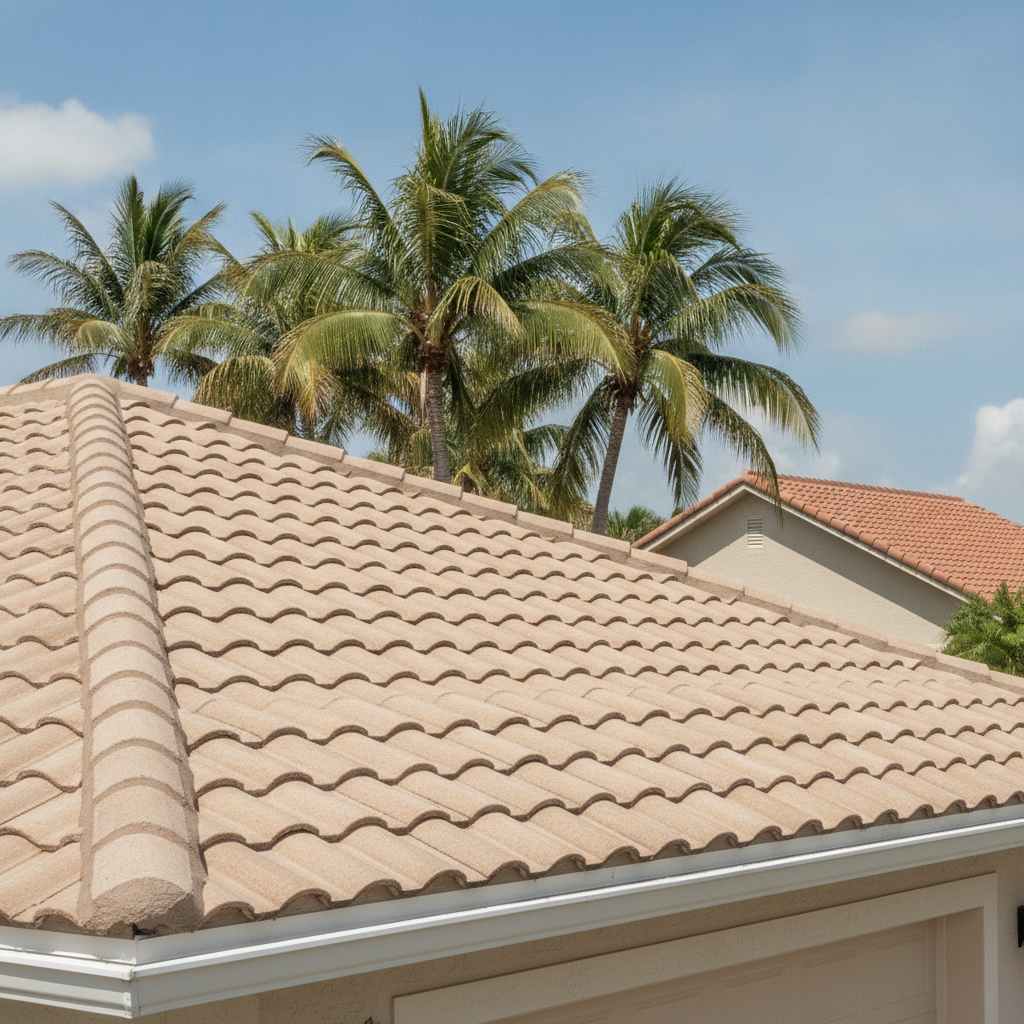
Malabar sees a variety of common roof types, each with specific installation requirements dictated by local codes. Architectural shingles are popular due to their cost-effectiveness and aesthetic appeal, but the FBC specifies enhanced fastening patterns, often six nails per shingle instead of the standard four, and heavier gauge nails to increase wind resistance. Standing seam metal roofs, known for their superior durability and energy efficiency, require specific panel gauges and clip systems to meet uplift requirements. Concrete and clay tiles, while heavy and extremely durable, demand robust underlayment systems and specialized fastening methods to prevent dislodgement in high winds, which can be particularly dangerous.
Understanding the typical lifespan of these materials in Florida’s climate is also critical. While architectural shingles might last 25-30 years nationally, the intense sun and humidity in Malabar often reduce that to 18-22 years. Metal roofs can last 40-60 years, and concrete tiles 50-75 years or more, provided they are installed correctly and maintained. These lifespans are only achievable when installations strictly follow the FBC, ensuring every component, from the drip edge to the ridge cap, is secured to withstand Malabar’s challenging conditions.
This is precisely why choosing a local roofer familiar with Malabar’s specific permitting and inspection processes is non-negotiable. An out-of-town contractor might not be aware of Brevard County’s nuances or the specific requirements of the Malabar Building Department. Florida Roof Bros has established relationships with local inspectors and understands the documentation needed for a smooth permit approval process, from initial application to final sign-off. This local expertise ensures your project moves efficiently, without costly delays or re-inspections due to overlooked code stipulations, ultimately saving you time and money and guaranteeing a compliant, durable roof.
Beyond the initial installation, a local roofer’s knowledge of the FBC also extends to repair scenarios. Even minor repairs must often meet current code if a certain percentage of the roof area is affected, or if the roof is deemed significantly damaged. Navigating these thresholds and ensuring repairs are up to par requires a deep understanding of the code’s intent and application. Our team ensures that any work done on your Malabar roof not only fixes the immediate issue but also reinforces its overall integrity against future weather events, always with an eye on code compliance.
Practical Steps for Malabar Homeowners to Protect Their Roof
-
Schedule Annual Professional Roof Inspections
Why: Malabar’s climate, with its intense sun, humidity, and salt air, combined with the constant threat of severe weather, means your roof takes a beating year-round. Small issues like cracked shingles, loose flashing, or granule loss can quickly escalate into major, costly problems if left unaddressed. Early detection prevents minor repairs from becoming full replacements.
How: Contact Florida Roof Bros for an annual inspection. We’ll thoroughly examine your roof for wear, potential vulnerabilities, and storm damage, providing a detailed report and recommending any necessary preventative maintenance or repairs. This should ideally be done before hurricane season, typically in late spring or early summer. -
Understand Your Roof’s Expected Lifespan and Plan Ahead
Why: Knowing the typical lifespan of your specific roofing material in Florida’s environment allows you to budget and plan for future replacement. For example, a 3-tab shingle roof might only last 12-15 years here, while architectural shingles usually achieve 18-22 years. Metal or tile roofs, though a higher upfront cost, can last 40-75 years. Waiting until a catastrophic failure forces an emergency replacement can be far more expensive and stressful, especially after a major storm when contractors are scarce.
How: If your roof is approaching the end of its typical lifespan (e.g., architectural shingles over 15 years old), start getting quotes for a replacement. This gives you time to research materials, understand financing options, and schedule the work proactively, potentially saving you thousands. -
Review Your Homeowners Insurance Policy Annually
Why: Insurance policies, especially in Florida, can change significantly year to year. Understanding your hurricane deductible, wind mitigation credits, and any clauses related to roof age (e.g., “Actual Cash Value” vs. “Replacement Cost Value” for older roofs) is critical. Many policies will only cover roofs up to a certain age at replacement cost.
How: Contact your insurance agent at least once a year, preferably before hurricane season begins on June 1st. Discuss your roof’s condition, inquire about wind mitigation discounts (which can be substantial, often 20-40% off your wind premium), and clarify your coverage for storm damage, particularly for roofs older than 10-15 years. -
Prioritize Wind Mitigation Upgrades
Why: Wind mitigation isn’t just about insurance savings; it’s about making your home more resilient against hurricane-force winds. Features like a secondary water barrier, hurricane straps, gable-end bracing, and impact-resistant windows significantly reduce the likelihood of severe damage during a storm, protecting your family and your biggest investment.
How: When replacing your roof, ensure your contractor includes a full secondary water barrier (e.g., self-adhering underlayment) and upgrades any attic-to-wall connections to meet current FBC standards. After the work is done, have a certified wind mitigation inspection performed to qualify for those significant insurance premium reductions. -
Choose a Local, Licensed, and Insured Roofing Contractor
Why: Post-hurricane, out-of-state “storm chasers” flood the area, often offering low bids but delivering shoddy work, disappearing before inspections, or failing to pull proper permits. A local contractor like Florida Roof Bros has a vested interest in the community, understands Malabar’s specific building codes and permitting processes, and will be here long after the storm passes to stand behind their work.
How: Always verify a contractor’s Florida state license (CGC or CCC) and insurance (general liability and workers’ compensation) through the DBPR website. Check their local reputation, ask for references, and ensure they provide a detailed contract outlining materials, scope of work, warranty, and permit responsibilities. -
Don’t Delay Small Repairs
Why: In Malabar’s humid climate, a small leak or a few missing shingles can quickly lead to widespread water damage, mold growth, and rotting structural components in your attic and walls. What might be a $300 repair today could easily become a $3,000 problem within weeks if ignored, especially during the rainy season.
How: If you notice any signs of roof damage, a water spot on your ceiling, missing shingles, granules in your gutters, or visible damage from the ground, contact a professional roofer immediately. Timely intervention is always more cost-effective and prevents much larger headaches down the line. -
Understand the Permitting and Inspection Process
Why: For any significant roof repair or replacement in Malabar, a permit from Brevard County is required. This ensures the work meets the stringent FBC standards, protecting your property’s value and safety. Skipping permits can lead to fines, difficulties selling your home, and voided insurance coverage.
How: Your chosen roofer should handle the entire permitting process, from application to scheduling final inspections. Insist on seeing the approved permit posted on your property before work begins. A reputable contractor will be transparent about this process and ensure all work passes necessary inspections.
Frequently Asked Questions
What are the most recent Florida Building Code updates that affect roofs in Malabar, FL, especially concerning hurricane season?
The Florida Building Code (FBC), particularly its 7th Edition (2020), mandates stringent requirements for roofing in high-velocity hurricane zones like Malabar. Key updates often include enhanced wind uplift resistance for all roofing materials, stricter fastening schedules, and improved secondary water barrier systems to protect against water intrusion even if the primary roof covering is damaged. These codes are designed to ensure roofs can withstand extreme weather events.
Do I always need a permit for roof repair or replacement projects in Malabar, FL?
Yes, for most significant roof repairs and all roof replacements in Malabar, a permit from the local building department is required. This ensures that the work complies with the latest Florida Building Codes and local ordinances, guaranteeing structural integrity and safety. Minor repairs that do not involve replacing more than a small percentage of shingles or roofing material might not require a permit, but it’s always best to consult with a professional roofing contractor or the local building department to be certain.
How can a code-compliant roof in Malabar, FL, impact my homeowner’s insurance policy?
Having a roof that meets or exceeds current Malabar and Florida Building Codes can significantly benefit your homeowner’s insurance policy. Many insurance providers offer discounts for homes with roofs that feature enhanced hurricane mitigation measures, such as proper roof-to-wall attachments, a sealed roof deck, and impact-resistant materials. A professional roof inspection can often provide documentation to help you qualify for these valuable savings.
What are the best roofing materials for hurricane season in Malabar, FL, considering local building codes?
For Malabar, FL, and its hurricane-prone environment, metal roofing and asphalt shingles (specifically architectural or dimensional shingles designed for high wind resistance) are excellent choices that meet and often exceed local building codes. Metal roofs offer superior durability, wind resistance, and longevity, while high-quality asphalt shingles provide robust protection and are widely compliant. Tile roofs are also durable but require specific installation methods to ensure hurricane resistance.
How often should homeowners in Malabar, FL, have their roofs inspected to ensure code compliance and hurricane readiness?
Homeowners in Malabar, FL, should ideally have their roofs professionally inspected at least once a year, preferably before the start of hurricane season (June 1st). Regular inspections help identify minor issues before they become major problems, ensure all components meet current building codes, and verify the roof’s overall readiness to withstand severe weather. Additionally, a post-storm inspection is crucial after any significant weather event to assess potential hidden damage.
Roofing Services Across Central Florida
Florida Roof Bros serves homeowners throughout Brevard County, Pinellas County, and surrounding Central Florida communities. If you need a roof inspection, repair, or replacement in any of these areas, our team is ready to help:
- Palm Bay, FL Roofing
- Melbourne, FL Roofing
- West Melbourne, FL Roofing
- Rockledge, FL Roofing
- Vero Beach, FL Roofing
Your Malabar Roof: Ready for What Comes Next
Understanding and adhering to Malabar’s specific building codes for roofing is more than just a regulatory formality; it’s a critical investment in the safety and longevity of your home, especially as hurricane season approaches. The robust standards set by the Florida Building Code are designed to protect your property from the severe weather challenges unique to our region. Ensuring your roof meets these requirements provides peace of mind, safeguards your family, and can even offer benefits for your homeowner’s insurance.
Navigating the intricacies of local building codes, permit requirements, and choosing the right materials can be a complex task. Don’t leave the integrity of your roof to chance. Proactive preparation is key to avoiding costly damage and ensuring your home stands strong against the elements. Florida Roof Bros are your local experts, deeply familiar with Malabar’s specific regulations and committed to providing top-tier roofing solutions that comply with every standard.
Take the first step towards securing your home today. Florida Roof Bros offers 100% free, no-obligation roof inspections, providing you with a comprehensive assessment and expert advice tailored to your property. Our team will help you understand your roof’s current condition, identify any potential code compliance issues, and recommend the best course of action. For a reliable assessment and professional service, call us now at (321) 446-1702. Trust the Pros, Call the Bros.
Need a free roof inspection? Call Florida Roof Bros at (321) 446-1702 or request a free inspection online. Family-owned, no subcontractors, Owens Corning Platinum Preferred. Trust the Pros, Call the Bros.
