

General Roofing
Roofing
Comparing Florida Roofing Materials: Durability and Resilience for Hurricane Season
The relentless Florida sun beating down, the sudden downpours that turn streets into rivers, and the ever-present hum of hurricane season on the horizon are all familiar experiences for homeowners across Palm Bay and Brevard County. Your roof stands as the primary shield against these formidable elements, a critical component protecting your family and your most significant investment. When it’s time for a new roof, or even just considering the future, the decision isn’t merely about aesthetics; it’s fundamentally about choosing a system that can withstand our unique climate challenges year after year.
Making an informed choice about roofing materials in Florida can feel overwhelming, given the specific demands of our environment. From the intense UV radiation that degrades materials over time to the sheer force of hurricane-grade winds and torrential rain, a Florida roof must be built for exceptional durability and resilience. Understanding which materials perform best under these conditions is key to ensuring long-term peace of mind and safeguarding your home.
This comprehensive guide aims to simplify that crucial decision by offering a detailed Florida roofing materials comparison. We will explore the most common roofing types found across Central Florida, including asphalt shingles, robust metal roofing, and elegant tile options. Our goal is to provide you with the insights needed to select a roof that not only looks great but also offers superior protection and value tailored to our local weather patterns.
For homeowners navigating this crucial decision, having a trusted partner can make all the difference. Florida Roof Bros, a family-owned company with over 25 years of combined experience, understands the specific needs of roofs in Palm Bay, Pinellas County, and throughout Central Florida. We pride ourselves on using only in-house, expert crews, never subcontractors, ensuring every installation meets our rigorous standards for quality and resilience. We’re always available to discuss your options and answer your questions at (321) 446-1702.
Beyond initial installation, the right roofing material can significantly impact your home’s energy efficiency, maintenance requirements, and overall lifespan. Investing wisely upfront means fewer worries, lower utility bills, and greater protection against the unpredictable nature of Florida weather. This isn’t just about replacing a roof; it’s about upgrading your home’s defense system for decades to come.
As you consider your options, remember that the best roofing material for your Florida home will balance durability, cost, aesthetic appeal, and energy performance. We’ll delve into each of these aspects, providing a clear picture of the pros and cons of asphalt, metal, and tile roofs specifically adapted to our climate and stringent building codes. Trust the Pros, Call the Bros, and let us help you make the most resilient choice for your home.
The Unique Demands of Florida’s Climate on Your Roof
Living in Florida means enjoying beautiful beaches and warm weather, but it also means understanding the significant challenges our climate poses to every part of your home, especially the roof. The intense ultraviolet (UV) radiation from the sun is a constant aggressor, causing materials to break down, fade, and become brittle over time. This continuous exposure can drastically shorten the lifespan of inferior roofing products, making material selection critical for longevity.
Beyond the sun, Florida experiences some of the highest rainfall totals in the nation, often delivered through sudden, torrential downpours and frequent thunderstorms. High humidity levels further contribute to conditions ripe for mold and mildew growth, which can compromise roofing materials and structural integrity if not properly managed. A roof must be designed not just to shed water, but to resist constant moisture saturation and the potential for leaks.
However, the most formidable challenge for any Florida roof is hurricane season. From June 1st to November 30th, our homes are vulnerable to powerful winds, often exceeding 100 miles per hour, capable of tearing off shingles, lifting entire roof sections, and causing catastrophic damage. Florida’s stringent building codes, particularly those developed after Hurricane Andrew, mandate specific requirements for wind uplift resistance, material strength, and installation techniques to ensure roofs can withstand these extreme forces. As a licensed, insured, certified, and bonded contractor (FL license CCC1332911), Florida Roof Bros adheres strictly to these vital regulations.
When considering a new roof in Palm Bay or anywhere in Brevard County, homeowners typically evaluate three primary material categories: asphalt shingles, metal roofing, and tile roofing. Each offers distinct advantages and disadvantages when subjected to Florida’s unique environmental pressures. Understanding these fundamental differences is the first step toward making an educated choice that aligns with your specific needs and budget.
Choosing the right roofing material is not solely about the initial purchase price; it’s an investment in your home’s long-term protection and efficiency. Factors like energy efficiency, which can significantly impact cooling costs in our hot climate, and ongoing maintenance requirements are just as important as the upfront cost. A material that might seem more expensive initially could offer substantial savings and superior performance over its lifespan.
Ultimately, the performance of any roofing material in Florida is also heavily reliant on its installation. Even the highest-grade materials will fail prematurely if not installed by experienced, certified professionals who understand Florida building codes and best practices. Florida Roof Bros’ family-owned operation ensures all our crews are in-house, bringing over 25 years of combined experience to every project, providing the peace of mind that your roof is installed correctly, with no shortcuts.
Detailed Comparison of Florida Roofing Materials
When it comes to protecting your home in Palm Bay, understanding the strengths and weaknesses of different roofing materials is crucial. Florida’s unique climate, characterized by intense sun, high humidity, and the ever-present threat of hurricanes, demands more from a roof than nearly anywhere else. We’ll break down the most common options homeowners choose here in Florida: asphalt shingles, metal roofing, and tile.
Asphalt Shingles: The Practical Choice for Many
Asphalt shingles remain the most popular roofing material due to their affordability and versatility. In Florida, architectural shingles are preferred over 3-tab shingles for their improved durability and aesthetic appeal. While nationally they might last 20-30 years, Florida’s harsh sun and heat often reduce their lifespan to 15-25 years, with some needing replacement sooner due to granule loss and thermal cycling.
For wind resistance, modern architectural shingles, when installed according to the Florida Building Code (FBC), can withstand winds up to 130 mph, which is suitable for many areas but may be tested by a direct hit from a major hurricane. They offer moderate energy efficiency, though lighter colors and reflective granules can improve performance. Maintenance is relatively low, primarily involving periodic cleaning for algae and moss, which thrive in our humidity, and inspecting for loose or missing shingles after storms.
- Pros: Lowest initial cost (typically $4.50-$7.50 per square foot installed), wide range of colors and styles, relatively easy to repair.
- Cons: Shorter lifespan in Florida’s climate, less wind resistance compared to metal or tile, prone to algae and granule degradation from UV exposure.
Metal Roofing: The Long-Term Investment in Resilience
Metal roofing, particularly standing seam and corrugated profiles, has gained significant traction in Florida for its exceptional durability and longevity. A quality metal roof can last 40-70 years, far exceeding other options, making it a true long-term investment. They are incredibly resistant to high winds; properly installed metal roofs, with robust fastening systems and FBC-compliant underlayment, can endure hurricane-force winds exceeding 150-180 mph, offering superior protection against major storms.
Energy efficiency is another major benefit, as metal roofs naturally reflect solar radiant heat, significantly reducing attic temperatures and potentially lowering cooling costs by 10-25%. While the initial cost is higher, ranging from $10-$18 per square foot installed, the extended lifespan and energy savings often lead to a lower total cost of ownership over the roof’s lifetime. Maintenance is minimal, typically just requiring occasional rinsing to remove debris.
- Pros: Extreme durability and lifespan, superior wind resistance, excellent energy efficiency, fire resistant, low maintenance.
- Cons: Higher initial cost, can be noisy during heavy rain (though insulation can mitigate this), fewer aesthetic options compared to shingles.
Tile Roofing: Classic Florida Style with Enduring Strength
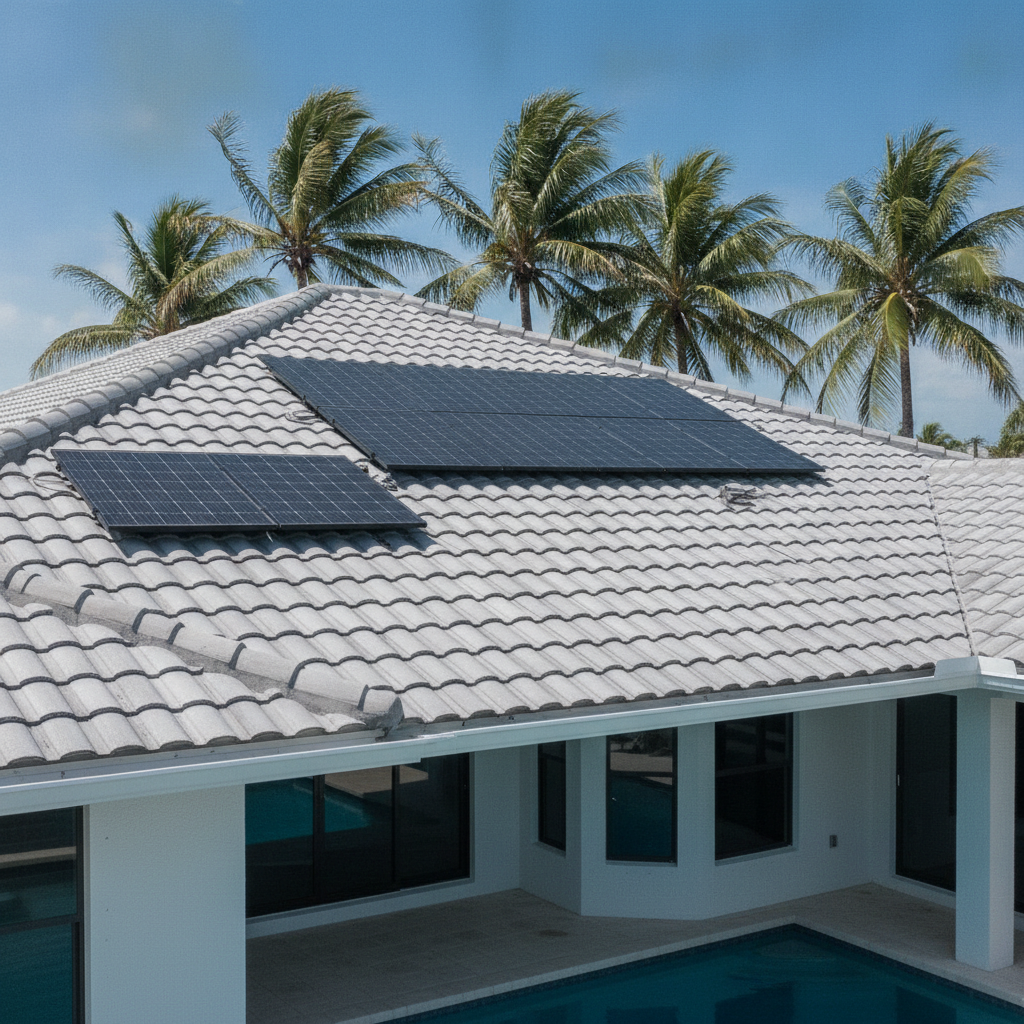
Tile roofs, whether concrete or clay, offer a distinctive aesthetic that complements many Florida homes and provide incredible longevity. These roofs are built to last, with lifespans often exceeding 50-100 years. Their inherent weight and robust interlocking design contribute to their exceptional wind resistance; when installed correctly with FBC-mandated attachment methods, tile roofs can withstand winds of 150 mph or more, making them a top choice for hurricane-prone areas.
Tile roofs also offer good energy efficiency. The air space created beneath the tiles acts as a natural thermal barrier, helping to insulate the home from the sun’s heat. Initial costs are comparable to or slightly higher than metal, typically between $8-$15 per square foot installed, but their extreme durability and minimal need for replacement offer excellent long-term value. Maintenance involves periodic cleaning and inspection for individual cracked tiles, which can happen if walked on improperly or from impact.
- Pros: Extremely long lifespan, excellent wind resistance, good energy efficiency, unique aesthetic appeal, fire resistant.
- Cons: High initial cost, heavy (may require structural reinforcement for older homes), individual tiles can crack, specialized repair.
Ultimately, the best choice for your Palm Bay home depends on balancing your budget, desired level of protection, aesthetic preferences, and long-term value. Each material has its place in Florida’s challenging environment, but understanding their specific performance characteristics is key to making an informed decision that will protect your family and investment for decades.
Making the Smart Roofing Decision for Florida Weather
Choosing a new roof is a significant investment, especially in Palm Bay where the weather can be relentless. Here’s practical guidance from Florida Roof Bros to help you make the best decision for your home, ensuring durability, efficiency, and peace of mind.
1. Understand Your Local Building Codes
The Florida Building Code (FBC) is not just a suggestion; it’s the minimum standard for safety and resilience. You need to ensure your new roof meets or exceeds these requirements, particularly regarding wind resistance, fastener types, and underlayment specifications. A roof that isn’t FBC compliant can fail prematurely and may even jeopardize your insurance coverage during a claim. Always work with a licensed local roofer familiar with Palm Bay’s specific permitting processes and the latest code updates.
2. Prioritize Wind Resistance Ratings
Hurricanes are a reality in Florida, and your roof is your primary defense. When comparing materials, pay close attention to their wind uplift ratings. Look for products and installation methods designed to withstand Category 3, 4, or even 5 hurricane-force winds. This isn’t just about survival; a highly wind-resistant roof can also qualify you for wind mitigation credits on your homeowner’s insurance, saving you money annually. Ask your roofer about enhanced fastening patterns and sealed deck systems for maximum protection.
3. Consider Long-Term Value, Not Just Upfront Cost
While asphalt shingles have a lower initial price point, a cheaper roof upfront might end up costing you more over 15-20 years in more frequent replacements, repairs, and higher energy bills. A metal or tile roof, though a larger initial investment, offers significant savings over its longer lifespan due to superior durability, lower maintenance, and enhanced energy efficiency. Calculate the total cost of ownership by factoring in material lifespan, projected maintenance, and potential energy savings before making a final decision.
4. Don’t Forget Energy Efficiency
Florida’s intense sun drives up cooling costs for most of the year. Your roof plays a critical role in your home’s energy performance. Materials like metal with reflective coatings, light-colored shingles, or naturally ventilating tile systems can significantly reduce the amount of heat absorbed into your attic and home. Look for ENERGY STAR® rated products or “cool roof” technologies, which can lead to measurable reductions in your monthly electricity bills and contribute to a more comfortable indoor environment.
5. Inspect Your Roof Regularly for Florida-Specific Issues
Florida’s climate presents unique challenges that necessitate regular roof inspections. High humidity can lead to unsightly and damaging algae or mold growth, especially on asphalt shingles. Salt air, prevalent in coastal areas near Palm Bay, can accelerate corrosion of metal fasteners or components. Intense UV radiation degrades materials faster than in cooler climates. We recommend annual professional inspections, especially after strong storms, to catch minor issues like granule loss, cracked tiles, or rusted components before they escalate into costly problems.
6. Verify Your Roofer’s Credentials and Insurance
Even the best roofing material will fail prematurely if installed incorrectly. It is paramount to choose a reputable, licensed, and insured roofing contractor. Ask for proof of their Florida Certified Roofing Contractor (CRC) license, general liability insurance, and workers’ compensation coverage. An uninsured roofer puts you, the homeowner, at significant financial risk if an accident occurs on your property. Check their references, read online reviews, and ensure they have a strong local presence and reputation in Palm Bay.
7. Understand Your Insurance Policy and Wind Mitigation
Before you commit to a new roof, review your homeowner’s insurance policy. Understand your deductible, coverage limits, and any specific requirements your insurer has for roof replacement. Many insurance companies offer significant discounts for wind mitigation features, such as roofs installed to higher FBC standards, secondary water barriers, and impact-resistant materials. Discuss these potential savings with your insurance agent and ensure your chosen roofing system qualifies for the maximum available credits.
Frequently Asked Questions
Are metal roofs really worth the higher upfront cost in Florida’s hurricane season?
Yes, for many homeowners in Palm Bay, the long-term benefits of a metal roof often outweigh the initial investment, especially given Florida’s severe weather patterns. Metal roofs offer exceptional durability, resisting high winds, hail, and fire far better than many other materials, providing superior protection during hurricane season. Their impressive longevity, often exceeding 50 years, significantly reduces replacement costs over time and can even lead to lower homeowner’s insurance premiums due to their proven resilience. While the upfront cost is higher, the extended lifespan and reduced maintenance often make them a wise economic choice for enduring Florida’s climate.
How long do asphalt shingle roofs typically last in Palm Bay’s climate?
In Palm Bay’s intense heat, high humidity, and relentless sun exposure, a standard asphalt shingle roof typically lasts between 15 to 25 years. The lifespan is heavily influenced by factors such as the quality of the shingles used, the precision of the installation, and the consistency of regular maintenance. Granule loss, curling, cracking, and blistering are common signs of wear and tear that are significantly exacerbated by Florida’s harsh UV rays and frequent tropical storms. Choosing higher-grade architectural shingles and ensuring proper attic ventilation can help maximize their durability in our challenging climate.
What are the most common signs that my roof needs to be replaced after a hurricane in Florida?
After a hurricane, homeowners should diligently look for obvious signs of damage such as missing, cracked, or severely uplifted shingles, especially on the windward side of their Palm Bay home. Interior water stains on ceilings, active leaks, or noticeable sagging sections of the roof are critical indicators of significant structural compromise that demand immediate attention. Even more subtle signs like excessive granule accumulation in your gutters, minor dents on metal flashing, or displaced roof tiles warrant a thorough professional inspection. Hidden damage can lead to progressive deterioration and much more extensive, costly problems if not addressed promptly.
Does my homeowner’s insurance cover roof replacement due to hurricane damage in Florida?
Most Florida homeowner’s insurance policies do include coverage for roof damage caused by hurricanes and other severe weather events, but the specifics and extent of coverage can vary significantly based on your individual policy and deductible. It is crucial for homeowners to thoroughly understand their windstorm deductible, which is often a percentage of the dwelling coverage, and any age depreciation clauses that might apply to older roofs. Promptly filing a claim after damage occurs and providing a detailed inspection report from a reputable, local roofing company like Florida Roof Bros are essential steps in navigating the claims process successfully.
What maintenance is required for different roofing materials to maximize their lifespan in Florida?
Regardless of the material, consistent and proactive roof maintenance is absolutely critical for maximizing its lifespan in Florida’s demanding environment. For asphalt shingles, this involves regularly clearing debris, checking for any loose, cracked, or damaged shingles, and ensuring that gutters and downspouts remain clean and free-flowing. Metal roofs benefit from periodic inspections for loose fasteners, signs of corrosion, or sealant degradation, while tile roofs require checking for cracked, chipped, or displaced tiles and maintaining clean valleys. Addressing minor issues proactively prevents them from escalating into costly repairs and significantly extends your roof’s protective life against the relentless Florida elements.
Roofing Services Across Central Florida
Florida Roof Bros serves homeowners throughout Brevard County, Pinellas County, and surrounding Central Florida communities. If you need a roof inspection, repair, or replacement in any of these areas, our team is ready to help:
- Melbourne, FL Roofing
- West Melbourne, FL Roofing
- Rockledge, FL Roofing
- Vero Beach, FL Roofing
- Sebastian, FL Roofing
Your Path to a Stronger Florida Roof
Choosing the right roofing material for your Palm Bay home is one of the most critical decisions you’ll make to protect your investment and family, especially with Florida’s unique climate and hurricane threats. Throughout this comparison, we’ve highlighted how materials like durable metal, resilient tiles, and advanced asphalt shingles each offer distinct advantages in terms of longevity, wind resistance, and overall performance against the elements. Prioritizing durability and resilience ensures your home remains a safe haven, weathering every storm that comes its way.
Understanding the options is the first step, but navigating the specifics of your home’s needs requires expert insight. That’s where Florida Roof Bros comes in. We are dedicated to helping Palm Bay homeowners make informed decisions about their roofing solutions, providing professional guidance tailored to your property and budget. Whether you’re considering an upgrade, suspect storm damage, or simply need advice on maintaining your current roof, our team is ready to assist with unparalleled expertise and commitment to quality.
Don’t wait until the next storm season is upon us to assess your roof’s condition. Take proactive steps now to ensure your home is prepared and protected. Florida Roof Bros offers 100% free, no-obligation roof inspections, providing you with a comprehensive assessment and clear recommendations without any cost. Our experienced professionals will meticulously examine your roof, identify any potential vulnerabilities, and discuss the best, most resilient options available. Trust the Pros, Call the Bros today to schedule your free inspection and gain peace of mind knowing your home is in expert hands. Reach out to us at (321) 446-1702.
Need a free roof inspection? Call Florida Roof Bros at (321) 446-1702 or request a free inspection online. Family-owned, no subcontractors, Owens Corning Platinum Preferred. Trust the Pros, Call the Bros.
