

General Roofing
Roofing
How Long Does a Roof Last in Florida?
The gentle hum of the air conditioner working overtime, the vibrant green of palms swaying against a brilliant blue sky, or the sudden, deafening roar of a summer thunderstorm. These are the daily realities of living in Satellite Beach and across Brevard County. While we often enjoy the beautiful weather, these very elements put your home’s first line of defense, its roof, through constant tests. It’s natural to wonder, as you gaze up at your own roof or perhaps notice a neighbor getting a new one, just how long that crucial shield is designed to last.
Understanding the lifespan of your roof is more than just curiosity; it’s a vital part of responsible homeownership in Florida. A well-maintained roof protects your family and your investment from the intense sun, torrential rains, and hurricane-force winds that are a regular part of our climate. Knowing when your roof is nearing the end of its functional life allows you to plan ahead, budget wisely, and avoid costly emergency repairs when the next big storm rolls in.
This comprehensive guide will help you navigate the complexities of roof longevity, specifically tailored for the unique challenges faced by homes in Central Florida, including Brevard and Pinellas Counties. We’ll explore the various factors that influence how long different roofing materials can withstand our environment, from the blistering UV rays to the relentless humidity. Our goal is to equip you with the knowledge to assess your roof’s current condition and anticipate its future needs.
As a family-owned business with over 25 years of combined experience serving our community, Florida Roof Bros understands these local nuances intimately. We’ve seen firsthand how the Florida sun and storms impact every type of roofing material. Our commitment to quality and transparency means we want you to be as informed as possible, whether you’re planning for routine maintenance or considering a full replacement. For any immediate questions or concerns about your roof, don’t hesitate to call us directly at (321) 446-1702.
By the end of this post, you’ll have a clearer picture of what to expect from your roof, how to identify common warning signs of aging, and what steps you can take to extend its life. From the moment we step onto your property, our in-house crews, never subcontractors, are focused on providing honest assessments and top-tier workmanship. We believe that an educated homeowner is our best partner in protecting their property, ensuring their roof stands strong for years to come.
Our reputation as an Owens Corning Platinum Preferred Contractor, combined with an A+ rating from the BBB and over 300 five-star Google reviews, reflects our dedication to the highest standards of service. We are fully licensed, insured, certified, and bonded in Florida (FL license CCC1332911), giving you peace of mind that you’re working with true professionals. Let’s explore the specific environmental factors that make predicting roof lifespan in Florida a unique challenge and how they shape building codes.
The Florida Climate: A Roof’s Toughest Adversary
Predicting a roof’s lifespan anywhere involves considering its material, installation quality, and maintenance. However, in Florida, the environmental conditions add several layers of complexity. Our unique subtropical climate, characterized by intense heat, high humidity, and frequent severe weather, significantly accelerates the aging process of even the most robust roofing systems. Understanding these factors is crucial for any homeowner in areas like Satellite Beach, where roofs endure relentless exposure.
The most prominent challenge is the relentless sun and its ultraviolet (UV) radiation. Florida averages over 2,800 hours of sunshine annually, far exceeding many other states. This constant UV exposure breaks down roofing materials at a molecular level, causing asphalt shingles to dry out, crack, and lose their protective granules. Tile roofs can become brittle, and even metal roofs, if not properly coated, can fade and degrade over time due to this intense solar radiation.
Beyond the sun, Florida’s high humidity and abundant rainfall create ideal conditions for algae, mold, and mildew growth. These organic invaders not only cause unsightly black streaks on shingles but can also retain moisture, leading to premature deterioration of the roofing material itself. While some modern shingles have algae-resistant granules, consistent moisture still poses a threat, especially in shaded areas of the roof that dry slowly after rain.
Then there are the storms. From daily afternoon downpours to tropical storms and hurricanes, Florida roofs must withstand significant wind uplift, driving rain, and sometimes even hail. These events can cause immediate damage, such as torn-off shingles or punctures. However, they also contribute to cumulative wear and tear; a roof might survive one hurricane seemingly intact, but repeated high winds can compromise its structural integrity over time, making it more vulnerable to future events.
Florida’s strict building codes are a direct response to these environmental challenges, particularly concerning hurricane resistance. After major hurricane seasons, codes are often updated to require stronger fasteners, better decking, and more resilient materials. For instance, roofs installed today must meet much higher wind uplift resistance standards than those built twenty or thirty years ago. This means an older roof, even if it appears sound, may not offer the same level of protection as a newly installed system built to current codes.
When considering roof replacement, these updated codes play a significant role in both the scope of work and the cost. A new roof installation in Florida isn’t just about putting new material down; it often involves upgrading the underlying decking, improving ventilation, and ensuring all components meet the latest wind mitigation requirements. While this adds to the initial investment, it provides a far more resilient and long-lasting roof, designed to stand up to the unique rigors of our Florida environment for decades to come. Trust the Pros, Call the Bros for an assessment of your roof’s current compliance and resilience.
Detailed Explanation: Unpacking Your Roof’s Lifespan in Florida
Understanding your roof’s lifespan in Florida is crucial for any homeowner in Satellite Beach. Our unique climate, characterized by intense sun, high humidity, heavy rainfall, and the constant threat of hurricanes, puts significantly more stress on roofing materials than in many other parts of the country. This accelerated wear means that while a roof might last 30 years elsewhere, it could show signs of distress much sooner here, impacting your home’s integrity and value. Knowing the typical lifespan of common materials and the factors that shorten it helps you plan for maintenance and eventual replacement.
Common Roofing Materials and Their Lifespans in Florida
The type of roofing material you choose, or currently have, dictates much of its expected longevity, especially when subjected to Florida’s climate. Each material offers different levels of durability against our environmental challenges. Comparing these lifespans to national averages often reveals a shorter duration for roofs in our state due to the extreme conditions.
- Architectural Shingles: These are the most popular roofing choice in Satellite Beach, offering a balance of aesthetics and affordability. In Florida, you can typically expect architectural shingles to last between 18-25 years. This is often less than the 25-30+ years advertised nationally because our relentless UV exposure and heat cause faster granule loss and shingle degradation. Modern architectural shingles installed in Florida must meet stringent wind resistance standards set by the Florida Building Code (FBC), often rated for winds up to 130 mph or higher to withstand hurricane-force gusts.
- Standing Seam Metal Roofs: Known for their exceptional durability and energy efficiency, standing seam metal roofs are an excellent investment for Florida homes. These roofs can last anywhere from 40 to 70 years, often outliving the homeowners themselves. Their resistance to wind, fire, and pests, combined with their ability to reflect solar radiation, makes them a top performer in our climate. The upfront cost is higher, but the long-term roof lifespan in Florida makes them a cost-effective choice.
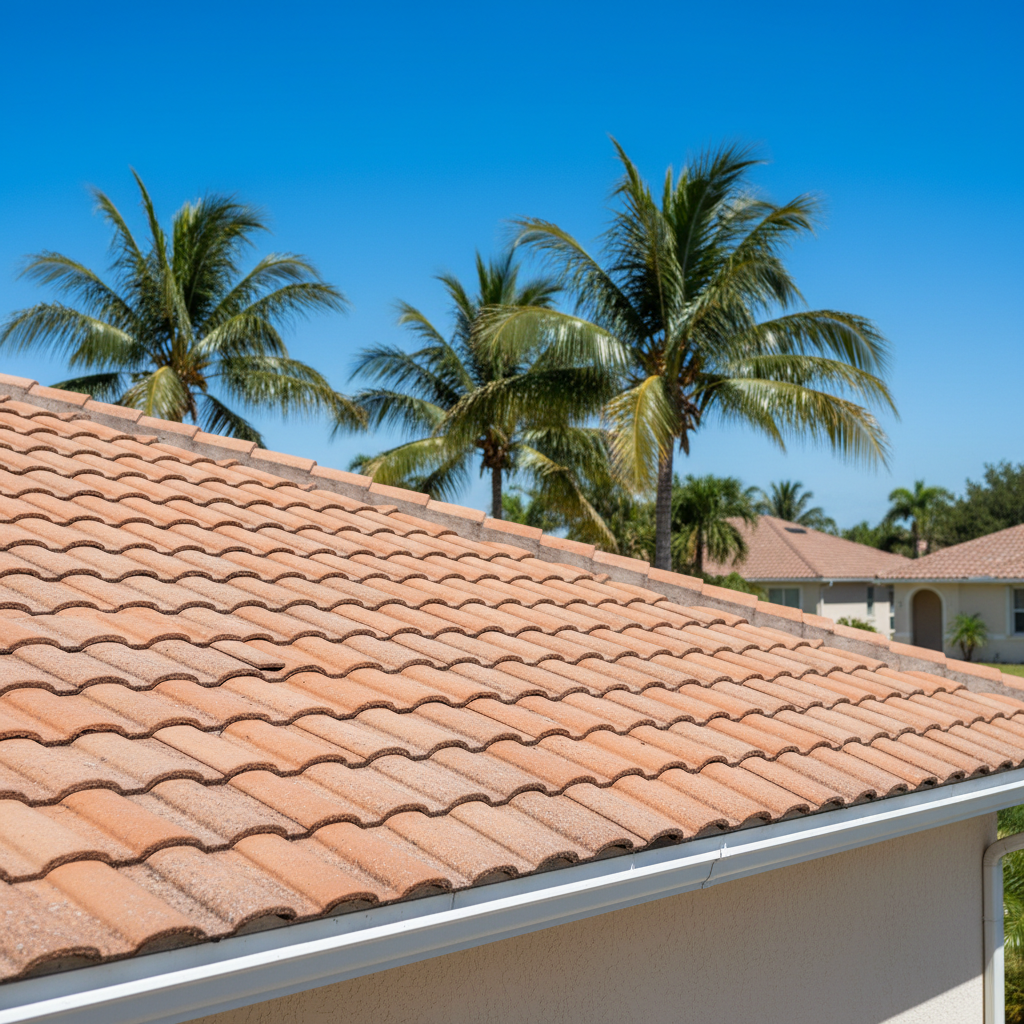
- Concrete and Clay Tiles: Tile roofs are a hallmark of many Florida homes, admired for their aesthetic appeal and incredible longevity. Concrete and clay tiles can last 50 years or even longer with proper maintenance. They are highly resistant to fire, rot, and insects, and their heavy weight and interlocking design provide superior wind resistance, often exceeding FBC requirements for hurricane-prone areas. While they are more expensive to install, their extended roof lifespan in Florida offers significant value.
How Florida’s Climate Accelerates Roof Aging
Florida’s environment is a beautiful but harsh adversary for any roof. Several key climatic factors work together to significantly reduce your roof’s lifespan in Florida. Understanding these forces helps underscore the importance of material choice and regular maintenance.
The intense ultraviolet (UV) radiation from the sun is a primary culprit, breaking down roofing materials at a molecular level. This causes asphalt shingles to become brittle, lose their protective granules, and crack, while even metal roofs can fade or chalk without proper coatings. High ambient temperatures further exacerbate this, leading to constant expansion and contraction that stresses fasteners and seals. Daily afternoon thunderstorms, common in our rainy season, bring repeated cycles of wetting and drying, which can lead to wood rot, mold, and mildew growth in shaded areas or within the roof structure if leaks occur.
Beyond daily weather, the threat of hurricanes and tropical storms presents the most immediate danger. High winds, often exceeding 100 mph, can lift, tear, and peel back roofing materials, particularly along edges and corners. Flying debris from these storms can cause severe impact damage, puncturing or cracking even the most robust materials. The Florida Building Code continuously updates its requirements for roof installation and materials, specifically to enhance resilience against these extreme wind events, mandating stronger fasteners and more robust underlayments to protect the structure below.
Recognizing the Warning Signs of an Aging Roof
Being proactive about roof maintenance means knowing what to look for as your roof approaches the end of its typical roof lifespan in Florida. Early detection of issues can save you significant repair costs and prevent more extensive damage to your home’s interior. Regular visual inspections from the ground are a great start, but a professional assessment is always recommended.
Common warning signs include shingles that are curling, buckling, or missing entirely. For asphalt roofs, excessive granule loss, often visible in your gutters, indicates the protective layer is eroding, exposing the asphalt to further UV damage. Dark streaks or patches on your roof could signal algae or mold growth, which, while not always structurally damaging, can retain moisture and accelerate decay. Look for cracked or broken tiles on a tile roof, or rust spots and loose seams on a metal roof. Inside your home, water stains on ceilings or walls, especially after rain, are undeniable indicators of a leak that needs immediate attention. Addressing these signs promptly can extend your roof’s life and maintain your home’s safety.
Protecting Your Investment: What Satellite Beach Homeowners Should Do
Maintaining the health of your roof is one of the most critical responsibilities for a homeowner in Satellite Beach. Given the aggressive climate, a proactive approach is not just recommended, it’s essential to maximize your roof’s lifespan in Florida. By taking a few practical steps, you can prevent minor issues from escalating into major, costly repairs and ensure your home remains protected for years to come.
-
Schedule Regular Professional Roof Inspections:
WHY: A professional eye can spot subtle signs of wear and potential problems that are invisible to the untrained homeowner, often before they become serious. Early detection of issues like loose fasteners, cracked caulk, or minor granule loss can save thousands in future repair costs.
HOW: We recommend a comprehensive roof inspection at least once every 1-2 years, and always after any significant storm event, especially a hurricane or tropical storm. A qualified roofer will assess the entire system, including flashing, gutters, and ventilation.
-
Keep Your Gutters Clean and Functional:
WHY: Clogged gutters prevent proper drainage, allowing water to back up and pool on your roof or overflow onto fascia boards and foundations. This constant moisture can lead to wood rot, mold growth, and premature deterioration of your roof’s edge and underlying structure.
HOW: Clean your gutters at least twice a year, more frequently if you have many trees around your home. Remove leaves, twigs, and debris, and ensure downspouts are clear and directing water away from your foundation.
-
Trim Overhanging Tree Branches:
WHY: Branches touching or hanging over your roof can scrape shingles, allowing moisture to penetrate. They also provide easy access for pests and are a major source of debris that clogs gutters. During storms, these branches can break off and cause significant impact damage to your roof.
HOW: Hire a professional arborist to trim any branches that are within 5-10 feet of your roof. Regular trimming reduces the risk of storm damage and keeps your roof clear of debris.
-
Monitor for Moisture, Mold, and Algae Growth:
WHY: Florida’s high humidity creates an ideal environment for mold, algae (often seen as dark streaks), and moss. While some growth is cosmetic, it can trap moisture against your roof, accelerating material breakdown and potentially leading to rot in underlying wood components. This is especially true for roofs with poor sun exposure.
HOW: Visually inspect your roof periodically for any signs of dark streaks or green growth. If you notice extensive growth, consult a professional roofer. They can safely clean your roof using appropriate methods that won’t damage the materials, or recommend specific treatments to inhibit future growth.
-
Understand Your Homeowner’s Insurance Policy:
WHY: In Florida, understanding your roof coverage, especially regarding hurricane damage, is paramount. Policies can have specific deductibles for wind and hail, and timelines for filing claims are strict. Knowing your policy details ensures you are prepared if the worst happens.
HOW: Review your policy annually with your insurance agent. Ask specific questions about roof age limitations, wind mitigation credits, and the process for filing a claim after storm damage. Keep all documentation related to your roof’s installation and maintenance in a safe, accessible place.
-
Plan for Future Roof Replacement:
WHY: A roof will eventually reach the end of its useful roof lifespan in Florida, regardless of maintenance. Planning ahead allows you to budget effectively, research materials, and choose a reputable contractor without the pressure of an emergency replacement.
HOW: Start getting quotes and researching options when your roof is within 5 years of its typical lifespan. Consider energy-efficient materials and those with enhanced wind resistance that meet or exceed current Florida Building Code standards for Satellite Beach. Don’t wait until you have active leaks to begin this process.
Frequently Asked Questions
How long do asphalt shingle roofs typically last in Satellite Beach, FL?
In Satellite Beach, FL, asphalt shingle roofs generally have a lifespan of 15 to 25 years. While manufacturers might rate them for longer periods, the harsh Florida climate, characterized by intense UV radiation, heavy rainfall, and high humidity, tends to accelerate material degradation. Consistent maintenance and professional installation are key factors in helping your shingle roof reach the higher end of this expected duration.
What specific environmental factors shorten a roof’s lifespan in Florida’s climate?
Florida’s unique environmental conditions significantly shorten roof lifespans. The relentless sun delivers powerful UV rays that break down roofing materials, while constant humidity fosters the growth of mold, mildew, and algae, which can compromise shingle integrity. Furthermore, the frequent onslaught of severe weather, including hurricanes, tropical storms, and strong thunderstorms, inflicts direct damage from high winds, hail, and torrential rain, all contributing to premature wear and tear.
Is a metal roof a better investment for longevity in Florida compared to shingles?
Yes, a metal roof is widely considered a superior long-term investment for longevity in Florida’s challenging climate compared to traditional asphalt shingles. Metal roofing systems can last anywhere from 40 to 70 years, providing exceptional resistance to the sun’s UV rays, heavy rains, and high winds that often damage shingle roofs. Although the initial installation cost is typically higher, their extended lifespan, minimal maintenance requirements, and energy efficiency often result in significant savings and greater value over the decades for homeowners in Satellite Beach.
How often should I have my roof inspected in Satellite Beach to maximize its lifespan?
To ensure the maximum possible lifespan for your roof in Satellite Beach, it is highly advisable to schedule a professional inspection at least once a year. This annual check-up allows experts to identify and address minor issues before they escalate into major problems. Additionally, it is crucial to arrange an inspection immediately after any significant weather event, such as a severe thunderstorm, tropical storm, or hurricane, to assess for hidden damage that might not be immediately visible from the ground.
What are the common signs that my roof in Satellite Beach needs to be replaced soon?
Several common indicators suggest your roof in Satellite Beach is nearing the end of its functional life and may require replacement. Look for physical signs such as curling, buckling, cracked, or missing shingles, as well as a significant accumulation of shingle granules in your gutters. Other warning signs include visible dark streaks, moss, or algae growth, water stains on interior ceilings or walls, and a noticeable sagging of the roof deck or visible light filtering into your attic space.
Roofing Services Across Central Florida
Florida Roof Bros serves homeowners throughout Brevard County, Pinellas County, and surrounding Central Florida communities. If you need a roof inspection, repair, or replacement in any of these areas, our team is ready to help:
- Palm Bay, FL Roofing
- Melbourne, FL Roofing
- West Melbourne, FL Roofing
- Rockledge, FL Roofing
- Vero Beach, FL Roofing
Your Roof’s Future in Satellite Beach
Understanding how long your roof will last in Satellite Beach, FL, is crucial for effective homeownership, especially given our unique climate. The combination of intense UV radiation, persistent humidity, and the occasional severe weather event all contribute to the wear and tear on your roofing system. However, by selecting appropriate, durable materials, ensuring expert installation, and adhering to a schedule of consistent, professional maintenance, you can significantly extend your roof’s lifespan and maintain robust protection for your home and family for many years.
There’s no need to wonder about the condition of your home’s most vital protective layer. If you’re a homeowner in Satellite Beach or the surrounding Brevard County area, taking proactive steps to understand your roof’s current health and potential longevity is a smart investment. Florida Roof Bros is proud to offer 100% free, no-obligation roof inspections. Our comprehensive assessment will provide you with clear insights and expert recommendations, tailored specifically to your roof’s condition, your home’s needs, and your budget.
Our team of skilled professionals is dedicated to helping you make informed decisions, whether your roof requires minor repairs, a complete replacement, or just routine maintenance advice. We prioritize your peace of mind and the long-term integrity of your home. Don’t wait for a small issue to become a major problem. Take the crucial first step towards securing your home’s future and ensuring its resilience against Florida’s elements.
For your complimentary roof inspection and to receive trusted, reliable advice, contact Florida Roof Bros today. Call us directly at (321) 446-1702. Remember, when it comes to safeguarding your most valuable asset, Trust the Pros, Call the Bros.
Need a free roof inspection? Call Florida Roof Bros at (321) 446-1702 or request a free inspection online. Family-owned, no subcontractors, Owens Corning Platinum Preferred. Trust the Pros, Call the Bros.
