

General Roofing
Insurance
Roofing
Storm Damage
How Long Does a Roof Last in Florida?
The afternoon rain started, as it often does with little warning in Malabar, Florida, during the relentless summer months. You might have been relaxing indoors when a subtle, unfamiliar drip caught your attention, perhaps near a window or in a seldom-used corner of your home. Or maybe, upon closer inspection, you noticed a faint, discolored patch slowly spreading across your ceiling, a tell-tale sign that water has found its way inside. These small, seemingly minor annoyances can quickly escalate into significant concerns, instantly shifting your focus from the pleasant weather outside to the critical integrity of the roof protecting your most valuable asset , your home and family.
For many Florida homeowners, these unsettling moments spark a crucial and often daunting question: how much life does my roof truly have left after years of battling the elements? Understanding your roof’s current age and its overall condition is absolutely critical, especially when you are weighing the significant financial investment of a full replacement against the potential for filing an insurance claim for recent, unexpected damage. This complex decision is not merely about addressing an immediate problem; it carries profound long-term financial implications for your property’s value, structural health, and your family’s safety.
Florida’s unique and often unforgiving climate presents relentless challenges for even the most robust roofing systems, from the intense daily ultraviolet radiation that bakes shingles, to the sudden, severe thunderstorms that bring high winds and hail, and the ever-present, looming threat of hurricanes. These combined environmental factors significantly accelerate wear and tear, often shortening a roof’s expected lifespan compared to homes located in less demanding regions across the country. Knowing precisely when to proactively replace an aging roof versus when to pursue an insurance claim for storm-related damage requires a deep understanding of many complex variables, including local building codes and material performance.
This comprehensive guide aims to help homeowners in Malabar and throughout Brevard County navigate the often-confusing landscape of roof longevity, replacement decisions, and the intricacies of insurance claims. We will explore the key indicators that signal it is indeed time for a new roof, and provide clear, actionable insights into when filing an insurance claim might be your most viable and beneficial option, ensuring you understand your rights and options. When you are ready for expert, honest guidance and a thorough assessment of your roofing system, the trusted, family-owned team at Florida Roof Bros is always here to help; simply call us at (321) 446-1702 for a no-obligation consultation with our in-house crews.
Making an informed decision about the future of your roof is paramount, not only for the immediate safety and comfort of your family but also for preserving and ultimately enhancing your home’s long-term value and curb appeal. Our primary goal at Florida Roof Bros is to equip you with accurate, straightforward knowledge and professional insights so you can confidently assess your unique roofing situation and choose the best path forward. We believe in providing transparent information and professional advice without any sales pressure, ensuring your complete peace of mind throughout the entire process, from inspection to project completion.
The Critical Factors Influencing Your Florida Roof’s Lifespan and Your Claim Decisions
Florida’s unique environment is notoriously harsh on roofing systems, significantly impacting a roof’s longevity compared to homes in other regions. The intense ultraviolet (UV) radiation from our abundant sunshine constantly degrades asphalt shingles, causing them to become brittle, crack, and lose their protective granules prematurely. Our daily afternoon downpours lead to prolonged moisture exposure, which can foster the growth of mold, algae, and mildew, further degrading roofing materials and potentially leading to rot in underlying structures. Furthermore, the high winds from tropical storms and hurricanes can lift, tear, or even completely remove sections of roofing, creating immediate and often extensive damage that demands urgent professional attention.
The type of roofing material you have also plays a monumental role in its expected lifespan within our challenging climate. While a standard three-tab asphalt shingle roof might last 20-25 years in a milder climate, its effective lifespan in Florida is often closer to 15-20 years, and sometimes even less depending on the specific product quality and installation. More durable options like metal roofs offer superior resilience, frequently exceeding 30-50 years, and concrete or clay tile roofs can last even longer, often 50 years or more, making them popular for their exceptional resistance against the elements. Understanding these material-specific lifespans is key when assessing your roof’s remaining service life and planning for future investments.
Florida’s building codes are among the strictest in the nation, particularly concerning wind resistance and hurricane preparedness, and these codes are regularly updated. Older roofs, installed under previous code cycles, may not meet current stringent standards, which can have significant implications for both your insurance coverage and the cost of a replacement. Insurers often scrutinize the age of your roof when determining premiums, renewing policies, or deciding on claims, sometimes offering only depreciated value for roofs that are nearing or have exceeded their typical lifespan. A roof approaching its expected end-of-life, even without obvious damage, can become a financial liability when seeking new insurance or attempting to file a claim, making proactive replacement a wise consideration.
The core of the dilemma for many homeowners in Mal
Understanding Your Roof’s Lifespan in Malabar, FL
When we talk about roof lifespan in Florida, it’s crucial to understand that our unique climate in places like Malabar significantly impacts how long your roof truly lasts compared to national averages. While a roof in a milder climate might reach its theoretical maximum, Florida’s intense sun, torrential rains, and hurricane-force winds often accelerate wear and tear. This section will break down what you can realistically expect from common roofing materials here on the Space Coast.
Common Roofing Materials and Their Florida Lifespans
Architectural shingles, also known as dimensional or laminate shingles, are a popular choice in Malabar due to their cost-effectiveness and aesthetic appeal. Nationally, these shingles are often rated for 25-30 years, sometimes even 50. However, in Florida’s relentless environment, we typically see architectural shingles performing optimally for about 18-22 years before significant degradation begins. The extreme UV radiation and high humidity contribute to granule loss and curling much faster than in cooler, drier regions.
Standing seam metal roofs, on the other hand, offer superior durability and are becoming increasingly common for homeowners looking for a longer-term solution. A high-quality standing seam metal roof can last 40-70 years or even longer under ideal conditions. Here in Malabar, with proper installation and maintenance, you can realistically expect 35-50 years from a metal roof, especially if it has a good quality paint finish to resist salt air corrosion. Their resilience against wind uplift is also a major advantage, meeting stringent Florida Building Code requirements for wind resistance.
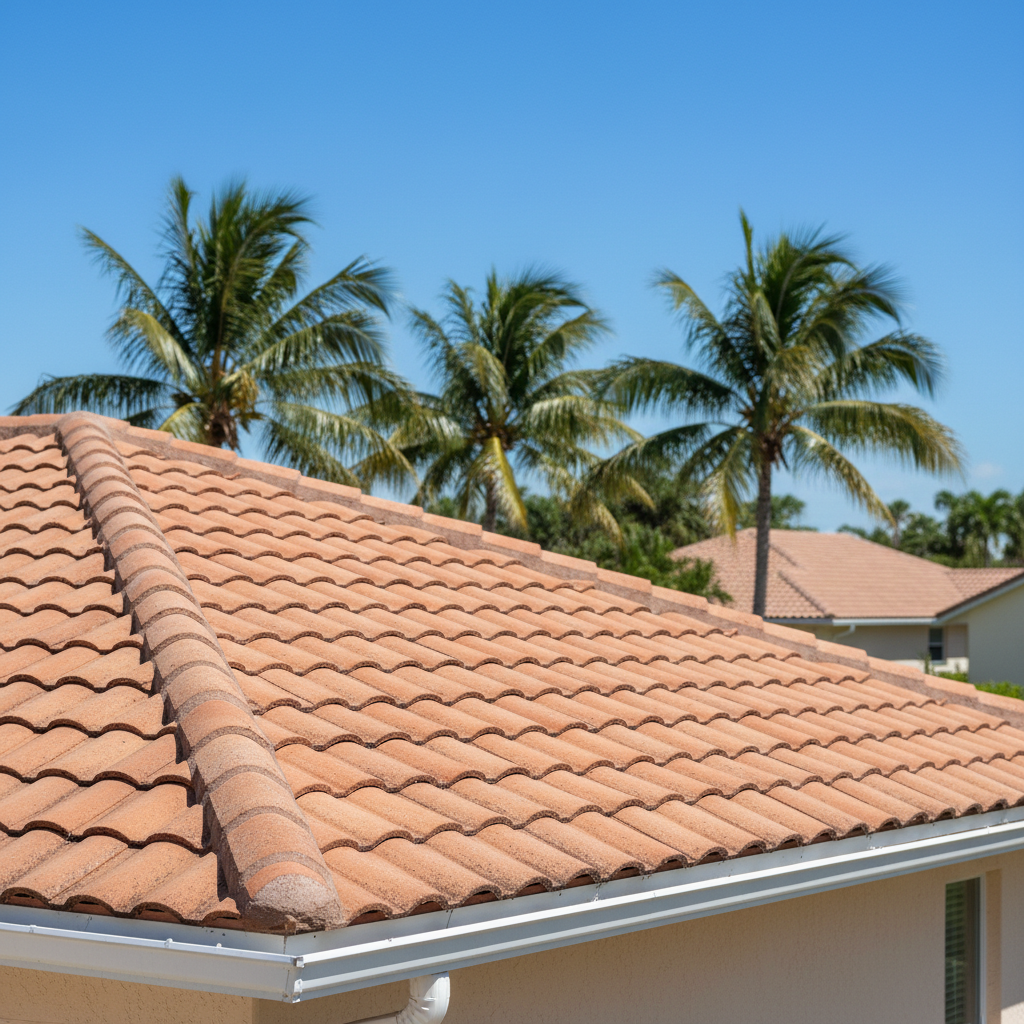
Concrete tile roofs are another excellent option, renowned for their longevity and aesthetic versatility, often mimicking clay. These roofs are practically impervious to rot and insects, and are incredibly fire-resistant. Concrete tiles can last 50 years or more, frequently outliving the home’s original owners. While the tiles themselves are extremely durable, the underlayment beneath them is what typically determines the roof’s true lifespan in Florida, often requiring replacement around the 25-30 year mark due to our intense heat and moisture.
How Florida’s Climate Accelerates Roof Aging
Florida’s climate is the primary antagonist to your roof’s longevity. The intense ultraviolet (UV) radiation from the sun constantly breaks down roofing materials, causing shingles to lose their protective granules and become brittle. High attic temperatures, exacerbated by poor ventilation, also cook the underside of your roof deck and shingles, leading to premature aging and structural stress. This constant thermal expansion and contraction puts immense strain on all roofing components.
Beyond the sun, the combination of heavy rains, persistent humidity, and severe weather events like hurricanes significantly shortens roof lifespans. Prolonged dampness encourages mold, mildew, and algae growth, which can deteriorate shingle surfaces and trap moisture, especially in shaded areas. When hurricane season arrives, roofs in Malabar must contend with wind speeds that can exceed 100 mph, often categorized as Category 1 or 2 hurricanes, demanding materials rated to withstand these forces as per the Florida Building Code. Even tropical storms can cause significant damage over time.
Warning Signs Your Roof is Aging (and Needs Attention)
Identifying the warning signs of an aging roof early can save you significant trouble and expense. Look for cracked, curling, or buckling shingles, which are clear indicators of material degradation due to sun exposure and moisture. Granule loss, visible as dark patches on asphalt shingles or granules accumulating in your gutters, means the protective layer is wearing away. For tile roofs, watch for cracked or slipped tiles, and pay attention to moss or algae growth, especially if it’s extensive.
Don’t forget to check inside your home and attic. Water stains on ceilings or walls, even small ones, are undeniable evidence of a leak that needs immediate attention. A sagging roof deck, visible from the attic or exterior, indicates structural issues that require professional assessment. If your energy bills are unexpectedly rising, it could also point to a compromised roof failing to provide adequate insulation and thermal resistance. Addressing these signs promptly can prevent minor issues from escalating into major, costly repairs or premature roof replacement.
Proactive Steps for Malabar Homeowners
Protecting your roof in Malabar isn’t just about reacting to problems; it’s about staying ahead of them. Here are key actions you can take to maximize your roof’s lifespan and ensure your home stays safe and dry:
-
Schedule Regular Professional Roof Inspections
Why: Even if your roof looks fine from the ground, a professional inspection can identify subtle damage, early signs of wear, or potential vulnerabilities that aren’t visible to the untrained eye. Catching issues like loose flashing, minor granule loss, or compromised sealant early can prevent them from escalating into major leaks or structural damage down the line. This is especially vital in Malabar where even minor storm damage can quickly worsen.
How: We recommend a thorough inspection at least once every 1-2 years, and always after any significant storm event, regardless of whether you see obvious damage. A certified roofer will assess the entire system, including shingles, flashing, gutters, and ventilation.
-
Keep Gutters and Downspouts Clear
Why: Clogged gutters prevent water from properly draining off your roof, leading to standing water that can seep under shingles, rot fascia boards, and cause extensive water damage to your eaves and foundation. This trapped moisture also encourages mold and mildew growth, which can deteriorate roofing materials.
How: Regularly clear leaves, twigs, and debris from your gutters and ensure downspouts are free-flowing. In Malabar, with our abundant foliage and heavy rain, this might mean quarterly cleanings or more frequently if you have large trees nearby.
-
Trim Overhanging Trees
Why: Tree branches that touch or hang over your roof pose multiple threats. They can scratch and abrade shingle surfaces, leading to premature granule loss. Falling branches during a storm are a primary cause of severe roof damage, and even constant shade can promote moss and algae growth, trapping moisture on your roof.
How: Keep all tree branches at least 6-10 feet away from your roofline. This not only protects your roof from physical damage but also reduces debris accumulation and allows for better sun exposure to dry out the roof after rain.
-
Ensure Adequate Attic Ventilation
Why: Proper attic ventilation is critical for extending your roof’s lifespan in Florida’s hot climate. Good airflow helps to regulate attic temperatures, preventing heat buildup that can cook your shingles from the underside and accelerate their aging. It also helps to expel moisture, reducing the risk of mold and rot in your attic and roof deck.
How: Confirm that your attic has a balanced ventilation system, typically involving soffit vents for intake and ridge or static vents for exhaust. If you notice excessive heat in your attic or higher-than-normal energy bills, have a professional assess your ventilation.
-
Understand Your Homeowner’s Insurance Policy (Florida-Specific!)
Why: This is paramount for Malabar homeowners. Florida insurance policies, especially for roofs, have specific clauses regarding age, type of damage, and timelines for filing claims. Many policies feature an “Actual Cash Value” clause for older roofs, meaning you’ll only get reimbursed for the depreciated value, not the cost of a new roof. Understanding your coverage before a storm hits is crucial for a smooth claim process.
How: Review your policy annually with your agent. Ask about “Ordinance or Law” coverage (for meeting current building codes), windstorm deductibles, and the specific age limits or depreciation schedules for roof replacement. Be aware of the strict deadlines for filing claims after a storm, often within one year in Florida.
-
Prepare for Hurricane Season (Florida-Specific!)
Why: Hurricane season (June 1 – November 30) is a reality in Malabar, and proactive preparation can significantly reduce potential damage and post-storm stress. A well-prepared roof is more likely to withstand high winds and heavy rain, minimizing the risk of leaks and structural compromise.
How: Before hurricane season, consider having a professional perform a “pre-storm” inspection to identify and address any loose shingles, flashing issues, or weak points. Secure any loose items on your roof or around your home that could become projectiles. Ensure your attic is clear of debris and that all vents are properly sealed.
-
Address Minor Repairs Promptly
Why: A small leak or a few missing shingles might seem insignificant, but in Florida’s climate, these minor issues can rapidly escalate into major problems. Water intrusion, even small amounts, can lead to widespread rot, mold, and compromise your home’s structural integrity. Delaying repairs almost always results in more extensive and costly damage.
How: If you spot any signs of damage, a cracked shingle, a loose piece of flashing, or a water stain indoors, contact Florida Roof Bros immediately. Prompt repair by experienced professionals can save your roof and your wallet in the long run.
Frequently Asked Questions
How long does a shingle roof typically last in Malabar, FL’s climate?
In Malabar, FL, a standard asphalt shingle roof generally lasts between 15 to 25 years, depending on the quality of materials and installation. The intense Florida sun, frequent heavy rains, and strong winds common to the region significantly impact this duration. Without consistent maintenance or if exposed to severe weather events, this lifespan can be notably shortened.
What specific environmental factors in Malabar, FL shorten a roof’s lifespan?
Malabar’s unique coastal proximity and subtropical climate present several challenges. Prolonged exposure to intense UV radiation from the sun degrades shingle granules, while torrential downpours can lead to water intrusion and mold growth. Furthermore, the constant threat of hurricane-force winds can cause uplift and direct damage, and salt air can accelerate corrosion for certain roofing materials like metal, all contributing to a reduced lifespan.
Are metal roofs a better long-term investment for homes in Malabar, FL, and what’s their typical lifespan?
Absolutely, metal roofs are widely considered an excellent long-term investment for Malabar homes due to their superior resilience against Florida’s harsh elements. They boast a significantly longer lifespan, typically ranging from 40 to 70 years, often outperforming and outlasting several cycles of asphalt shingle roofs. Beyond durability, metal roofs also offer exceptional wind resistance and contribute to better energy efficiency, making them a wise choice for the region.
How often should I have my roof inspected in Malabar, FL to maximize its life?
To ensure maximum longevity for your roof in Malabar, it is highly recommended to schedule a professional inspection at least once a year. This proactive approach allows for early detection and repair of minor issues before they escalate. Moreover, it is crucial to arrange an immediate inspection following any significant weather event, such as a tropical storm or hurricane, as hidden damage can quickly compromise your roof’s integrity.
What are common signs that my roof in Malabar, FL needs replacement, even if it’s not “old”?
Even a relatively young roof in Malabar can exhibit signs of premature wear requiring attention. Key indicators include cracked, curled, or missing shingles, which compromise the roof’s protective layer. Excessive granule loss, visible as dark patches or granules in gutters, indicates material breakdown. Dark streaks or moss growth point to moisture issues, while interior water stains on ceilings or walls are definitive signs of a leak necessitating prompt professional assessment and potential replacement.
Roofing Services Across Central Florida
Florida Roof Bros serves homeowners throughout Brevard County, Pinellas County, and surrounding Central Florida communities. If you need a roof inspection, repair, or replacement in any of these areas, our team is ready to help:
- Palm Bay, FL Roofing
- Melbourne, FL Roofing
- West Melbourne, FL Roofing
- Rockledge, FL Roofing
- Vero Beach, FL Roofing
Protecting Your Malabar Roof for Years to Come
Understanding how long your roof will last in Malabar, FL, involves more than just knowing its age; it requires considering the unique environmental challenges of our beautiful region. From the relentless sun and torrential rains to the ever-present threat of tropical storms, Florida’s climate demands a proactive approach to roof care. Regular maintenance, timely repairs, and choosing the right materials are paramount to ensuring your roof provides optimal protection and peace of mind for decades.
Don’t wait for a small issue to become a major headache. Proactive roof management is the smartest way to extend your roof’s life, protect your home’s value, and avoid costly emergency repairs. Whether you’re concerned about your roof’s current condition, noticing signs of wear, or simply want to ensure it’s ready for the next Florida storm season, taking action now can save you significant time and money in the long run.
At Florida Roof Bros, we understand the specific challenges Malabar homeowners face. That’s why we offer 100% free, no-obligation roof inspections. Our experienced team will thoroughly assess your roof’s condition, identify any potential issues, and provide honest recommendations tailored to your needs. There’s no cost to you, and no pressure to commit.
Ready to ensure your roof is strong, secure, and ready to withstand whatever Florida weather brings? Reach out to the experts at Florida Roof Bros today. For your complimentary inspection and professional advice, simply call us at (321) 446-1702. Trust the Pros, Call the Bros , we’re here to help you protect your biggest investment.
Need a free roof inspection? Call Florida Roof Bros at (321) 446-1702 or request a free inspection online. Family-owned, no subcontractors, Owens Corning Platinum Preferred. Trust the Pros, Call the Bros.
