

General Roofing
Insurance
Roofing
Storm Damage
How Long Does a Roof Last in Florida?
The afternoon sky over Malabar darkens quickly, and before you know it, the familiar roar of a Florida downpour begins. As the rain drums against your roof, a nagging thought might cross your mind: just how much more can this roof take? Perhaps you’ve lived in your home for years, or maybe you’ve noticed a few granules in the gutter after a particularly strong storm. For homeowners across Brevard County, understanding the true roof lifespan Florida homes experience isn’t just about curiosity, it’s about peace of mind and protecting your most significant investment.
This isn’t just an abstract question; it often comes down to a critical decision: is it time to consider a full roof replacement, or is a repair and an insurance claim the appropriate path forward? Navigating this choice can feel overwhelming, especially with the unique challenges our Florida climate presents. We’re here to help you cut through the confusion, providing clear, actionable insights so you can make an informed decision about your home’s most vital protective layer.
At Florida Roof Bros, we understand these concerns firsthand because we’re your neighbors, a family-owned business deeply rooted in the communities we serve, from Brevard to Pinellas County. With over 25 years of combined experience, we’ve seen every type of roof damage and helped countless homeowners determine the best course of action. Whether you’re weighing the costs of a new roof against the potential payout of a claim, we’ll guide you through the factors that truly dictate your roof’s health and longevity.
By the end of this discussion, you’ll have a much clearer picture of what impacts your roof’s life, when to seriously consider replacement, and when a claim might be your best option. We’ll delve into everything from specific material lifespans to the tell-tale signs that your roof is nearing its end. If you have immediate concerns or questions, don’t hesitate to reach out to our team at (321) 446-1702 for expert, honest advice.
Understanding Your Florida Roof: Climate, Codes, and Lifespan
When you talk about a roof in Florida, you’re not just talking about shingles and plywood; you’re talking about a shield against relentless sun, tropical downpours, high humidity, and the ever-present threat of hurricane-force winds. These environmental factors are the primary determinants of your roof lifespan Florida, often shortening what might be a standard lifespan in a milder climate. The intense UV radiation from our sunshine breaks down asphalt shingles, causing them to dry out, crack, and lose protective granules far faster than in, say, Ohio or Oregon.
Beyond the sun, the sheer volume of rain and persistent humidity in Central Florida creates an ideal breeding ground for algae, moss, and mildew. While not immediately structural, these growths can trap moisture, accelerate material degradation, and lead to unsightly staining, which homeowners often mistake for more severe damage. More critically, our hurricane seasons introduce the risk of severe wind uplift, hail damage, and flying debris, all of which can compromise the integrity of even a relatively new roof, forcing the “replace vs. claim” conversation much earlier than anticipated.
Florida’s building codes are another significant factor, especially after major storm events. Codes are regularly updated to enhance roof resilience against hurricanes. If your roof was installed under older codes, a replacement might be necessary not just because of age, but because a new roof must meet current, more stringent standards. This often means enhanced fastening, stronger underlayment, and sometimes different material choices, all designed to make your home safer and more insurable. Understanding these codes is crucial when evaluating the scope of work for a replacement versus a simple repair.
The type of roofing material also plays a huge role in its expected lifespan and, consequently, your decision to replace or claim. Standard asphalt shingles, common across Brevard County, typically last between 15-25 years in our climate, though some architectural shingles can extend that to 25-30 years. Metal roofs, while a larger initial investment, can last 40-70 years, offering superior durability against Florida’s elements. Tile roofs also boast long lifespans, often exceeding 50 years, but are susceptible to impact damage. Knowing your material helps frame the discussion around its inherent longevity versus premature failure due to storm damage.
When considering the costs and timelines associated with roof work, it’s important to differentiate between repairs and full replacements. A repair might address a localized leak or a few missing shingles, often a quicker and less expensive fix that an insurance claim can easily cover. A full replacement, however, is a significant undertaking, involving removal of old materials, inspection of the decking, installation of new underlayment, and a brand-new top layer. This process can take several days to a week or more, depending on the size and complexity of your home, and involves a much higher financial commitment, though it provides a fresh start and renewed warranty protection.
For Malabar homeowners, making the right choice between replacement and claim hinges on a thorough, honest assessment of your roof’s condition, age, and the extent of any damage. As an Owens Corning Platinum Preferred Contractor with an A+ BBB rating and over 300 five-star Google reviews, Florida Roof Bros brings not just expertise but also integrity to every evaluation. We’re licensed, insured, certified, and bonded (FL license CCC1332911), ensuring that when you Trust the Pros, you truly Call the Bros for a solution that’s right for your home and your budget.
The Lifespan of Your Florida Roof: What to Expect in Malabar
Understanding how long your roof should last in Florida isn’t just about the materials used; it’s a complex equation involving our unique climate, stringent building codes, and the quality of installation. For homeowners in Malabar, FL, knowing these factors is crucial for budgeting, maintenance, and making informed decisions about repairs versus replacement, especially when considering an insurance claim. A roof’s average lifespan here can differ significantly from national averages due to relentless sun exposure, high humidity, and the constant threat of severe weather.
Typical Roof Lifespans in Florida
When we talk about roof lifespan, we’re often looking at a range, not a single number. The type of material you choose is the primary determinant, but even the best materials face accelerated aging here in the Sunshine State. Here’s a breakdown of common roofing materials and their expected lifespans in Malabar:
- Architectural Shingles (Laminated Shingles): These are a popular choice for many Malabar homes due to their aesthetic appeal and cost-effectiveness. Nationally, they might last 30-50 years, but in Florida, you can typically expect 20-30 years. The intense UV radiation and heat degrade the asphalt and granules faster, reducing their flexibility and protective qualities over time. Modern architectural shingles installed in Florida must meet strict wind resistance standards, often rated for up to 130 mph, as mandated by the Florida Building Code (FBC).
- Standing Seam Metal Roofs: Known for their exceptional durability and energy efficiency, standing seam metal roofs are a long-term investment. They can last 40-70 years or even longer in Florida. Metal roofs are highly resistant to wind, fire, and pests, and their reflective properties help reduce cooling costs. The FBC requires specific fastening patterns and panel gauges to withstand hurricane-force winds, making them a robust option for our coastal environment.
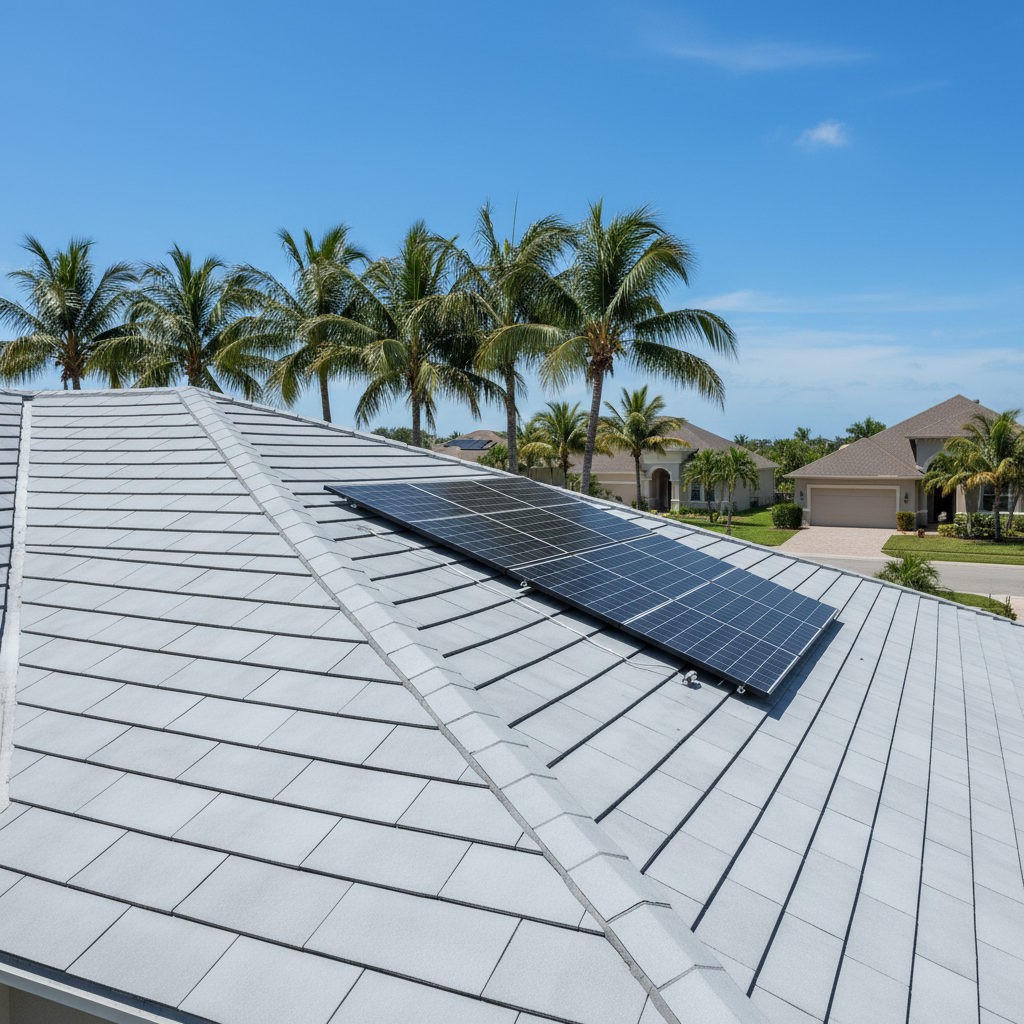
- Concrete and Clay Tile Roofs: These premium roofing materials offer superior longevity and aesthetics, often lasting 50 years or more, sometimes even exceeding 100 years with proper maintenance. Tile roofs are incredibly durable against high winds, hail, and fire, and they provide excellent insulation. Their heavy weight requires a robust roof structure, and their installation must strictly adhere to FBC requirements for fastening and underlayment to ensure they can withstand hurricane conditions, which are a serious consideration for Malabar properties.
How Florida’s Climate Challenges Your Roof
Florida’s climate is a beautiful but brutal adversary for your roof. The combination of environmental factors creates a unique set of challenges that accelerate wear and tear, often shortening a roof’s expected lifespan compared to other regions. Understanding these impacts helps homeowners in Malabar anticipate problems and plan for timely interventions.
The most significant factor is the relentless sun and heat. Intense ultraviolet (UV) radiation constantly breaks down roofing materials, causing asphalt shingles to dry out, crack, and lose their protective granules. This granular loss exposes the asphalt layer beneath to further degradation, rapidly diminishing the shingle’s ability to shed water. High ambient temperatures also lead to thermal expansion and contraction, which stresses all roofing components, from shingles to flashing, causing them to flex and eventually fail.
Humidity and heavy rainfall are also major culprits. Florida’s high humidity creates an ideal environment for mold, mildew, and algae to thrive on roof surfaces, especially on shingle roofs. These organisms can retain moisture, accelerating material breakdown and causing unsightly dark streaks. Persistent rain can exploit even tiny vulnerabilities, leading to leaks that can cause significant damage to your home’s interior and structural components if not addressed quickly. Poor drainage, often due to clogged gutters, exacerbates these issues by allowing water to pool.
Furthermore, Malabar’s proximity to the coast means roofs are exposed to salt air, which can accelerate corrosion of metal components like flashing, vents, and fasteners. This corrosive environment, combined with the constant threat of severe weather, puts immense stress on every part of your roofing system. Hurricane season, from June to November, brings the risk of extreme winds, heavy rain, and flying debris. Even a Category 1 hurricane can produce winds up to 95 mph, capable of lifting shingles, damaging eaves, and compromising the roof’s integrity. The Florida Building Code specifically addresses these wind loads, requiring robust installation methods and materials to enhance resistance against these powerful storms.
Warning Signs Your Roof is Failing
Being proactive about roof maintenance and understanding the signs of an aging or damaged roof can save you thousands in costly repairs and help you make a strong case for an insurance claim. Don’t wait for a major leak to appear; often, there are subtle indicators that your roof is nearing the end of its functional life. Regular visual inspections from the ground are a great start for Malabar homeowners.
- Cracked, Curled, or Missing Shingles: Shingles that are brittle, buckling, or curling at the edges are clear indicators of advanced UV and heat damage. Missing shingles expose the underlayment, leaving your roof vulnerable to water intrusion.
- Granular Loss: As shingles age, the protective granules wear off, often accumulating in gutters. This exposes the asphalt layer to direct sunlight, accelerating deterioration and signaling a significant reduction in the shingle’s lifespan.
- Dark Streaks or Algae Growth: While often cosmetic, extensive algae or mold growth can indicate moisture retention on the roof surface, which can lead to material degradation over time.
- Leaks or Water Stains Indoors: Any sign of water intrusion inside your home , discolored ceilings, damp walls, or dripping water , means your roof has failed its primary function. Pinpointing the source of the leak immediately is critical to prevent further structural damage.
- Sagging Roof Deck: A sagging or uneven roofline is a serious structural concern, indicating potential water damage to the underlying decking or framing, which could compromise the entire roof system.
- Damaged or Missing Flashing: Flashing around chimneys, vents, skylights, and valleys seals vulnerable areas. If it’s bent, cracked, or missing, these areas are prime entry points for water.
What Malabar Homeowners Should Do
Protecting your roof in Malabar, FL, requires a proactive approach, combining regular maintenance with an understanding of local climate challenges and insurance considerations. Don’t wait for a hurricane to remind you of your roof’s importance. By following these practical steps, you can extend your roof’s lifespan, maintain its warranty, and be better prepared for any weather Mother Nature throws our way.
- Schedule Regular Professional Roof Inspections:
WHY: A professional roofer can identify subtle issues like loose fasteners, minor flashing damage, or early signs of material degradation that are often invisible from the ground. Catching these problems early allows for minor repairs before they escalate into costly failures, potentially saving you from a full replacement or a denied insurance claim. We recommend an inspection every 1-3 years, and always after a significant storm.
HOW: Contact a reputable local roofing company like Florida Roof Bros to perform a comprehensive inspection. They will examine all components, including shingles, flashing, gutters, and ventilation, providing you with a detailed report and recommendations.
- Maintain Clean Gutters and Downspouts:
WHY: Clogged gutters prevent proper water drainage, causing water to back up under shingles, rot fascia boards, and potentially leak into your attic or walls. This constant moisture also encourages mold and mildew growth on your roof’s edge.
HOW: Regularly clean out leaves, twigs, and debris from your gutters, especially after heavy rains or windy conditions. Ensure downspouts are clear and direct water away from your home’s foundation.
- Trim Overhanging Branches:
WHY: Tree branches overhanging your roof can scrape away protective granules, drop debris that clogs gutters, and provide easy access for pests. During a storm, heavy branches can break and fall onto your roof, causing severe damage that may or may not be fully covered by insurance depending on the circumstances.
HOW: Hire a professional tree service to trim branches at least 6-10 feet away from your roofline. This is especially critical before hurricane season begins in June.
- Understand Your Homeowner’s Insurance Policy:
WHY: Florida’s insurance landscape is complex. Knowing your policy’s specifics regarding roof damage, depreciation, deductibles, and claim timelines is vital. Many policies in Florida have specific clauses for roof age or condition that can impact your coverage for storm damage. Some policies may only cover the actual cash value (ACV) of an older roof, meaning you get a depreciated amount, not the cost of a new replacement.
HOW: Review your policy documents carefully. Pay attention to your deductible, whether your roof is covered for Actual Cash Value (ACV) or Replacement Cost Value (RCV), and any age limits. If anything is unclear, call your insurance agent to clarify. Be aware of the two-year window for filing hurricane claims in Florida.
- Address Small Repairs Immediately:
WHY: A small issue, like a loose shingle or a tiny crack in flashing, can quickly escalate into a major problem in Florida’s climate. Water intrusion from a minor leak can lead to extensive rot, mold growth, and structural damage if left unaddressed, making subsequent repairs far more expensive and complicated.
HOW: If you notice any signs of damage, no matter how minor, contact a professional roofer right away. Prompt repair can prevent the need for a full roof replacement sooner than expected and maintain your roof’s overall integrity.
- Consider Proactive Roof Replacement:
WHY: While it seems counterintuitive to replace a roof that isn’t actively leaking, replacing an aging roof before a major storm hits can be a strategic financial move. An older roof, even if it looks okay, may not withstand hurricane-force winds, leading to catastrophic damage and potentially a more challenging insurance claim process. A new roof, built to current Florida Building Code standards, offers superior protection and can even qualify you for insurance premium discounts.
HOW: If your roof is approaching the end of its expected lifespan (20-25 years for shingles), start getting quotes for replacement. This allows you to plan financially, choose your materials, and avoid the rush and higher costs associated with post-hurricane emergency repairs.
- Choose Hurricane-Rated Materials and Installation:
WHY: With Malabar’s exposure to tropical storms and hurricanes, selecting materials and ensuring installation that meet or exceed Florida Building Code wind resistance requirements is paramount. This not only protects your home and family but can also lead to significant savings on your homeowner’s insurance premiums through wind mitigation credits.
HOW: When considering a new roof or major repairs, discuss wind-rated shingles, standing seam metal, or concrete tiles with your roofer. Ensure that the installation includes proper fastening techniques and underlayment as specified by the FBC for your specific wind zone.
Frequently Asked Questions
How long can I expect a typical asphalt shingle roof to last in Malabar, FL?
In Malabar, FL, the lifespan of an asphalt shingle roof can vary significantly but typically ranges from 15 to 25 years. While manufacturers might rate shingles for 20-30 years, Florida’s intense sun, high humidity, and frequent severe weather, including strong winds and torrential rains, often accelerate wear and tear. Factors like proper installation, attic ventilation, and consistent maintenance also play a crucial role in determining whether your roof reaches the higher end of this estimate or requires earlier attention.
What are the primary factors that cause roofs to fail prematurely in Florida’s unique climate?
Florida’s climate presents several challenges that can shorten a roof’s life. Intense UV radiation from the sun is a major culprit, causing shingles to dry out, crack, and lose their protective granules over time. High humidity encourages mold, mildew, and algae growth, which can degrade materials. Furthermore, the frequent tropical storms and hurricanes bring strong winds that can lift, tear, or dislodge shingles, along with heavy rainfall that exacerbates any existing leaks or vulnerabilities, leading to premature roof failure.
Is a metal roof a significantly better long-term investment for a home in Malabar, FL, compared to traditional shingles?
For many Malabar homeowners, a metal roof is indeed a superior long-term investment, especially considering Florida’s harsh environment. While the initial cost is higher than asphalt shingles, metal roofs boast a lifespan of 40-70 years, often outlasting several shingle roofs. They are highly resistant to wind, hail, fire, and pests, and their energy-efficient properties can even lead to lower cooling costs. Their durability and minimal maintenance requirements often offset the upfront expense over their extended lifespan, providing excellent value.
How often should I have my roof professionally inspected in Malabar, FL, to maximize its lifespan and catch issues early?
To ensure your roof in Malabar, FL, achieves its maximum lifespan and to proactively address potential problems, we recommend a professional inspection at least once a year. After any significant weather event, such as a severe thunderstorm or tropical storm, an additional inspection is highly advisable. Regular inspections allow experienced professionals to identify minor issues like loose shingles, damaged flashing, or early signs of moisture intrusion before they escalate into costly repairs or necessitate premature roof replacement. This preventative approach is key to long-term roof health.
What are the key indicators that my roof in Malabar, FL, might need replacement soon?
Several signs suggest your Malabar roof may be nearing the end of its life and could require replacement. Look for curling, buckling, or cracked shingles, which indicate material degradation. Granule loss, visible as bald spots on shingles or granules accumulating in gutters, significantly reduces your roof’s protective capabilities. Other red flags include water stains on your interior ceilings or walls, excessive moss or algae growth, and a sagging roof deck. If your roof is approaching 20 years old and exhibiting these symptoms, it’s wise to consider a replacement.
Roofing Services Across Central Florida
Florida Roof Bros serves homeowners throughout Brevard County, Pinellas County, and surrounding Central Florida communities. If you need a roof inspection, repair, or replacement in any of these areas, our team is ready to help:
- Palm Bay, FL Roofing
- Melbourne, FL Roofing
- West Melbourne, FL Roofing
- Rockledge, FL Roofing
- Vero Beach, FL Roofing
Protecting Your Malabar Home, One Roof at a Time
Understanding the lifespan of your roof in Florida, particularly in a community like Malabar, is crucial for effective home maintenance and protection. While various roofing materials offer different levels of durability, the unique challenges posed by our intense sun, humidity, and severe weather patterns mean that proactive care and timely intervention are paramount. Whether you have asphalt shingles, a robust metal roof, or another material, knowing the factors that influence its longevity empowers you to make informed decisions for your home’s future.
Don’t wait for a small issue to become a major problem. Regular professional inspections are the best way to safeguard your investment, extend your roof’s life, and ensure your home remains protected against the elements. Our local expertise in Malabar and the surrounding Brevard County area means we understand the specific stresses your roof endure and how to best address them. We’re here to provide clarity and reliable solutions tailored to your property’s needs.
If you’re concerned about your roof’s condition, its age, or simply want peace of mind, Florida Roof Bros is ready to help. We offer 100% free, no-obligation roof inspections, allowing our certified experts to assess your roof’s health and provide an honest, detailed report. Let us help you navigate the complexities of roof maintenance and replacement with transparent advice and quality craftsmanship. Trust the Pros, Call the Bros today at (321) 446-1702 to schedule your complimentary inspection!
Need a free roof inspection? Call Florida Roof Bros at (321) 446-1702 or request a free inspection online. Family-owned, no subcontractors, Owens Corning Platinum Preferred. Trust the Pros, Call the Bros.
