

General Roofing
Roofing
How Long Does a Roof Last in Florida?
The Florida sun beats down, relentless and beautiful, but it also takes its toll on everything, especially your home’s roof. One minute you are enjoying the coastal breeze in Sebastian, the next you notice a few granules washing into your gutters after a summer downpour, or perhaps a slight stain appearing on your ceiling. These are the moments that spark a common thought for many homeowners across Brevard County: “How much longer does my roof really have?” It is a question that brings with it a mix of concern and a looming sense of a significant financial decision, often leaving homeowners wondering about the true roof lifespan in Florida.
Understanding your roof’s lifespan in our unique Florida environment is not just crucial for protecting your most valuable asset, but for making informed choices about maintenance and future investments. You are not alone in wrestling with the big question of whether to pursue a targeted repair or brace for a full roof replacement. This decision hinges on several factors, from the age and material of your existing roof to the specific challenges posed by our state’s weather patterns, all of which we will explore to help you gain clarity and confidence in your next steps, ensuring your family’s safety and comfort.
Here at Florida Roof Bros, a family-owned business deeply rooted in the communities we serve, we understand these concerns firsthand. With over 25 years of combined experience protecting homes across Brevard County, Pinellas County, and Central Florida, we’ve seen every type of roof issue imaginable, from minor leaks to extensive storm damage. Our goal with this guide is to equip you with the knowledge to assess your roof’s condition accurately, empowering you to make the best decision for your home and your budget, whether that means a timely repair or a strategic replacement. You can always reach out to our team of in-house, licensed, insured, and certified professionals for expert advice at (321) 446-1702.
Deciding between repairing a specific issue and undertaking a complete roof replacement is rarely straightforward, carrying significant implications for both your immediate finances and your home’s long-term structural integrity. There are immediate costs to consider, long-term benefits to weigh, and the invaluable peace of mind that comes with a secure, reliable roofing system that can withstand Florida’s unpredictable weather. We believe that an educated homeowner is a confident homeowner, ready to navigate the complexities of roof maintenance and replacement with clarity and assurance, preventing small issues from escalating into major problems.
This guide will delve into the critical factors that determine how long a roof lasts in Florida, helping you identify the warning signs of wear and tear before they become emergencies. We will discuss why our climate is particularly harsh on roofing materials and what that means for your home in Sebastian, from the intense UV radiation to the relentless humidity and the sudden, powerful downpours that characterize our seasons. By the end, you will have a much clearer understanding of your roof’s current standing and a practical roadmap for its future, ensuring your home remains safe and sound for many years to come, protected by a robust roofing system.
Being proactive about your roof’s health is one of the smartest investments you can make as a homeowner. Ignoring minor issues can lead to significant structural damage, mold growth, and costly repairs down the line, especially in Florida’s humid environment. By understanding the typical average lifespan by material and how local conditions impact it, you can plan effectively, safeguarding your property and avoiding unexpected emergencies. This knowledge empowers you to maintain your home’s value and ensure its resilience against the elements.
Understanding Your Roof’s Lifespan in the Florida Climate
To truly answer the question of how long a roof lasts in Florida, we must first acknowledge the unique environmental challenges our state presents. Unlike roofs in more temperate climates, a roof in Sebastian or anywhere else in Brevard County endures a relentless assault from multiple fronts. The intense ultraviolet (UV) radiation from the sun is a primary culprit, breaking down roofing materials at an accelerated rate, causing asphalt shingles to lose granules and become brittle long before their theoretical maximum lifespan is reached.
Beyond the sun, Florida’s climate is defined by its high humidity, heavy rainfall, and the constant threat of severe weather events, including tropical storms and hurricanes. This combination creates a perfect storm for roof degradation. Prolonged dampness can lead to mold, algae, and mildew growth, which not only look unsightly but can also compromise the integrity of shingles and underlying decking. Wind uplift from even moderate storms can loosen shingles, making them vulnerable to subsequent water intrusion.
Florida’s stringent building codes, particularly those updated after major hurricane seasons, also play a significant role in roof longevity and the repair vs. replace decision. These codes dictate specific installation methods, material requirements, and reinforcement techniques designed to improve a roof’s resilience against high winds. While these codes mean a new roof is built to higher standards, an older roof installed under previous, less demanding codes might not offer the same level of protection, making a replacement a more prudent choice for enhanced safety and insurance considerations.
When considering the actual lifespan, the type of roofing material is paramount. A standard asphalt shingle roof, common across Central Florida, typically lasts between 15 to 25 years here, a noticeable reduction from the 20 to 30 years often quoted in milder climates. Metal roofs, known
Understanding Your Roof’s Lifespan in the Sunshine State
Living in Sebastian, FL, means enjoying beautiful weather almost year-round, but it also means our homes face some of the most challenging environmental conditions for a roof. Intense UV radiation, relentless heat, high humidity, and the constant threat of tropical storms and hurricanes all contribute to a significantly shorter roof lifespan compared to national averages. Understanding these factors and how they impact different roofing materials is crucial for any homeowner in our area.
Average Lifespan by Material in Florida
When considering roof replacement or evaluating your current roof, it’s important to differentiate between general material lifespans and what you can realistically expect here in Sebastian. The Florida Building Code sets high standards for wind resistance, which is a good starting point, but daily wear and tear from our climate adds up.
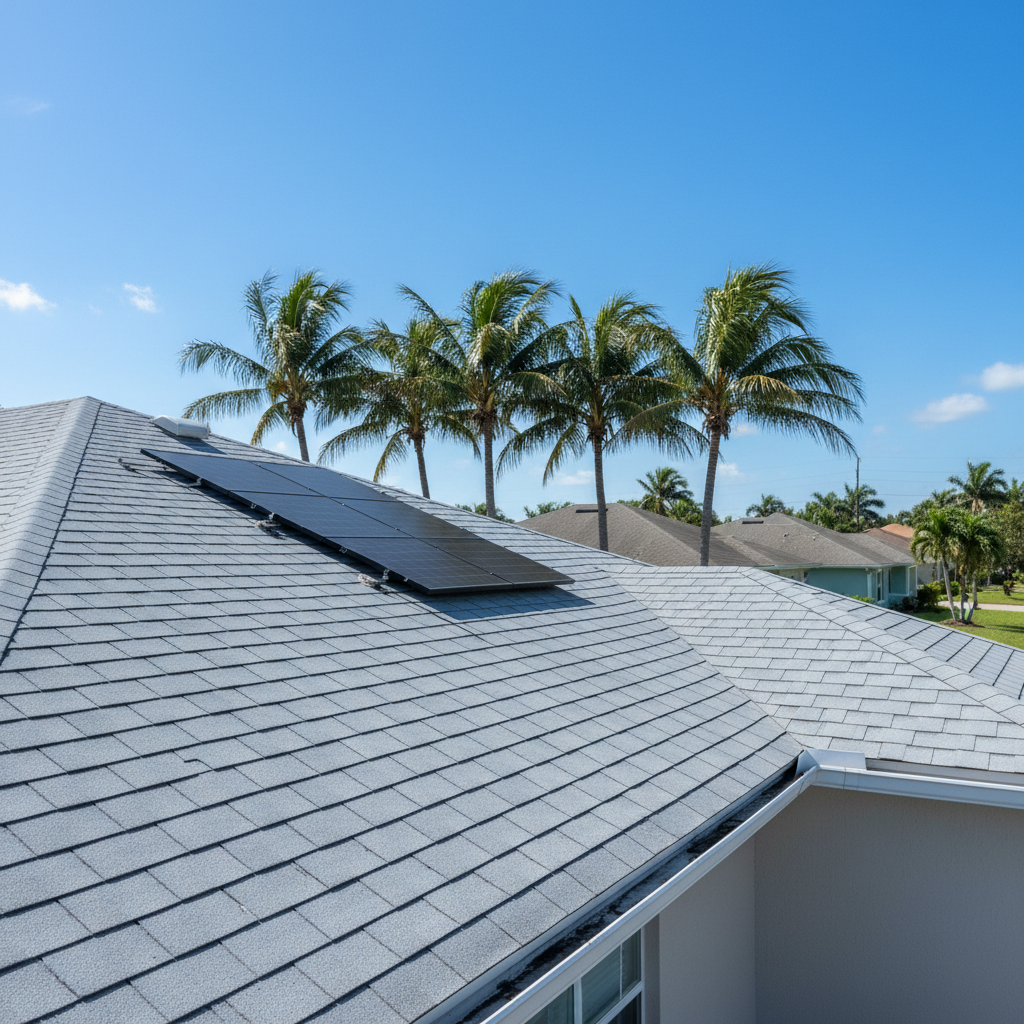
- Architectural Shingles: Nationally, architectural shingles might last 25-30 years. In Florida, however, due to the extreme heat and UV exposure, combined with wind stresses, their typical lifespan often shrinks to 15-20 years, sometimes even less if installation or maintenance is subpar. These shingles must meet stringent wind uplift requirements, often rated for 130 mph or higher, to comply with our local codes. A typical asphalt shingle roof replacement for a standard Sebastian home might range from $8,000 to $15,000, depending on size and complexity.
- Standing Seam Metal: This is a fantastic option for Florida, boasting lifespans of 40-70 years. Metal roofs are incredibly durable, highly resistant to wind (many are rated to withstand Category 5 hurricane forces), and reflect solar heat, which can lead to energy savings. While the upfront cost is higher, typically between $20,000 and $45,000+ for a full replacement, their longevity and resilience often make them a wise long-term investment, especially with proper coatings to resist salt air near the coast.
- Concrete Tile: Concrete tiles are another robust choice, offering an impressive lifespan of 30-50+ years. They are extremely durable, highly resistant to wind, fire, and hail, and provide excellent curb appeal. The key to their longevity in Florida lies in the quality of the underlayment, which protects against water intrusion should a tile be damaged or shifted. Expect to pay anywhere from $18,000 to $40,000+ for a tile roof, depending on the tile type and roof size.
- Other Materials: For flat or low-slope roofs, common in some commercial buildings and modern residential designs, materials like TPO or PVC can offer 15-30 years of service. These single-ply membranes are excellent for waterproofing and energy efficiency but require specific installation expertise to ensure proper drainage and seam integrity in our humid environment.
How Florida’s Climate Accelerates Wear
It’s not just the big storms; it’s the everyday conditions that relentlessly degrade your roof. The constant assault from the elements dramatically shortens a roof’s life compared to cooler, drier climates.
UV Radiation and Heat: The intense Florida sun is a primary culprit. Ultraviolet rays break down the asphalt oils in shingles, causing them to dry out, crack, and lose their protective granules. This process is exacerbated by the extreme heat, which causes materials to expand and contract daily, stressing fasteners and seals. Over time, this thermal cycling leads to premature aging and material fatigue.
Humidity and Moisture: High humidity levels foster the growth of algae, moss, and mildew on roofs, especially on the north-facing slopes. While not always structurally damaging initially, these growths can hold moisture against the roof surface, accelerate material degradation, and lead to wood rot in the underlying decking if moisture penetrates. Persistent dampness also encourages the breakdown of sealants and adhesives.
Wind and Hurricanes: Florida’s hurricane season is a major concern. Even sustained winds from a Category 1 hurricane (74-95 mph) can cause significant damage, ripping off shingles, lifting metal panels, or dislodging tiles. The Florida Building Code mandates specific installation techniques, such as enhanced fastening schedules and robust underlayments, to help roofs withstand these forces. However, repeated exposure to strong winds, even from less severe storms, can weaken your roof system over time, making it more vulnerable to future events.
Warning Signs Your Sebastian Roof is Aging
Staying vigilant about your roof’s condition can save you thousands in preventable repairs. Here are key indicators that your Sebastian roof is nearing the end of its functional life:
- Missing, Cracked, or Curled Shingles: These are clear signs of material fatigue and wind damage. Cracked shingles allow water penetration, while curling indicates the shingle’s seal has failed and it’s drying out.
- Granule Loss: If your asphalt shingles look bald or you find granules in your gutters, it means the protective layer is eroding, leaving the asphalt exposed to UV rays.
- Dark Streaks or Algae Growth: While often cosmetic, extensive algae can indicate persistent moisture retention, which accelerates shingle degradation.
- Water Stains on Interior Ceilings or Walls: This is an urgent warning sign of a leak. Don’t ignore it; water damage can quickly spread and lead to costly structural issues and mold.
- Sagging Roof Deck: A visible dip or sag in your roofline indicates a serious structural problem, likely due to prolonged moisture damage or inadequate support.
- Higher Energy Bills: An aging or damaged roof can compromise your attic’s insulation and ventilation, leading to increased heat transfer into your home and higher cooling costs.
- Visible Rust on Flashing or Metal Components: Rust compromises the integrity of metal elements, creating potential leak points around chimneys, vents, and valleys.
What Sebastian Homeowners Should Do: Protecting Your Investment
Your roof is your home’s first line of defense against the relentless Florida elements. Proactive care and timely action are essential to maximize its lifespan and protect your property. Here’s what every Sebastian homeowner should do to maintain their roof and prepare for its eventual replacement.
-
Schedule Regular Professional Roof Inspections:
WHY: Catching small issues early, before they escalate into major problems, is the single most cost-effective way to extend your roof’s life. A professional inspector can identify subtle granule loss, hairline cracks, loose flashing, or early signs of moisture intrusion that are invisible from the ground. This is especially critical after hurricane season or any severe weather event, even if you don’t see obvious damage.
HOW: We recommend an annual inspection by a trusted local roofer like Florida Roof Bros. We’ll provide a detailed report and honest recommendations, helping you stay ahead of potential issues without pushing unnecessary repairs.
-
Maintain Clean Gutters and Downspouts:
WHY: Clogged gutters cause water to back up and pool on the roof’s edge, leading to fascia rot, softened decking, and potential leaks into your eaves. Proper drainage is vital to move water away from your home’s foundation and roof structure.
HOW: Clean your gutters at least twice a year, or more frequently if you have many overhanging trees. Ensure all downspouts are clear and direct water at least several feet away from your home’s foundation.
-
Trim Overhanging Tree Branches:
WHY: Branches rubbing against your roof can abrade shingles and tiles over time, creating weak spots. In a storm, loose or heavy branches can become projectiles, causing catastrophic damage to your roof and home. Debris accumulation also traps moisture and promotes organic growth.
HOW: Keep tree branches trimmed back at least 6-10 feet from your roof surface. Regularly remove leaves, pine needles, and other debris that collects on your roof, especially in valleys where water naturally flows.
-
Understand Your Roof Warranty and Homeowner’s Insurance Policy:
WHY: Florida’s unique climate and hurricane risks make this step non-negotiable. Knowing what your manufacturer’s warranty covers (and what voids it) and the specifics of your insurance policy regarding storm damage, age limits, and deductible clauses is crucial. Many policies have strict timelines for filing claims after a storm.
HOW: Review both documents annually. Take clear photos of your roof’s condition when it’s new or in good shape as documentation. If a storm hits, document damage immediately and contact your insurance provider and a reputable roofer promptly.
-
Address Algae, Moss, and Mold Promptly:
WHY: While some algae is cosmetic, heavy growth can hold moisture against your shingles, accelerating their degradation. Moss, in particular, can lift shingles, creating channels for water intrusion and weakening the roof structure underneath.
HOW: Contact a professional for roof cleaning. Avoid pressure washing, as it can damage shingles and void warranties. Specialized, low-pressure chemical treatments are effective and safe for removing organic growth without harming your roof materials.
-
Ensure Proper Attic Ventilation:
WHY: Good ventilation helps to reduce attic heat, which extends the life of your roof by preventing premature aging of shingles from below. It also prevents moisture buildup in the attic, which can lead to mold, mildew, and wood rot, and helps lower your cooling costs.
HOW: Verify that you have adequate soffit and ridge vents, or consider an attic fan if your home experiences excessive heat buildup. A professional roofer can assess your current ventilation system and recommend improvements.
-
Plan for Replacement Proactively (Don’t Wait for an Emergency):
WHY: In Florida, waiting until your roof is actively leaking or severely damaged by a hurricane often leads to more stress, higher costs, and potential insurance headaches. Many insurance companies have age limits for roofs, making coverage difficult or impossible for older systems. Proactive replacement allows you to choose your materials, contractor, and timeline, avoiding emergency surcharges and supply chain issues that often follow major storms.
HOW: Start budgeting and getting quotes when your roof is around 70-80% of its expected Florida lifespan (e.g., 10-14 years for architectural shingles). This gives you time to make an informed decision and ensures your home remains protected before the next hurricane season hits.
Frequently Asked Questions
How long can I expect an asphalt shingle roof to last in Sebastian, FL?
In Sebastian, asphalt shingle roofs typically have a lifespan ranging from 15 to 25 years, though this can vary significantly. Factors such as the quality of the specific shingle product, the expertise of the installation team, and the consistent maintenance schedule play a crucial role. Florida’s intense UV radiation, frequent heavy rainfall, and potential for severe weather events like hurricanes are major contributors to wear and tear, often accelerating the aging process compared to roofs in milder climates.
What specific environmental factors in Florida most impact roof longevity?
Florida’s unique subtropical climate presents several significant challenges to roof longevity. Intense and prolonged UV radiation from the sun is a primary culprit, causing materials to break down, become brittle, and lose their protective granules over time. Frequent and heavy rainfall, combined with high humidity, can foster mold and algae growth, and if drainage is poor, lead to moisture infiltration and rot. Additionally, the constant threat of hurricane-force winds can cause immediate and catastrophic damage, lifting shingles, tearing off sections, or compromising the entire roof structure.
Are metal roofs a better investment for longevity against Florida’s weather compared to other types?
Yes, metal roofs are generally considered a superior investment for longevity and resilience against Florida’s challenging weather, often lasting 40-70 years or even longer. Their inherent strength provides exceptional resistance to high winds, making them a top choice for hurricane-prone areas like Sebastian. Beyond durability, metal roofs are fire-resistant, impervious to pests, and highly energy-efficient due to their ability to reflect solar radiation, which can lead to significant cooling cost savings over their extended lifespan.
How often should a homeowner in Sebastian, FL, have their roof professionally inspected?
It is highly recommended that homeowners in Sebastian have their roofs professionally inspected at least once a year, ideally in the spring or fall when weather conditions are milder. This proactive approach helps identify minor issues like loose shingles, clogged gutters, or early signs of wear before they escalate into costly repairs. Furthermore, a thorough professional inspection is absolutely crucial after any significant weather event, such as a tropical storm, hurricane, or even prolonged heavy rains, to ensure hidden damage is detected and addressed promptly.
What are common signs that my roof in Sebastian might be nearing the end of its lifespan?
Homeowners should regularly inspect their roof for several key indicators that suggest it’s nearing the end of its functional life. Visible signs include cracked, curled, or brittle shingles, especially those that appear uplifted or missing after strong winds. Significant granule loss, which often manifests as bald spots on shingles and an accumulation of granules in gutters, is another critical warning sign. Beyond visual inspection, interior water stains on ceilings or walls, a sagging roof deck, or recurring leaks are definitive signals that your roof requires immediate professional assessment and likely replacement.
Roofing Services Across Central Florida
Florida Roof Bros serves homeowners throughout Brevard County, Pinellas County, and surrounding Central Florida communities. If you need a roof inspection, repair, or replacement in any of these areas, our team is ready to help:
- Palm Bay, FL Roofing
- Melbourne, FL Roofing
- West Melbourne, FL Roofing
- Rockledge, FL Roofing
- Vero Beach, FL Roofing
Protect Your Investment with Florida Roof Bros
Understanding how long your roof will last in Sebastian, FL, is crucial for protecting your home and your investment. While factors like material choice, whether it’s durable metal or reliable asphalt shingles, play a significant role, the unique challenges of Florida’s weather, from intense sun to hurricane-force winds, demand proactive attention. Regular maintenance and timely inspections are not just recommendations; they are essential practices to maximize your roof’s lifespan and ensure it continues to provide the critical protection your family needs against the elements.
Don’t wait for a small issue to become a major problem. If you’re concerned about the age of your roof, have noticed any signs of wear, or simply want peace of mind regarding its condition, the time to act is now. Florida Roof Bros is dedicated to serving homeowners throughout Sebastian and the surrounding areas with expert roofing solutions. We understand the specific demands that Florida weather places on your roof, and our experienced team is ready to provide the professional assessment you deserve.
We make it easy to get started. Florida Roof Bros offers 100% free, no-obligation roof inspections, providing you with a comprehensive understanding of your roof’s current state and any necessary recommendations. There’s no risk, only the potential for greater security and savings down the line. To schedule your complimentary inspection and discuss how we can help extend your roof’s life or provide a durable new installation, simply give us a call today at (321) 446-1702. When it comes to your home’s most vital protection, you can always Trust the Pros, Call the Bros.
Need a free roof inspection? Call Florida Roof Bros at (321) 446-1702 or request a free inspection online. Family-owned, no subcontractors, Owens Corning Platinum Preferred. Trust the Pros, Call the Bros.
