

General Roofing
Roofing
How Long Does a Roof Last in Florida?
The afternoon sun beats down on Vero Beach, relentless and bright, but it’s the sudden, torrential downpours that often make homeowners here cast a watchful eye towards their roof. You might find yourself wondering, as the water cascades from your gutters, just how much more wear and tear your home’s first line of defense can take. It’s a common thought for anyone living in our beautiful, yet challenging, Florida climate. Understanding the typical roof lifespan in Florida, and more importantly, recognizing the subtle signs that your roof is nearing the end of its service, is crucial for protecting your investment and your family.
Here in the Sunshine State, a roof isn’t just a cover; it’s a critical shield against everything from daily UV radiation to the intense winds and rain of hurricane season. That constant exposure means your roof ages differently here than it might in other parts of the country. This post aims to demystify the factors affecting your roof’s longevity and equip you with the knowledge to identify when it might be time to consider professional inspection or replacement, long before a small issue becomes a costly emergency.
Many homeowners mistakenly believe that a roof will last a fixed number of years, but the reality is far more nuanced, especially when you consider our unique environment. From the materials used during installation to the quality of workmanship and even the surrounding tree cover, numerous elements play a role in how long your roof will truly protect your home. Being proactive about understanding these variables can save you significant stress and expense down the line, ensuring your home remains safe and dry.
For residents across Brevard County, Pinellas County, and Central Florida, including our neighbors in Vero Beach, navigating these roofing decisions can feel overwhelming. That’s where local expertise truly makes a difference. Our family at Florida Roof Bros, with over 25 years of combined experience and a commitment to using only our own in-house, licensed crews, understands the specific challenges your roof faces. We’ve built a reputation for trust and quality, backed by over 300 five-star Google reviews and an A+ rating from the BBB, because we believe in transparency and honest advice.
When you need reliable information or a professional assessment, knowing who to call makes all the difference. We’re not just contractors; we’re your neighbors, dedicated to providing straightforward, expert guidance. If you’re ever in doubt about your roof’s condition or its remaining lifespan, don’t hesitate to reach out to the pros who know Florida roofs inside and out. You can always connect with Florida Roof Bros directly at (321) 446-1702 for dependable service and peace of mind.
The Unyielding Realities of a Florida Roof: Climate, Codes, and Lifespan Factors
The lifespan of a roof in Florida is inherently different from roofs in cooler, drier climates, primarily due to our extreme weather patterns. Our roofs endure a relentless assault from the elements: intense ultraviolet (UV) radiation from prolonged sun exposure, daily torrential rains, high humidity levels, and the ever-present threat of tropical storms and hurricanes. These factors combine to accelerate the degradation of roofing materials, often significantly reducing their expected lifespan compared to manufacturer estimates based on more temperate regions.
Consider the impact of constant sun exposure alone; the powerful UV rays continuously break down the asphalt in shingles, causing them to dry out, become brittle, and lose their protective granules. Then, add in the daily thermal expansion and contraction cycles as temperatures fluctuate between scorching daytime and cooler evenings, and it creates a recipe for material fatigue. This constant stress inevitably leads to cracking, curling, and blistering over time, weakening the roof’s integrity and making it more susceptible to leaks.
Florida’s stringent building codes, particularly the Florida Building Code (FBC), also play a critical role in the lifespan and performance of your roof. These codes, updated regularly to incorporate lessons learned from past hurricanes, dictate everything from material specifications to installation methods, especially for wind resistance. While these codes increase initial installation costs and complexity, they ultimately ensure a more robust and resilient roof system, which can extend its effective lifespan under the severe conditions prevalent in areas like Vero Beach.
The type of roofing material chosen also significantly impacts its longevity in our climate. While standard asphalt shingles might offer a 15-25 year lifespan under ideal conditions, Florida’s environment often reduces that by several years. Metal roofs, on the other hand, can last 40-70 years, and tile roofs (clay or concrete) can exceed 50 years, often outliving the home itself. As an Owens Corning Platinum Preferred Contractor, we often recommend materials and systems specifically engineered to withstand Florida’s unique challenges, ensuring maximum durability and performance for our clients.
Understanding these foundational elements , the climate’s relentless wear, the protective measures enforced by building codes, and the inherent durability of different materials , provides crucial context for recognizing warning signs. A seemingly minor issue on a roof in Florida can escalate rapidly due to these environmental pressures. That’s why proactive maintenance and timely inspections are not just recommendations; they are necessities for extending your roof’s life and avoiding unexpected, costly repairs. Our family-owned business is fully licensed (FL license CCC1332911), insured, certified, and bonded, ensuring every job meets the highest standards of safety and quality for your peace of mind.
Understanding Your Roof’s Lifespan in the Florida Climate
When it comes to your Vero Beach home, understanding your roof’s lifespan is critical, especially given Florida’s unique and often harsh climate. The average lifespan of a roof in Florida can differ significantly from national averages due to relentless sun exposure, high humidity, heavy rainfall, and the ever-present threat of hurricanes. While a roof might last 30 years in a milder climate, those same materials could see their effective life cut by a third or more under our intense sun and moisture. This section will break down what you can expect from common roofing materials and how Florida’s environment impacts their durability, directly addressing the core of your `roof lifespan florida` concerns.
Common Roofing Materials and Their Florida Lifespans
Florida homeowners typically choose from a few key roofing materials, each with its own expected durability. Architectural shingles are a popular choice due to their aesthetic appeal and cost-effectiveness. Nationally, these might last 20-30 years, but in Florida, you’re looking at a more realistic 15-25 years. The constant thermal expansion and contraction from our intense heat, coupled with UV degradation, causes them to break down faster. They must also meet stringent Florida Building Code requirements for wind resistance, often requiring specialized installation techniques and adhesives to withstand uplift forces.
Standing seam metal roofs offer a superior lifespan and performance in our challenging environment. These systems, known for their interlocking panels and hidden fasteners, can last 30-50 years, often exceeding national averages because of their inherent resistance to wind, fire, and moisture. Their reflective properties also contribute to lower energy bills, a significant benefit in Vero Beach. While the initial investment is higher, their longevity and minimal maintenance often make them a very cost-effective choice over the long term.
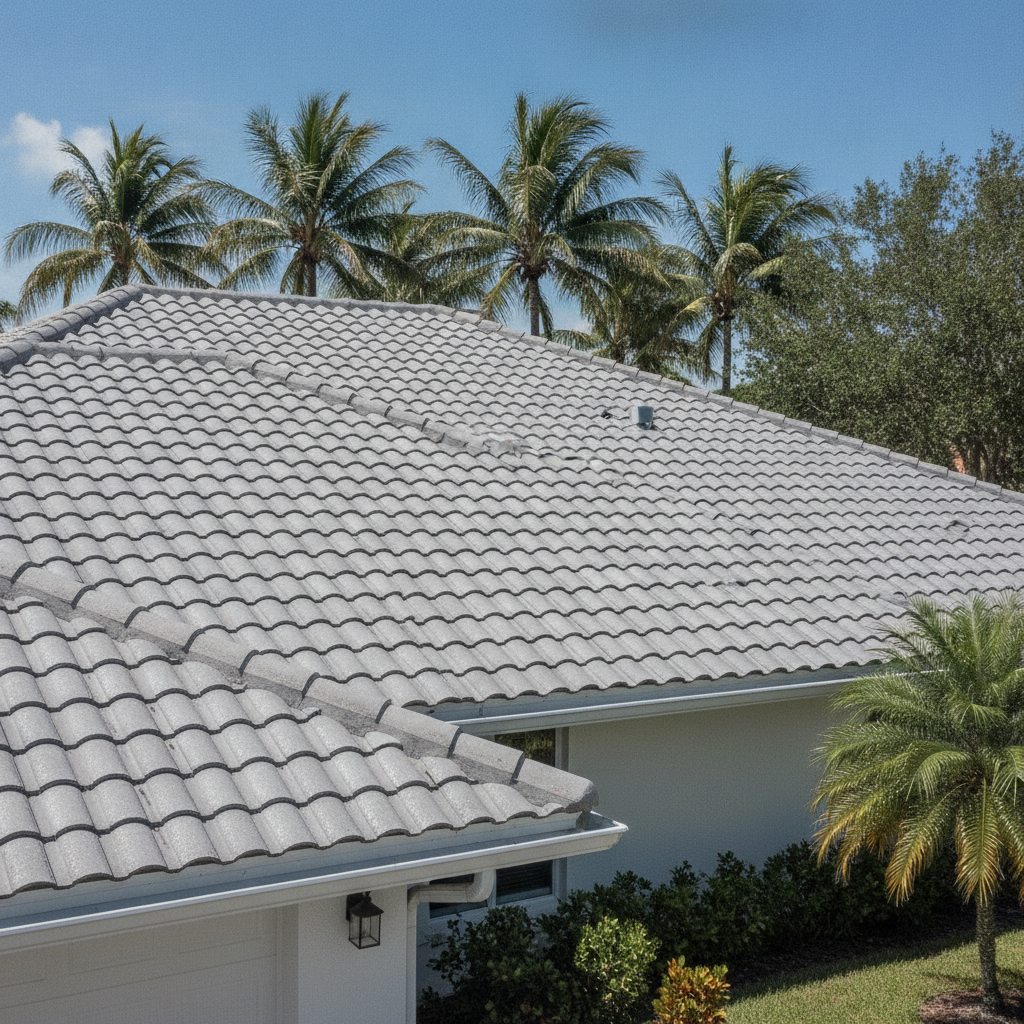
Concrete and clay tile roofs are another premium option, perfectly suited for the Florida climate. These materials are incredibly durable, boasting lifespans of 40-50 years or even longer with proper maintenance. Tiles are highly resistant to salt air, fire, and insects, and their heavy nature provides excellent wind resistance when properly installed according to `Florida Building Code` standards. However, while the tiles themselves are long-lasting, the underlayment beneath them is crucial and typically needs to be replaced around the 20-25 year mark, which can be a significant undertaking.
How Florida’s Climate Accelerates Roof Aging
The primary culprits behind a shortened `roof lifespan florida` are the relentless environmental factors we experience year-round. Intense ultraviolet (UV) radiation from the sun is a constant assault, breaking down the chemical bonds in roofing materials, leading to fading, cracking, and brittleness. High humidity, especially combined with heat, creates an ideal breeding ground for algae, moss, and mildew, which can trap moisture against the roof surface and accelerate degradation, particularly on shingle roofs. This is a common sight across Vero Beach.
Heavy rainfall, often in sudden, torrential downpours, tests the integrity of your roof’s drainage system and can lead to water intrusion if flashing or seals are compromised. Perhaps the most significant threat comes from tropical storms and hurricanes. Even a Category 1 hurricane with 74-95 mph winds can cause significant damage, lifting shingles, tearing off sections of metal, or dislodging tiles. The Florida Building Code has some of the strictest wind uplift requirements in the nation, mandating specific fastening schedules and materials to help roofs withstand these forces, but even the best installation can be tested by a direct hit from a stronger storm like a Category 3 or 4.
Warning Signs of an Aging Roof
Recognizing the warning signs of an aging or damaged roof is crucial for proactive maintenance and preventing costly interior damage. For shingle roofs, look for curling, buckling, or cracked shingles, which indicate advanced UV degradation and moisture absorption. Granule loss, where the protective mineral granules on shingles wear away, exposes the asphalt matting to the elements, significantly shortening its life. You might see these granules accumulating in your gutters.
Other universal signs include missing shingles or tiles, which can expose the underlayment to direct sun and rain. Pay attention to any dark streaks or patches of algae or moss, as these indicate moisture retention and potential organic growth that can deteriorate materials. Inside your home, water stains on ceilings or walls, especially after rain, are undeniable indicators of a leaking roof that requires immediate attention. Sagging sections of the roof deck are a serious structural concern, often pointing to widespread water damage or rot underneath. Don’t wait for these signs to become severe; early detection saves money and protects your investment.
What Vero Beach Homeowners Should Do
As a homeowner in Vero Beach, protecting your roof from Florida’s harsh environment is paramount. Proactive measures can significantly extend your `roof lifespan florida` and save you from unexpected, costly repairs. Here are several actionable steps you should take to maintain your roof’s integrity and ensure your home remains safe and dry.
-
Schedule Regular Professional Inspections
WHY: An annual professional roof inspection is the single most effective way to identify minor issues before they escalate into major, expensive problems. Our experts can spot subtle signs of wear, potential vulnerabilities, or early stages of damage that aren’t visible from the ground. This is especially critical after storm season.
HOW: Contact Florida Roof Bros at least once a year, preferably in late spring or early fall, to have a qualified roofer thoroughly assess your roof’s condition, including flashing, sealants, and overall material integrity. We’ll provide a detailed report and recommendations.
-
Keep Gutters and Downspouts Clear
WHY: Clogged gutters prevent proper water drainage, causing water to back up and sit on your roof’s edge or overflow onto fascia boards. This constant moisture can lead to wood rot, damaged soffits, and premature deterioration of your roof’s edge and underlayment. In Florida, heavy rains mean efficient drainage is non-negotiable.
HOW: Regularly clean your gutters of leaves, twigs, and debris, especially after high winds or heavy rainfall. Consider installing gutter guards to minimize accumulation, but remember they still require occasional checks.
-
Trim Overhanging Tree Branches
WHY: Branches rubbing against your roof can abrade shingles or tiles over time, wearing away protective layers. During storms, falling branches or entire trees pose a significant threat, causing catastrophic damage to your roof and home. This is a common cause of storm damage in Vero Beach.
HOW: Hire a professional arborist to trim any branches that are within 5-10 feet of your roof. Focus on removing dead or weak limbs that could easily break off in high winds. Always prioritize safety and professional expertise for tree work.
-
Promptly Address Minor Repairs
WHY: A single cracked shingle or a small patch of loose flashing might seem insignificant, but it creates an entry point for water. What starts as a minor leak can quickly lead to widespread water damage to your roof deck, insulation, and interior ceilings, significantly impacting your roof’s overall lifespan.
HOW: Don’t delay. If you notice any visible damage, however small, contact Florida Roof Bros immediately. Addressing these issues quickly is far more cost-effective than waiting for a major leak to develop.
-
Monitor and Treat for Algae and Moss
WHY: Florida’s high humidity creates a perfect environment for black algae (Gloeocapsa magma), moss, and lichen to thrive on roofs. These organisms not only look unsightly but can also trap moisture, accelerate granule loss on shingles, and potentially degrade roofing materials over time. This is a truly Florida-specific concern.
HOW: If you notice significant growth, consult with Florida Roof Bros. We can recommend and safely apply appropriate, roof-friendly cleaning solutions or install zinc/copper strips near the ridge to inhibit future growth. Avoid harsh pressure washing, as it can damage your roofing materials.
-
Understand Your Homeowner’s Insurance Policy and Hurricane Preparedness
WHY: In Florida, knowing your insurance coverage for roof damage, especially hurricane-related claims, is crucial. Policies often have specific deductibles, timelines for reporting damage, and requirements for proof of maintenance. Having a hurricane preparedness plan for your home, including your roof, is essential for minimizing damage and navigating claims efficiently.
HOW: Review your insurance policy annually with your agent to understand your roof coverage, deductible, and any specific endorsements for wind or hail. Document your roof’s condition with photos and videos before hurricane season. Have a reputable roofer’s contact information readily available for post-storm inspections.
Frequently Asked Questions
How long do asphalt shingle roofs typically last in Vero Beach, FL’s climate?
In Vero Beach, asphalt shingle roofs generally last between 15 to 25 years, though this can vary significantly. Factors like the quality and type of shingles installed, the precision of the installation, and the roof’s specific exposure to environmental elements all play a role. The intense Florida sun, high humidity, and frequent storm activity common to our region can accelerate wear, reducing the lifespan compared to cooler climates. Regular professional maintenance and prompt repairs are key to maximizing its longevity.
What impact do Florida’s hurricanes and severe weather have on roof lifespan?
Florida’s climate, particularly in Vero Beach, is characterized by frequent hurricanes, tropical storms, and intense thunderstorms, which exert significant stress on roofing materials. High winds can lift, tear, or even entirely remove shingles, while torrential rains often exploit any weaknesses, leading to water intrusion. Beyond immediate, visible damage, the cumulative effect of repeated exposure to these extreme conditions, including hail and flying debris, causes materials to degrade faster, weakening the roof’s structural integrity and ultimately shortening its overall lifespan.
Are there specific maintenance tips to extend my roof’s life in Vero Beach?
Absolutely, proactive maintenance is vital for extending your roof’s life in Vero Beach. Regularly cleaning gutters and downspouts is crucial to prevent water from backing up and seeping under shingles, which can cause rot and leaks. Trimming overhanging tree branches minimizes debris accumulation, which traps moisture, and reduces the risk of impact damage during high winds. After any significant weather event, it’s highly recommended to perform a visual inspection from the ground or, even better, hire a professional to check for subtle damage like loosened fasteners, cracked shingles, or granule loss, addressing any issues promptly before they escalate.
How does a metal roof’s lifespan compare to traditional shingles in Florida?
Metal roofs boast a significantly longer lifespan than traditional asphalt shingles, especially in Florida’s challenging climate. While asphalt shingles typically last 15-25 years, a properly installed metal roof can endure for 40 to 70 years, or even longer. This extended longevity is due to metal’s inherent durability, superior resistance to high winds, fire, and pests, and its ability to reflect solar heat, which also contributes to energy efficiency. Although the initial investment for a metal roof is higher, the long-term savings from less frequent replacement and minimal maintenance often make it a cost-effective choice over its lifespan.
When should I consider a roof inspection, even if I don’t see obvious damage?
It is highly advisable to schedule a professional roof inspection at least once every 1-3 years, even if you don’t observe any visible damage from the ground, particularly in Vero Beach’s climate. Furthermore, after any significant storm, regardless of whether you notice immediate impact, an inspection is crucial. These assessments can identify hidden issues such as loosened fasteners, minor granule loss, or subtle flashing damage that might not be apparent to the untrained eye but could lead to major problems down the line. Regular, proactive inspections help catch small issues early, preventing costly repairs and significantly extending your roof’s overall service life.
Roofing Services Across Central Florida
Florida Roof Bros serves homeowners throughout Brevard County, Pinellas County, and surrounding Central Florida communities. If you need a roof inspection, repair, or replacement in any of these areas, our team is ready to help:
- Palm Bay, FL Roofing
- Melbourne, FL Roofing
- West Melbourne, FL Roofing
- Rockledge, FL Roofing
- Sebastian, FL Roofing
Your Vero Beach Roof: Built to Last, Inspected by Pros
Understanding how long your roof will last in Vero Beach is crucial for smart homeownership, but it’s clear that many factors influence its longevity. From the type of material you choose to the relentless Florida sun and severe weather, each element plays a significant role. The key takeaway is that while materials have inherent lifespans, proactive maintenance and timely professional assessments are paramount to maximizing your roof’s durability and protecting your investment.
Don’t wait for a small issue to become a major headache. If you’re concerned about your roof’s age, have experienced recent storm activity, or simply want peace of mind, a professional evaluation is your best next step. Our experienced team at Florida Roof Bros specializes in assessing roofs in the Vero Beach area, understanding the unique challenges our local climate presents.
We believe in transparent, honest service, which is why we offer 100% free inspections to all homeowners. Let our experts provide a thorough assessment of your roof’s condition, identify any potential weaknesses, and offer clear, actionable recommendations without any obligation. Protect your home and ensure its long-term integrity.
Ready to ensure your roof is in top shape? Take the first step towards a secure home today. Contact Florida Roof Bros for your free, no-obligation inspection. Trust the Pros, Call the Bros at (321) 446-1702. We’re here to help you maintain a safe and reliable roof for years to come.
Need a free roof inspection? Call Florida Roof Bros at (321) 446-1702 or request a free inspection online. Family-owned, no subcontractors, Owens Corning Platinum Preferred. Trust the Pros, Call the Bros.
