

General Roofing
Roofing
How Long Does a Roof Last in Florida?
The gentle hum of your air conditioner provides a constant backdrop to life in Satellite Beach, but outside, the Florida sun is relentless. Day after day, intense UV rays beat down, then sudden thunderstorms roll in, drenching everything in their path. For homeowners across Brevard County, that constant cycle means one thing: your roof is working overtime, silently protecting your most valuable asset. It’s a critical component that often goes unnoticed until a small leak appears, a shingle flies off in a gust of wind, or the tell-tale granules start washing into your gutters.
You might find yourself wondering, as many of your neighbors in Brevard County do, just how much more your roof can take. Understanding the true roof lifespan in Florida isn’t just about curiosity, it’s about smart financial planning and ensuring your home remains a safe, dry haven. This post will help you decipher the complex factors that determine how long your roof will last, giving you a clearer picture of what to expect and how to budget for its eventual replacement.
Here at Florida Roof Bros, a family-owned business deeply rooted in the Central Florida community, we’ve seen it all. With over 25 years of combined experience, our fully in-house crews, never subcontractors, have tackled every roofing challenge the Florida climate can throw our way, from the coastal homes of Satellite Beach to properties further inland. We’re committed to providing transparent, expert advice, and helping you understand the critical role your roof plays in your home’s overall health and value.
As an Owens Corning Platinum Preferred Contractor, we work with top-tier materials and adhere to the highest installation standards, which directly impacts the longevity of your roof system. We believe that an informed homeowner is a confident homeowner, especially when it comes to such a significant investment. Whether you’re planning for the future or dealing with an immediate concern, our goal is to equip you with the knowledge to make the best decisions for your home.
Our commitment to quality and customer satisfaction is reflected in our A+ rating from the BBB and over 300 five-star Google reviews. We are fully licensed, insured, certified, and bonded (FL license CCC1332911), giving you complete peace of mind that you’re working with trusted professionals. When it comes to something as vital as your roof, you deserve expertise you can rely on, and we’re here to provide it. If you have questions about your roof’s condition or need a professional assessment, don’t hesitate to call us at (321) 446-1702.
So, let’s break down what truly dictates how long your roof will stand strong against the elements. From the materials used to the unique environmental challenges specific to areas like Satellite Beach and the wider Brevard County, every detail plays a part in its overall endurance. Knowing these details is the first step in protecting your home and your wallet, ensuring you can “Trust the Pros, Call the Bros” when the time comes.
Understanding Your Roof’s Lifespan in the Florida Climate
The question of “how long does a roof last?” isn’t a simple one, especially not in Florida. Unlike cooler, drier climates, our unique environmental factors significantly accelerate wear and tear on roofing materials. The combination of intense ultraviolet (UV) radiation, high humidity, frequent heavy rainfall, and the constant threat of tropical storms and hurricanes creates a challenging environment for any roof system. These elements work in concert to break down materials faster than in almost any other region in the country.
Consider the sun: Florida receives more intense UV exposure than most states. This constant bombardment causes asphalt shingles to dry out, become brittle, and lose their protective granules at an accelerated rate. For metal roofs, while highly durable, the sun can contribute to thermal expansion and contraction, stressing fasteners and seams over decades. Tile roofs, too, can suffer from sealant degradation and, in some cases, color fading from prolonged sun exposure, though their material integrity usually holds up well.
Then there’s the moisture. High humidity creates an ideal breeding ground for algae, moss, and mildew, particularly on north-facing slopes or shaded areas. While often cosmetic, heavy organic growth can trap moisture against the roof surface, potentially leading to premature material degradation. Furthermore, the sheer volume of rainfall, often delivered in torrential downpours, tests the integrity of flashing, sealants, and drainage systems, revealing any weaknesses over time.
The threat of severe weather, from strong thunderstorms to hurricanes, is perhaps the most obvious factor in reducing a roof’s lifespan. High winds can lift and tear shingles, dislodge tiles, or even deform metal panels, leading to immediate damage that, if not repaired promptly, can compromise the entire roof system. Even seemingly minor wind events can loosen components, creating pathways for water intrusion during subsequent rainfalls. This is why proper installation and adherence to robust building codes are paramount in Florida.
Florida’s building codes are among the strictest in the nation, largely a response to the devastating hurricanes of the early 2000s. These codes mandate stronger attachment methods, higher quality underlayment, and impact-resistant materials in many areas, all designed to enhance a roof’s resilience against severe weather. While these regulations increase initial installation costs, they directly contribute to a longer, more secure roof lifespan, ultimately reducing long-term repair expenses and offering better protection for homeowners in places like Satellite Beach.
Therefore, when discussing the lifespan of your roof, it’s not just about the material you choose, but also the quality of its installation, the specific environmental stresses it faces, and how well it conforms to current building standards. A roof installed to modern Florida codes by an experienced, certified team like Florida Roof Bros will inherently last longer and perform better than one installed with shortcuts or outdated methods. Understanding these foundational elements is crucial before we delve into the specifics of different roofing materials and their expected durability.
Understanding Your Roof’s Lifespan in the Florida Climate
When we talk about how long a roof lasts here in Satellite Beach, it’s not just about the materials; it’s about those materials standing up to everything our unique Florida climate throws at them. From relentless sun to torrential downpours and the ever-present threat of hurricanes, your roof is truly the first line of defense for your home. Knowing what to expect from different roofing types and how our weather impacts them is key to smart homeownership.
Average Lifespan of Common Florida Roofing Materials
In Florida, certain roofing materials are favored for their durability and ability to meet stringent building codes. While national averages for roof lifespans exist, the intense conditions here often mean a slightly shorter, albeit still robust, service life. Here’s a breakdown of what we typically see:
- Architectural Shingles (Laminated Asphalt Shingles): These are a popular choice in Satellite Beach due to their cost-effectiveness and aesthetic appeal. Nationally, they might last 25-35 years, but in Florida, with our intense UV exposure and heat, you’re generally looking at a solid 18-25 years. Quality installation and proper attic ventilation are crucial for reaching the higher end of that range.
- Standing Seam Metal Roofs: Metal roofs are an excellent long-term investment, built to withstand Florida’s challenges. Typically, they can last 40-70 years, often outliving the homeowners themselves. Their durability against wind, rain, and fire, coupled with energy efficiency, makes them a top-tier option, especially for coastal properties where salt air resistance is also a factor.
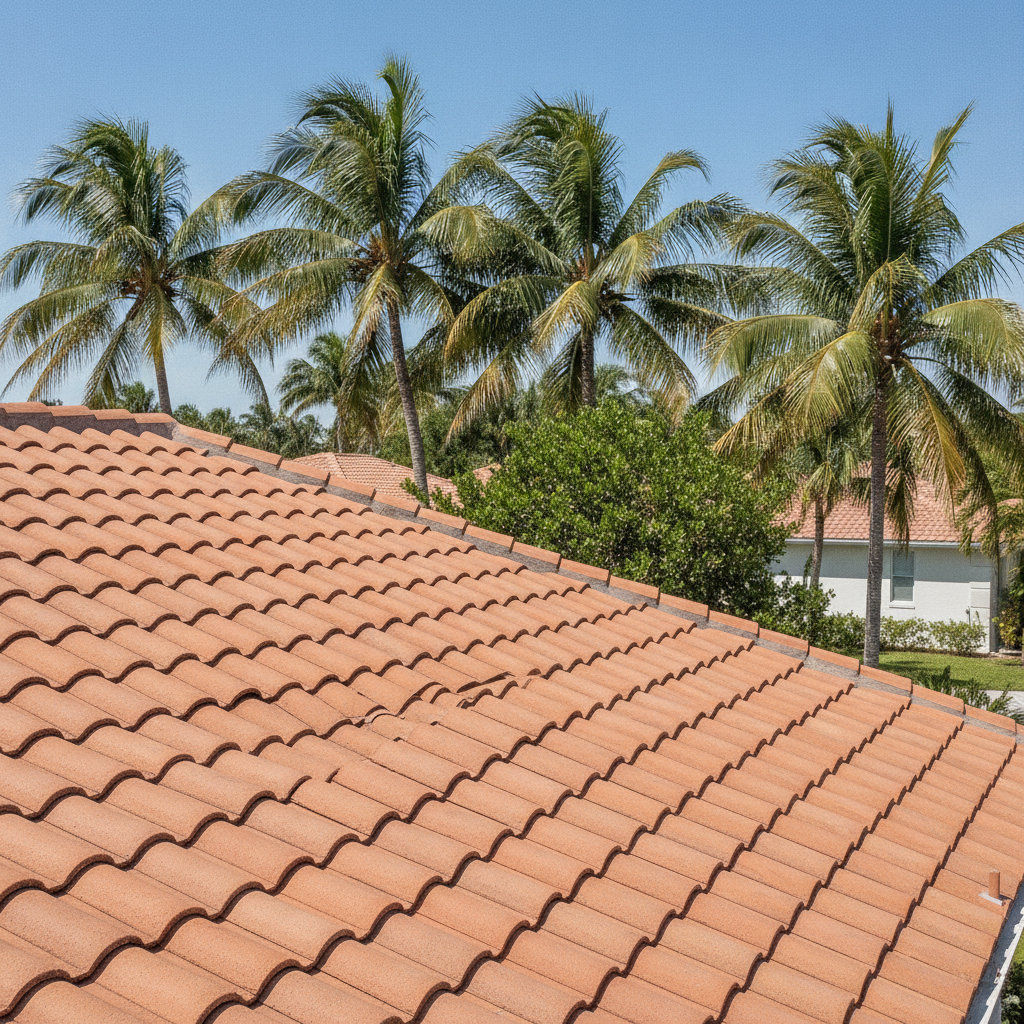
- Concrete and Clay Tile Roofs: These roofs are synonymous with Florida architecture and for good reason. They are incredibly durable and resistant to heat, hail, and high winds. Concrete tiles often last 30-50 years, and some clay tile installations can exceed 75 years with proper care. Their weight and impact resistance make them highly resilient against storm damage.
The actual lifespan will always depend on the quality of the materials, the expertise of the installation, and consistent maintenance. At Florida Roof Bros, we always recommend materials that meet or exceed the Florida Building Code requirements for our specific wind zones.
How Florida’s Climate Challenges Your Roof
Our beautiful Sunshine State comes with a unique set of environmental factors that significantly accelerate the wear and tear on roofing systems:
- Intense UV Radiation: The sun’s powerful ultraviolet rays are a primary culprit, breaking down the chemical bonds in asphalt shingles, causing them to dry out, crack, and lose their protective granules prematurely. For metal roofs, consistent sun exposure can fade colors over time if not properly coated.
- Extreme Heat and Humidity: Constant high temperatures cause materials to expand and contract, which can lead to fatigue and cracking over time, especially at seams and fasteners. High humidity fosters the growth of algae, moss, and mildew, particularly on shingles and tile, which not only looks unsightly but can also retain moisture, leading to premature deterioration.
- Heavy Rains and Tropical Storms: Our rainy season brings daily deluges that constantly test your roof’s waterproofing. Beyond that, the sheer force of tropical storms and hurricanes, with sustained winds often exceeding 100 mph (Category 2 and above), puts immense stress on every component. The Florida Building Code mandates rigorous wind resistance standards, often requiring roofs capable of withstanding winds up to 130-150 mph in coastal areas like Satellite Beach.
- Salt Air Exposure: For homes near the coast, like many in Satellite Beach, salt-laden air can accelerate corrosion on metal flashing, fasteners, and even certain types of metal roofing if not adequately protected with marine-grade coatings.
Understanding these challenges helps us choose and install roofing systems designed to endure, ensuring your home remains protected for as long as possible.
Warning Signs of an Aging or Damaged Roof
Being proactive about roof maintenance means knowing what to look for. Regular visual inspections from the ground can help you spot issues before they become major problems. Here are common warning signs that your roof might be nearing the end of its life or has sustained damage:
- Missing, Cracked, or Curling Shingles: These are clear indicators of wear. Missing shingles expose the underlayment to the elements, while cracks and curls can allow water to seep underneath.
- Granule Loss: For asphalt shingles, granules protect the asphalt from UV rays. If you see bare spots or a significant amount of granules in your gutters, it means your shingles are losing their protective layer.
- Algae, Moss, or Mold Growth: While often just cosmetic, severe or widespread growth indicates moisture retention, which can degrade roofing materials and lead to rot in the underlying structure.
- Water Stains on Ceilings or Walls: This is a definitive sign of a leak, often originating from the roof. Don’t ignore these; they can lead to extensive interior damage and mold growth.
- Sagging Roof Deck: A visible sag in your roofline indicates structural issues, possibly from water damage to the decking or framing, and requires immediate professional assessment.
- Loose or Exposed Fasteners (Metal Roofs): Over time, screws can back out or seals around them can degrade, creating entry points for water.
- Higher Energy Bills: An aging or damaged roof can lead to poor attic ventilation and insulation compromise, causing your HVAC system to work harder to maintain indoor temperatures.
If you notice any of these signs, especially after a significant storm, it’s time to call in the professionals at Florida Roof Bros for a thorough inspection. Catching these issues early can save you from more costly repairs down the line.
What Florida Homeowners Should Do
Protecting your roof in Satellite Beach is an ongoing commitment, not a one-time fix. Given Florida’s demanding climate, proactive steps are essential to maximize your roof’s lifespan and safeguard your home. Here are actionable tips every Florida homeowner should follow:
-
Schedule Regular Professional Roof Inspections:
Why: Even if your roof looks fine from the ground, a professional can spot subtle damages or potential weaknesses that aren’t visible to the untrained eye. Early detection of issues like loose flashing, minor granule loss, or compromised seals can prevent small problems from escalating into expensive repairs or leaks.
How: We recommend at least one annual inspection, preferably in the spring before hurricane season, and another immediately following any significant storm event. A qualified roofer from Florida Roof Bros can provide a comprehensive assessment.
-
Keep Gutters and Downspouts Clear:
Why: Clogged gutters prevent rainwater from draining properly, causing it to pool on your roof or overflow onto fascia boards and landscaping. This standing water can lead to premature shingle deterioration, wood rot, and even foundation issues.
How: Regularly clear leaves, twigs, and debris from your gutters, especially after heavy rains or high winds. Consider installing gutter guards to reduce maintenance frequency.
-
Trim Overhanging Tree Branches:
Why: Branches rubbing against your roof can abrade shingles, tiles, or metal coatings over time. More critically, during a hurricane or strong thunderstorm, falling branches are a common cause of severe roof damage and punctures.
How: Periodically inspect trees near your home. Hire a professional arborist to trim any branches that are within 6-10 feet of your roofline, ensuring they won’t pose a threat during high winds.
-
Address Algae, Moss, and Mold Promptly:
Why: High humidity in Florida makes roofs susceptible to biological growth. Algae, moss, and mold retain moisture, which accelerates the degradation of roofing materials, especially asphalt shingles. Moss can lift shingles, making them vulnerable to wind and water intrusion.
How: Do not power wash your roof, as this can damage shingles and void warranties. Instead, opt for a professional soft-wash roof cleaning service that uses appropriate, roof-safe solutions to kill and remove growth without causing damage.
-
Ensure Proper Attic Ventilation:
Why: Good attic ventilation is critical in Florida’s heat. It helps to expel hot, moist air from your attic, which reduces heat transfer into your living space, lowers energy bills, and prevents moisture buildup that can lead to wood rot and mildew. It also helps to prevent premature aging of your roofing materials by keeping the roof deck cooler.
How: Verify that your home has adequate soffit and ridge vents, or other appropriate ventilation systems. A professional roofer can assess your attic’s ventilation and recommend improvements if needed.
-
Understand Your Roof Warranty and Insurance Policy (Florida-Specific):
Why: Knowing the specifics of your roof’s warranty and your homeowner’s insurance policy is paramount in Florida. Warranties often have specific maintenance requirements, and insurance policies dictate how and when you can file claims, especially after storm damage.
How: Keep copies of your roof material and labor warranties, and understand what conditions might void them. Annually review your homeowner’s insurance policy with your agent, paying close attention to wind deductibles, hurricane clauses, and the specific timelines for filing claims in Florida, typically three years from the date of loss for hurricane damage, but prompt reporting is always best.
Frequently Asked Questions
How long does an asphalt shingle roof typically last in Satellite Beach, FL?
In Satellite Beach, an asphalt shingle roof generally lasts between 15 to 25 years, though some premium products might exceed this. This range can vary significantly based on the quality of the shingles, the installation workmanship, and the specific exposure to Florida’s intense sun, humidity, and frequent storms. Regular maintenance, including cleaning and minor repairs, can help extend its life towards the higher end of this spectrum, ensuring it performs optimally for longer.
What specific environmental factors shorten a roof’s lifespan in Florida’s climate?
Florida’s unique climate presents several aggressive environmental challenges that can significantly reduce a roof’s lifespan. Intense UV radiation from the relentless sun degrades roofing materials over time, leading to brittleness and granule loss on shingles. High humidity encourages the pervasive growth of mold, mildew, and algae, which can compromise material integrity and aesthetics. Furthermore, frequent heavy rains, strong winds, and the constant threat of hurricanes during storm season contribute significantly to wear and tear, loosening shingles, compromising seals, and accelerating deterioration.
Are metal roofs truly more durable against hurricanes and severe weather in Florida compared to other materials?
Yes, metal roofs are widely considered one of the most durable and resilient options for Florida’s hurricane-prone environment. Their interlocking panels and superior fastening systems make them exceptionally resistant to high winds, often rated to withstand speeds exceeding 150 mph, and they are less susceptible to damage from flying debris. While the initial investment might be higher, their longevity, resistance to fire, and ability to shed water efficiently offer excellent long-term protection and peace of mind compared to traditional asphalt shingles.
How often should I have my roof inspected in Florida to maximize its lifespan and prevent premature failure?
To significantly maximize your roof’s lifespan in Florida, it’s highly recommended to have it professionally inspected at least once a year, ideally before or immediately after the hurricane season. This proactive approach allows for the early detection of minor issues caused by sun, rain, or wind, preventing them from escalating into costly repairs or major structural damage. Additionally, a thorough inspection should always be conducted immediately after any significant storm or unusual weather event to assess potential impacts.
What are the key visual signs that my roof in Satellite Beach may need to be replaced soon?
There are several critical visual indicators that your roof in Satellite Beach might be nearing the end of its serviceable life and require replacement. These include widespread missing, cracked, or curled shingles, significant granule loss leading to bare spots, and dark streaks or extensive moss/algae growth that indicates moisture retention. Other serious signs are visible sagging in the roof deck, water stains on your interior ceilings or walls, or daylight visible through your attic. If your roof is approaching or past its expected lifespan, these signs become even more urgent and warrant immediate professional assessment.
Roofing Services Across Central Florida
Florida Roof Bros serves homeowners throughout Brevard County, Pinellas County, and surrounding Central Florida communities. If you need a roof inspection, repair, or replacement in any of these areas, our team is ready to help:
- Palm Bay, FL Roofing
- Melbourne, FL Roofing
- West Melbourne, FL Roofing
- Rockledge, FL Roofing
- Vero Beach, FL Roofing
Secure Your Home with Florida Roof Bros
Understanding how long your roof lasts in Florida, especially in areas like Satellite Beach, is crucial for proactive home maintenance and protecting your investment. Factors like material quality, installation expertise, and consistent exposure to our unique climate, intense sun, high humidity, and powerful storms, all play significant roles in determining your roof’s lifespan. While different materials offer varying degrees of durability, regular professional assessment and timely intervention are universally key to extending your roof’s service life and ensuring your home remains safe and dry.
Don’t wait for a small issue to become a major problem that compromises your home’s integrity and your peace of mind. If you’re concerned about the age or condition of your roof, or if you’ve recently experienced severe weather, the best step you can take is to get a professional evaluation. Florida Roof Bros offers 100% free, no-obligation roof inspections to homeowners in Satellite Beach and the surrounding areas. Our experienced team will thoroughly assess your roof’s current state, provide an honest report, and recommend the most effective solutions tailored to your needs and budget.
Take the guesswork out of roof maintenance and make an informed decision about your home’s most vital protection. Schedule your complimentary inspection today and let our experts provide you with the clarity and confidence you deserve. For reliable service and exceptional craftsmanship, trust the pros, call the Bros!
Reach out to Florida Roof Bros at (321) 446-1702 to schedule your free inspection and ensure your roof is ready to withstand whatever Florida’s weather brings.
Need a free roof inspection? Call Florida Roof Bros at (321) 446-1702 or request a free inspection online. Family-owned, no subcontractors, Owens Corning Platinum Preferred. Trust the Pros, Call the Bros.
