

General Roofing
Roofing
How Long Does a Roof Last in Florida?
You’re enjoying a quiet morning coffee on your lanai in Pinellas County, the sun already warming the air, when a sudden thought strikes you. Perhaps a neighbor just had their roof replaced, or you spotted a few stray granules in your gutter after the last afternoon downpour. Immediately, your mind shifts to your own roof, the silent guardian over your home and family. How long has it been up there? Is it doing its job effectively? More importantly, how much longer can you realistically expect it to last in Florida’s unique climate? It’s a question every homeowner faces, and often, the answers circulating can be confusing or even misleading.
Understanding the true lifespan of a roof in a place like Pinellas County isn’t as simple as checking a manufacturer’s label. Our intense sunshine, relentless humidity, and the ever-present threat of tropical storms and hurricanes create a very different environment than what roofs experience in cooler, drier regions. This blog post aims to cut through the common myths and provide you with clear, accurate information on what truly influences your roof’s longevity, helping you make informed decisions about one of your home’s most critical components.
Many homeowners operate under assumptions that don’t quite align with the realities of Florida weather or modern roofing technology. You might hear someone say their roof is “good for 25 years” without considering the material type, the quality of installation, or the specific stresses it endures daily. These misconceptions can lead to unexpected expenses, premature roof failure, or even a lapse in home insurance coverage if issues are left unaddressed. We want to empower you with the knowledge to protect your investment and ensure your peace of mind.
Here at Florida Roof Bros, we understand these concerns intimately because we are a family-owned business deeply rooted in the communities we serve, including all of Brevard County, Pinellas County, and Central Florida. With over 25 years of combined experience, our in-house crews , never subcontractors , have seen firsthand what works and what doesn’t under the Florida sun. We’ve built our reputation on transparency and expertise, holding an A+ rating with the BBB and earning over 300 five-star Google reviews. If you ever have questions specific to your home, don’t hesitate to call us directly at (321) 446-1702.
By the end of this discussion, you’ll have a much clearer picture of what factors truly dictate your roof’s lifespan in Florida, debunking some pervasive myths along the way. We’ll explore how different roofing materials stand up to our climate, the crucial role of quality installation, and how the state’s stringent building codes play a part. This foundational understanding is key to recognizing when your roof might be approaching the end of its service life, helping you plan proactively rather than reacting to an emergency.
Deconstructing Roof Lifespan: Beyond the Brochure in Florida
When you first look into how long a roof should last, you might encounter broad estimates like “20-30 years for asphalt shingles” or “50+ years for metal.” While these numbers offer a starting point, they often represent ideal conditions far removed from the everyday reality of a roof in Florida. The foundational knowledge for understanding roof lifespan here begins with acknowledging that our environment is an extreme stress test for any building material. It’s not just about the occasional hurricane; it’s the constant, cumulative assault that truly dictates longevity.
Consider the relentless Florida sun, particularly in Pinellas County, where UV radiation is intense year-round. This constant solar exposure causes materials to break down over time, fading colors, drying out asphalt shingles, and weakening sealants. Then there’s the pervasive humidity, which fosters mold, mildew, and algae growth, especially in shaded areas or on north-facing slopes. These organic growths not only diminish your roof’s aesthetic appeal but can also retain moisture, accelerating material degradation and compromising its protective qualities.
Beyond the daily grind, Florida’s unique climate also includes significant thermal cycling. Day after day, your roof experiences extreme temperature swings, from scorching hot afternoons to cooler, damp evenings. This continuous expansion and contraction stress materials, leading to cracking, buckling, and granule loss on asphalt shingles. Even the most robust roofing components are subject to this fatigue, which is why quality of material and installation, especially flashing and ventilation, becomes paramount.
Another critical factor is Florida’s stringent building codes, particularly the Florida Building Code, which is among the toughest in the nation due to our susceptibility to hurricanes. Any new roof installation or major repair must adhere to these codes, which dictate everything from fastener patterns and underlayment specifications to wind uplift resistance. As a licensed, insured, certified, and bonded contractor (FL license CCC1332911), Florida Roof Bros ensures every installation meets or exceeds these requirements. These codes are not just bureaucratic hurdles; they are designed to enhance your roof’s resilience and, by extension, its lifespan against severe weather.
The myth that all roofs are created equal, or that a cheap installation will perform the same as a quality one, is particularly dangerous in Florida. The type of roofing material you choose, from traditional asphalt shingles to more durable options like metal or tile, inherently affects its potential lifespan. Furthermore, the expertise of the installation crew, the quality of underlayment, and the precision of flashing all play a far more significant role than many homeowners realize. A roof is a system, and each component must perform optimally to achieve its maximum potential longevity.
Understanding these foundational elements , the climate’s daily assault, the thermal cycling, the critical role of building codes, and the difference quality materials and installation make , is essential for setting realistic expectations about your roof’s lifespan. It clarifies why a roof in Florida might not last as long as the same roof in a milder climate, and why investing in a reputable contractor like Florida Roof Bros, an Owens Corning Platinum Preferred Contractor, is not just about curb appeal, but about long-term protection and value. Trust the Pros, Call the Bros.
Understanding Your Roof’s True Lifespan in Florida
When you live in Pinellas County, your roof isn’t just a cover; it’s your home’s primary defense against a relentless environment. Unlike roofs in more temperate zones, a Florida roof faces constant assault from intense UV radiation, torrential downpours, high humidity, and the ever-present threat of hurricane-force winds. These unique climatic pressures significantly impact how long your roof will truly last, often shortening the expected lifespan compared to national averages. Understanding these factors and the specific performance of common roofing materials is crucial for any homeowner in the Sunshine State.
Lifespan by Common Roofing Material in Pinellas County
The material you choose for your roof plays a massive role in its longevity here in Florida. We commonly see a few main types of roofing, each with its own characteristics and typical lifespan under our challenging conditions.
Architectural Shingles: These are a popular choice due to their aesthetic appeal and relative affordability. While nationally they might last 20-30 years, in Pinellas County, due to the intense sun and heat, you can realistically expect architectural shingles to last between 15 and 25 years. Granule loss, which protects the asphalt from UV, accelerates here, often leading to earlier degradation. All shingles installed today must meet stringent wind uplift requirements, often rated for 130 mph, as mandated by the Florida Building Code.
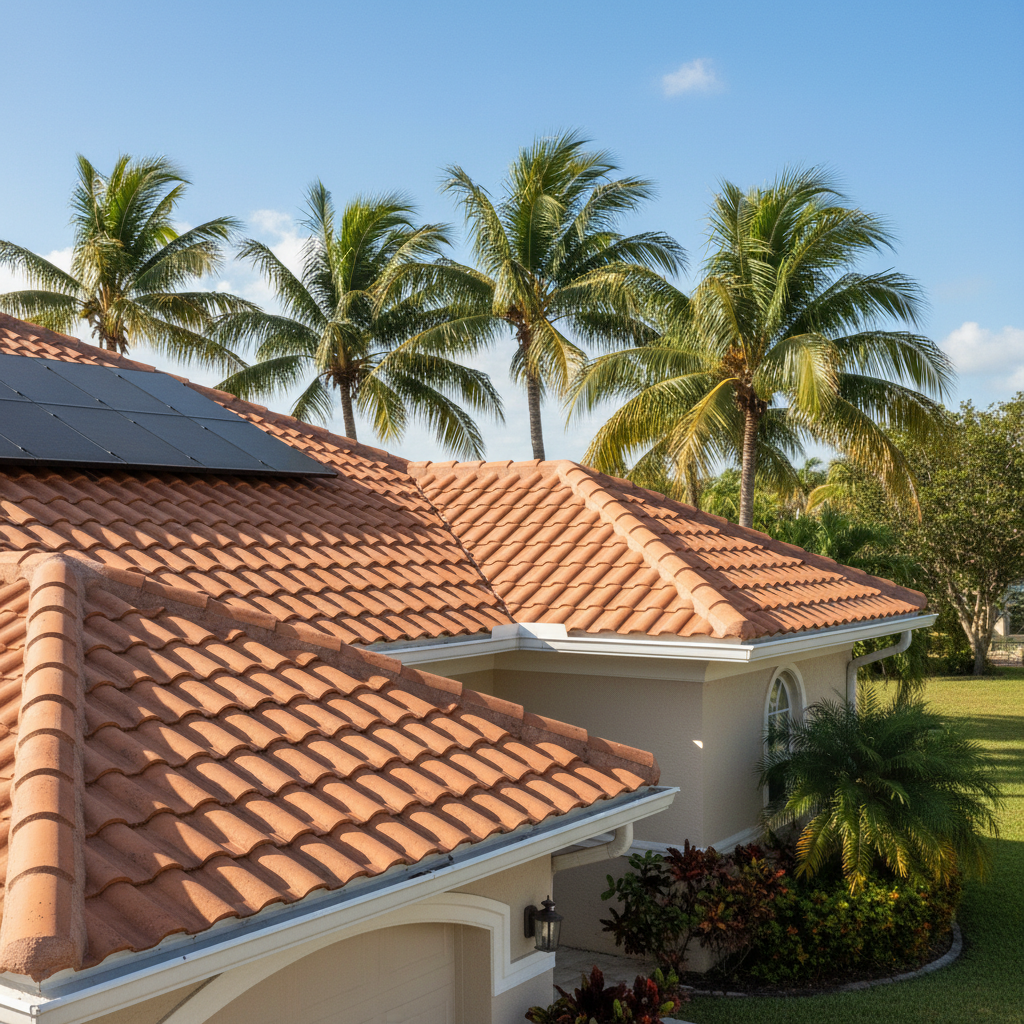
Concrete or Clay Tile: Known for their beauty and exceptional durability, tile roofs are a common sight in Florida. These materials themselves are incredibly long-lasting, often performing for 30 to 50 years, and sometimes even longer. The key to their longevity in Florida lies with the underlayment beneath the tiles. A high-quality, durable underlayment, correctly installed according to Florida Building Code, is essential to protect against moisture intrusion when tiles inevitably shift or crack over decades of exposure.
Standing Seam Metal: For homeowners seeking maximum durability and longevity, standing seam metal roofs are an excellent investment. These systems are incredibly resilient against wind, rain, and UV exposure, and are often rated to withstand hurricane-force winds exceeding 150 mph. In Florida, you can expect a properly installed standing seam metal roof to last 40 to 70 years, often outliving the homeowners themselves. While the upfront cost is higher, their longevity and energy efficiency provide significant long-term value.
How Florida’s Climate Accelerates Roof Aging
It’s not just the big storms; it’s the daily grind of Florida weather that wears down your roof. The constant environmental stressors significantly accelerate the aging process of all roofing materials.
Intense UV Radiation and Heat: Florida boasts some of the highest UV indexes in the country. This relentless sun exposure breaks down roofing materials at a faster rate than in cooler climates. Asphalt shingles dry out, become brittle, and lose their protective granules prematurely. Sealants and membranes on all roof types also degrade under the constant thermal expansion and contraction caused by extreme temperature swings between day and night.
High Humidity and Persistent Moisture: Our high humidity levels, coupled with frequent rain, create an ideal breeding ground for mold, mildew, and algae. These growths don’t just look unsightly; they can retain moisture, leading to premature deterioration of shingles, wood components, and underlayments. Areas of your roof that receive less direct sunlight, like north-facing slopes, are particularly susceptible to this biological growth.
Wind and Hurricane Activity: Even outside of named storms, Florida experiences frequent strong thunderstorms that bring high winds. These constant wind forces, combined with debris, can loosen shingles, lift flashing, and generally weaken the roof system over time. Of course, the threat of hurricanes, ranging from Category 1 (74-95 mph) to devastating Category 5 (157+ mph) storms, represents the ultimate test for any Florida roof, demanding adherence to the strictest wind-resistant provisions of the Florida Building Code.
Warning Signs Your Pinellas County Roof is Nearing the End
Being proactive about roof maintenance and understanding the signs of wear can save you significant headaches and money down the line. Don’t wait for a major leak to tell you it’s time for a new roof.
- Visible Damage on Shingles: Look for missing, cracked, curled, or buckling shingles. Granule loss, where the protective gravel-like coating on asphalt shingles washes away, is also a critical indicator, often leaving bald spots or accumulating in gutters.
- Dark Streaks or Algae Growth: While often just cosmetic, extensive black streaks or green algae indicate moisture retention, which can accelerate deterioration of the shingle surface and underlying wood.
- Sagging Roof Deck: If you notice any areas of your roof that appear to be sagging or drooping, this is a serious structural concern that requires immediate professional assessment. It could indicate compromised decking or framing due to long-term moisture damage.
- Water Stains or Moisture Indoors: Any water stains on your ceilings or walls, especially after rain, are clear signs of a leak. Don’t ignore musty odors in your attic, as they can indicate hidden moisture and potential mold growth.
- High Energy Bills: An aging roof with compromised insulation or poor ventilation will struggle to keep your home cool, leading to significantly higher energy consumption and utility bills.
Regular inspections, both by the homeowner from the ground and by a qualified professional, are essential for catching these warning signs early. Addressing minor issues promptly can sometimes extend your roof’s life, but understanding when it’s truly time for a full replacement is key to protecting your home.
Proactive Steps for Pinellas County Homeowners to Extend Roof Lifespan
As homeowners in Pinellas County, you have a significant role in maximizing your roof’s lifespan and protecting your investment. Proactive maintenance and informed decisions can delay the need for a costly replacement and ensure your home remains safe and dry. Here are practical steps you should take.
-
Schedule Regular Professional Roof Inspections:
WHY: A professional roofer can identify subtle damage, weak spots, or potential issues that are not visible from the ground, especially after storms. Catching small problems early prevents them from escalating into major, expensive repairs.
HOW: Aim for an annual inspection, ideally in the spring or fall. Always get an inspection after any significant weather event, such as a tropical storm or hurricane, even if no obvious damage is apparent.
-
Keep Your Roof and Gutters Clean and Clear:
WHY: Debris like leaves, branches, and pine needles can trap moisture, leading to mold, mildew, and rot. Clogged gutters prevent proper drainage, causing water to back up under shingles and along fascia boards, leading to wood damage and leaks.
HOW: Regularly clear your gutters of debris. Trim overhanging tree branches to prevent them from scraping the roof surface and dropping leaves. For algae or moss growth, consider a professional soft wash treatment, as high-pressure washing can damage shingles.
-
Address Repairs Promptly, No Matter How Small:
WHY: In Florida’s climate, a small leak or a single missing shingle can quickly lead to extensive water damage, mold growth, and compromised structural integrity. Water finds the path of least resistance, and even a tiny entry point can cause significant interior damage over time.
HOW: If you notice any signs of damage, such as a loose shingle, a small stain on your ceiling, or a drip, contact a reputable local roofer immediately for an assessment and repair. Do not delay, as Florida’s frequent heavy rains will exploit any weakness.
-
Ensure Adequate Attic Ventilation:
WHY: Proper attic ventilation is critical in Florida. It helps dissipate the extreme heat that builds up in your attic, which can prematurely age your roof shingles from below. Good ventilation also reduces humidity in the attic, preventing condensation, mold, and wood rot.
HOW: Ensure you have clear, unobstructed soffit vents for intake and ridge or gable vents for exhaust. If your attic feels excessively hot or damp, consult with a professional to assess your ventilation system and potentially install additional vents or an attic fan.
-
Understand Your Homeowner’s Insurance Policy and Florida Building Code:
WHY: Florida’s unique insurance landscape and stringent building codes mean you need to be well-informed. Knowing your policy limits, deductibles, and timelines for filing claims after storm damage is crucial. Ensuring any roof repairs or replacements adhere to the latest Florida Building Code protects your home’s integrity and future insurability.
HOW: Review your insurance policy annually with your agent. Understand your wind mitigation credits and what documentation you need. When hiring a contractor, always verify they are licensed, insured, and deeply familiar with current Florida Building Code requirements for wind uplift and materials, especially if you live in a high-velocity hurricane zone.
-
Be Wary of “Storm Chasers” After Major Weather Events:
WHY: Unfortunately, after hurricanes or severe storms, out-of-state contractors often flock to affected areas, sometimes engaging in predatory practices, performing shoddy work, or disappearing before the job is complete. These “storm chasers” often lack local licenses or knowledge of Florida-specific codes.
HOW: Always choose a local, well-established roofing company like Florida Roof Bros with a strong reputation in Pinellas County. Verify their licensing and insurance, ask for local references, and never feel pressured into signing a contract immediately after a storm.
-
Plan Ahead for Your Roof Replacement:
WHY: A roof replacement is a significant investment. By planning ahead, you can budget accordingly, research material options, and choose the best time for the project, avoiding emergency situations that often lead to hurried decisions and higher costs.
HOW: If your roof is approaching the end of its expected lifespan (e.g., 15-20 years for shingles), start getting quotes and exploring options. Consider upgrading to more durable, energy-efficient materials that offer better protection against Florida’s climate, potentially saving you money on insurance and energy bills in the long run.
Frequently Asked Questions
How often should I have my roof inspected in Pinellas County, FL?
Regular inspections are paramount due to Florida’s intense sun, high humidity, and frequent storm activity, which accelerate wear and tear on roofing materials. We recommend a professional inspection at least once a year, and definitively after any significant weather event, to identify and address minor issues proactively before they escalate into costly problems. This vigilance is key to maximizing your roof’s lifespan in Pinellas County.
Does living near the coast in Pinellas County affect my roof’s lifespan?
Absolutely, living near the coast in areas like St. Pete Beach or Dunedin exposes roofs to higher humidity, corrosive salt spray, and stronger winds. These environmental factors significantly accelerate the degradation of roofing materials, potentially reducing their lifespan by years if not properly installed or maintained with coastal conditions in mind. Choosing materials highly resistant to these elements is crucial for long-term durability.
What are the most durable roofing materials for homes in Pinellas County, FL?
For superior durability in the demanding Florida climate, metal roofing and tile roofing (concrete or clay) are often considered top choices, frequently lasting 30-50+ years with appropriate care. High-quality architectural asphalt shingles also provide robust protection and good longevity, typically 20-30 years, especially those specifically engineered for high winds and UV exposure common in Pinellas County. The best choice ultimately depends on your budget, aesthetic preferences, and specific location.
Can regular maintenance truly extend the life of my asphalt shingle roof in Pinellas County?
Yes, consistent and proactive maintenance is absolutely vital for extending the lifespan of any roof, especially asphalt shingles, in the Florida climate. This includes routine cleaning to prevent destructive mold and algae growth, ensuring gutters are clear of debris, and promptly addressing any damaged, cracked, or missing shingles. Such diligent care can effectively add several valuable years to your roof’s service life, protecting your investment.
What are the key signs I need a roof replacement in Clearwater, FL, beyond just age?
Beyond mere age, critical signs indicating a need for roof replacement in areas like Clearwater include widespread curling, buckling, or missing shingles, particularly after a storm, and significant granule loss visible in gutters. Extensive dark streaks signifying algae or moss, or interior water stains on ceilings or walls, are also undeniable indicators that your roof’s integrity is compromised and requires immediate professional assessment. Addressing these issues quickly can prevent further structural damage.
Roofing Services Across Central Florida
Florida Roof Bros serves homeowners throughout Brevard County, Pinellas County, and surrounding Central Florida communities. If you need a roof inspection, repair, or replacement in any of these areas, our team is ready to help:
- Palm Bay, FL Roofing
- Melbourne, FL Roofing
- West Melbourne, FL Roofing
- Rockledge, FL Roofing
- Vero Beach, FL Roofing
Protecting Your Pinellas County Roof for the Long Haul
Understanding how long your roof will last in Pinellas County, Florida, involves a complex interplay of factors, from the specific roofing material you choose to the quality of its installation and the diligence of its ongoing maintenance. While Florida’s intense sun, high humidity, and frequent storm activity present unique challenges, proactive care and informed decisions can significantly extend your roof’s lifespan, ensuring it continues to protect your home and family for decades to come. Investing in durable materials and professional service is the best way to safeguard your property against the elements.
Don’t wait for a small issue to become a major headache. Regular, professional inspections are your best defense against premature roof failure and costly repairs. Catching minor wear and tear, storm damage, or early signs of degradation allows for timely interventions that can add years to your roof’s life and maintain its protective integrity. Being proactive today can save you significant time, money, and stress down the road.
If you’re unsure about the current condition or remaining lifespan of your roof in Pinellas County, let the experts at Florida Roof Bros provide clarity and peace of mind. We offer 100% free, no-obligation roof inspections, providing you with a comprehensive assessment and honest recommendations tailored to your home’s specific needs. Our experienced team is ready to help you make the best decisions for your roof and your budget. For a free inspection and expert advice, call us today at (321) 446-1702. Trust the Pros, Call the Bros!
Need a free roof inspection? Call Florida Roof Bros at (321) 446-1702 or request a free inspection online. Family-owned, no subcontractors, Owens Corning Platinum Preferred. Trust the Pros, Call the Bros.
