

General Roofing
Insurance
Roofing
Storm Damage
How Long Does a Roof Last in Florida?
That familiar rumble of thunder in the distance, followed by the relentless drum of rain on your roof in Rockledge, is a sound every Florida homeowner knows well. Perhaps you’ve noticed a few granules in the gutters after a gusty afternoon storm, or maybe a small water spot has appeared on your ceiling, prompting that nagging question: “How much life does my roof truly have left?” It’s a question that weighs heavily on the minds of many in Brevard County, especially given our state’s unique and often severe weather patterns. Understanding your roof’s condition and expected longevity is not just about maintenance, it’s about safeguarding your entire home and family.
The dilemma often isn’t just about whether your roof needs attention, but rather when that attention should come in the form of a minor repair, a significant overhaul, or a complete replacement. This decision becomes even more complicated when you consider the role of homeowner’s insurance. Should you file a claim for recent storm damage, or is your roof simply reaching the end of its natural life, making a new investment the more prudent long-term solution? Navigating the complexities of roof replacement versus filing an insurance claim requires careful consideration and accurate information.
Many factors influence the true roof lifespan in Florida, far beyond just the age of the shingles themselves. The relentless sun, oppressive humidity, powerful tropical storms, and even the salty air near our coasts all contribute to the accelerated wear and tear on roofing materials. What might last 20 years in a milder climate could easily see its effective life significantly shortened here in Central Florida. Knowing these regional specifics is crucial for making informed decisions about your property.
That’s where having a trusted local partner like Florida Roof Bros makes all the difference. As a family-owned business serving Brevard County, including Rockledge, we pride ourselves on our transparent approach and commitment to our community. We never use subcontractors; every project is handled by our dedicated, in-house crews, ensuring consistent quality and accountability from start to finish. With over 25 years of combined experience, we bring a deep understanding of Florida’s specific roofing challenges to every home we serve.
Our reputation as an Owens Corning Platinum Preferred Contractor, coupled with an A+ rating from the Better Business Bureau and over 300 five-star Google reviews, reflects our unwavering dedication to excellence and customer satisfaction. We are fully licensed, insured, certified, and bonded (FL license CCC1332911), giving you complete peace of mind that you’re working with true professionals. Whether you’re considering a repair or a full replacement, or simply need an expert opinion on your roof’s condition, we’re here to help guide you through the options. Don’t hesitate to call the Bros for trusted advice at (321) 446-1702.
This guide aims to demystify the process, helping you understand the tell-tale signs of an aging roof and the critical distinctions between what insurance might cover versus what constitutes a necessary capital improvement. We’ll equip you with the knowledge to assess your roof’s remaining life, understand the impacts of our unique climate, and ultimately make the most informed decision for your Rockledge home, ensuring its protection for years to come.
Understanding Your Roof’s Lifespan in the Florida Climate: Replace vs. Claim
Florida’s climate is undeniably beautiful, but it’s also relentlessly harsh on residential roofing systems. The intense ultraviolet (UV) radiation from our nearly year-round sunshine is a primary culprit, breaking down asphalt shingles and tile coatings at an accelerated rate compared to other regions. This constant sun exposure causes materials to become brittle, leading to cracking, curling, and granular loss on shingles, which compromises their protective capabilities much faster than homeowners might anticipate.
Beyond the sun, the extreme heat and pervasive humidity create an ideal environment for mold, mildew, and algae growth, especially in shaded areas or on north-facing slopes. These organic growths can trap moisture against the roof surface, further degrading materials and even leading to rot in underlying structures if left unaddressed. Furthermore, the frequent, heavy downpours and strong winds associated with our afternoon thunderstorms and occasional tropical systems exert immense physical stress, loosening shingles, lifting flashing, and exposing critical areas to water intrusion.
Another critical factor influencing roof longevity and replacement decisions in Florida is our stringent and evolving building codes. Following significant hurricane events, Florida’s building codes are routinely updated to enhance structural integrity and wind resistance. For instance, if your roof sustained damage and more than 25% of its surface area needs repair, current Florida building codes often mandate that the entire roof must be brought up to the latest code standards. This “25% rule” can significantly impact whether a repair is feasible or if a full replacement becomes necessary, often a key point of discussion with insurance providers.
The material of your roof also plays a significant role in its expected lifespan under these conditions. While a standard three-tab asphalt shingle roof might have a manufacturer’s rating of 20-25 years, its effective life in Florida can often be closer to 12-18 years due to the climate’s severe impact. Architectural shingles, known for their durability, typically last longer, perhaps 15-25 years. Metal roofs, while a larger initial investment, offer superior longevity, often exceeding 30-50 years, and tile roofs can last upwards of 50 years or more with proper maintenance, though their underlayment will likely need attention sooner.
When considering whether to replace your roof proactively versus waiting for a claimable event, it’s essential to recognize the signs of an aging system. Granule loss, curling or buckling shingles, missing shingles, dark streaks, and especially any visible leaks or water stains inside your home are all indicators that your roof is nearing or has exceeded its effective lifespan. Proactive replacement allows you to choose your materials, schedule the work on your terms, and potentially avoid the stress and emergency costs associated with a catastrophic failure during hurricane season. It’s often a smart investment to protect your home’s value and integrity.
Conversely, an insurance claim typically comes into play when your roof sustains sudden and accidental damage, such as from a named storm, falling debris, or high winds. Homeowner’s insurance policies are generally designed to cover unexpected perils, not gradual wear and tear or deterioration due to age. Understanding the distinction is vital. If a recent storm has caused visible damage, documenting it thoroughly and contacting your insurer promptly is crucial. However, if your roof is simply old and failing due to years of sun and rain, an insurance claim for “wear and tear” will likely be denied, making a planned replacement the necessary course of action.
The decision point often occurs when an older roof suffers damage that might otherwise be repairable on a newer system. An insurance adjuster might determine that while there is storm damage, the underlying condition of the roof due to age and wear means that a full replacement is required, but only the depreciated value of the damaged portion is covered, leaving the homeowner with a significant out-of-pocket expense for the rest. This scenario underscores why a professional roof assessment from a reputable local company like Florida Roof Bros is invaluable. We can provide an unbiased evaluation, helping you understand your roof’s true condition and guiding you toward the most cost-effective and protective solution for your home in Rockledge.
Understanding Your Roof’s Lifespan in the Florida Climate
Living in Rockledge, you know that Florida weather is beautiful, but it’s also incredibly demanding on your home, especially your roof. While a roof might last 25-30 years in a more temperate climate, the realities of the Sunshine State significantly impact your roof’s lifespan. From relentless UV radiation to torrential downpours and hurricane-force winds, understanding how long your roof will truly last here in Florida is crucial for proactive home maintenance and informed insurance decisions. We’ll break down common roofing materials and what you can realistically expect from them in our unique environment.
Common Roofing Materials and Their Florida Lifespans
The type of roofing material on your home is the primary factor determining its longevity. Each material reacts differently to Florida’s harsh conditions, and while manufacturers provide general estimates, local experience often paints a more realistic picture.
Architectural Shingles: These are the most common roofing material across the country, and for good reason. They are affordable, versatile, and offer decent protection. Nationally, architectural shingles often carry warranties of 30-50 years, but here in Florida, you should realistically expect them to last closer to 15-25 years. The intense sun, high humidity, and frequent severe storms accelerate the degradation of the asphalt and granules. Modern architectural shingles installed to Florida Building Code standards are designed to withstand winds up to 130 mph, crucial for our hurricane seasons, but even with this resilience, the cumulative stress takes its toll.
Standing Seam Metal Roofing: Metal roofs are a significant upgrade in terms of durability and longevity, and they’ve become increasingly popular in Florida. While the initial investment is higher, a quality standing seam metal roof can last anywhere from 30 to 50+ years in our climate. Made from robust materials like galvalume steel or aluminum, they are exceptionally resistant to wind, fire, and pests. Their reflective properties also help reduce cooling costs, a welcome benefit in our scorching summers. Metal roofs handle thermal expansion and contraction well, making them ideal for Florida’s wide temperature swings from morning to afternoon.
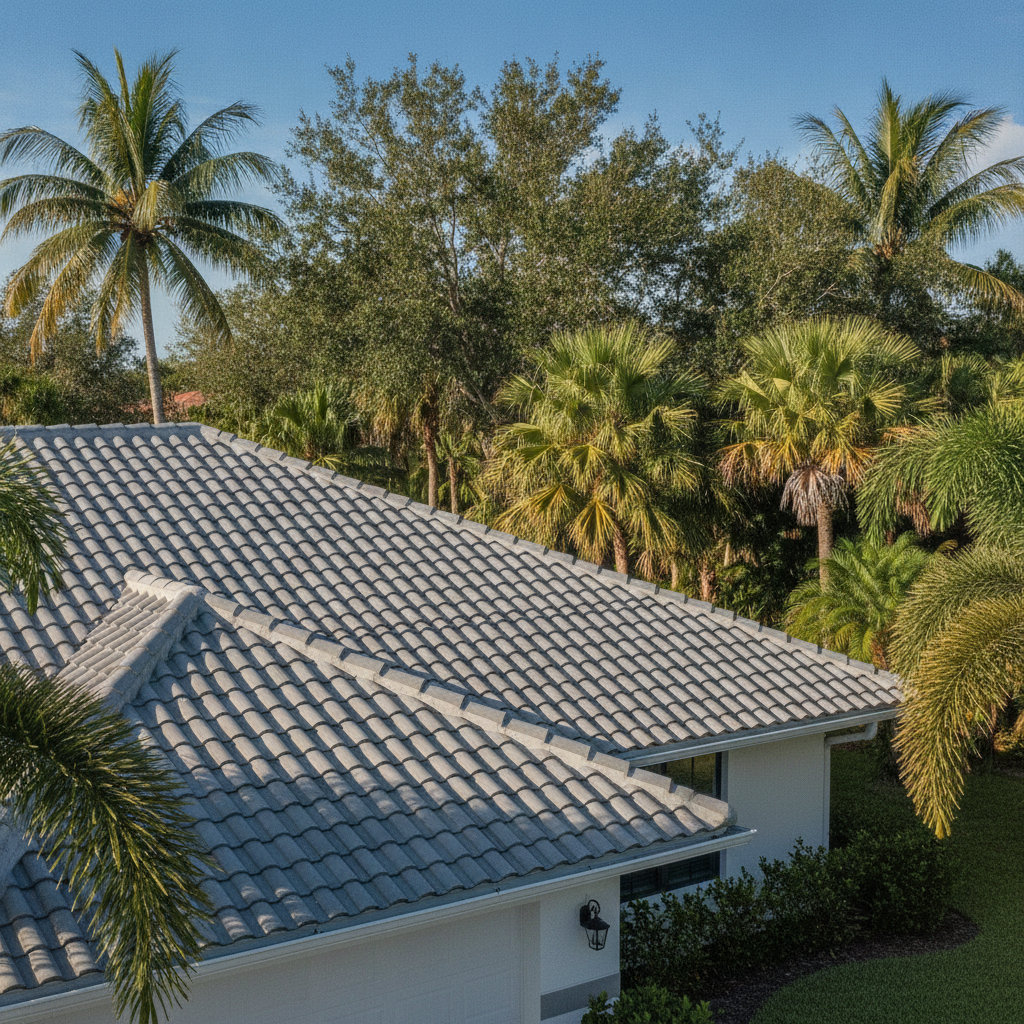
Concrete or Clay Tile Roofing: Tile roofs offer unparalleled durability and a distinctive aesthetic that complements many Florida homes. These heavy-duty roofs are built to last, often exceeding 30 to 50 years, with some even reaching 75 years or more if properly maintained. Tiles themselves are incredibly resistant to fire, rot, and insects, and they can withstand hurricane-force winds when installed correctly according to Florida Building Code, which requires robust fastening systems. The key to their longevity lies not just in the tiles but also in the quality of the underlayment, which provides the primary waterproofing layer beneath them.
The Florida Climate: A Roof’s Toughest Adversary
Beyond material choice, Florida’s environmental factors are the most significant contributors to a roof’s wear and tear. Our climate presents a relentless assault that no roof can entirely escape, only resist for a time.
UV Radiation and Heat: The intense Florida sun bathes our roofs in powerful ultraviolet (UV) rays for much of the year. This constant exposure causes asphalt shingles to dry out, become brittle, and lose their protective granules. Over time, this leads to cracking, curling, and a significant reduction in the shingle’s ability to shed water. High attic temperatures, sometimes reaching 150°F or more, also contribute to material fatigue and can compromise the integrity of sealants and adhesives.
Humidity and Moisture: Florida’s pervasive humidity creates a breeding ground for algae, moss, and mildew, especially on shingle and tile roofs. While not immediately destructive, these growths hold moisture against the roof surface, accelerating material degradation. Prolonged moisture can also lead to wood rot in the decking or fascia, compromising the structural integrity of your roof system over time. Proper ventilation is critical to mitigate these issues and prevent moisture buildup in the attic.
Severe Weather: We all know the threat of hurricanes here in Rockledge. Category 1 through 5 storms bring extreme wind uplift, heavy rainfall, and sometimes hail. The Florida Building Code has some of the strictest roofing requirements in the nation precisely because of these threats, mandating specific fastening patterns and wind ratings for all new installations and replacements. Even without a direct hit, the cumulative effect of annual tropical storms and intense summer thunderstorms can loosen shingles, damage flashing, and create pathways for water intrusion.
Warning Signs Your Roof is Nearing Its End
Even the most robust roof will eventually succumb to the elements. Recognizing the warning signs of an aging roof can help you plan for replacement before a small issue becomes an emergency or a costly insurance claim. Don’t wait for a leak in your living room to investigate.
- Missing, Cracked, or Curled Shingles: These are clear indicators of advanced wear. Missing shingles expose the underlayment, while cracks and curls allow water to penetrate.
- Granule Loss: For asphalt shingles, excessive granules in your gutters or around your downspouts mean the protective layer is eroding, leaving the asphalt exposed to UV rays.
- Sagging Roof Deck: If you notice areas of your roof that appear to be dipping or sagging, this could indicate structural damage to the decking or rafters, often due to prolonged moisture exposure.
- Water Stains on Ceilings or Walls: This is the most obvious sign of a leak, but by the time water reaches your interior, the damage to your roof system is likely significant.
- Algae or Moss Growth: While some green streaks are common, extensive growth of black algae or thick moss can indicate that your roof is retaining too much moisture and degrading.
- Higher Energy Bills: A compromised roof, especially one with poor ventilation or damaged materials, can lead to increased heat transfer into your home, forcing your AC to work harder and driving up utility costs.
Proactive Steps for Rockledge Homeowners
Protecting your roof in Florida isn’t just about reacting to problems; it’s about being proactive. As a homeowner in Rockledge, taking a few consistent steps can significantly extend your roof’s life, help you navigate insurance, and save you money in the long run. Don’t wait until a hurricane is on the horizon to think about your roof.
-
Schedule Regular Professional Inspections:
WHY: An experienced roofer can identify minor issues like loose flashing, damaged pipe boots, or early signs of shingle wear before they escalate into major, expensive problems. Regular inspections can often help you squeeze extra years out of your roof and provide documentation for insurance claims.
HOW: Aim for an annual inspection, ideally after the peak of hurricane season, or immediately following any significant storm event. Florida Roof Bros offers comprehensive inspection services specifically tailored to our local climate challenges.
-
Keep Gutters and Roof Clear of Debris:
WHY: Clogged gutters prevent proper water drainage, allowing water to back up under shingles or pond on the roof, leading to rot, leaks, and accelerated wear. Accumulations of leaves and branches also trap moisture and can become breeding grounds for pests.
HOW: Regularly clear your gutters, especially after heavy rains or windy periods. Trim any tree branches that overhang your roof to minimize debris accumulation and prevent physical damage during storms.
-
Monitor and Address Algae/Moss Growth:
WHY: Black algae (Gloeocapsa magma) is ubiquitous in Florida and thrives on the limestone filler in asphalt shingles. It holds moisture, prevents the roof from drying completely, and can accelerate granule loss. Moss can lift shingles, allowing water intrusion.
HOW: If you notice significant algae or moss, consult a professional for a gentle cleaning. Never use a pressure washer on your roof, as it can strip granules and cause irreparable damage. Zinc or copper strips installed along the ridge can naturally inhibit growth over time.
-
Understand Your Homeowner’s Insurance Policy:
WHY: Knowing the specifics of your coverage is paramount, especially when it comes to roof damage. Understand your deductible, whether your policy covers “actual cash value” (depreciated value) or “replacement cost value” (cost to replace new), and any specific clauses regarding hurricane deductibles or claim filing deadlines. Insurance companies in Florida have specific timelines for filing claims, often within one or two years of the date of loss.
HOW: Review your policy annually with your agent. Ask specific questions about roof damage coverage, especially regarding older roofs. Keep a copy of your policy in an easily accessible place.
-
Document Your Roof’s Condition and Maintenance:
WHY: Comprehensive documentation is your best friend if you ever need to file an insurance claim or prove your roof’s condition. It provides a clear timeline of your roof’s health and any repairs made.
HOW: Take clear, dated photos of your roof when it’s new or after significant repairs. Keep meticulous records of all inspections, maintenance, and repair receipts. This paper trail can be invaluable.
-
Address Minor Repairs Promptly:
WHY: A small leak or a couple of missing shingles might seem insignificant, but in Florida’s climate, these issues can quickly escalate. High humidity and heavy rains mean that even a tiny breach can lead to widespread water damage, mold growth, and structural rot.
HOW: Don’t procrastinate. If you notice any signs of damage, no matter how small, contact a reputable local roofer like Florida Roof Bros immediately. Timely repairs can prevent much larger headaches and expenses down the road.
-
Plan for Future Replacement:
WHY: Even with the best maintenance, every roof has a finite lifespan. Planning ahead allows you to budget appropriately, research materials, and choose the best time for replacement, avoiding emergency situations that often come with higher costs and limited options.
HOW: As your roof approaches the typical lifespan for its material (e.g., 15-20 years for asphalt shingles), start getting quotes, researching new technologies, and understanding financing options. This proactive approach ensures a smooth transition to a new, durable roof for your Rockledge home.
Frequently Asked Questions
How long does a shingle roof typically last in Rockledge, FL, given the intense heat and humidity?
In Rockledge, standard asphalt shingle roofs generally last between 15 to 25 years. The harsh Florida sun, high humidity levels, and frequent severe weather events, including heavy rain and strong winds, contribute to faster degradation than in milder climates. Regular professional inspections and maintenance are vital to help maximize their lifespan and ensure your home remains protected.
What’s the expected lifespan of a metal roof in Florida’s coastal and storm-prone environment?
Metal roofs boast an impressive lifespan, often lasting 40 to 70 years, even in Florida’s challenging conditions. Their inherent durability makes them highly resistant to high winds, torrential rain, and corrosive salt air common in areas like Rockledge. With proper installation and minimal maintenance, a metal roof is a long-term investment that offers exceptional protection and longevity.
Do tile roofs really last 50 years or more in Rockledge, FL, considering the frequent storms?
Yes, concrete and clay tile roofs are renowned for their exceptional durability, frequently lasting 50 years or even longer, even amidst Rockledge’s intense weather patterns. While the tiles themselves are extremely resilient to impact and UV damage, the underlayment beneath them may need replacement around the 20-30 year mark to maintain the roof’s watertight integrity. This staggered replacement approach ensures the overall system continues to perform optimally for decades.
How significantly does routine roof maintenance impact its lifespan in the Florida climate?
Routine roof maintenance is absolutely critical for extending a roof’s lifespan in Florida’s climate. Proactive care, including regular professional inspections, gutter cleaning, debris removal, and prompt minor repairs, can prevent small issues from escalating into costly, premature failures. By addressing wear and tear early, you can significantly add years to your roof’s service life and safeguard your home’s structural integrity.
When is it more cost-effective to replace a roof rather than just repair it in Rockledge, FL?
Deciding between repair and replacement often depends on the roof’s age, the extent of damage, and the frequency of needed repairs. If your Rockledge roof is nearing or past its expected lifespan, experiencing multiple leaks, or showing widespread signs of deterioration like extensive granule loss or curling shingles, a full replacement is usually the more cost-effective long-term solution. A comprehensive inspection from Florida Roof Bros can provide a clear assessment and recommendation tailored to your specific situation.
Roofing Services Across Central Florida
Florida Roof Bros serves homeowners throughout Brevard County, Pinellas County, and surrounding Central Florida communities. If you need a roof inspection, repair, or replacement in any of these areas, our team is ready to help:
- Palm Bay, FL Roofing
- Melbourne, FL Roofing
- West Melbourne, FL Roofing
- Vero Beach, FL Roofing
- Sebastian, FL Roofing
Protecting Your Investment: The Lifespan of Your Rockledge Roof
Understanding how long your roof will last in Florida is crucial for every homeowner, especially in Rockledge where unique weather patterns can accelerate wear and tear. As we’ve explored, the lifespan of your roof is not a fixed number but a dynamic range influenced by factors like material type, from asphalt shingles lasting 15-25 years to metal or tile roofs that can protect your home for 50 years or more, as well as installation quality and, most importantly, consistent maintenance. The key takeaway is that proactive care and timely attention can significantly extend your roof’s life, keeping your home safe and sound for decades.
Don’t leave the integrity of your home’s most important defense to chance. Even if your roof isn’t showing obvious signs of damage, the intense Florida sun, heavy rains, and occasional strong winds can cause unseen wear over time. Regular professional assessments are vital for early detection of potential issues, allowing for minor repairs that prevent costly major replacements down the line. It’s about securing your peace of mind and protecting your property value.
If you’re in Rockledge or the surrounding areas and have questions about your roof’s current condition or its expected lifespan, Florida Roof Bros is here to help. We offer 100% free, no-obligation roof inspections to give you a clear, honest assessment of your roof’s health. Our experienced team will thoroughly evaluate your roof and provide expert recommendations, whether it’s a simple repair or a full replacement. Take the first step towards ensuring your home’s protection today.
Don’t wait for a small issue to become a big problem. For a free inspection and expert advice you can trust, call Florida Roof Bros. We’re ready to serve your roofing needs with professionalism and reliability. (321) 446-1702. Trust the Pros, Call the Bros.
Need a free roof inspection? Call Florida Roof Bros at (321) 446-1702 or request a free inspection online. Family-owned, no subcontractors, Owens Corning Platinum Preferred. Trust the Pros, Call the Bros.
