

General Roofing
Location-Specific
Roofing
Malabar, FL Roofing: Crucial Insights into Local Building Codes for Homeowners
The Florida sun can be relentless, and for homeowners in Malabar, a sturdy, reliable roof isn’t just a comfort, it’s a necessity. Perhaps you’ve noticed a few missing shingles after the last gusty afternoon, or maybe your roof is simply showing its age, nearing that 15-20 year mark. You start thinking about what it takes to get a new roof, and quickly, terms like “permits” and “building codes” begin to surface, making what seems like a straightforward project feel a lot more complicated. This isn’t just about picking a color; it’s about ensuring your home remains a safe haven, built to withstand everything our beautiful but sometimes challenging climate throws at it.
Understanding the specific roofing building codes in Malabar, FL, and how they apply to your home is absolutely crucial. Neglecting these details can lead to headaches, costly repairs, and even insurance complications down the line. This post is designed to demystify the process, giving you the foundational knowledge you need to approach your next roofing project with confidence. We’ll walk through the essentials, helping you understand why these regulations exist and how they protect your investment here in Malabar.
Florida’s unique geographical position makes robust building codes paramount, especially when it comes to your roof. From the intense humidity and salt air that can accelerate material degradation to the ever-present threat of hurricane-force winds, Malabar roofs face constant challenges. The regulations aren’t arbitrary; they are meticulously crafted to ensure structural integrity, prolong the lifespan of your roof, and ultimately, safeguard your family and property. Navigating these requirements demands a professional touch, one deeply familiar with local nuances.
When it’s time to consider a roof replacement or repair, selecting the right contractor is as important as the materials themselves. You need a team that not only understands the Florida Building Code inside and out but also has a proven track record of impeccable installations right here in Brevard County. This is where experience truly counts, ensuring every shingle, every nail, and every flashing detail adheres to the strictest standards.
At Florida Roof Bros, we understand these local complexities intimately. As a family-owned company with over 25 years of combined experience, we operate with all in-house crews, meaning no subcontractors, ever. This allows us to maintain the highest quality control, ensuring every project, from start to finish, meets our rigorous standards and exceeds local code requirements. We are proud to be an Owens Corning Platinum Preferred Contractor, hold an A+ rating with the BBB, and are fully licensed, insured, certified, and bonded (FL license CCC1332911). With over 300 five-star Google reviews from homeowners across Brevard County, Pinellas County, and Central Florida, our reputation for quality and compliance speaks for itself. For peace of mind and a roof built to last, Trust the Pros, Call the Bros at (321) 446-1702.
By the end of this guide, you will have a clear understanding of why Malabar’s specific roofing codes matter, what elements are typically covered, and how choosing an experienced, local roofer can make all the difference in protecting your home and maximizing its value. We’ll delve into the specifics that homeowners often overlook, ensuring you’re well-equipped to make informed decisions about your most critical home protection system.
Understanding Florida’s Robust Building Code and Local Adaptations
Florida stands at the forefront of stringent building codes, and for very good reasons. The state’s unique geography, exposed to tropical storms, hurricanes, and persistent humidity, necessitates a robust framework to protect its structures. The Florida Building Code (FBC) is a comprehensive set of regulations designed to ensure the safety, health, and welfare of the public. This code is updated every three years, incorporating the latest advancements in construction technology and lessons learned from past weather events, continuously raising the bar for structural resilience.
While the FBC provides a statewide baseline, local jurisdictions, including Brevard County and its municipalities like Malabar, have the authority to adopt specific amendments or additions to address unique local conditions. This means that while the general principles of the FBC apply, there might be particular requirements for Malabar FL roofing building codes that are tailored to the immediate environment, such as proximity to the coast, elevation, or specific wind zone classifications. Understanding these local adaptations is critical for any homeowner embarking on a roofing project.
The core purpose of these codes is multi-faceted. Primarily, they aim to enhance the structural integrity of roofs, ensuring they can withstand severe weather events, particularly high winds and heavy rainfall. This includes mandates for specific types of fasteners, attachment methods, underlayment materials, and even the structural components of the roof deck itself. These requirements directly translate into a safer home and significantly reduce the risk of catastrophic damage during a hurricane, which can save homeowners thousands in potential repairs and insurance claims.
Beyond structural considerations, the codes also address factors like energy efficiency and material longevity. For instance, certain reflective roofing materials might be encouraged or mandated to reduce cooling costs in Florida’s intense heat. Furthermore, the codes often specify materials that are resistant to the high humidity and salt air prevalent in coastal areas, which can cause premature decay in less suitable options. This focus on durability helps ensure that a new roof isn’t just strong, but also built to last its intended lifespan, providing maximum value.
The permitting process is the mechanism by which these codes are enforced. Before any significant roofing work can begin in Malabar, a permit must be obtained from Brevard County. This involves submitting detailed plans for the proposed work, which are then reviewed by county officials to ensure compliance with all applicable codes. Once approved, inspections are conducted at various stages of the project, from the initial tear-off to the final installation, verifying that the work adheres to the approved plans and code requirements. This systematic oversight is vital for homeowner protection.
Ignoring these codes or attempting to bypass the permitting process carries significant risks. Unpermitted work can lead to fines, forced removal and reinstallation of the roof, difficulties selling your home, and even denial of insurance claims in the event of future damage. Moreover, a non-code-compliant roof simply won’t offer the same level of protection, leaving your home vulnerable. Choosing a reputable, licensed, and insured roofing contractor who is intimately familiar with Malabar’s specific building codes and permitting procedures is therefore not just a recommendation, it’s a necessity for any responsible homeowner.
Understanding Malabar, FL’s Specific Roofing Building Codes and Permitting Process
Navigating the intricacies of roofing regulations in Malabar, Florida, is paramount for any homeowner considering a roof repair or replacement. While Florida operates under the comprehensive Florida Building Code (FBC), Malabar, as part of Brevard County, implements specific local amendments and permitting procedures that tailor the statewide code to our unique environment. This means that a roof built to general Florida standards might not fully meet Malabar’s specific requirements, especially concerning wind mitigation and material resilience.
The permitting process in Malabar typically begins with a detailed application submitted to the Brevard County Building Department. This application must include comprehensive plans, material specifications, and often a product approval sheet demonstrating compliance with the FBC. Once submitted, the county reviews these documents to ensure every aspect of the proposed roofing project aligns with local ordinances, including zoning, flood plain considerations, and structural integrity. Skipping this crucial step, or allowing an unlicensed contractor to do so, can lead to significant fines, removal orders, and severe complications with home insurance claims or future property sales.
How Brevard County Regulations Address Malabar’s Unique Climate Challenges
Malabar’s coastal proximity subjects homes to a trifecta of environmental stressors: relentless humidity, corrosive salt air, and the ever-present threat of hurricanes. Brevard County’s building codes, therefore, place a strong emphasis on materials and installation methods that can withstand these specific challenges. For instance, the FBC mandates specific fastening schedules for roof decking and underlayment to resist hurricane-force winds, which in our area can easily exceed 140 mph during a Category 3 or 4 storm. This is far more stringent than national averages, where wind loads might only factor in 90-110 mph.
Humidity and salt air accelerate the degradation of many roofing components. To combat this, Brevard County codes often require the use of corrosion-resistant fasteners and flashing, typically galvanized or stainless steel, rather than standard steel that might suffice in drier climates. Furthermore, specific underlayment requirements, such as a self-adhering secondary water barrier (often called “peel and stick”), are critical. This barrier provides an extra layer of protection against water intrusion even if the primary roof covering is compromised by high winds, preventing costly interior damage from heavy Florida downpours and storm surges.
Key Code Requirements for Roof Materials, Installation, and Wind Mitigation in Malabar
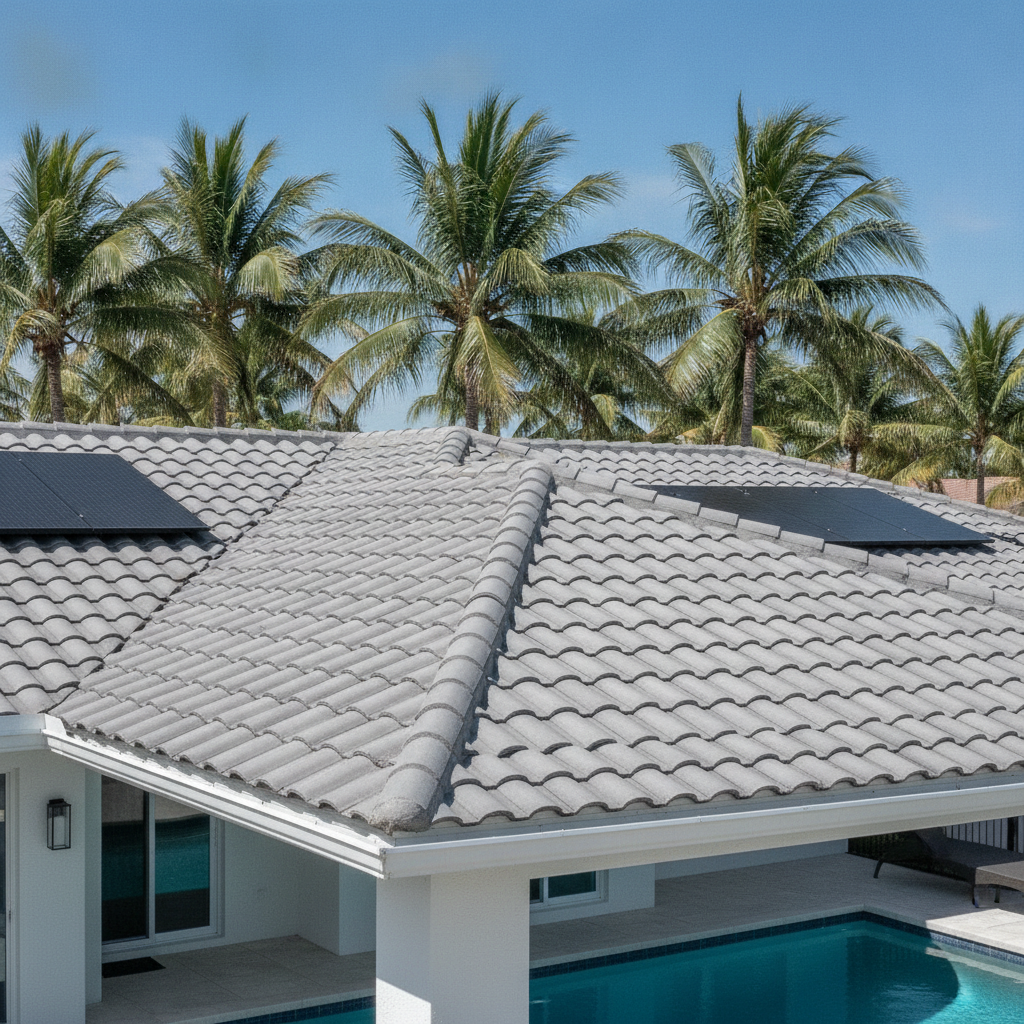
When it comes to materials, Malabar homeowners have several code-compliant options, each with specific requirements. Architectural asphalt shingles, a popular choice, must meet a minimum Class H wind resistance rating, capable of withstanding winds up to 150 mph. While nationally, standard 3-tab shingles might last 15-20 years, in Florida’s harsh conditions, architectural shingles typically last 15-25 years, often less than their national average of 20-30 years due to intense UV exposure and humidity. Metal roofing, particularly standing seam metal, is highly regarded for its durability against wind and corrosion, boasting lifespans of 30-50+ years in Florida, compared to 40-70+ nationally. Concrete and clay tiles, offering excellent wind and fire resistance, are also common, with lifespans often exceeding 30-50 years, sometimes reaching 100 years or more if properly installed and maintained.
Installation methods are equally critical. The FBC specifies precise nailing patterns for shingles, requiring six nails per shingle rather than the four or five common in other states. For tile roofs, specific mortar or foam adhesion methods are mandated to ensure secure attachment against uplift. Wind mitigation is integrated into every aspect of a Malabar roof installation, from the initial decking attachment with ring-shank nails or screws to the use of hurricane clips or straps connecting trusses to the wall structure. These features are not just suggestions; they are code requirements designed to protect your home from the destructive forces of a tropical storm or hurricane, and they significantly impact your homeowners insurance premiums.
Why Choosing a Local Roofer Familiar with Malabar Codes Protects Your Investment
Partnering with a local roofing contractor like Florida Roof Bros, who is intimately familiar with Malabar’s specific building codes and Brevard County’s permitting process, is not just convenient; it’s a critical safeguard for your investment. A local roofer understands the nuances of local regulations, knows which materials perform best under Malabar’s unique environmental conditions, and has established relationships with local building inspectors. This expertise ensures that your project will be designed and executed to meet all necessary compliance standards, avoiding costly rework, delays, and potential legal issues down the line.
Furthermore, local roofers are often more accountable. They rely on their reputation within the community and are invested in providing quality work that stands up to Florida’s challenges. They can guide you through the process of qualifying for wind mitigation credits on your insurance, which can lead to substantial savings over the life of your roof. Choosing an out-of-town or storm-chasing contractor, on the other hand, puts you at risk of shoddy workmanship, non-compliant installations, and a lack of recourse if problems arise after they’ve left the area. Your roof is a long-term investment, typically costing between $12,000 and $30,000 for a standard Malabar home, so ensuring code compliance from the outset is non-negotiable for its longevity and your peace of mind.
Your Action Plan for a Code-Compliant Malabar Roof
Ensuring your Malabar home’s roof meets all local building codes and hurricane standards is essential for its longevity, your safety, and your financial well-being. Here are actionable steps every Florida homeowner should take to protect their investment and navigate the roofing process with confidence.
-
Verify Your Roofer’s Credentials Thoroughly:
WHY: Unlicensed or inexperienced contractors often cut corners, leading to code violations, warranty voids, and unsafe installations. In Florida, roofing contractors must be state-licensed (e.g., Certified Roofing Contractor) and carry appropriate liability and workers’ compensation insurance. A local roofer will also have a business license for Brevard County and Malabar specifically.
HOW: Always ask for their Florida State Contractor’s License number (check it on the DBPR website), proof of insurance, and local business licenses. Don’t just take their word for it; call their insurance provider to confirm active coverage. Ask for references from Malabar or Brevard County homeowners.
-
Insist on a Properly Pulled Permit:
WHY: A permit is your official record that the work will be inspected and verified for code compliance by Brevard County. Without one, your roof replacement could be deemed illegal, making it difficult to sell your home or secure insurance coverage after a storm. It also ensures the work meets current FBC standards.
HOW: Your contractor should obtain the permit before any work begins. It should be posted visibly on your property throughout the project. Never allow a contractor to persuade you that a permit isn’t necessary for a full roof replacement, as it always is.
-
Understand and Prioritize Wind Mitigation Features:
WHY: Florida’s building codes are heavily focused on wind resistance due to hurricanes. Implementing specific wind mitigation features not only makes your roof more resilient but also qualifies you for significant discounts on your homeowners insurance premiums, potentially saving you hundreds annually. These features include a secondary water barrier, proper roof-to-wall attachment (hurricane clips/straps), and reinforced gable ends.
HOW: Discuss specific wind mitigation techniques with your roofer. Ensure your contract explicitly states the installation of these features, such as ring-shank nails for decking, specific underlayment types, and the appropriate fastening schedule for your chosen roofing material. Ask for a “wind mitigation inspection” after completion to document these improvements for your insurer.
-
Choose Materials Rated for Florida’s Environment:
WHY: Malabar’s high humidity, intense UV exposure, and salt air are brutal on standard roofing materials. Choosing materials specifically designed and rated for these conditions will significantly extend your roof’s lifespan and performance, preventing premature failure and costly repairs.
HOW: Confirm that your chosen materials meet or exceed FBC requirements for your specific wind zone. For asphalt shingles, look for Class H wind resistance. For metal roofs, ensure the panels and fasteners are corrosion-resistant (e.g., galvanized or stainless steel). Discuss the manufacturer’s warranty in Florida’s climate and its specific terms for our region.
-
Get Everything in Writing with a Detailed Contract:
WHY: A comprehensive contract protects both you and your contractor by clearly outlining the scope of work, materials, costs, timelines, and responsibilities. This prevents misunderstandings and provides a legal framework if disputes arise.
HOW: Your contract should include: the exact materials to be used (brand, type, color, wind rating), detailed scope of work (tear-off, decking repairs, underlayment, ventilation, flashing), payment schedule, warranty information (workmanship and manufacturer), and proof of insurance. Ensure it specifies cleanup procedures and disposal. Never sign a contract with blank spaces.
-
Schedule Regular Roof Inspections, Especially After Storms:
WHY: Florida’s weather can be unpredictable. Regular inspections can identify minor issues like loose shingles, damaged flashing, or early signs of moisture intrusion before they escalate into major, expensive problems. This is particularly crucial after any significant storm, even if there’s no visible damage.
HOW: Aim for a professional roof inspection every 1-3 years, and always after a named storm or strong winds. A reputable local roofer can provide a thorough assessment, often for a nominal fee (e.g., $150-$300), and help you address small repairs promptly, extending your roof’s life and preventing insurance claim headaches.
Frequently Asked Questions
What are the primary Malabar, FL building code updates for roofing I should be aware of?
Malabar roofing projects are primarily governed by the Florida Building Code, which is regularly updated, especially concerning hurricane preparedness and overall structural integrity. Recent updates emphasize enhanced wind resistance, improved secondary water barriers, and stricter material requirements. These measures ensure that new and replaced roofs can effectively withstand the severe weather events common to our region, safeguarding your home and family.
Is a permit always required for roofing work in Malabar, FL, even for minor repairs?
In Malabar, most roofing work, including significant repairs, partial replacements, and all full roof replacements, requires a permit from the local building department. This permitting process is crucial for ensuring that all work complies with the current Florida Building Code. It guarantees safety standards are met, materials are appropriate, and the project undergoes proper inspections by qualified officials.
How do wind mitigation standards affect my roof replacement cost and process in Malabar?
Wind mitigation standards in Malabar necessitate specific installation techniques and materials designed to significantly boost your roof’s resilience against high winds. While these requirements might involve a slightly higher initial investment in robust materials and specialized fasteners, they often lead to substantial long-term savings on homeowner’s insurance premiums. More importantly, they provide superior protection for your property during Florida’s intense storm seasons.
What roofing materials are approved for use under Malabar, FL building codes, and what are their benefits?
Malabar’s building codes approve a variety of roofing materials, including traditional asphalt shingles, durable metal roofing, and elegant tile options, provided they meet specific wind load and fire resistance ratings. Each material offers distinct advantages, from the cost-effectiveness and versatility of asphalt shingles to the extreme longevity and energy efficiency of metal. Our experts can help you choose the best option that complies with codes and suits your home’s aesthetic and budget.
What is the importance of a secondary water barrier for roofs in Malabar, FL, according to local codes?
A secondary water barrier, often mandated by Malabar’s building codes, serves as a critical, redundant layer of defense against water intrusion. This protective underlayment works even if the primary roofing material is compromised or blown off during a severe storm. It prevents water from penetrating your home’s structure, thereby safeguarding its interior and preventing costly water damage and mold growth.
Do Malabar’s building codes have specific requirements for roof ventilation?
Yes, Malabar’s building codes, guided by the Florida Building Code, include specific requirements for adequate roof ventilation. Proper ventilation is crucial for maintaining attic temperatures, preventing moisture buildup, and extending the lifespan of your roofing materials. It also contributes to your home’s energy efficiency by reducing the load on your HVAC system during hot Florida summers.
Roofing Services Across Central Florida
Florida Roof Bros serves homeowners throughout Brevard County, Pinellas County, and surrounding Central Florida communities. If you need a roof inspection, repair, or replacement in any of these areas, our team is ready to help:
- Palm Bay, FL Roofing
- Melbourne, FL Roofing
- West Melbourne, FL Roofing
- Rockledge, FL Roofing
- Vero Beach, FL Roofing
Ensuring Your Malabar Roof’s Compliance and Durability
Navigating the intricacies of Malabar’s roofing building codes is not just about compliance; it’s about securing your home’s integrity and protecting your investment. Understanding these crucial insights into local regulations, from permitting to material requirements and wind mitigation standards, ensures your roof is not only built to last but also provides maximum safety and efficiency against Florida’s unique climate challenges. Adhering to these standards is key to peace of mind and long-term value.
For homeowners in Malabar, ensuring your roof meets current building codes is a critical step towards safeguarding your property. Whether you’re considering a repair, a full replacement, or simply want to understand your roof’s current condition and compliance, professional guidance is invaluable. Florida Roof Bros brings extensive experience with Malabar’s specific regulations, ensuring every project we undertake is up to code and exceeds expectations.
Don’t leave the safety and longevity of your home to chance. Take the first step towards a secure and compliant roof by scheduling a consultation with Florida Roof Bros today. We offer 100% free inspections, providing you with a comprehensive assessment of your roof’s health and a clear understanding of any necessary updates or repairs. Our expert team is ready to answer your questions and guide you through every aspect of your roofing project, ensuring a seamless and worry-free experience.
Ready to ensure your Malabar home has a strong, code-compliant roof? Reach out to the trusted local experts. Call Florida Roof Bros now at (321) 446-1702. Trust the Pros, Call the Bros for unmatched quality and peace of mind.
Need a free roof inspection? Call Florida Roof Bros at (321) 446-1702 or request a free inspection online. Family-owned, no subcontractors, Owens Corning Platinum Preferred. Trust the Pros, Call the Bros.
