

General Roofing
Roofing
Storm Damage
Malabar Homeowners: Your Essential Roof Prep Checklist for August’s Hurricane Season
The August air in Malabar hangs heavy, thick with humidity and the unspoken tension of hurricane season. You hear the afternoon downpours lash against your windows, and perhaps you find yourself glancing up at your roof, a silent question forming: Is it truly ready? Every year, Florida homeowners face the unique challenge of protecting their properties from the unpredictable power of tropical storms and hurricanes. Proactive preparation isn’t just about peace of mind; it’s about safeguarding your biggest investment and ensuring your family’s safety when the worst weather hits.
This isn’t a drill or an abstract concept for those of us living along the Space Coast; it’s an annual reality. While we often focus on shutters and evacuation plans, the roof, as your home’s primary shield, demands specific attention. Understanding its vulnerabilities and taking preventative steps now can make all the difference, potentially saving you from extensive damage, costly repairs, and significant insurance claim headaches after a storm has passed. This guide will walk Malabar homeowners through an essential roof prep checklist, focusing on what you can do to secure your home before the peak of the hurricane season.
Ignoring the state of your roof until a storm is bearing down can lead to devastating consequences. A recent article highlighted how damaged roofs with missing shingles are a common sight after hurricanes in Florida, underscoring the critical need for proactive measures (Source: brookings.edu). The financial and emotional toll of dealing with a compromised roof, especially when insurance markets are already adapting to increased climate risks, can be immense. Taking the time to assess and fortify your roof now is a smart investment in your home’s resilience.
As a family-owned business deeply rooted in Brevard County, Florida Roof Bros understands the specific challenges Malabar homes face. With over 25 years of combined experience and all in-house crews, we’ve seen firsthand what proper preparation can prevent. Our commitment to serving our community means providing reliable, expert advice to help you navigate these critical months. For any concerns or a professional assessment, don’t hesitate to call the pros at Florida Roof Bros at (321) 446-1702; we’re here to help you trust the pros and call the Bros.
The goal of this post is to empower you with actionable insights, moving beyond general advice to specific strategies tailored for Malabar hurricane roof prep. We’ll discuss practical steps you can take, identify common weak points for water intrusion, and emphasize the importance of professional assessments. By the end, you’ll have a clear roadmap to prepare your roof, minimizing risks and maximizing your home’s protection against the elements this hurricane season. Remember, a little preparation today can prevent a lot of stress tomorrow.
The evolving climate risks also mean that homeowners are increasingly looking at ways to enhance their property’s resilience. The Brookings Institution notes the uneven adaptation in insurance pricing and household climate resilience, indicating that homeowners who invest in protection measures may find themselves in a better position (Source: brookings.edu). This further reinforces why a thorough pre-storm roof prep is not just about immediate safety, but also about long-term financial prudence and maintaining your home’s value in the face of environmental challenges.
Understanding Florida’s Roofing Landscape for Hurricane Readiness
Preparing your Malabar roof for hurricane season goes beyond simple cosmetic fixes; it requires an understanding of Florida’s unique climate and building standards. The Sunshine State’s weather patterns, characterized by intense UV exposure, torrential rains, and powerful winds, place immense stress on roofing materials year-round. This constant bombardment accelerates wear and tear, making proper maintenance and pre-storm checks even more critical for the longevity and performance of your roof.
Florida’s building codes, particularly the Florida Building Code, are among the most stringent in the nation, especially concerning wind mitigation. These codes dictate specific requirements for roof construction, material strength, and installation techniques designed to withstand hurricane-force winds. For homeowners, this means that while your roof was built to a high standard, understanding its specific components, like proper attic ventilation and secure decking, is key to identifying potential weak points before a storm exposes them.
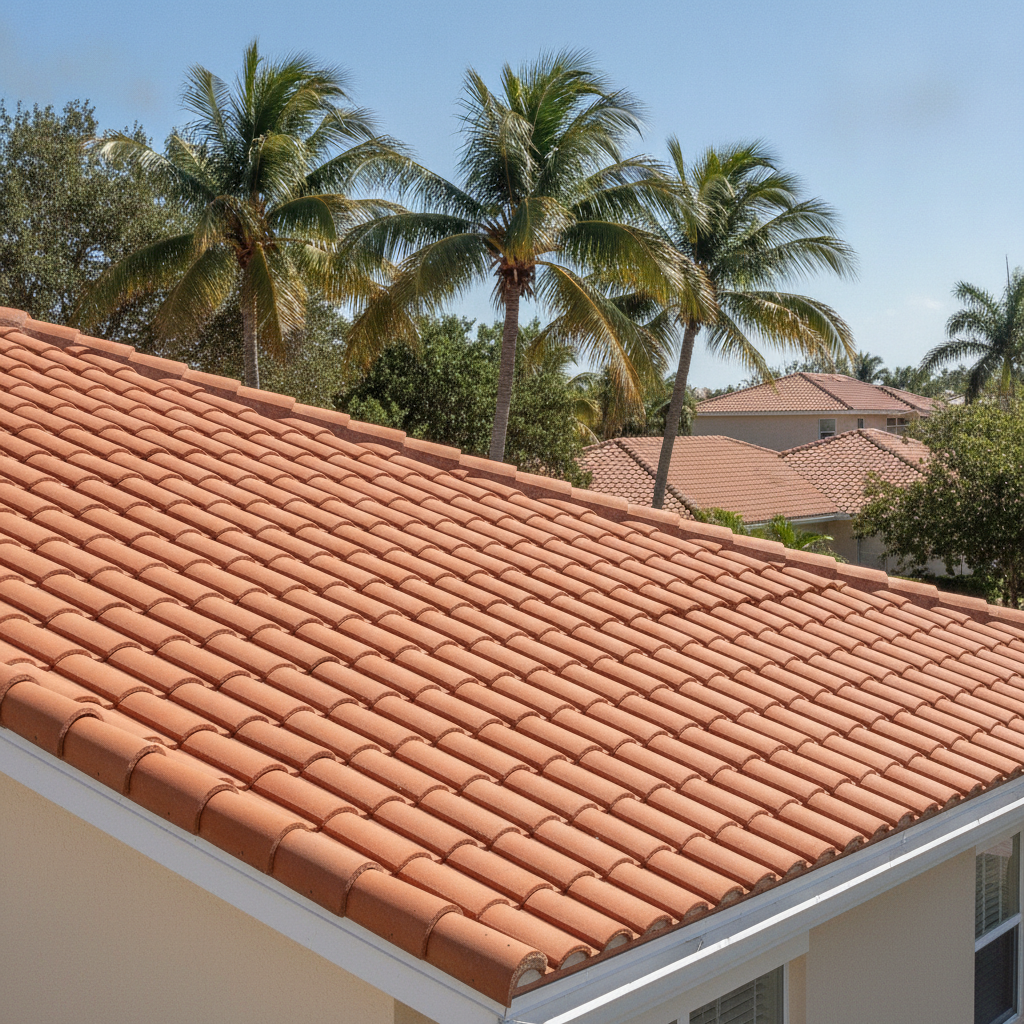
Common roofing materials used in Malabar, such as asphalt shingles, metal, and tile, each have distinct vulnerabilities and strengths against hurricane conditions. Asphalt shingles, while popular and cost-effective, can be susceptible to uplift and granule loss under high winds if not properly adhered or if they are aged. Metal roofs offer excellent wind resistance but require secure fastening systems to prevent sheet separation. Tile roofs are durable but individual tiles can become dislodged, creating entry points for water.
The cost and timeline for roof repairs or replacements, especially during or immediately after hurricane season, can be significantly higher due to increased demand for materials and labor. This economic reality further emphasizes the benefit of proactive preparation. Addressing minor issues now, such as loose shingles or compromised flashing, can prevent them from escalating into major structural damage that might necessitate a full roof replacement under emergency conditions.
Professional roofing assessments play a pivotal role in proactive hurricane readiness. A certified roofer, like the experts at Florida Roof Bros, can identify subtle signs of wear, evaluate the integrity of your roof system, and ensure it meets current wind mitigation standards. Our crews are all in-house, meaning no subcontractors, ensuring consistent quality and accountability. This thorough inspection can pinpoint areas needing attention long before a storm makes them obvious, offering you time to make informed decisions and repairs.
Beyond material integrity, the proper functioning of your entire roof system, including gutters, downspouts, and attic ventilation, is crucial. Clogged gutters can lead to water pooling and fascia damage, while inadequate ventilation can trap moisture, weakening decking over time. These seemingly minor issues can become critical vulnerabilities when faced with heavy rains and strong winds, creating pathways for water intrusion into your home’s interior. A comprehensive pre-storm check considers all these interconnected elements for maximum protection.
Understanding Your Malabar Roof’s Hurricane Vulnerability
As August ushers in the peak of hurricane season, Malabar homeowners must shift their focus to their roof’s resilience. Your roof, whether it’s composed of architectural shingles, concrete tiles, or standing seam metal, is your primary defense against Florida’s formidable storms. The age and maintenance history of your roof are critical factors; an older roof, especially one predating the stricter requirements of the Florida Building Code 2001 or subsequent updates, may have vulnerabilities that need immediate attention. Proactive preparation now can prevent catastrophic damage later, saving you significant stress and expense.
The Essential Pre-Storm Roof Inspection Checklist for Malabar Homes
A thorough visual inspection is the first line of defense. From the ground or a safely secured ladder, examine every accessible part of your roof. Look for:
- Shingles: Are any tabs curling, cracking, or missing? Pay close attention to the leading edges and ridges where wind uplift is most aggressive. Even minor granule loss can indicate aging and reduced protection.
- Tiles: Check for any cracked, loose, or missing concrete or clay tiles, particularly along the eaves, ridges, and hips. While tiles are durable, their underlayment is often the true water barrier, and a compromised tile allows water to reach it.
- Metal Panels: For standing seam or corrugated metal roofs, inspect for loose fasteners, bent panels, or areas of rust. Rust compromises the panel’s integrity and can lead to leaks or blow-offs.
- Flashing: Crucial areas around chimneys, vent pipes, skylights, and in roof valleys are common points of water intrusion. Look for separation, cracking, or deterioration of sealants and flashing materials.
- Gutters and Downspouts: Ensure they are securely attached and free of debris. Clogged gutters can cause water to back up under the roof’s edge, leading to fascia rot and potential attic leaks during heavy rains.
- Soffits and Fascia: Inspect for any signs of rot, holes, or looseness. Damaged soffits and fascia boards are direct entry points for wind-driven rain and can compromise your roof’s attachment to the wall structure.
These checks are vital for identifying potential weak points before a storm hits Malabar.
Securing Your Roof and Property Against Wind Damage
Hurricane-force winds create immense uplift and suction forces that can tear away even seemingly secure roof components. Beyond the roof itself, consider your entire property. Trim back any tree branches that overhang your roof or are within 10-15 feet of your home; falling branches are a leading cause of roof damage during storms. Secure or store all loose outdoor items such as patio furniture, garbage bins, decorative items, and garden tools. These can become dangerous projectiles, damaging your roof or a neighbor’s property. While you can’t install hurricane clips on existing trusses without professional help, ensuring your existing roof components are tight and well-sealed is a practical step.
Identifying and Mitigating Water Intrusion Weak Points
Even if your roof stays intact, water intrusion can cause significant internal damage. Flashing around penetrations like skylights, chimneys, and plumbing vents are notorious weak spots. Over time, sealants degrade and flashing can separate. The roof’s underlayment, the layer beneath the shingles or tiles, is the true water barrier, especially for older Malabar roofs. If the underlayment is compromised due to age or improper installation, water can easily penetrate the attic. Regularly inspecting and resealing these areas, or having a professional do so, is crucial. Additionally, ensure your soffits and fascia are intact, as damaged sections allow wind-driven rain to enter the attic space directly, bypassing your main roof covering entirely.
The Importance of Professional Roofing Assessments for Proactive Hurricane Readiness
While a homeowner’s visual check is valuable, it cannot replace a professional assessment. A certified roofing contractor, like Florida Roof Bros, possesses the expertise to identify subtle damage, assess the remaining lifespan of your roofing materials, and ensure compliance with the Florida Building Code, which dictates specific wind load and uplift resistance requirements for Malabar homes. Professional assessments can uncover hidden issues like compromised decking, deteriorating underlayment, or inadequate roof-to-wall connections that are not visible from the ground. Addressing these issues proactively can save you from emergency repairs during or after a hurricane, which are often more costly and difficult to schedule.
Quick Tips for Documenting Your Roof’s Current Condition for Potential Insurance Claims
Before hurricane season escalates, create a detailed record of your roof’s current condition. Use a camera or smartphone to take clear, well-lit photos and videos of all sections of your roof, including gutters, vents, and any existing minor damage or repairs. Ensure your documentation is dated. This photographic evidence serves as a critical baseline should you need to file an insurance claim after a storm. Without proof of your roof’s pre-storm condition, insurance adjusters may dispute the extent of damage or attribute it to pre-existing issues, significantly impacting your claim’s payout. Store these records digitally, ideally in a cloud service, to protect them from physical damage.
Actionable Steps for Malabar Homeowners: What to Do Now
Preparing your Malabar home for hurricane season requires more than just boarding up windows. Your roof is your first line of defense, and taking proactive steps now can significantly reduce potential damage and post-storm headaches. Here are 7 actionable tips to secure your roof and property.
-
Perform a Comprehensive Visual Roof Inspection (Safely)
WHY: Early detection of minor issues prevents them from escalating into major damage during a storm. Missing shingles, cracked tiles, or loose flashing are invitations for wind and water intrusion.
HOW: From the ground, use binoculars to scan your entire roof surface. Look for lifted, curled, or missing shingles; cracked or displaced tiles; loose metal panels or fasteners; and any signs of wear around vents, chimneys, or skylights. If you use a ladder, ensure it’s stable and have someone spot you. Never walk on a wet or slippery roof.
-
Clear Gutters and Downspouts Thoroughly
WHY: Clogged gutters prevent proper water drainage, causing water to back up under your roof’s edge, leading to fascia rot, soffit damage, and potential attic leaks. In high winds, clogged gutters can also act as sails, tearing away from your home.
HOW: Manually remove leaves, twigs, and other debris from all gutters. Use a hose to flush out downspouts, ensuring water flows freely. Consider installing gutter guards if debris accumulation is a chronic issue.
-
Trim Overhanging Trees and Secure Outdoor Items
WHY: Overhanging branches are a significant hazard. They can scrape and damage your roof’s surface during normal winds and become destructive projectiles or fall onto your home during a hurricane. Loose outdoor items become deadly missiles in strong winds.
HOW: Hire a professional arborist to trim any tree branches within 10-15 feet of your roofline. Store all patio furniture, grills, trash cans, garden tools, and decorative items inside a garage, shed, or securely tie them down well before a storm approaches.
-
Schedule a Professional Roof Assessment with Florida Roof Bros
WHY: A professional roofer has the expertise to identify hidden damage, assess the integrity of your roof’s structure and underlayment, and confirm adherence to the Florida Building Code’s wind mitigation standards. This is especially crucial for older Malabar homes that may not meet current code requirements.
HOW: Contact Florida Roof Bros today for a free, no-obligation roof inspection. Our experts can provide a detailed report on your roof’s condition and recommend any necessary proactive repairs. Aim to do this in July or early August before the peak of hurricane activity and potential contractor backlogs.
-
Document Your Roof’s Current Condition Extensively
WHY: Dated photographs and videos of your roof’s pre-storm condition are invaluable evidence for insurance claims. They provide a baseline to prove storm-related damage and can expedite the claims process, preventing disputes over pre-existing conditions.
HOW: Take clear, high-resolution photos and videos of your entire roof, including all sides, ridges, valleys, vents, and any areas of existing wear or previous repairs. Include close-ups of specific features. Date these files and store them securely in multiple locations, such as an external hard drive and a cloud storage service like Google Drive or Dropbox.
-
Review Your Homeowner’s Insurance Policy (Florida Specific)
WHY: Florida insurance policies often have specific hurricane deductibles (typically a percentage of your home’s insured value, not a flat dollar amount) and clauses that differ from standard wind damage coverage. Understanding these details now prevents surprises when filing a claim.
HOW: Contact your insurance agent to review your policy’s hurricane deductible, coverage limits for roof replacement, and the specific claims process for storm damage. Clarify what is covered for wind vs. flood damage, as these are often separate. Know the timeline for filing claims post-storm.
-
Understand Your Home’s Wind Mitigation Features
WHY: Knowing your home’s wind mitigation features can not only provide crucial protection during a storm but also qualify you for significant insurance premium discounts in Florida. These features enhance your roof’s ability to withstand high winds.
HOW: Identify if your home has roof-to-wall attachments (hurricane clips or straps), a secondary water barrier (like peel-and-stick underlayment), impact-resistant windows, or a reinforced garage door. If your home lacks these, consider a wind mitigation inspection by a certified professional to explore potential upgrades and associated insurance savings.
Frequently Asked Questions
What are the most important roof maintenance tasks homeowners in Malabar should complete before hurricane season?
Key tasks include clearing gutters and downspouts of debris, trimming overhanging tree branches, and checking for any loose or missing shingles. Addressing these issues proactively can significantly reduce the risk of extensive damage during strong winds and heavy rains, preventing potential interior water damage.
How often should a roof inspection be performed on a Malabar home, particularly with hurricane season approaching?
It’s highly recommended to have your roof professionally inspected at least once a year, ideally before the start of hurricane season in June. This allows ample time to identify and address any vulnerabilities that could be exacerbated by severe weather, ensuring your home is prepared.
What are common signs that my Malabar roof might need repairs or replacement to withstand a hurricane?
Look for cracked, curled, or missing shingles, granular loss in your gutters, water stains on your ceiling, or a sagging roofline. These indicators suggest your roof’s integrity may be compromised and require attention before a storm hits, potentially preventing more extensive issues.
Will my homeowner’s insurance in Florida cover roof damage from a hurricane, and what steps should I take if damage occurs?
Most standard homeowner’s insurance policies in Florida do cover hurricane damage, though deductibles and specific terms can vary significantly. It’s crucial to review your policy annually and document any pre-existing damage before a storm and new damage immediately after, contacting your insurer promptly.
What are the benefits of choosing a local Malabar roofing company like Florida Roof Bros for hurricane season preparations?
A local company understands the specific building codes, weather patterns, and common roofing issues unique to the Malabar area. This local expertise ensures tailored advice and efficient, compliant repairs or replacements that stand up to Florida’s climate, offering personalized attention that larger, non-local companies might not provide.
Roofing Services Across Central Florida
Florida Roof Bros serves homeowners throughout Brevard County, Pinellas County, and surrounding Central Florida communities. If you need a roof inspection, repair, or replacement in any of these areas, our team is ready to help:
- Palm Bay, FL Roofing
- Melbourne, FL Roofing
- West Melbourne, FL Roofing
- Rockledge, FL Roofing
- Vero Beach, FL Roofing
Your Roof’s Readiness: A Final Word
As Malabar homeowners navigate the heart of hurricane season in August, understanding and implementing a comprehensive roof preparation checklist is not just advisable, it’s essential. Taking proactive steps, from clearing debris to addressing minor repairs, significantly enhances your home’s resilience against the severe weather Florida often experiences. A strong, well-maintained roof provides not only structural protection but also invaluable peace of mind for you and your family as storms approach.
Don’t leave your Malabar home vulnerable to the unpredictable nature of tropical storms and hurricanes. Now is the critical time to ensure your roof is in optimal condition, capable of protecting your loved ones and possessions. Florida Roof Bros offers 100% free, no-obligation roof inspections, providing local residents with a thorough assessment of their roof’s current health and any necessary recommendations. Our certified expert team understands the unique challenges of Florida weather and is ready to help you fortify your home with reliable solutions.
Take the crucial step today toward safeguarding your biggest investment. For a comprehensive, free roof inspection and personalized advice, reach out to the trusted professionals at Florida Roof Bros. We’re here to provide the expertise and service you need to weather any storm with confidence. Call us now at (321) 446-1702 and experience why countless Malabar homeowners already Trust the Pros, Call the Bros.
Need a free roof inspection? Call Florida Roof Bros at (321) 446-1702 or request a free inspection online. Family-owned, no subcontractors, Owens Corning Platinum Preferred. Trust the Pros, Call the Bros.
