

If you are planning a roof replacement, one of the first questions…
General Roofing
What Is a Mansard Roof? (Structure, Style Components, & More)
Understanding different roof styles is essential when considering your home’s design or planning a renovation. A mansard roof offers a unique blend of function and style, making it an increasingly popular choice for homeowners and architects alike. This distinctive roof type not only enhances the architectural appeal of a building but also provides practical benefits such as expanded living space. For more information on roofing options that can elevate your home’s look and functionality, explore options related to general roofing services.
- Learn what defines a mansard roof and how it differs from other roof types
- Discover the architectural and functional benefits of a mansard roof
- Identify the key structural and style components that make mansard roofs unique
- Explore common applications and variations of mansard roofs in residential and commercial buildings
- Understand maintenance considerations and when to seek professional roofing services
Why the Mansard Roof Is Important in Architecture and Home Design
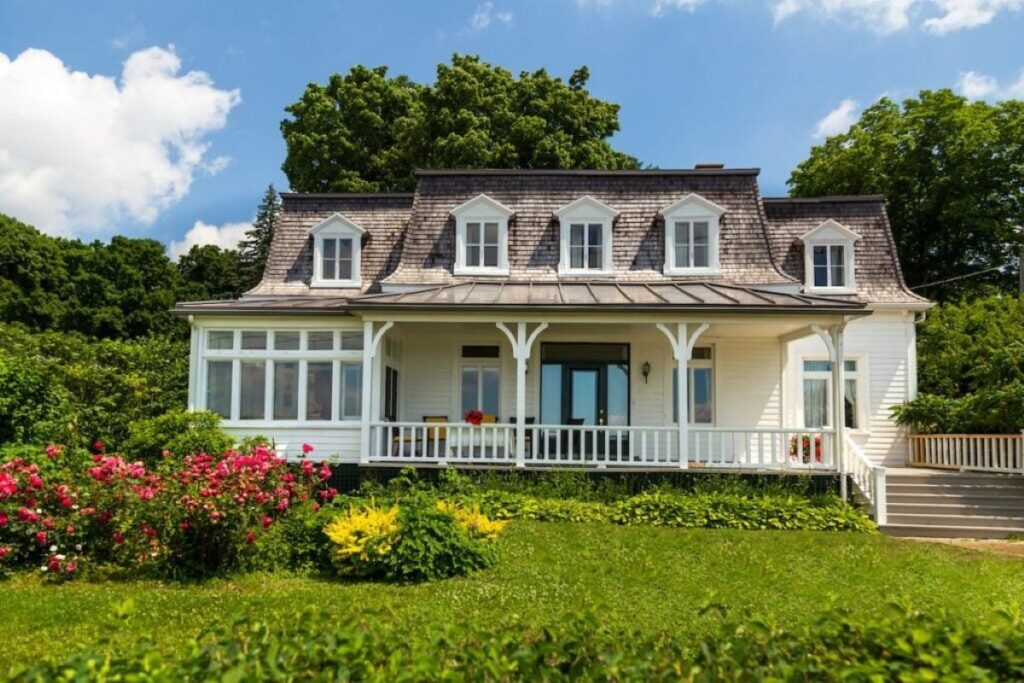
Mansard roofs have been admired for centuries, originating in French architecture and offering timeless appeal combined with modern practicality. Their unique shape and design serve multiple important purposes:
- Maximized Attic Space: The steep lower slope creates a spacious attic or an additional floor, turning wasted space into livable, usable areas.
- Enhanced Aesthetic Appeal: Mansard roofs add an elegant, classic look that elevates the character and curb appeal of any property.
- Improved Light and Ventilation: The design allows for dormer windows, which provide natural light and ventilation to upper-floor rooms.
- Adaptability to Different Styles: Mansard roofs can be combined with various architectural styles, from traditional historic homes to contemporary ones.
- Weather Efficiency: The double slope design helps with water runoff and snow shedding, reducing the risk of leaks and damage.
5 Key Elements and Structure of a Mansard Roof
Breaking down the components of a mansard roof can help you appreciate its design and construction methodology. Understanding these parts is essential whether you’re planning a new build or remodeling.
1. Dual Slopes
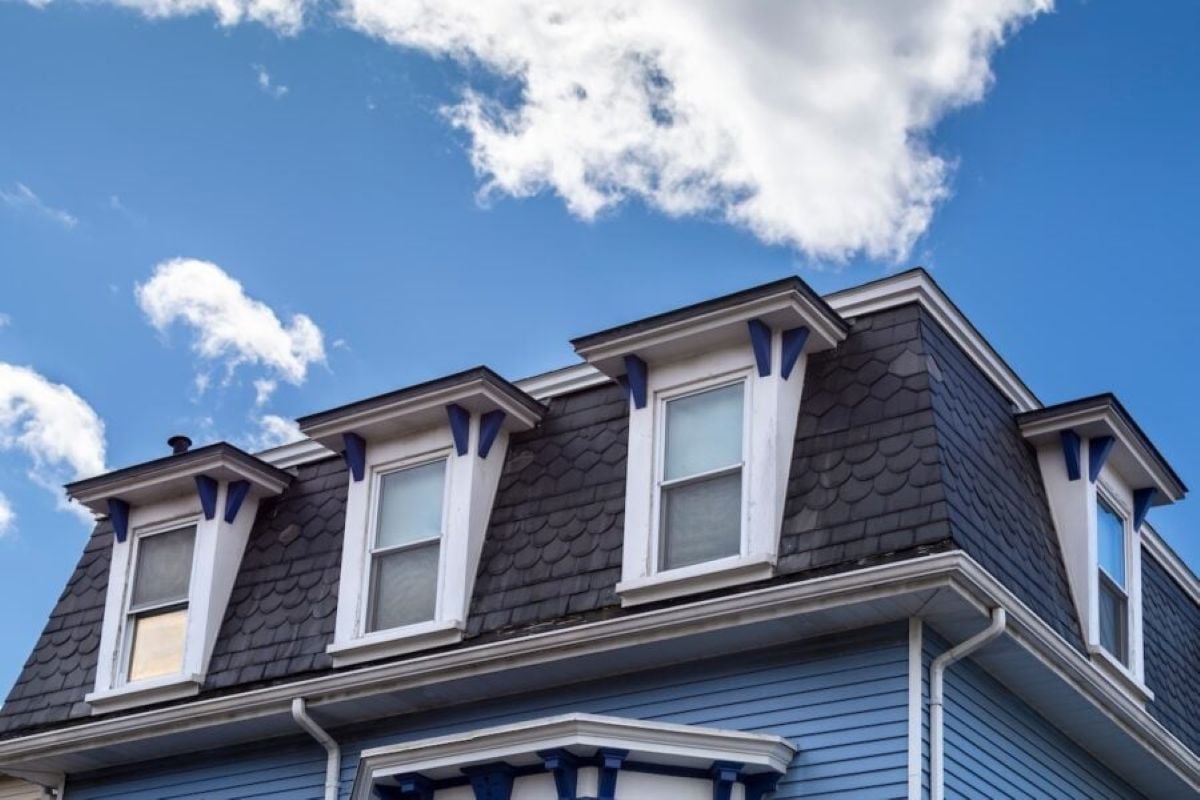
The hallmark of a mansard roof is its two distinct slopes on each of its sides. The lower slope is typically very steep, almost vertical, while the upper slope is more gently pitched.
- The steep lower slope maximizes interior space.
- The upper slope protects the home from weather while maintaining a low profile.
- This dual arrangement distinguishes the mansard from traditional gable or hip roofs.
2. Dormer Windows
Dormer windows are often incorporated into the steep lower slope to add light, ventilation, and additional headroom inside the attic or top floor.
- They enhance the exterior aesthetic with intricate design possibilities.
- Dormers help create fully functional rooms beneath the roof.
3. Roof Materials
Mansard roofs are typically covered with durable materials that complement the steep angles and the architectural style.
- Slate and wood shingles are traditional choices that offer classic charm.
- Modern alternatives include asphalt shingles, metal panels, and composite tiles for longevity and versatility.
- The roofing material must be weather-resistant to ensure durability over time.
4. Roof Frame Structure
The frame of a mansard roof requires precise engineering to support the complex angles and additional weight of the steep slopes.
- Traditionally built with timber framing, modern mansard roofs may incorporate steel and engineered wood products for strength.
- Structural integrity is critical to prevent sagging or damage, especially in areas with heavy snow or wind loads.
5. Drainage System
Effective drainage is essential to prevent water accumulation, especially given the roof’s multiple slopes.
- Strategically placed gutters and downspouts ensure water is channeled away safely.
- Regular inspections help catch blockages or damage early.
Enhancing Your Home with a Mansard Roof: Style and Functional Benefits
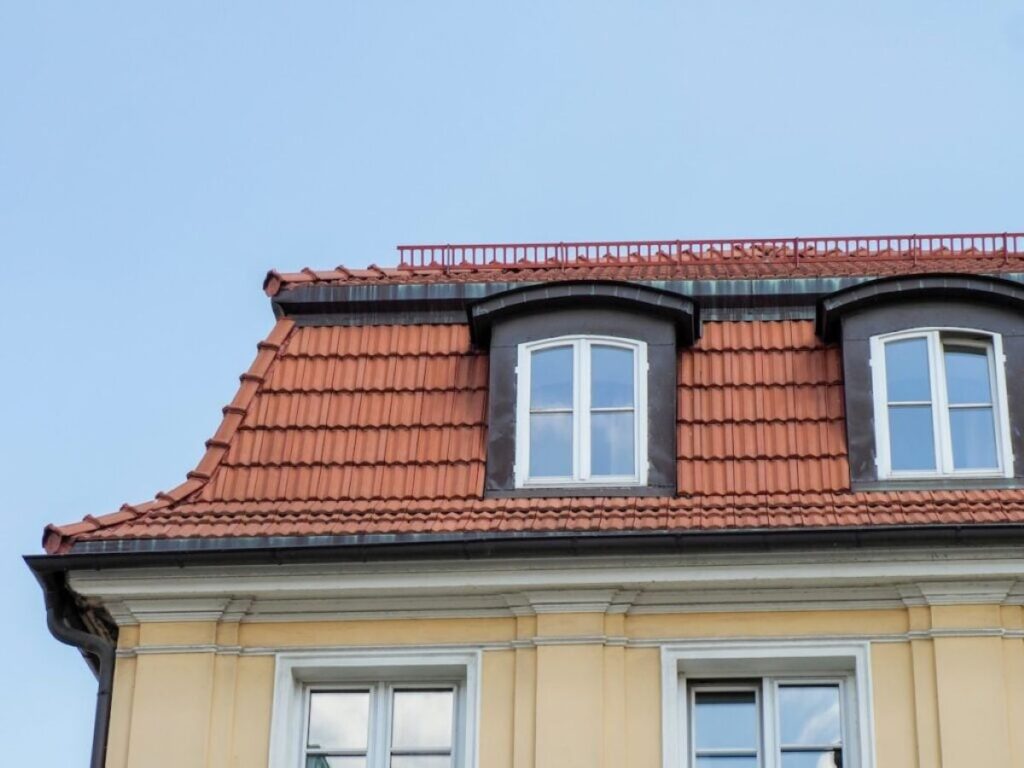
The mansard roof offers not only a striking visual appeal but also practical advantages that contribute to a home’s value and comfort. Here are some ways adopting a mansard roof can transform your property:
Maximizing Living Space
With the steep lower slope, the space under a mansard roof can become a full additional floor instead of a cramped attic. This extra room can serve as bedrooms, offices, or entertainment areas.
Architectural Versatility
- Classic Appeal: Mansard roofs are synonymous with Second Empire and French Renaissance styles, ideal for historic or stately homes.
- Modern Adaptations: Contemporary designs fuse mansard shapes with clean lines and modern materials, creating a unique blend.
Enhanced Natural Lighting
The inclusion of dormer windows not only creates character but also floods upper floors with daylight, reducing energy usage and enhancing comfort.
Potential Energy Efficiency
- The thick walls and roofs often associated with mansard designs provide excellent insulation.
- Properly installed roofing materials and ventilation help regulate temperature year-round.
Maintenance and Considerations for Mansard Roof Owners
Owning a mansard roof comes with special maintenance needs due to its shape and style. Being proactive helps maintain its beauty and durability over time.
Regular Inspections
- Check for signs of water damage, especially near dormers and steep slopes.
- Look for loose or damaged shingles or tiles that could compromise the roofing structure.
Gutter and Drainage Maintenance
Clear gutters and downspouts regularly to prevent clogging that can cause water to pool on the roof. Proper drainage extends roofing life and prevents costly repairs.
Professional Repairs and Upgrades
- Structural repairs require experienced roofing contractors familiar with the mansard design.
- Consider upgrading to modern, high-performance roofing materials during replacements.
Planning Renovations
If you intend to add living space or install new windows, collaborating with architects and roofing professionals ensures compliance with design integrity and local codes.
Comparing Mansard Roofs to Other Popular Roof Styles
Understanding how a mansard roof stacks up against other common types can help you make an informed decision for your home or project.
| Roof Type | Key Features | Advantages | Considerations |
|---|---|---|---|
| Mansard Roof | Dual slopes, steep lower slope, dormers | Maximized attic space, elegant style, great lighting | Complex structure, higher maintenance, cost |
| Gable Roof | Two sloping sides meeting at a ridge | Simple design, effective water runoff, easy maintenance | Limited attic space, less distinctive |
| Hip Roof | All sides slope downward to walls | Strong for wind resistance, balanced look | Limited attic space, more complex framing |
This comparison illustrates the mansard roof’s unique ability to blend style and functionality, despite higher complexity and maintenance demands.
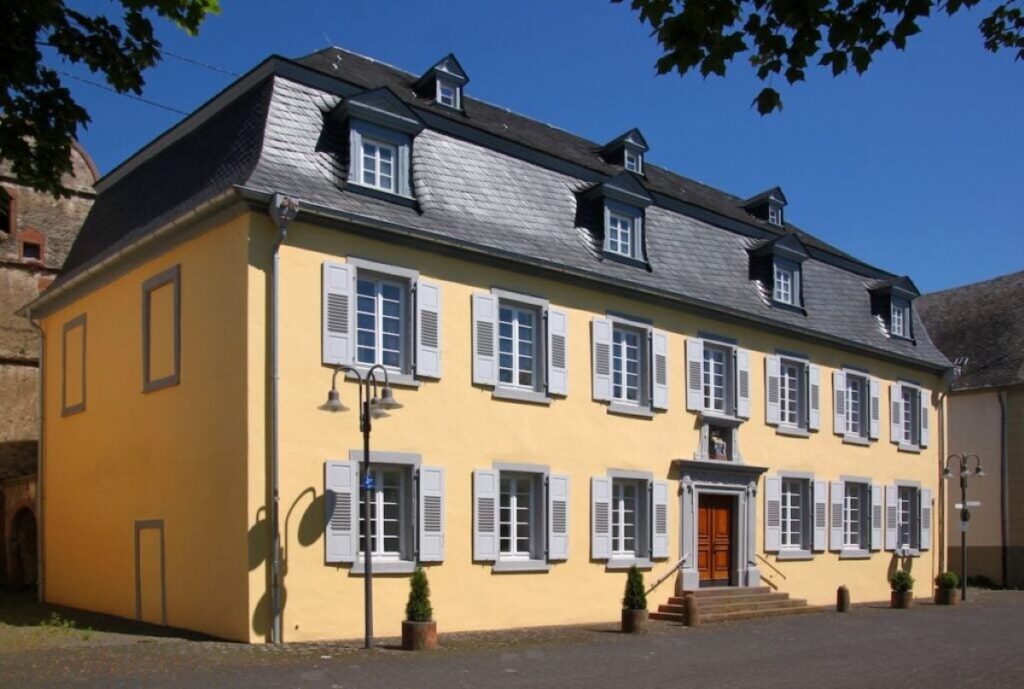
Mansard Roofing For Your Home
The mansard roof remains a distinguished option for those seeking both aesthetic appeal and optimized living space. Its rich history and architectural versatility make it a compelling choice for homeowners in need of functional elegance. Whether you are considering new construction or remodeling, understanding the mansard roof’s advantages and requirements is essential.
Ready to explore how a mansard roof can redefine your home’s exterior and expand your living space? Contact us today to discuss your roofing needs and receive expert guidance tailored to your project.

Written By: admin