

General Roofing
Roofing
Storm Damage
Melbourne Beach Roofing: Post-Storm Inspection
The immediate aftermath of a storm in Melbourne Beach often brings a deceptive calm. The heavy rain has stopped, the wind has subsided, and the sun might even be peeking through the clouds, casting long shadows across your yard. Yet, for many homeowners, this quiet period is filled with a gnawing uncertainty, a silent question hanging in the humid air: what about the roof? Even if the storm felt minor, the unique weather patterns of Florida mean that even scattered storms can produce significant localized wind damage, as seen with recent weather events across the state (Source: weather.gov).
That subtle shift in the wind, the unfamiliar creak, or a misplaced shingle in the yard can be indicators of deeper issues that demand immediate attention. This post isn’t just about spotting obvious damage; it’s about understanding the silent threats that Florida’s climate consistently poses to your roof, especially after any significant weather event. We aim to equip you with the knowledge to assess your situation and understand when a professional eye is not just helpful, but absolutely essential for the longevity and safety of your home in Melbourne Beach.
Ignoring potential storm damage, no matter how small it seems, can lead to costly repairs down the line, including water intrusion, mold growth, and compromised structural integrity. This is where professional insight becomes invaluable. As a family-owned business with over 25 years of combined experience right here in Brevard County, Florida Roof Bros understands the specific challenges Melbourne Beach roofs face. When you need expert advice or a thorough inspection, don’t hesitate to reach out to us directly at (321) 446-1702.
Our goal is to help you navigate the post-storm period with confidence, ensuring your home remains a safe haven. We’ll delve into what constitutes storm damage, why Florida’s specific environmental factors make regular inspections critical, and how a proactive approach can save you significant stress and expense. From minor granule loss to major structural concerns, understanding the nuances of storm impact on your roofing system is the first step towards effective protection and peace of mind.
The reality of living in Florida means consistently managing climate risks to real estate, with hurricanes and tropical storms being a recurring challenge (Source: brookings.edu). This continuous exposure makes robust roofing not just a luxury, but a necessity, and a diligent post-storm inspection is a critical component of maintaining that resilience. By understanding the foundational knowledge we will share, you’ll be better prepared to protect your investment and ensure your roof is ready for whatever the Florida weather brings next.
Understanding Florida’s Storm Impact on Your Melbourne Beach Roof
Florida’s unique geographical position makes it a hotspot for intense weather, from daily afternoon thunderstorms to powerful hurricanes. This constant barrage of sun, heat, heavy rain, and high winds places immense stress on roofing materials, often accelerating wear and tear that might go unnoticed in less extreme climates. For Melbourne Beach homeowners, understanding these environmental factors is crucial to appreciating why a post-storm roof inspection is more than just a recommendation, it’s a vital part of home maintenance.
The evolution of Florida’s building codes directly reflects our history with severe weather. Following devastating events like Hurricane Andrew in 1992, which caused an estimated $26 billion in damages and led to significant changes in construction practices (Source: huduser.gov), codes became much more stringent. Modern roofing systems in Brevard County are now designed to withstand higher wind speeds and offer improved resistance to water intrusion. However, even the most robust roof can suffer damage from the sheer force of a storm, highlighting the need for vigilance.
When we talk about storm damage, it’s not always obvious. Common issues range from missing or cracked shingles, which can expose the underlayment to the elements, to granule loss that compromises the shingle’s protective qualities. Beyond the visible, high winds can loosen flashing around chimneys and vents, create uplift damage along eaves, or cause impact damage from flying debris. Even seemingly minor issues can lead to significant water leaks, which then foster mold growth and structural rot if not addressed promptly.
The quality of materials and installation plays a pivotal role in your roof’s resilience. As an Owens Corning Platinum Preferred Contractor, Florida Roof Bros uses high-performance roofing systems designed to meet and exceed Florida’s stringent building codes. This certification means we adhere to the highest standards of workmanship and can offer extended warranties that provide extra peace of mind against future storm damage. Our commitment to using superior products, installed by our in-house, licensed, insured, certified, and bonded crews (FL license CCC1332911), ensures your roof is built to last.
Beyond the immediate visible damage, the hidden dangers are often the most insidious. Water intrusion, even from a small breach, can slowly degrade your attic space, insulation, and interior ceilings, leading to expensive repairs and potential health hazards. A professional inspection goes beyond a ground-level glance, utilizing expertise to identify subtle signs of compromise that an untrained eye might miss. This thorough approach is why our A+ rating with the BBB and over 300 five-star Google reviews reflect our dedication to comprehensive protection and homeowner satisfaction.
Understanding Storm Damage and Your Melbourne Beach Roof
Living in Melbourne Beach means enjoying beautiful coastal living, but it also means being prepared for Florida’s intense storm seasons. A post-storm roof inspection isn’t just a good idea; it’s a critical step in protecting your home and investment. Even if a storm seems minor, hidden damage can lead to costly problems down the line, compromising your roof’s integrity and potentially voiding warranties if not addressed promptly. Our goal at Florida Roof Bros is to help you understand the unique challenges our local roofs face and what’s required to keep them resilient.
The Florida Building Code and Wind Resistance
Florida’s stringent building codes are designed specifically to enhance structural resilience against hurricanes and tropical storms, especially in coastal areas like Melbourne Beach. The Florida Building Code (FBC), particularly Chapter 15, outlines strict requirements for roof design, materials, and installation to withstand high winds. Roofs must be installed to resist significant uplift pressures, with materials and fastening methods tested for compliance. For instance, specific nailing patterns and adhesive applications are mandated for shingles, and mechanical fasteners are critical for metal and tile roofs, all aimed at preventing catastrophic roof failure during severe weather events.
Understanding wind ratings is crucial here. Most quality roofing materials sold in Florida are rated for wind speeds up to 130 mph, often exceeding Category 3 hurricane force (111-129 mph). However, a Category 4 hurricane brings winds of 130-156 mph, and even a strong Category 1 storm (74-95 mph) can cause significant damage to an older or improperly installed roof. The FBC also dictates secondary water barrier requirements, which protect your home from water intrusion even if the primary roof covering is compromised, a vital layer of defense against Florida’s torrential rains.
Common Roofing Materials in Florida: Durability and Lifespan
The choice of roofing material significantly impacts its performance and lifespan in Melbourne Beach’s harsh climate, which combines intense UV radiation, high humidity, and salt-laden air. While many materials perform well, their expected lifespans here often differ from national averages due to these environmental factors:
- Architectural Shingles: These are by far the most common roofing material in Florida. Modern architectural shingles are designed to be durable, often with a Class 4 impact resistance rating and wind resistance up to 130 mph. Nationally, they might last 30-50 years, but in Florida, intense heat and UV exposure can reduce their effective lifespan to 20-30 years before granule loss and brittleness become significant issues.
- Standing Seam Metal: An increasingly popular choice, standing seam metal roofs offer superior durability and wind resistance, often rated for winds exceeding 150 mph. They are excellent at shedding water and resisting mold and mildew. While a metal roof might last 50-100 years in more temperate climates, in Florida, you can typically expect 40-70 years of reliable performance, largely due to the constant sun exposure and potential for salt air corrosion if not properly maintained or coated.
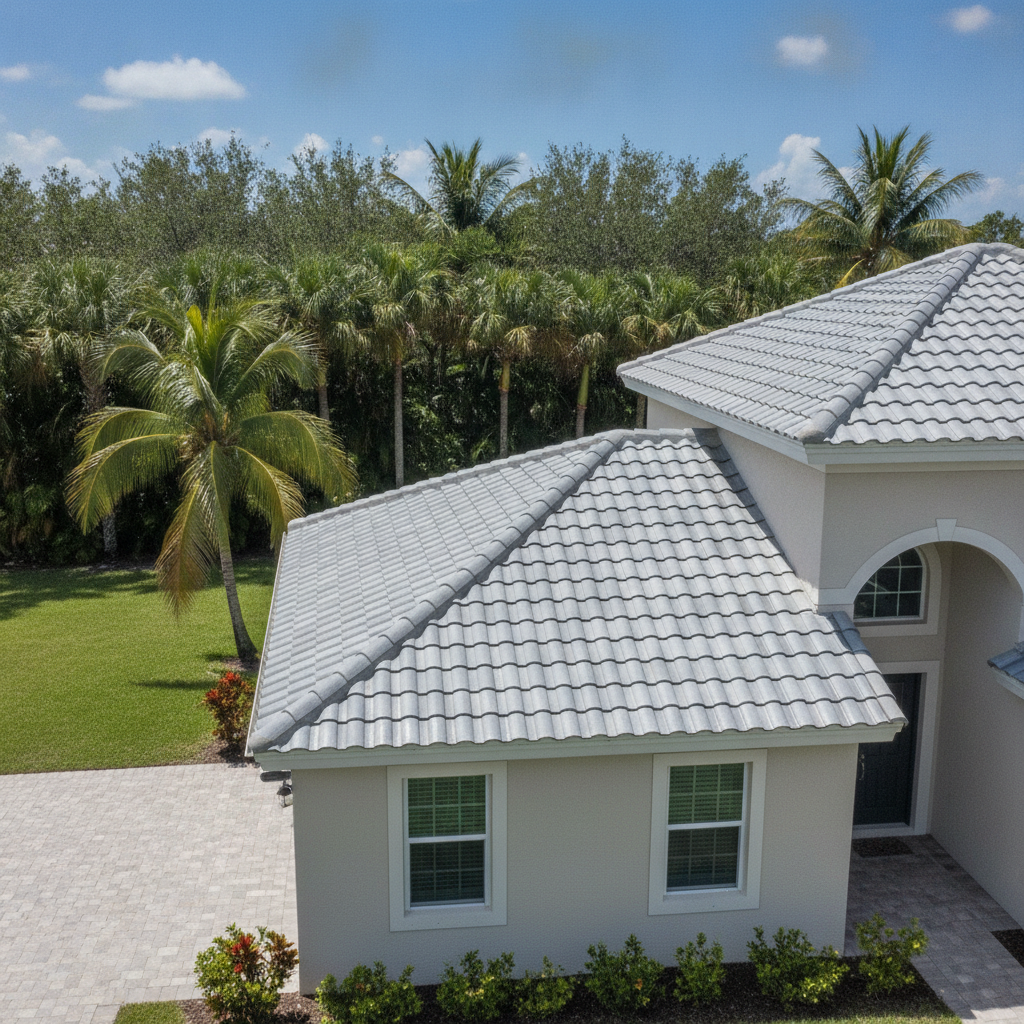
- Concrete Tile: Known for its aesthetic appeal and exceptional durability, concrete tile roofs are a premium option. They offer excellent wind resistance, often exceeding 150 mph, and are highly resistant to fire and rot. Their mass also provides good insulation. Nationally, tile roofs can last 50-100 years, but in Florida, the underlayment, which is crucial for waterproofing, typically dictates the practical lifespan of 30-50 years before needing replacement, even if the tiles themselves remain intact.
Regardless of material, Florida’s climate accelerates wear and tear. Constant expansion and contraction from temperature swings, coupled with the corrosive effects of salt air, can degrade sealants, fasteners, and the roofing material itself faster than in inland regions.
Identifying Common Post-Storm Damage
Post-storm damage isn’t always obvious. Wind damage can manifest as missing, lifted, or creased shingles, especially along roof edges and ridges. Even if shingles aren’t completely gone, their seals can be broken, making them vulnerable to future winds and water intrusion. Hail, even small hail, can cause granule loss on asphalt shingles, leading to premature aging, or dent metal roofs and crack tiles. Water intrusion, often a secondary effect of wind or hail damage, can lead to attic leaks, ceiling stains, and mold growth, which are signs that your roof’s protective layers have been compromised. Damage to flashing around chimneys, skylights, and vents is also common, as these are critical areas for preventing leaks.
A professional inspection by Florida Roof Bros is vital because many types of storm damage, particularly broken seals, minor creasing, or hail impact, are not visible from the ground and require a trained eye to identify. Our team can safely access your roof, thoroughly assess its condition, and provide an honest, detailed report, ensuring that any issues are caught before they escalate into more significant and expensive repairs.
What Melbourne Beach Homeowners Should Do After a Storm
-
Prioritize Safety First
WHY: Your safety is paramount. After a storm, power lines may be down, debris can be unstable, and the roof itself might be compromised. Climbing on a wet, damaged, or otherwise unsafe roof is extremely dangerous and should never be attempted by a homeowner.
HOW: Stay on the ground. Carefully walk around your property, looking for obvious hazards like downed power lines or tree branches. If you see anything suspicious, keep a safe distance and contact emergency services or your utility company immediately. Do not attempt to move large debris from your roof or climb a ladder.
-
Conduct a Thorough Ground-Level Inspection
WHY: While you should never climb on your roof yourself, a careful visual inspection from the ground can reveal obvious signs of damage and help you prioritize next steps. This initial assessment provides valuable information for your roofer and insurance company.
HOW: Use binoculars to scan your entire roof. Look for missing, cracked, or curled shingles; bent or torn metal panels; dislodged or broken tiles; and any visible punctures or depressions. Also, check your gutters for excessive granule accumulation from asphalt shingles, which indicates wear, and inspect fascia boards, soffits, and chimney caps for damage. Don’t forget to look for debris on the roof or around the perimeter of your home.
-
Inspect Your Attic and Interior for Water Intrusion
WHY: Storm damage often leads to leaks, and water can travel far from the point of entry before becoming visible. Interior damage can quickly lead to mold growth, structural issues, and damage to personal property, making prompt detection crucial.
HOW: With a flashlight, carefully inspect your attic for any signs of water stains on the underside of the roof decking, insulation, or rafters. Check your ceilings and walls inside your home for discoloration, peeling paint, or drips. If you find any water, note its location and approximate size. Be mindful of electrical hazards if water is near wiring.
-
Document Everything Extensively
WHY: Comprehensive documentation is critical for any insurance claim. Detailed photos and videos provide undeniable proof of damage, helping to expedite your claim and ensure you receive fair compensation.
HOW: Use your smartphone or a digital camera to take clear, well-lit photos and videos of all visible damage. Capture wide shots showing the overall condition of your roof and close-ups of specific damaged areas. Include photos of any interior leaks or damage. Date and time-stamp your documentation if possible. Keep these files organized and backed up.
-
Contact a Trusted Local Roofer Immediately
WHY: A professional inspection by a local company like Florida Roof Bros is the most important step. We have the expertise to identify hidden damage, understand Florida Building Code requirements, and provide accurate assessments. Prompt action is also vital for insurance claims; in Florida, homeowners generally have one year from the date of loss to file a claim, but earlier detection and reporting are always better.
HOW: As soon as it’s safe, call Florida Roof Bros. We offer free, no-obligation post-storm inspections for Melbourne Beach homeowners. Our certified inspectors will safely get on your roof, meticulously examine every component, and provide a detailed report of any damage, along with recommendations for repair or replacement. We can also assist you with navigating the insurance claim process.
-
Review Your Homeowner’s Insurance Policy
WHY: Understanding your specific policy details, including deductibles, coverage limits, and any storm-specific clauses, is essential before filing a claim. Florida policies can be complex, especially regarding hurricane deductibles and timelines.
HOW: Locate your insurance policy documents. Pay close attention to your deductible (especially any separate hurricane deductible), coverage for wind vs. hail damage, and the claims filing deadline. In Florida, there is typically a one-year statute of limitations for filing property damage claims from the date of loss, but confirming this with your agent is always wise. Knowing these details upfront will prepare you for discussions with your insurer and your roofer.
-
Safely Mitigate Further Damage
WHY: If your roof has sustained significant damage, taking steps to prevent further water intrusion is crucial. This can prevent secondary damage like mold and rot, which may not be covered if you fail to act reasonably to protect your property. This is a critical step for Florida homeowners due to our frequent heavy rains.
HOW: If safe to do so, and only if you have the proper equipment and experience, you might consider temporarily tarping severely damaged areas to prevent immediate leaks. However, we strongly recommend allowing Florida Roof Bros to perform this task, as we can do it safely and effectively. Never attempt to make permanent repairs yourself, as this can void warranties or create more problems. Keep receipts for any emergency repairs, as these costs are often reimbursable by your insurance.
Frequently Asked Questions
What are the common signs of storm damage I should look for on my roof in Melbourne Beach?
After a storm in Melbourne Beach, look for visible signs like missing, cracked, or bruised shingles, especially along the edges or on the windward side of your home. Also, check your gutters for shingle granules and examine your yard for debris that may have come from your roof. Don’t forget to inspect your attic for any new water stains or leaks.
How soon after a storm should I get my roof inspected in Florida?
It is highly recommended to schedule a professional roof inspection as soon as possible after a significant storm in Florida, ideally within a few days. Prompt inspection helps identify damage before it worsens, potentially leading to more extensive and costly repairs. Early action also ensures you meet any deadlines for filing insurance claims.
Will my homeowner’s insurance cover storm damage roof repairs in Melbourne Beach?
Most homeowner’s insurance policies in Florida do cover roof damage caused by sudden and accidental events like severe storms, wind, or hail. However, coverage details vary based on your specific policy, deductible, and the age of your roof. It’s crucial to review your policy or contact your insurance provider directly to understand your specific benefits and the claims process.
What’s the typical process for a post-storm roof repair with Florida Roof Bros?
Our process begins with a 100% free, thorough inspection to accurately assess the storm damage and document it with photos. We then provide a detailed report and estimate, and if you choose, we can assist you with navigating your insurance claim. Once approved, our experienced team will efficiently perform the necessary repairs or replacement, ensuring quality workmanship and minimal disruption to your home.
Is it better to repair or replace my roof after storm damage in Melbourne Beach?
The decision to repair or replace depends on the extent of the damage, the age of your roof, and its overall condition. Minor, isolated damage might be suitable for repair, especially on a newer roof. However, widespread damage, significant structural issues, or an older roof nearing the end of its lifespan often make a full replacement the more cost-effective and long-term solution for homeowners in Melbourne Beach.
How long do roof repairs typically take in Florida after storm damage?
The duration of roof repairs or replacement after storm damage in Florida varies significantly based on the severity of the damage, the size of your roof, and material availability. Minor repairs might only take a day or two, while a full roof replacement could range from three to seven days. Florida Roof Bros strives for efficient service without compromising on quality, keeping you informed throughout the project timeline.
Roofing Services Across Central Florida
Florida Roof Bros serves homeowners throughout Brevard County, Pinellas County, and surrounding Central Florida communities. If you need a roof inspection, repair, or replacement in any of these areas, our team is ready to help:
- Palm Bay, FL Roofing
- Melbourne, FL Roofing
- West Melbourne, FL Roofing
- Rockledge, FL Roofing
- Vero Beach, FL Roofing
Secure Your Home: Don’t Delay a Professional Roof Inspection
In Melbourne Beach, experiencing a severe storm is unfortunately a common occurrence, making proactive roof maintenance and post-storm inspections absolutely critical. Understanding the potential signs of damage, knowing when to act, and familiarizing yourself with the insurance process are all vital steps in protecting your most significant investment. By prioritizing a thorough roof assessment after any significant weather event, you ensure the longevity and safety of your home and family.
Don’t let unseen damage compromise your peace of mind or lead to more costly problems down the line. Even if you don’t see obvious issues from the ground, hidden damage can be lurking, ready to cause leaks or structural issues during the next rainy season. The best way to guarantee your roof’s integrity is through a professional, expert inspection.
At Florida Roof Bros, we understand the unique challenges Florida homeowners face, and we’re here to help. We offer 100% free, no-obligation roof inspections to accurately assess any storm damage and provide you with clear, honest recommendations. Protect your home and ensure its resilience against future storms by taking the first step today. For a reliable inspection and peace of mind, reach out to us.
Your home deserves the best protection, and we’re committed to delivering it. Schedule your free inspection with Florida Roof Bros now and let our certified experts ensure your roof is in top condition. Don’t wait for a small problem to become a big one. Trust the Pros, Call the Bros at (321) 446-1702 to secure your Melbourne Beach home.
Need a free roof inspection? Call Florida Roof Bros at (321) 446-1702 or request a free inspection online. Family-owned, no subcontractors, Owens Corning Platinum Preferred. Trust the Pros, Call the Bros.
