

General Roofing
Insurance
Roofing
Storm Damage
Melbourne Beach Roofing: When To Replace vs Claim
The quiet after a Florida storm can be deceptive. As the rain subsides and the sun begins to peek through the clouds over Melbourne Beach, many homeowners step outside with a familiar knot of anxiety, looking up at the roof that protects their most valuable asset. Perhaps you’ve spotted a few missing shingles scattered across the lawn, or noticed an unusual dark streak running down a fascia board. Maybe it’s not even storm-related; perhaps years of relentless sun, humidity, and the occasional torrential downpour have simply taken their toll, leaving you wondering if those curled edges or granular loss are just cosmetic or a sign of deeper trouble.
This moment of uncertainty is common for homeowners across Brevard County. Deciding whether your roof needs a minor repair, a full replacement, or if the damage warrants an insurance claim can feel overwhelming. The stakes are high, impacting your home’s structural integrity, energy efficiency, and ultimately, your wallet. Without clear guidance, it’s easy to feel lost in a sea of questions about what constitutes legitimate damage versus normal wear and tear, and how to navigate the often-complex world of homeowner’s insurance.
This post aims to cut through that confusion, providing clear, practical insights specifically for Melbourne Beach homeowners facing this critical decision. We’ll explore the key indicators that suggest your roof might need attention, differentiate between age-related deterioration and storm damage, and help you understand when initiating an insurance claim is the most appropriate course of action. Our goal is to empower you with the knowledge needed to make an informed choice, protecting your home and investment for years to come.
When it comes to something as vital as your roof, having a trusted, local expert by your side makes all the difference. Here at Florida Roof Bros, we understand the unique challenges Florida roofs face. As a family-owned company with over 25 years of combined experience right here in Brevard County, we pride ourselves on our in-house crews and commitment to quality. We’re not just roofers; we’re your neighbors, dedicated to providing transparent, honest advice. If you have immediate concerns or questions about your roof, don’t hesitate to call us directly at (321) 446-1702. Trust the Pros, Call the Bros.
Understanding the nuances of roof replacement versus filing an insurance claim is crucial, especially in a region prone to severe weather. It’s not simply about visible damage; it involves considering the age of your roof, the specific type of damage, local building codes, and the terms of your insurance policy. Making the wrong decision could lead to denied claims, costly out-of-pocket expenses, or worse, leaving your home vulnerable to future weather events. We’re here to help you navigate these waters with confidence and clarity.
The Florida Climate and Your Roof: Key Considerations for Melbourne Beach Homeowners
Living in Melbourne Beach, we enjoy the beautiful coastal lifestyle, but that comes with a distinct set of challenges for our homes, especially our roofs. The Florida climate is relentless, subjecting roofing materials to extreme conditions that significantly impact their lifespan and performance. Intense ultraviolet (UV) radiation from the sun, high humidity levels, persistent heat, and the constant threat of severe weather events like tropical storms and hurricanes all contribute to accelerated wear and tear that roofs in other parts of the country simply don’t experience.
Consider the impact of these environmental factors on common roofing materials. Asphalt shingles, widely used across Brevard County, are particularly susceptible to the sun’s harsh rays. Over time, UV exposure causes the protective granules on shingles to detach, washing away into gutters or accumulating in downspouts. This granule loss exposes the asphalt matting underneath, leading to brittleness, cracking, and a reduced ability to shed water effectively. Heat also contributes to blistering and curling of shingles, further compromising their integrity and significantly shortening their expected lifespan, often well below the manufacturer’s stated warranty in these conditions.
Beyond the daily assault of sun and heat, Florida’s stringent building codes play a critical role in roof replacement decisions. Following the devastation of Hurricane Andrew in 1992, the state implemented some of the toughest building codes in the nation, particularly concerning roof construction and wind mitigation. This means that when a roof is replaced, it must be brought up to current code standards, which often involves upgraded underlayment, enhanced nailing patterns, and stronger decking attachments. While these upgrades increase the initial cost, they also provide superior protection against future storms and can even qualify homeowners for insurance premium discounts.
The financial implications of a roof replacement are substantial, making the “replace vs. claim” decision even more critical. A new roof for an average Melbourne Beach home can represent a significant investment, ranging from tens of thousands of dollars depending on the size, material, and complexity. This cost naturally leads homeowners to consider their insurance policy, which is designed to cover sudden and accidental damage, typically from storms, falling trees, or other unforeseen events. However, insurance generally does not cover damage resulting from neglect, poor maintenance, or simply the natural aging process of the roof.
Distinguishing between insurable damage and age-related wear is where the expertise of a professional roofer becomes invaluable. For instance, hail damage, characterized by random impact marks that can bruise or crack shingles, is typically covered. Wind damage, such as lifted or missing shingles due to severe gusts, also falls under most policies. However, widespread granule loss or extensive cracking that has developed slowly over many years, without a specific storm event, is often categorized as wear and tear, and therefore not eligible for an insurance claim. Understanding these distinctions is the first step in making a wise decision for your Melbourne Beach property.
Understanding Your Melbourne Beach Roof: Replace, Repair, or Claim?
For homeowners in Melbourne Beach, the decision to replace a roof outright, make a repair, or file an insurance claim is more complex than just spotting a leak. It hinges on understanding the nature of the damage, the age of your roof, and the specific challenges our Florida climate presents. This section dives deep into these considerations, helping you navigate the complexities of roof maintenance and damage assessment.
Florida Building Code and Wind Mitigation
One of the most critical factors in any Melbourne Beach roofing project is the Florida Building Code (FBC). Unlike many other states, Florida has extremely stringent codes, particularly concerning wind resistance, which are regularly updated after major hurricane events. When you replace a roof here, it’s not just about putting on new shingles; it’s about bringing the entire system up to current FBC standards. This often means ensuring proper attachment, secondary water barriers, and adequate attic ventilation, all designed to protect against the high winds of hurricane categories we frequently experience.
For example, roofs in our area must meet specific uplift resistance requirements, which can mean adding hurricane straps or clips to the truss system. The FBC also mandates a “secondary water barrier” underlayment, which acts as a last line of defense against water intrusion if your primary roofing material is compromised during a storm. Ignoring these requirements isn’t an option; they are legally required for permitting and crucial for your home’s long-term integrity and insurability.
Common Florida Roofing Materials and Their Lifespans
The choice of roofing material significantly impacts both lifespan and resistance to Florida’s harsh environment. Down here, UV radiation, extreme humidity, and salt air from the ocean accelerate wear and tear compared to national averages.
- Architectural Shingles: These are very popular in Melbourne Beach due to their affordability and aesthetic appeal. While nationally they might last 30-50 years, in Florida’s intense sun and humidity, you can typically expect a lifespan of 20-30 years. Installation costs generally range from $4 to $7 per square foot.
- Standing Seam Metal Roofs: Known for their durability and energy efficiency, metal roofs are an excellent choice for Florida. They resist high winds and shed water effectively. Nationally, they can last 40-70 years, but even with our climate, a well-installed standing seam metal roof can easily last 30-50+ years. Expect installation costs between $8 and $15 per square foot.
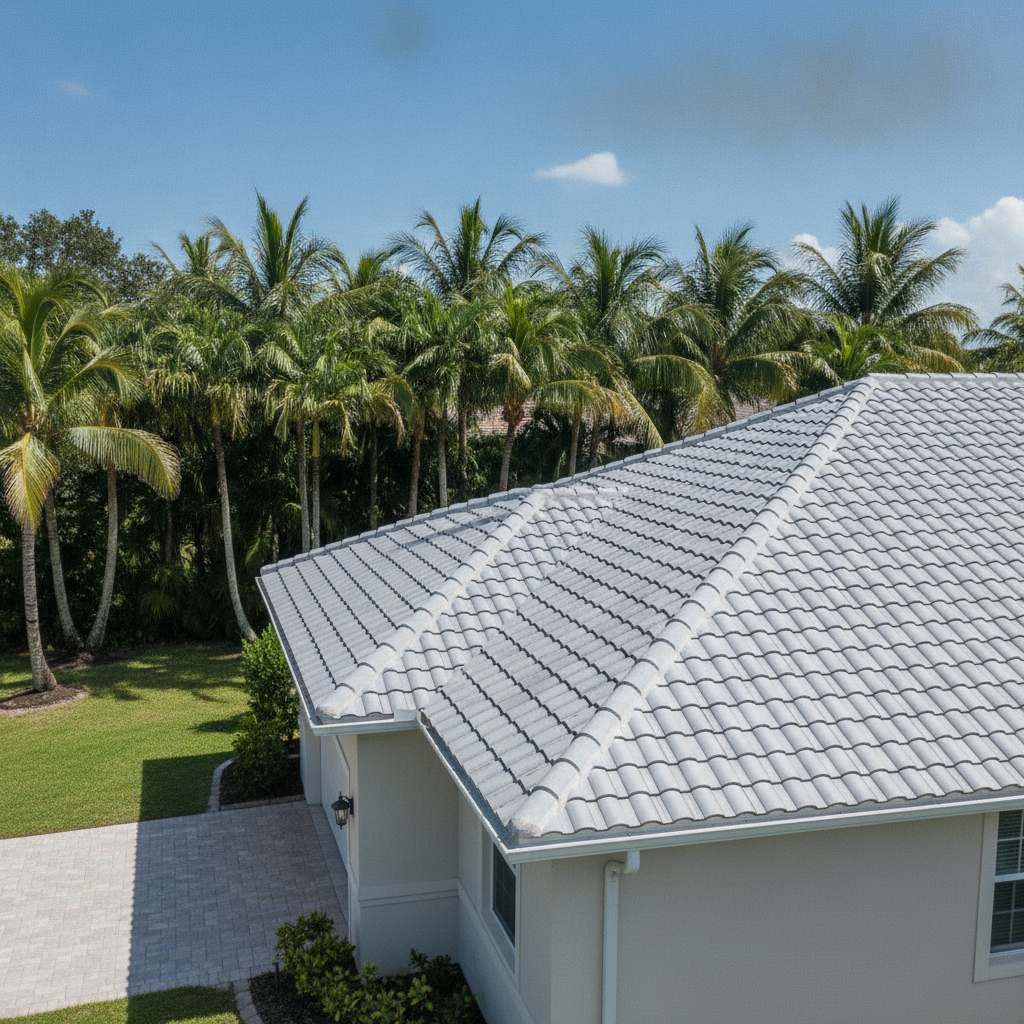
- Concrete Tile Roofs: A classic Florida look, concrete tiles offer exceptional durability, fire resistance, and wind resistance. While they can last 50-100 years in more temperate climates, in Florida, a lifespan of 30-50+ years is more realistic due to constant exposure to humidity, algae growth, and occasional impacts from storm debris. Installation costs are typically higher, ranging from $10 to $20 per square foot.
Understanding these typical lifespans is key when assessing if damage warrants a claim or if the roof is simply at the end of its useful life due to normal wear and tear.
Assessing Damage: Wear and Tear vs. Storm Impact
The distinction between normal wear and tear and damage caused by a sudden, accidental event is paramount for insurance claims. Insurance policies generally cover sudden, unforeseen damage such as that from hurricanes, tropical storms, hail, or falling objects. They typically do not cover damage that results from neglect or the natural aging process of your roof materials.
For instance, an old architectural shingle roof showing signs of granular loss, curling, or cracking across multiple slopes due to sun exposure is likely wear and tear, indicating it’s time for replacement. However, if a Category 1 hurricane rips off a section of those same shingles, or a tree branch punctures the decking, that’s clear storm damage. The challenge often lies in the gray areas: is the roof failing because it’s old, or did a recent storm exploit existing weaknesses, accelerating its demise? This is where a professional, unbiased assessment from a local roofer like Florida Roof Bros becomes invaluable.
The Role of Your Insurance Policy: ACV vs. RCV
When considering a claim for your Melbourne Beach roofing, it’s crucial to understand your insurance policy’s payout structure. Most policies offer either Actual Cash Value (ACV) or Replacement Cost Value (RCV) coverage. ACV policies pay out the depreciated value of your roof at the time of loss, meaning the older your roof, the less you’ll receive. For example, a 15-year-old shingle roof might only get you 50% of the replacement cost after depreciation.
RCV policies, on the other hand, cover the cost to replace your roof with new materials of similar kind and quality, without deduction for depreciation. This usually involves an initial ACV payment, followed by the depreciation amount once the repair or replacement is completed. For homeowners in a high-risk hurricane zone like Melbourne Beach, RCV coverage is almost always preferable, despite typically higher premiums, as it provides far greater protection when major damage occurs.
What Melbourne Beach Homeowners Should Do
Navigating roof issues in Florida requires a proactive approach. Here are actionable steps and practical tips for Melbourne Beach homeowners to protect their investment and ensure they’re prepared for any roofing scenario.
-
Conduct Regular Roof Inspections:
Why: Early detection of minor issues prevents them from escalating into costly major repairs or full replacements. This also helps differentiate between pre-existing wear and new storm damage, which is crucial for insurance claims.
How: Schedule a professional roof inspection at least once a year, and definitely after any significant storm, even if you don’t see obvious damage from the ground. A local roofer can spot granular loss, cracked tiles, loose flashing, or signs of water intrusion that aren’t visible to the untrained eye.
-
Understand Your Insurance Policy Inside and Out:
Why: Knowing your coverage limits, deductibles, and whether you have ACV or RCV coverage before a storm hits is critical. Florida-specific policies often have separate hurricane deductibles (typically 2% of your home’s insured value, which can be substantial) and specific timelines for filing claims.
How: Don’t just skim your policy. Read it thoroughly, or better yet, sit down with your insurance agent annually. Ask specific questions about roof damage coverage, especially regarding wind, hail, and water intrusion, and clarify the claim filing process and deadlines.
-
Document Your Roof’s Condition Regularly:
Why: Photographic or video evidence of your roof’s condition before any damage occurs is invaluable for an insurance claim. It provides undeniable proof of the roof’s state prior to a storm, helping to dispute claims of pre-existing damage or neglect.
How: Take clear, date-stamped photos or a video walkthrough of your entire roof and property every year, and especially before hurricane season. Store these securely, perhaps in cloud storage, so they are accessible even if your physical property is damaged.
-
Act Quickly After Suspected Damage:
Why: In Florida, delaying action after a storm can lead to secondary damage (like mold or structural issues) that might not be covered if not addressed promptly. Insurance policies often have strict deadlines, sometimes as short as 180 days, for reporting hurricane damage.
How: As soon as it’s safe after a storm, visually inspect your roof from the ground. If you suspect damage, contact a reputable Melbourne Beach roofing contractor like Florida Roof Bros immediately for a professional assessment. They can provide temporary tarping to prevent further damage and help document the initial state of your roof for your claim.
-
Choose a Reputable Local Roofing Contractor:
Why: A local contractor understands the Florida Building Code, local permitting processes, and the specific challenges of our climate. They can provide an accurate, code-compliant estimate and advocate for you during the insurance process. Be wary of storm chasers who appear after a hurricane and disappear just as quickly.
How: Look for contractors with strong local references, proper licensing (CGC or CCC), and robust insurance. Ask for detailed proposals that outline materials, scope of work, and adherence to FBC. Florida Roof Bros has a proven track record right here in Melbourne Beach.
-
Don’t Settle for Inadequate Repairs or Lowball Offers:
Why: An insufficient repair or a settlement that doesn’t cover a full, code-compliant replacement will only lead to future problems and potentially compromise your home’s safety and insurability. Your roof must meet current FBC standards.
How: Get a detailed, itemized estimate from your chosen roofing contractor. Compare this with your insurance adjuster’s assessment. If there’s a significant discrepancy in scope or cost, your roofer can often provide additional documentation or justification to the insurer, ensuring you get the coverage needed for a proper repair or replacement.
Frequently Asked Questions
When is it generally better to file an insurance claim for roof damage in Melbourne Beach, FL?
Filing an insurance claim is typically advisable for sudden, unexpected damage caused by perils like hurricanes, strong winds, or hail, which are common in Melbourne Beach. If the cost of repairs or replacement significantly exceeds your deductible, and the damage is clearly storm-related rather than due to age or neglect, a claim is often the most financially sensible option. Always document the damage thoroughly with photos and videos immediately after the event.
What common signs indicate my Melbourne Beach roof needs replacement rather than just repairs?
While minor leaks or a few missing shingles might warrant repairs, widespread issues usually point to the need for a full replacement. Look for significant granule loss on asphalt shingles, curling or buckling shingles across large sections, visible sagging, or extensive water damage in multiple areas of your attic. If your roof is approaching or has exceeded its expected lifespan, typically 15-20 years for asphalt shingles in Florida’s climate, replacement is often the more durable and cost-effective long-term solution.
How does Florida’s building code specifically affect roof replacement projects in Melbourne Beach?
Florida’s building codes are among the strictest in the nation, particularly concerning wind resistance due to hurricane risks. A full roof replacement in Melbourne Beach requires adherence to the latest codes, which often means upgraded decking attachment, secondary water barriers, and specific fastening schedules for shingles or other roofing materials. These code upgrades are designed to enhance your home’s resilience against severe weather and can sometimes qualify you for wind mitigation insurance discounts.
Will filing a roof damage claim in Florida automatically raise my homeowner’s insurance premiums?
Not necessarily. While a single claim for storm-related damage might not automatically trigger a premium increase, multiple claims within a short period or claims for preventable issues could impact your rates. Insurance companies primarily consider the nature of the claim, the frequency of claims, and the overall risk profile of your area. It is always wise to consult with your insurance agent to understand the potential implications of filing a claim specific to your policy and circumstances.
What is the typical lifespan of a shingle roof in the Melbourne Beach climate, and when should I consider replacement?
In the challenging Melbourne Beach climate, characterized by intense sun, humidity, and frequent storms, the typical lifespan of an asphalt shingle roof is often closer to 15-20 years, rather than the 20-30 years it might last in milder climates. Beyond this age, shingles become brittle, lose granules, and are more susceptible to wind damage and leaks. Regular inspections after 10-15 years are crucial to assess its condition and plan for a timely replacement to protect your home’s structural integrity.
Roofing Services Across Central Florida
Florida Roof Bros serves homeowners throughout Brevard County, Pinellas County, and surrounding Central Florida communities. If you need a roof inspection, repair, or replacement in any of these areas, our team is ready to help:
- Palm Bay, FL Roofing
- Melbourne, FL Roofing
- West Melbourne, FL Roofing
- Rockledge, FL Roofing
- Vero Beach, FL Roofing
Protecting Your Melbourne Beach Home
Understanding when to opt for a full roof replacement versus filing an insurance claim for damage is a critical decision for any Melbourne Beach homeowner. It involves weighing the age and condition of your roof, the nature and extent of the damage, and the intricacies of your insurance policy. Making the right choice not only safeguards your investment but also ensures the long-term protection and structural integrity of your home against Florida’s unique environmental challenges.
Don’t leave the safety and security of your home to chance. If you suspect your roof has sustained damage or is simply showing signs of age, the most important step you can take is to get a professional assessment. Florida Roof Bros is dedicated to serving the Melbourne Beach community with honest evaluations and expert craftsmanship. We offer 100% free, no-obligation roof inspections, providing you with a clear understanding of your roof’s condition and the best path forward, whether that’s repair, replacement, or navigating an insurance claim.
Our experienced team will guide you through every option, explaining the process clearly and transparently. We pride ourselves on delivering reliable solutions that homeowners can trust, ensuring your peace of mind. For a comprehensive inspection and expert advice on your Melbourne Beach roofing needs, reach out to us today. Trust the Pros, Call the Bros at (321) 446-1702.
Need a free roof inspection? Call Florida Roof Bros at (321) 446-1702 or request a free inspection online. Family-owned, no subcontractors, Owens Corning Platinum Preferred. Trust the Pros, Call the Bros.
