

General Roofing
Location-Specific
Roofing
Melbourne, FL Roofs: Protecting Your Home from Brevard’s Unique Coastal Climate and Hurricanes
That familiar afternoon downpour, the one that seems to erupt without warning and drench everything in minutes, is a quintessential part of life here in Melbourne. But beyond the temporary inconvenience, these daily deluges, combined with the relentless Florida sun and the ever-present salt air from the Atlantic, are constantly at work on your home’s most critical defense: its roof. For homeowners across Melbourne and the wider Brevard County, understanding the unique challenges posed by our coastal environment isn’t just about weathering the next storm; it’s about ensuring the long-term integrity and safety of their most valuable asset. Your roof isn’t merely a covering; it’s a complex system battling a demanding climate every single day.
The constant cycle of intense UV radiation, high humidity, and the corrosive effects of salt air creates a specific set of stressors that roofs in other regions simply don’t face. These aren’t just minor annoyances; they actively accelerate the degradation of roofing materials, foster the growth of unsightly algae and mildew, and can compromise structural elements over time. Furthermore, residing in a hurricane-prone area means your roof must be engineered not just for daily wear and tear, but for extreme wind uplift and torrential rain that can strike with little warning. The Melbourne FL roofing climate demands a proactive approach, rather than a reactive one, when it comes to maintenance, material selection, and overall resilience.
This post aims to demystify these specific challenges, providing you with the foundational knowledge needed to make informed decisions about your home’s protection. We will explore how Melbourne’s unique environmental factors impact roof longevity, delve into essential strategies for hurricane season resilience, and navigate the nuances of local building codes designed for climate-resistant roofing. Understanding these crucial elements is vital for any homeowner looking to safeguard their property effectively and efficiently. Here at Florida Roof Bros, a family-owned company deeply rooted in Brevard County with over 25 years of combined experience, we believe in empowering our neighbors with the insights necessary to protect their investments. For trusted advice and expert service, you can always reach us at (321) 446-1702.
Ignoring the distinct pressures of Melbourne’s climate can lead to costly repairs, premature roof replacement, and even significant structural damage during severe weather events. The subtle signs of wear, from granular loss on asphalt shingles to minor leaks around flashing, often escalate rapidly in our humid, sun-drenched environment if left unaddressed. Proactive inspection and maintenance, guided by an understanding of these specific environmental factors, are not merely recommendations; they are absolute necessities for preserving your home’s value and ensuring peace of mind. Investing in the right roofing solutions now can save you considerable financial and emotional stress down the line, especially when facing future storms or unexpected wear.
Throughout this comprehensive guide, we will also examine common roof types prevalent in Melbourne, assessing their performance against our unique coastal weather patterns, and offer guidance on selecting materials best suited for superior durability and resilience. Ultimately, this information will underscore why partnering with a local Melbourne roofer, one intimately familiar with Brevard County’s specific challenges and building regulations, is paramount for securing expert advice and reliable climate-specific roofing solutions. Our commitment is to help you build a stronger, more resilient home, ready to face whatever the Florida weather brings with confidence and lasting protection.
Understanding Brevard County’s Climate Impact on Your Roof
Melbourne’s geographical location on Florida’s Space Coast subjects roofs to a relentless assault from several environmental factors that significantly accelerate wear and tear compared to inland regions. The pervasive high humidity, often hovering above 70% for much of the year, creates an ideal breeding ground for algae, mildew, and moss. These growths not only cause unsightly dark stains but can also degrade roofing materials, particularly asphalt shingles, by retaining moisture and breaking down protective granules. Compounding this, the constant presence of salt air, carried inland from the Atlantic Ocean, introduces corrosive elements that can pit metal components, erode sealants, and weaken fasteners over time, compromising the roof’s structural integrity long before its expected lifespan.
Beyond humidity and salt, the intense Florida sun delivers powerful UV radiation that bakes roofing materials daily, leading to brittleness, cracking, and fading. This relentless thermal stress causes materials to expand and contract repeatedly, eventually weakening their bonds and protective layers. Moreover, Melbourne homeowners live within an active hurricane zone, necessitating roofs that can withstand extreme wind uplift, driving rain, and potential debris impact. The Florida Building Code, particularly its High-Velocity Hurricane Zone (HVHZ) provisions, sets rigorous standards for roofing installations in Brevard County. Adhering to these stringent codes, which often include requirements for specific fastening patterns, secondary water barriers, and impact-resistant materials, is not just about compliance but about enhancing your home’s resilience against catastrophic weather events.
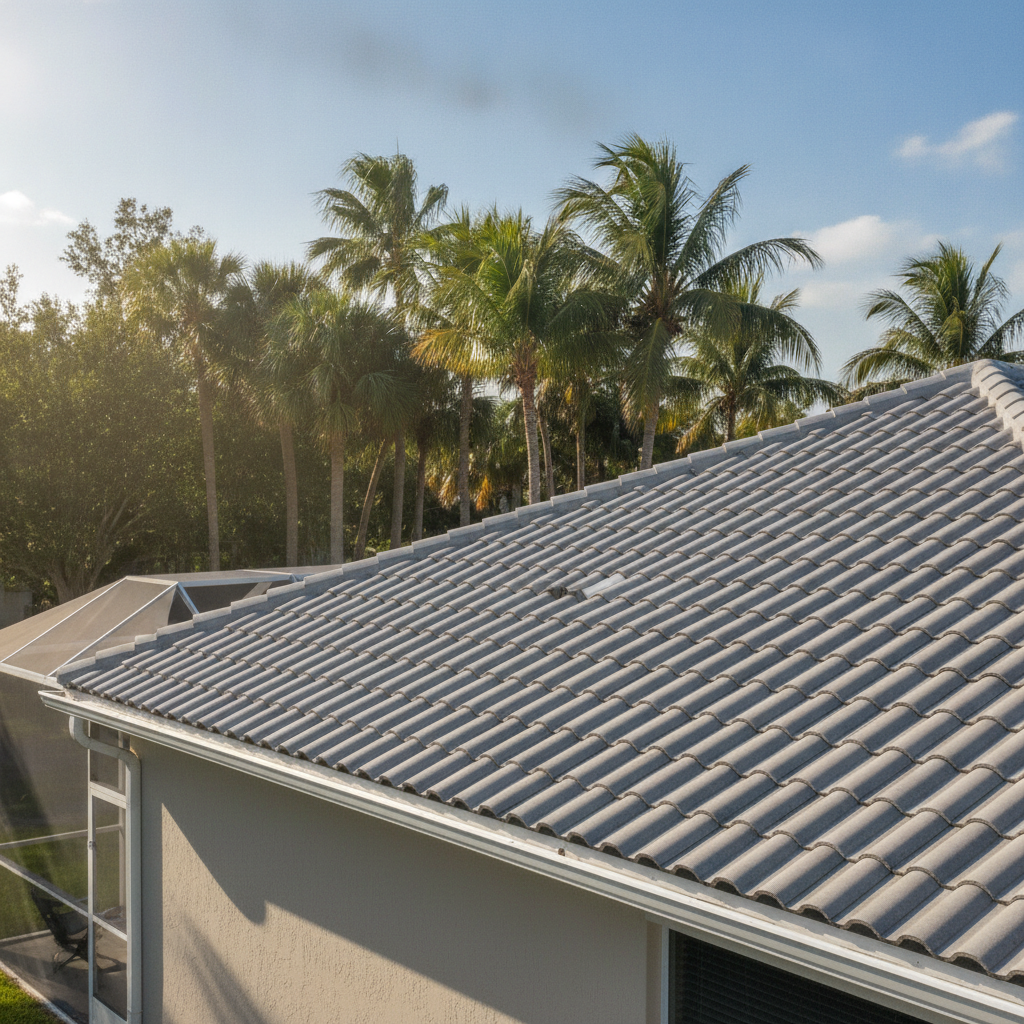
Given these harsh conditions, selecting the right roofing material is paramount for Melbourne homes. While traditional asphalt shingles remain popular, premium architectural shingles with advanced granule technology offer superior UV and algae resistance, often backed by extended warranties. Metal roofing, particularly standing seam systems, provides exceptional durability against wind, rain, and fire, and its reflective properties can help mitigate heat absorption, potentially reducing energy costs. Tile roofs, including concrete and clay, are also highly resistant to sun, salt, and rot, offering a long lifespan and aesthetic appeal, though they require robust structural support due to their weight. Each material has its specific advantages and considerations when evaluated against Melbourne FL roofing climate challenges.
However, even the most robust materials are only as good as their installation. Proper technique, strict adherence to manufacturer specifications, and meticulous compliance with local Brevard County building codes are non-negotiable for a truly resilient roof. This is precisely where the expertise of a reputable local contractor becomes invaluable. For instance, as an Owens Corning Platinum Preferred Contractor, Florida Roof Bros adheres to the highest installation standards, ensuring that every shingle, every fastener, and every seal is meticulously placed to provide maximum protection. Our crews, all in-house and never subcontractors, bring over 25 years of combined experience to every project, understanding the nuances of coastal roofing requirements.
Beyond material and installation quality, homeowners should always verify that their roofing contractor is fully licensed, insured, certified, and bonded, like Florida Roof Bros (FL license CCC1332911). These essential credentials offer peace of mind and protection, guaranteeing that your project is handled professionally and responsibly. Choosing a contractor with an A+ rating from the BBB and over 300 five-star Google reviews, as we have, further speaks to their unwavering commitment to quality and customer satisfaction. Investing in a high-quality, climate-appropriate roof, installed by certified professionals, might represent a higher upfront cost, but it invariably leads to greater longevity, fewer repairs, and superior protection against Melbourne’s demanding environment, ultimately saving money and stress in the long run. Trust the Pros, Call the Bros for lasting peace of mind.
Understanding Your Melbourne, FL Roof in a Coastal Climate
Living in Melbourne means enjoying beautiful beaches and sunny skies, but it also means your home’s roof faces some of the most challenging environmental conditions in the country. The unique combination of high humidity, relentless salt air, and intense UV radiation from the sun significantly impacts your roof’s lifespan and performance. Understanding these local stressors is the first step in ensuring your roof provides long-lasting protection against the elements.
Melbourne’s pervasive humidity creates an ideal breeding ground for algae, moss, and mildew, particularly on asphalt shingles. This organic growth not only discolors your roof but also retains moisture, accelerating the deterioration of roofing materials and potentially leading to granule loss or even rot in underlying decking. Meanwhile, the constant assault of salt spray from the Atlantic Ocean can corrode metal components like fasteners and flashing, weakening the structural integrity of your roof over time. Even modern standing seam metal roofs, while durable, require specific coatings and maintenance in coastal zones to resist salt-induced rust and pitting. This relentless environmental stress often reduces the typical lifespan of roofing materials; for instance, architectural asphalt shingles that might last 20-25 years in a milder climate may only provide 12-18 years of optimal protection here in Brevard County.
Preparing Your Melbourne Home for Hurricane Season: Essential Roof Resilience
Hurricane season is a stark reality for Melbourne homeowners, making roof resilience a non-negotiable priority. Preparing your roof for these powerful storms involves more than just crossing your fingers; it requires strategic planning and robust construction. Key hurricane mitigation strategies include ensuring strong roof-to-wall connections, installing a secondary water barrier (often a peel-and-stick underlayment), and selecting roofing materials with high wind uplift and impact resistance ratings. A well-built roof, compliant with current codes, can significantly reduce the risk of catastrophic damage, protecting your family and your investment when a storm hits.
The Florida Building Code (FBC) mandates specific wind resistance requirements, particularly for properties in high-velocity hurricane zones (HVHZ) or wind-borne debris regions like Brevard County. For example, roofs must be designed to withstand winds up to 140-150 mph, depending on the exact location and building category, which corresponds to a Category 4 hurricane. Investing in products rated for these conditions, such as shingles tested to ASTM D7158 (Class H or I) or metal roofs with robust panel attachment systems, is crucial. Moreover, a comprehensive wind mitigation inspection can often identify existing features that qualify you for significant discounts on your homeowner’s insurance, directly rewarding your commitment to a resilient home.
Navigating Local Building Codes in Melbourne, FL, and Brevard County
Navigating the intricacies of local building codes is paramount when undertaking any roofing project in Melbourne, FL, or Brevard County. The Florida Building Code, currently in its 7th Edition (2020) and soon to be updated to the 8th Edition (2023), sets stringent standards for roofing to ensure structures can withstand Florida’s unique climate and hurricane threats. These codes dictate everything from the minimum required wind uplift resistance for materials and fastening schedules to the necessity of a secondary water barrier beneath the primary roofing system. Ignoring these regulations not only puts your home at risk but can also lead to costly fines, project delays, and issues with insurance claims down the line.
Brevard County and the City of Melbourne building departments enforce these state codes, often with local interpretations or additional requirements specific to our coastal environment. Obtaining the correct permits before any work begins is a non-negotiable step. A reputable local roofer will be intimately familiar with these permitting processes, inspection requirements, and the latest code updates, ensuring your roof replacement or repair is fully compliant. This expertise is vital for a smooth project, guaranteeing your roof meets the highest standards for safety, durability, and insurance eligibility.
Common Roof Types in Melbourne: Assessing Performance Against Coastal Weather
When it comes to selecting a roof for your Melbourne home, understanding how common materials perform against our coastal weather is critical. Each material offers distinct advantages and disadvantages in terms of durability, cost, and aesthetic appeal. The three most prevalent roofing types you’ll see in Florida are architectural asphalt shingles, standing seam metal roofs, and concrete or clay tiles, each with varying degrees of resilience to sun, salt, wind, and humidity.
- Architectural Asphalt Shingles: These are the most common and cost-effective option, offering a wide range of styles and colors. However, in Melbourne’s intense sun and humidity, they are more susceptible to granule loss, fading, and algae growth. Their lifespan here, as mentioned, is often shorter than national averages, typically 12-18 years for optimal performance, though some higher-grade options might reach 20-25 years with excellent maintenance.
- Standing Seam Metal Roofs: Known for their exceptional durability and longevity, metal roofs are an excellent choice for coastal areas. They resist high winds, are impervious to rot and insects, and reflect solar radiation, potentially lowering cooling costs. While the upfront cost is higher, often between $15,000 to $35,000 for an average home depending on size and complexity, their lifespan of 30-50+ years and minimal maintenance can offer significant long-term value.
- Concrete or Clay Tiles: Tile roofs provide superior protection against wind, hail, and fire, and they boast an impressive lifespan of 50 years or more, often outliving the home itself. Their thermal mass also offers good insulation, contributing to energy efficiency. The main considerations are their higher initial cost, typically $20,000 to $45,000 or more, and the need for a robust roof structure to support their weight.
Choosing the right material involves balancing your budget, aesthetic preferences, and the level of protection you desire against Melbourne’s unique climate. A local roofer can provide invaluable insight into which material best suits your home’s specific needs and your long-term goals.
Why a Local Melbourne Roofer is Crucial for Expert Advice on Climate-Specific Roofing Solutions
When it comes to protecting your most valuable asset in Melbourne, partnering with a local roofer is not just convenient; it’s absolutely crucial. A local company like Florida Roof Bros possesses an intimate understanding of the specific challenges our coastal climate presents, from the corrosive effects of salt air to the relentless sun and the ever-present threat of hurricanes. We’re not just familiar with the Florida Building Code; we live and work under it every day, ensuring every project is compliant and built to last in our unique environment. Our team knows which materials perform best here, which fastening methods provide superior wind resistance, and how to navigate Brevard County’s permitting process efficiently.
Beyond technical expertise, a local roofer provides a level of accountability and accessibility that out-of-town contractors simply cannot match. We are part of the Melbourne community, building our reputation on trust and quality service for our neighbors. This means faster response times for inspections, repairs, or emergency services, and a commitment to standing behind our work for years to come. When you choose a local expert, you’re not just getting a roof; you’re gaining a partner dedicated to the long-term protection and resilience of your Melbourne home.
What Melbourne Homeowners Should Do for Lasting Roof Protection
Protecting your Melbourne home’s roof from the relentless Florida climate and the threat of hurricanes requires proactive steps and informed decisions. As local roofers, we’ve seen firsthand what works and what doesn’t in Brevard County. Here are 5-7 actionable tips to ensure your roof provides reliable protection for years to come:
-
Schedule Annual Professional Roof Inspections:
WHY: Regular inspections are your first line of defense against the elements. A professional can identify minor issues like loose shingles, damaged flashing, or early signs of algae growth before they escalate into costly repairs. This is especially critical before hurricane season, typically beginning June 1st, to ensure your roof is in optimal condition to withstand high winds and heavy rains.
HOW: Contact a reputable local roofing company like Florida Roof Bros for an annual inspection. We’ll provide a comprehensive report on your roof’s condition, including recommendations for any necessary maintenance or repairs. This proactive approach can save you thousands in avoided damage and extend your roof’s lifespan.
-
Prioritize Proactive Maintenance and Cleaning:
WHY: Melbourne’s high humidity fosters rapid growth of algae, moss, and lichen, which can degrade asphalt shingles and trap moisture. Salt air can also accelerate corrosion of metal components. Regular maintenance prevents these issues from compromising your roof’s integrity and appearance.
HOW: Keep your gutters clear of debris to ensure proper drainage. Consider professional “soft wash” cleaning for algae and mildew removal, typically every 2-3 years, as high-pressure washing can damage roofing materials. Trim overhanging tree branches to prevent impact damage and reduce debris accumulation.
-
Understand and Enhance Your Roof’s Wind Mitigation Features:
WHY: Florida’s building codes are designed to make roofs more hurricane-resistant. Knowing your roof’s wind mitigation features can not only provide peace of mind during a storm but also qualify you for significant discounts on your homeowner’s insurance premiums, sometimes saving hundreds annually.
HOW: Request a wind mitigation inspection from a qualified inspector. This report will detail features like roof-to-wall attachment strength, roof deck attachment, and the presence of a secondary water barrier. If your home lacks certain features, consult with a roofer about upgrades, such as reinforcing gable ends or installing hurricane clips, which can pay for themselves over time through insurance savings.
-
Invest in Climate-Appropriate Roofing Materials:
WHY: While upfront costs might be higher, selecting roofing materials specifically designed for Florida’s coastal climate offers superior longevity, performance, and fewer headaches in the long run. Materials resistant to UV, salt, and high winds will outperform standard options.
HOW: When it’s time for a roof replacement, discuss options like standing seam metal, concrete, or clay tiles with your roofer. Even if you choose asphalt shingles, opt for high-grade architectural shingles with enhanced wind resistance (e.g., rated for 130 mph or higher) and specialized algae-resistant granules. While a standard architectural shingle roof might cost $10,000-$18,000, a high-quality metal roof could be $18,000-$35,000, but its lifespan is often 2-3 times longer.
-
Review Your Homeowner’s Insurance Policy Annually:
WHY: Florida’s insurance landscape is complex, especially regarding hurricane coverage. Ensuring you have adequate coverage, understanding your deductibles (especially the separate hurricane deductible), and knowing the claims process *before* a storm hits is vital for your financial security.
HOW: Schedule an annual review with your insurance agent. Confirm your policy covers the full replacement cost of your roof, not just depreciated value. Understand your hurricane deductible, which is typically a percentage (e.g., 2% or 5%) of your dwelling coverage, and clarify any timelines for reporting claims after a storm. This proactive step can prevent major financial surprises.
-
Don’t Delay Minor Repairs:
WHY: In Florida’s climate, a small leak or a few missing shingles can quickly escalate into significant water damage, mold growth, and structural issues, especially during heavy rain events. Addressing minor problems promptly can prevent them from becoming major, costly catastrophes.
HOW: If you notice any signs of roof damage, even something seemingly minor like a curled shingle, a loose piece of flashing, or a stain on your ceiling, contact a local roofer immediately. A quick, targeted repair, often costing a few hundred dollars, can save you thousands compared to waiting until extensive water damage requires a full deck replacement or mold remediation.
Frequently Asked Questions
What is the best roofing material for hurricane season in Melbourne, FL?
For hurricane season in Melbourne, FL, metal roofing and certain types of tile roofing are often considered superior due to their exceptional durability and wind resistance. Metal roofs can withstand extreme winds, impacts, and offer a long lifespan, while concrete and clay tiles, when properly installed, also provide excellent protection and can even qualify for wind mitigation credits. Asphalt shingles have improved significantly, but their performance depends heavily on the specific product’s wind rating and proper installation techniques.
How often should I have my roof inspected in Melbourne’s coastal climate?
Given Melbourne’s unique coastal climate, characterized by intense sun, salt exposure, and frequent severe weather, it is highly recommended to have your roof professionally inspected at least once a year. Additionally, a thorough inspection should always be performed after any significant storm event, such as a tropical storm or hurricane, even if no visible damage is apparent from the ground. Proactive inspections help identify minor issues before they escalate into costly repairs.
Are there specific building codes for roofs in Brevard County due to hurricanes?
Yes, Brevard County adheres to the Florida Building Code, which includes stringent requirements for roofing systems designed to withstand hurricane-force winds. These codes specify everything from the type of fasteners and underlayment to the uplift resistance of materials and installation methods. Ensuring your roof replacement or repair complies with the latest Florida Building Code is crucial for safety, longevity, and often for insurance purposes.
How do I know if my roof has hurricane damage after a storm?
After a hurricane, look for obvious signs like missing shingles or tiles, punctures, or visible leaks inside your home. However, less obvious damage can include lifted or creased shingles, granule loss on asphalt roofs, cracks in tiles, or compromised flashing around chimneys and vents. It’s best to contact a professional roofing contractor for a comprehensive inspection, as hidden damage can lead to leaks and structural issues down the line.
Does a new roof increase my home’s value and lower insurance in Melbourne?
Absolutely. Installing a new, high-quality roof in Melbourne can significantly increase your home’s curb appeal and overall market value, especially one designed to withstand the local climate. Furthermore, many insurance companies offer substantial discounts or wind mitigation credits for new roofs that meet current Florida Building Code standards, particularly those with enhanced wind resistance features. This can lead to noticeable savings on your annual homeowners insurance premiums.
Roofing Services Across Central Florida
Florida Roof Bros serves homeowners throughout Brevard County, Pinellas County, and surrounding Central Florida communities. If you need a roof inspection, repair, or replacement in any of these areas, our team is ready to help:
- Palm Bay, FL Roofing
- West Melbourne, FL Roofing
- Rockledge, FL Roofing
- Vero Beach, FL Roofing
- Sebastian, FL Roofing
Protect Your Home, Secure Your Future
As homeowners in Melbourne, FL, understanding the unique challenges our coastal climate and hurricane season present to your roof is paramount. From the relentless sun and salt air to the powerful winds of a tropical storm, your roof is your home’s primary shield. Investing in the right materials and ensuring expert installation isn’t just about protecting your property; it’s about safeguarding your family’s comfort, security, and peace of mind for years to come.
Don’t wait for a small issue to become a major headache or for the next storm to expose vulnerabilities in your roofing system. Proactive maintenance and timely repairs are crucial for extending your roof’s lifespan and maintaining its integrity against Brevard’s demanding environment. A robust roof is an investment that pays dividends in protection, energy efficiency, and potentially lower insurance costs.
The expert team at Florida Roof Bros is here to help you navigate your roofing needs with confidence and clarity. We offer 100% free, no-obligation roof inspections, providing you with a detailed assessment of your roof’s condition and personalized recommendations tailored to your home and budget. Whether you need a minor repair, a full replacement, or just peace of mind, our professionals are ready to assist.
Take the first step towards a stronger, more resilient home today. Contact Florida Roof Bros for your complimentary inspection. We’re committed to providing the highest quality service and ensuring your roof is ready for whatever the Florida weather brings. Trust the Pros, Call the Bros at (321) 446-1702.
Need a free roof inspection? Call Florida Roof Bros at (321) 446-1702 or request a free inspection online. Family-owned, no subcontractors, Owens Corning Platinum Preferred. Trust the Pros, Call the Bros.
