

Waking up after a severe storm in Rockledge, FL, often brings a…
General Roofing
Roofing
Storm Damage
Expert Roof Wind Damage Assessment: A Guide for Palm Bay Homeowners
The first calm after a fierce storm often brings a mix of relief and apprehension to homeowners across Palm Bay, especially as hurricane season ramps up. You might step outside, survey your yard for fallen debris, and then slowly lift your gaze to the roofline, hoping to see everything intact. Perhaps a few broken tree limbs litter the lawn, or a loose gutter hangs precariously, but the true concern lies hidden from a quick glance: the potential for significant roof wind damage that could compromise your home’s integrity.
Even if a storm doesn’t bring torrential rain, sustained high winds and powerful gusts can wreak havoc on your roofing system, loosening shingles, tearing away flashing, and even creating unseen structural vulnerabilities. This post aims to equip Palm Bay homeowners with the essential knowledge needed to understand, identify, and address potential roof wind damage effectively. We will walk you through the common signs of damage and explain why a thorough, professional inspection is crucial to protect your most valuable asset.
Ignoring even minor wind damage can lead to far more costly problems down the line, including water intrusion, mold growth, and compromised structural stability. Recent reports highlight the destructive power of wind, with the National Weather Service documenting significant roof damage from tornadoes just days ago (Source: weather.gov). While Palm Bay rarely experiences tornadoes of that magnitude, any severe weather event can inflict similar, albeit localized, damage to your roof.
Understanding the subtle nuances of roof wind damage requires more than a casual look from the ground. What appears to be a few displaced shingles could mask underlying issues with the decking or underlayment, allowing water to penetrate during the next rain. This is why a proactive approach to assessing your roof after any significant wind event is not just recommended, but essential for long-term home protection.
When the unexpected happens and you suspect your roof has sustained wind damage, knowing who to trust for an honest assessment and reliable repair is paramount. If you’re in Palm Bay or anywhere across Brevard County, the family-owned team at Florida Roof Bros is ready to assist. With over 25 years of combined experience and all in-house crews, we provide expert inspections and repairs, ensuring your roof is restored to its optimal condition. Don’t hesitate to call us at (321) 446-1702 if you have concerns.
Our commitment to quality and transparency is reflected in our status as an Owens Corning Platinum Preferred Contractor and our A+ rating with the BBB. We pride ourselves on being licensed, insured, certified, and bonded (FL license CCC1332911), offering peace of mind to the more than 300 five-star Google reviewers who have trusted us with their homes. This guide will provide the foundational knowledge you need, but remember, for a definitive diagnosis, professional expertise is always the best course of action.
Understanding Wind Damage and Florida’s Roofing Landscape
Florida’s unique climate, characterized by its intense hurricane seasons and frequent severe thunderstorms, makes understanding roof wind damage particularly critical for homeowners. Unlike general wear and tear, wind damage often manifests in specific ways that are directly related to the force and direction of strong gusts. Even seemingly minor events can exert immense pressure on roofing materials, especially at vulnerable points like edges, ridges, and valleys, leading to immediate or latent issues.
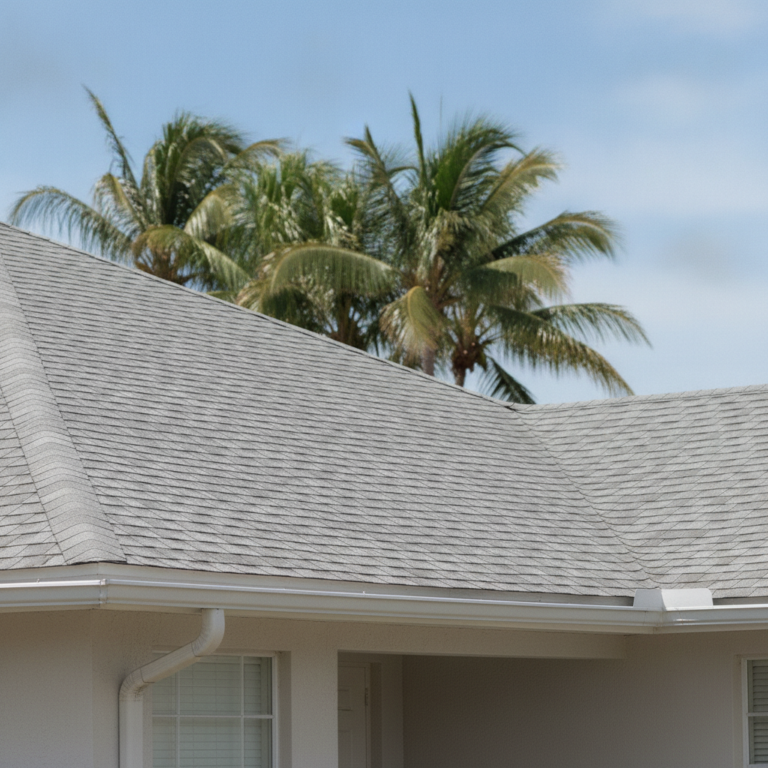
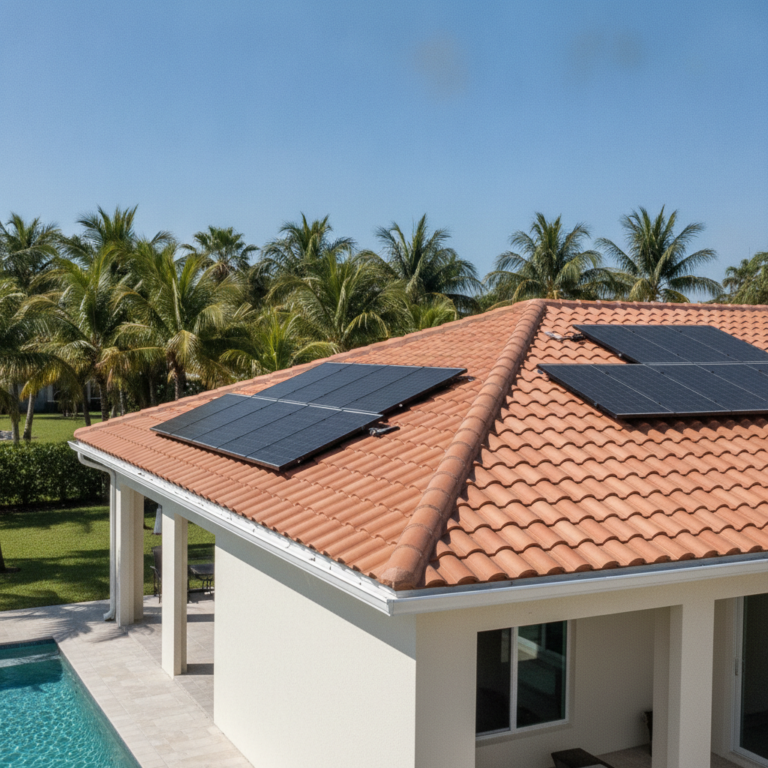
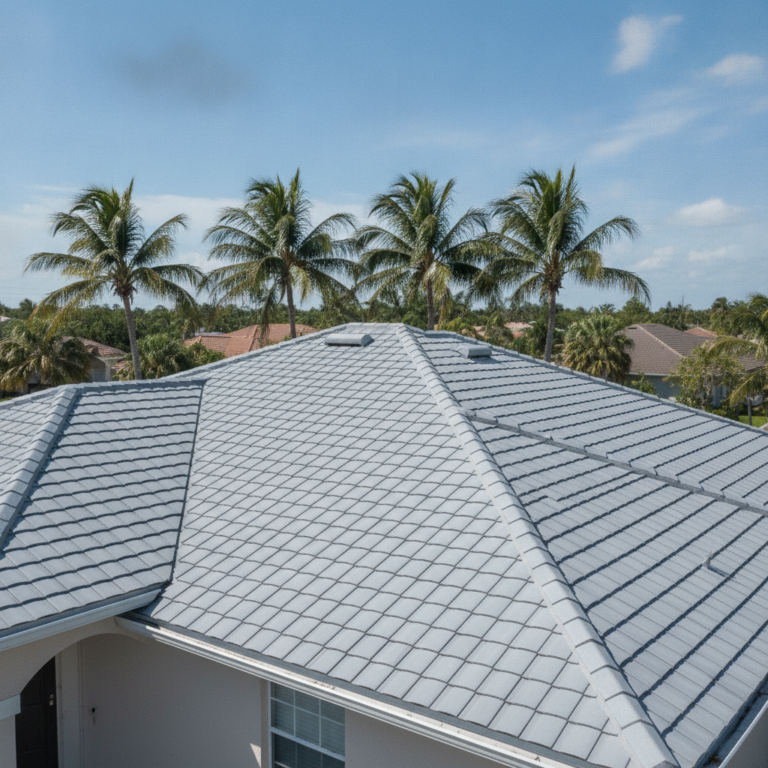
The type of roofing material on your Palm Bay home plays a significant role in its susceptibility to wind damage. Asphalt shingles, common throughout Central Florida, are designed with varying wind resistance ratings. However, even high-quality shingles can be lifted or torn if the wind speed exceeds their rating or if they were improperly installed. Other materials, like metal or tile, offer different levels of resistance but are not entirely impervious to the sheer force of hurricane-force winds or even strong tropical depressions.
Florida’s stringent building codes, particularly those related to wind mitigation, are a direct response to our state’s vulnerability to severe weather. These codes dictate specific installation techniques, such as enhanced nailing patterns and specialized sealants, designed to improve a roof’s ability to withstand high winds. A roof installed to current Florida Building Code standards will inherently offer better protection, but even these robust systems can sustain damage under extreme conditions.
When assessing wind damage, it’s important to distinguish between cosmetic issues and structural compromise. A few missing shingles might seem minor, but they expose the underlayment and decking to the elements, potentially leading to water intrusion. Granular loss, where the protective granules on asphalt shingles are stripped away, reduces the shingle’s lifespan and UV resistance. Hidden damage, such as uplifted shingles that have re-sealed but are compromised, can only be detected by a trained eye.
The financial implications of ignoring wind damage extend beyond immediate repair costs. Undetected damage can lead to escalating issues like wood rot, interior water damage, and even mold, which can be significantly more expensive to remediate. Furthermore, waiting too long to address damage could impact insurance claims, as insurers typically require timely reporting of storm-related issues. Proactive assessment and repair are key to protecting your investment.
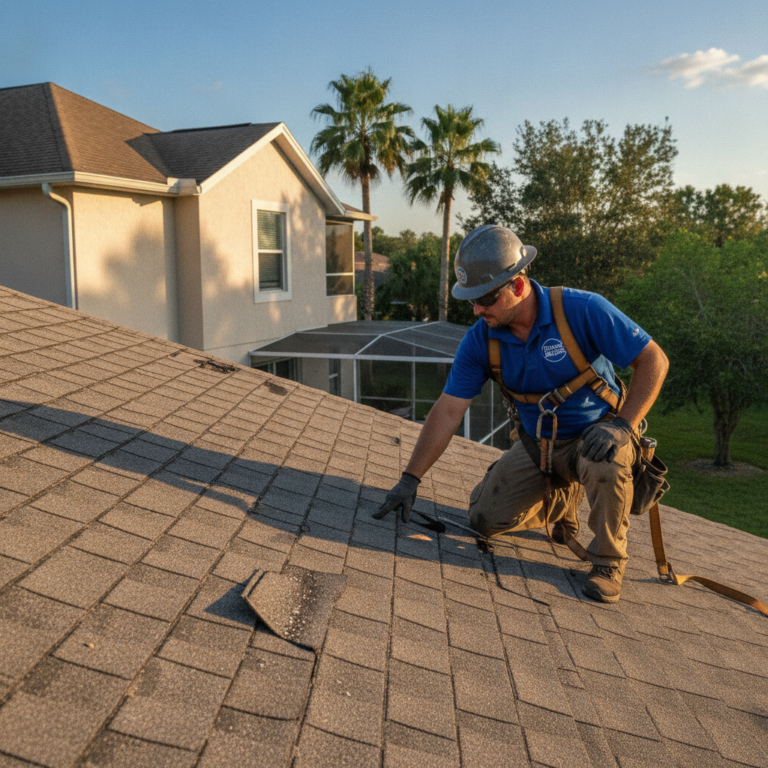
While some homeowners consider DIY inspections, the risks outweigh the benefits. Climbing onto a potentially damaged roof is dangerous, and identifying subtle signs of wind damage requires expertise. Professional roofers are trained to spot granular loss, creased or lifted shingles, damaged flashing, and other indicators that might be invisible from the ground. They also understand the nuances of Florida building codes and insurance claim processes, ensuring your assessment is thorough and accurate.
Understanding Wind Damage and Its Impact on Your Palm Bay Roof
Living in Palm Bay means experiencing the powerful forces of nature, especially during hurricane season. Wind damage to your roof isn’t always immediately obvious, but it can lead to devastating consequences if left unaddressed. High winds, even from a strong thunderstorm, can exert immense uplift pressure on your roof system, challenging its integrity in ways standard wear and tear does not. This section will delve into the critical aspects of identifying, preventing, and addressing wind damage, ensuring your home remains a safe haven.
Identifying Common Signs of Wind Damage
The first step in protecting your home is knowing what to look for after a significant storm. While missing shingles are the most apparent sign of wind damage, several other, more subtle indicators can point to serious underlying issues. After a storm, a quick visual inspection from the ground with binoculars can reveal obvious problems, but a professional will catch the nuances. Here’s what to keep an eye out for:
- Missing or Curled Shingles: High winds can lift the edges of shingles, breaking the sealant and allowing them to be ripped off entirely. Even if they’re not gone, curled or lifted shingles indicate a compromised seal, making your roof vulnerable.
- Creased or Torn Shingles: Wind can fold shingles back on themselves, creating creases that weaken the material and expose the underlying mat. These areas are prone to tearing and water penetration.
- Granular Loss: Asphalt shingles are covered with protective granules. Strong winds can scour these granules off, especially if they hit debris, exposing the asphalt layer to harmful UV rays and accelerating deterioration. You might see these granules in your gutters or on the ground around your home.
- Damaged Fascia or Soffit: The perimeter components of your roof system, like fascia boards and soffit panels, can also be torn or detached by strong winds, creating openings for water and pests.
- Lifted or Detached Flashing: Flashing around chimneys, skylights, and valleys is crucial for waterproofing. Wind can peel back or detach flashing, creating direct entry points for water.
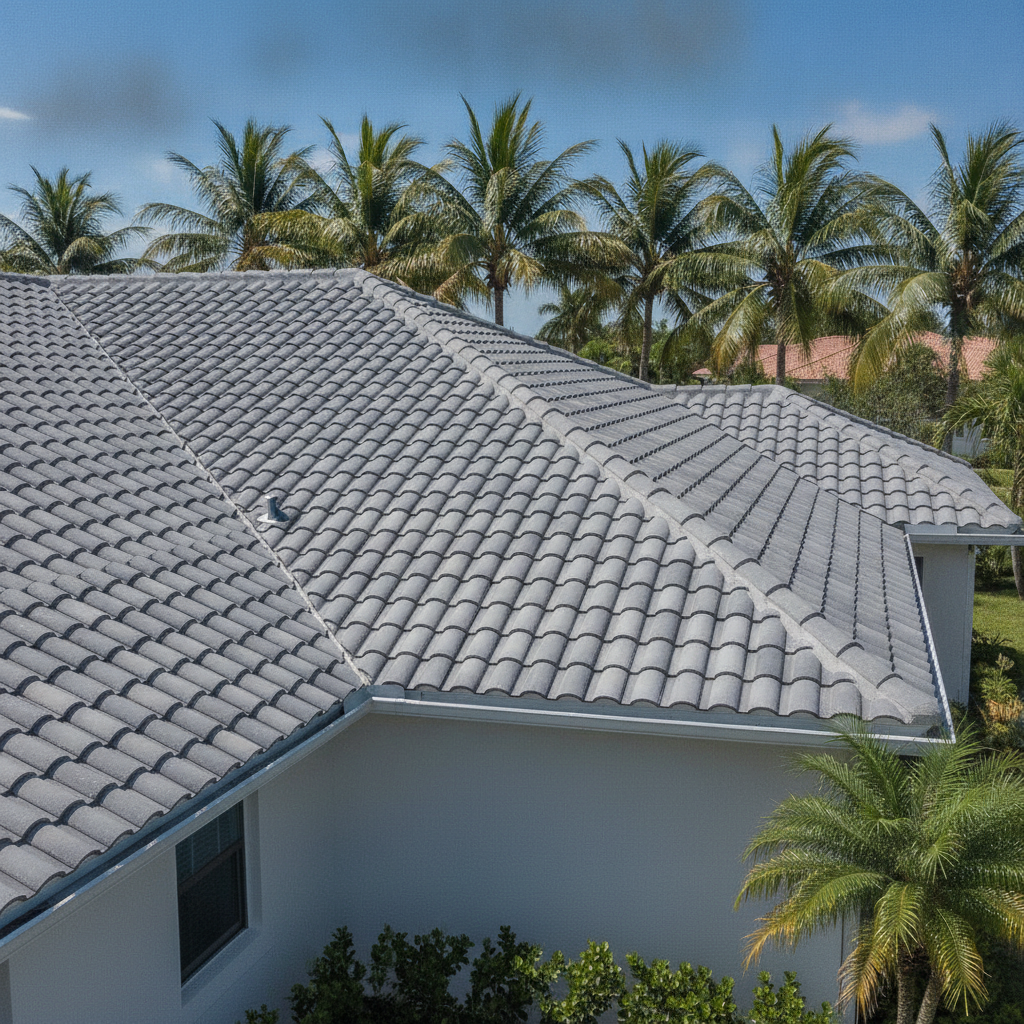
It’s important to remember that architectural shingles, common in Florida for their durability, are typically rated for wind speeds up to 130 mph, which covers Category 3 hurricane forces. However, older roofs or those with previous damage may fail at lower speeds. Concrete tile roofs offer excellent wind resistance, often rated for even higher speeds, but individual tiles can still be dislodged or broken by extreme forces or flying debris.
The Critical Importance of Professional Post-Storm Roof Inspections
While your initial ground-level check is helpful, it cannot replace a thorough professional inspection. Florida Roof Bros emphasizes the critical importance of having a certified roofing expert assess your roof immediately after any significant wind event. Our experienced inspectors are trained to identify not just the obvious damage, but also the hidden issues that can escalate rapidly. This includes checking the integrity of the underlayment, examining fasteners, and assessing attic spaces for signs of leaks or structural stress. A professional inspection ensures that all aspects of your roof system are evaluated, from the ridge caps to the drip edge, identifying vulnerabilities you might never see from the ground.
Furthermore, an expert inspection provides the detailed documentation necessary for insurance claims. Many homeowners underestimate the extent of damage until a professional report reveals issues that could lead to significant future problems, such as compromised decking or a breached secondary water barrier. Without this expert assessment, you risk missing crucial repairs that could lead to costly interior damage down the line. Remember, the Florida Building Code (FBC) has stringent requirements for roof installations, particularly concerning wind resistance. An inspector can verify if your roof meets current codes or if repairs need to bring it up to standard.
Understanding Water Intrusion and Its Severe Consequences
The most immediate and severe consequence of wind damage is water intrusion. When shingles are missing, lifted, or creased, the protective barrier of your roof is compromised, allowing rainwater to penetrate the underlying layers. This water can saturate the roof deck, insulation, and eventually seep into your home’s interior, causing a cascade of problems:
- Ceiling and Wall Damage: Water stains, peeling paint, and sagging drywall are common indicators of a roof leak.
- Mold and Mildew Growth: Florida’s high humidity creates an ideal environment for mold to flourish in damp conditions. Mold can spread rapidly, causing respiratory issues and requiring expensive remediation.
- Structural Damage: Persistent leaks can rot wooden framing, trusses, and ceiling joists, compromising the structural integrity of your home. This type of damage is often hidden and can be incredibly costly to repair.
- Electrical Hazards: Water near electrical wiring or fixtures poses a serious fire hazard and can lead to power outages or system failures.
- Compromised Insulation: Wet insulation loses its effectiveness, leading to higher energy bills and reduced indoor comfort.
Timely repair of wind damage is not just about aesthetics; it’s about safeguarding your entire home against the destructive power of water. Delaying repairs, even for seemingly minor damage, significantly increases the risk and cost of future problems. For instance, a small leak that might cost a few hundred dollars to fix initially can turn into thousands in mold remediation and structural repairs if left unaddressed for weeks or months.
Timely and Expert Repairs: Protecting Your Investment
When wind damage occurs, acting quickly and choosing the right professionals for repairs are paramount. Timely repairs prevent minor issues from escalating into major catastrophes. For instance, replacing a few missing architectural shingles, which might cost $300-$500, is far more economical than dealing with a full roof section replacement and interior water damage that could run into thousands of dollars. Expert repairs also ensure your roof maintains its warranty and continues to meet the stringent requirements of the Florida Building Code, which mandates specific installation techniques and materials for wind resistance.
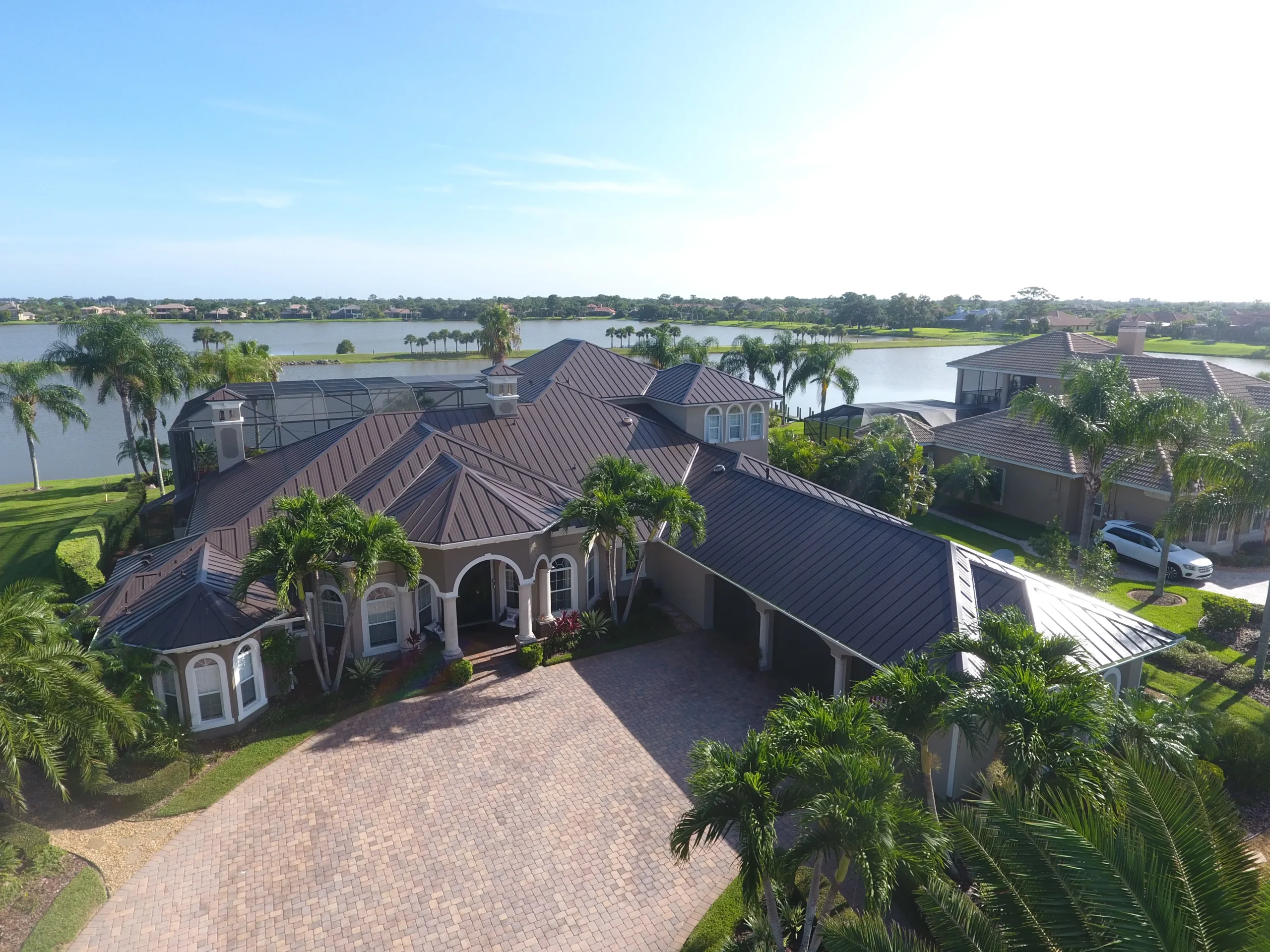
Florida Roof Bros uses only high-quality, wind-rated materials designed for our unique climate. Whether you have traditional asphalt shingles, durable concrete tiles, or robust standing seam metal, our team has the expertise to restore your roof’s integrity. While a new asphalt shingle roof in Florida might last 20-25 years due to intense heat and UV exposure (compared to a national average of 30 years), proper repairs by skilled technicians can help maximize its lifespan. Don’t let a storm compromise your home’s most important defense; invest in timely, professional repairs that truly protect your Palm Bay property.
What Palm Bay Homeowners Should Do After a Storm
After a significant storm sweeps through Palm Bay, your immediate actions can make a substantial difference in protecting your property and navigating the recovery process. From initial assessment to working with insurance, knowing the right steps can save you time, money, and stress. Here’s a practical guide from your local Florida Roof Bros team.
-
Perform a Safe, Ground-Level Visual Inspection
WHY: To identify immediate and obvious damage that might require urgent attention or temporary repairs. Getting a first look helps you understand the scope of potential issues before a professional arrives.
HOW: From the safety of the ground, use binoculars to carefully scan your entire roof. Look for missing, curled, or creased shingles, detached flashing, damaged gutters, or any visible debris. Also, check your yard for granules that may have washed off the roof. Avoid climbing onto your roof yourself, especially if it’s wet or windy, as this is extremely dangerous. -
Contact a Trusted Local Roofing Professional for an Inspection
WHY: Professional inspections are crucial for detecting hidden damage that isn’t visible from the ground, such as compromised underlayment, minor punctures, or loosened fasteners. A licensed and insured local roofer, like Florida Roof Bros, understands Palm Bay’s specific building codes and common storm damage patterns.
HOW: As soon as it’s safe, call Florida Roof Bros. Schedule a comprehensive roof inspection promptly. Our experts will thoroughly assess your roof, attic, and any related components, providing a detailed report and photographic evidence essential for insurance claims. -
Document All Damage Extensively
WHY: Thorough documentation is your strongest asset when filing an insurance claim. Insurers require clear evidence of damage directly related to the storm event.
HOW: Take numerous photos and videos of all visible damage from multiple angles, both close-up and wide shots. Include photos of any interior water stains, damaged ceilings, or personal property affected by leaks. Note the date and time you took the photos, and keep a log of all communications with your insurance company and contractors. -
Understand Your Homeowner’s Insurance Policy and Deductibles
WHY: Knowing the specifics of your policy, especially your hurricane deductible, will prepare you for the financial aspects of repairs and prevent surprises. Florida policies often have a separate hurricane deductible, typically 2% or 5% of your dwelling coverage, which can be thousands of dollars.
HOW: Review your policy documents carefully. Pay close attention to sections on wind damage, hurricane deductibles, and the timeframe for filing claims. If anything is unclear, contact your insurance agent for clarification before filing a claim. -
Take Steps for Temporary Protection Against Water Intrusion
WHY: Preventing further water damage to your home’s interior is paramount while awaiting permanent repairs. Florida’s humidity means even minor leaks can quickly lead to mold growth and extensive interior damage.
HOW: If your roof has obvious breaches, such as large missing shingle sections or holes, consider having a professional apply temporary tarping. This should be done safely and correctly to prevent it from becoming a wind hazard itself. Never attempt this during active storm conditions or if you are uncomfortable working at heights. -
Be Aware of Florida’s Insurance Claim Timelines and Contractor Licensing
WHY: Florida has specific statutes regarding property insurance claims, including deadlines for filing. Also, working with unlicensed contractors can lead to shoddy work, no warranty, and potential legal issues.
HOW: File your claim as soon as possible after discovering damage, typically within one year of the storm. Always verify that any contractor you hire is licensed and insured in Florida. Ask for their state license number and check it with the Florida Department of Business and Professional Regulation (DBPR). Florida Roof Bros is fully licensed and insured, offering peace of mind. -
Prioritize Proactive Roof Maintenance
WHY: Regular maintenance extends your roof’s lifespan and can help it better withstand future storms, potentially reducing the severity of damage. This is especially crucial in Florida’s harsh climate with its intense sun, humidity, and frequent storms.
HOW: Schedule annual roof check-ups with a professional. Keep your gutters clean to ensure proper drainage, trim tree branches that overhang your roof, and address minor repairs like cracked caulk or loose flashing promptly. A well-maintained roof is your best defense against Palm Bay’s weather.
Frequently Asked Questions
How can I identify wind damage on my roof after a Palm Bay hurricane?
Look for missing, cracked, or curled shingles, especially along roof edges and ridges, as these are primary indicators of wind force. Granule loss, which appears as bald spots on shingles, or visible sagging of the roof deck are also common signs. Don’t forget to check for dark spots or exposed underlayment, which indicate a compromised weather barrier requiring immediate professional attention.
Will my homeowner’s insurance cover roof damage caused by hurricane winds in Florida?
Most homeowner’s insurance policies in Florida typically include coverage for wind damage resulting from hurricanes, which is a significant relief for homeowners. However, it’s crucial to carefully review your specific policy details, as deductibles and the exact scope of coverage can vary considerably. Contacting your insurer promptly after discovering any damage is always the best first step to understand your options and begin the claims process.
How long does a typical roof repair for wind damage take in Palm Bay?
The timeline for roof repair after wind damage can vary significantly, depending on the extent of the damage and the availability of materials and labor. Minor repairs, like replacing a few shingles, might be completed within a day or two by a skilled team. For more extensive damage or a full roof replacement, the process could extend to several days or even over a week once work commences, after initial assessment and material procurement.
What are the advantages of choosing a metal roof for hurricane protection in Florida?
Metal roofs offer superior durability and exceptional wind resistance, often engineered to withstand hurricane-force winds exceeding 150 mph, making them ideal for Florida’s climate. Beyond their robust protection, they are also incredibly long-lasting, boasting lifespans of 40-70 years, and can be highly energy-efficient, reflecting solar heat. Furthermore, upgrading to a metal roof can sometimes lead to reduced homeowner’s insurance premiums due to their enhanced resilience against severe weather events.
Is a professional roof inspection necessary if my roof looks fine after a storm?
Absolutely, a professional roof inspection is highly recommended even if your roof appears undamaged from the ground after a storm. Many types of wind damage, such as loosened fasteners, subtle shingle delamination, or compromised flashing around vents and chimneys, are not visible to the untrained eye. Identifying these hidden issues early can prevent minor problems from escalating into major, more costly repairs or even structural damage down the line, ensuring your home remains protected.
Roofing Services Across Central Florida
Florida Roof Bros serves homeowners throughout Brevard County, Pinellas County, and surrounding Central Florida communities. If you need a roof inspection, repair, or replacement in any of these areas, our team is ready to help:
- Melbourne, FL Roofing
- West Melbourne, FL Roofing
- Rockledge, FL Roofing
- Vero Beach, FL Roofing
- Sebastian, FL Roofing
Secure Your Palm Bay Home: Next Steps
Throughout this discussion, we’ve highlighted that effectively assessing roof wind damage after hurricane season storms is more than just a repair task; it’s a critical step in safeguarding your home’s long-term integrity and ensuring your family’s peace of mind. Even what appears to be minor or superficial damage can quickly escalate into significant structural issues if left unaddressed, compromising your home’s protection against future weather events and leading to costly secondary problems. For every Palm Bay homeowner, prioritizing a thorough professional inspection and timely, expert repairs is not just recommended, it’s essential for maintaining a secure and resilient property.
There’s no need to let a small problem fester into a major, expensive headache. Following any significant storm, particularly during Florida’s active hurricane season, the smartest and safest course of action is to have your roof professionally evaluated by trusted experts. Florida Roof Bros stands ready to assist, offering 100% free, no-obligation roof inspections. Our comprehensive assessment will pinpoint any potential wind damage, visible or hidden, and provide you with clear, honest recommendations for necessary repairs or a complete roof replacement, tailored to your home’s specific needs.
Our highly experienced team deeply understands the unique challenges and specific vulnerabilities that Palm Bay homes face from Florida’s intense weather patterns and hurricane activity. We are committed to guiding you through every step of the process, from navigating complex insurance claims to helping you select the most durable and appropriate roofing materials for your climate. Our goal is to ensure your roof is not just repaired, but restored to its optimal condition, providing superior protection for years to come. For expert advice, unparalleled craftsmanship, and truly reliable service, reaching out to us today is your best decision.
Don’t compromise on the safety of your family or the longevity of your most significant investment. Take the proactive step towards securing your home’s future. For a free, professional roof inspection and to discuss all your options with a team that genuinely cares, call Florida Roof Bros directly at (321) 446-1702. Remember, when it comes to protecting your roof and your home, you can always Trust the Pros, Call the Bros.
Need a free roof inspection? Call Florida Roof Bros at (321) 446-1702 or request a free inspection online. Family-owned, no subcontractors, Owens Corning Platinum Preferred. Trust the Pros, Call the Bros.

Written By: christian jamal