

General Roofing
Location-Specific
Roofing
Protecting Your Pinellas County Roof: Hurricane Season Guide
Imagine the sun setting over the Gulf, a gentle breeze, then suddenly, the forecast shifts. That familiar feeling of unease as hurricane season approaches, especially living right here in Pinellas County, is something every homeowner understands deeply. Your roof is your home’s primary shield against the relentless Florida weather, from daily downpours to the severe threats of tropical storms and hurricanes. Ensuring it’s in top condition isn’t just about curb appeal; it’s about protecting your biggest investment and, most importantly, your family’s safety and peace of mind.
This post will walk Pinellas County homeowners through the critical aspects of maintaining a robust roof, specifically tailored to our unique coastal environment. We’ll explore the challenges posed by pervasive salt air, high humidity, and the significant risk of intense winds, helping you make informed decisions about your roofing needs. For reliable guidance and expert service in navigating these challenges, many of your neighbors already trust Florida Roof Bros, a family-owned company ready to help at (321) 446-1702.
Living so close to the Gulf means your roof endures more than just typical wear and tear. Constant exposure to salt-laden air can accelerate corrosion on metal components like flashing and fasteners, and even degrade the granular surface of certain roofing materials over time. High humidity, a year-round companion, fosters mold and algae growth, which not only looks unsightly but can also compromise roof integrity and lead to premature deterioration if left unaddressed. These persistent environmental factors, combined with intense UV radiation, demand a roofing solution that is specifically engineered for exceptional durability in our challenging climate.
Beyond the environmental stressors, understanding local building codes and wind mitigation requirements is absolutely crucial for any roofing project in Florida. Pinellas County, like much of the state, has stringent standards designed to enhance hurricane resistance and ensure structural integrity. Navigating these complex regulations requires deep local knowledge and extensive experience, ensuring that any repair or replacement not only meets but genuinely exceeds minimum safety thresholds. This proactive approach safeguards your home against future storms and can even lead to significant reductions in your homeowner’s insurance premiums.
Ultimately, investing in a quality roof is a long-term decision that pays significant dividends in peace of mind, property value, and overall home protection. A well-maintained and properly installed roof protects your home’s interior from costly water damage, improves energy efficiency by better insulating your home, and enhances your property’s curb appeal. It’s about securing your home’s future against the unpredictable nature of coastal Florida weather, ensuring it remains a safe and comfortable haven for your family for many years to come.
As a family-owned business with over 25 years of combined experience right here in Florida, we understand these local concerns deeply. We believe in providing transparent, high-quality roofing services that are specifically designed and installed to stand up to our unique local conditions. In the following sections, we’ll delve deeper into the specific roofing materials and practices best suited for Pinellas County homes, ensuring you have all the essential information needed to make the best, most informed choice for your property.
Understanding Pinellas County’s Unique Roofing Environment
Pinellas County’s geographic location on Florida’s Gulf Coast presents a distinct set of challenges that directly impact the longevity and performance of roofing systems. The pervasive high humidity, a constant throughout much of the year, creates an ideal environment for mold, mildew, and algae to flourish on roof surfaces. Beyond merely being unsightly, these growths can retain moisture, potentially leading to premature degradation of shingles and other materials. Coupled with this, the corrosive salt air from the Gulf of Mexico relentlessly attacks metal flashing, fasteners, and even the granular surface of asphalt shingles, accelerating wear and tear far beyond what roofs in inland areas might experience.
The most significant threat, however, remains hurricane season, which runs from June through November. Pinellas County is highly susceptible to tropical storms and hurricanes, which bring extreme winds, torrential rain, and often, dangerous flying debris. This necessitates roofing systems that are not just durable, but specifically engineered for superior wind resistance and water intrusion prevention. Understanding wind mitigation techniques, such as proper nailing patterns, the use of a secondary water barrier, and reinforced eaves, is paramount for any roof installation or repair in our region. These measures are not merely suggestions; they are critical for the safety and long-term integrity of your home when faced with nature’s most powerful forces.
To address these severe environmental factors and protect homeowners, Pinellas County and the State of Florida have established rigorous building codes, particularly concerning wind resistance and roof-to-wall connections. These codes dictate everything from the type of underlayment used to the specific fastening methods for shingles and tiles, ensuring maximum resilience. Compliance is not optional; it ensures your roof meets the minimum standards for hurricane protection and is crucial for passing mandatory inspections and maintaining insurance validity. Choosing a roofer who is not only fully licensed (like Florida Roof Bros, with FL license CCC1332911) but also intimately familiar with these local codes is non-negotiable for a compliant and secure roofing solution.
Given these challenges, selecting the right roofing material is a critical decision for Pinellas County homeowners that impacts both performance and lifespan. While asphalt shingles remain a popular and cost-effective choice, specific types designed for high-wind resistance and moisture protection are essential here. Metal roofing, known for its exceptional longevity, excellent wind performance, and energy efficiency, is another strong contender, though initial costs can be higher. Tile roofs offer aesthetic appeal and superior durability against heat, but their installation requires specialized knowledge to ensure proper wind uplift resistance in our coastal climate. Each material has unique advantages and vulnerabilities when exposed to our specific environment.
Beyond material selection, the quality of installation is arguably the most crucial factor in a roof’s overall performance and expected lifespan. Even the best materials will fail prematurely if not installed correctly, especially under the extreme conditions of a hurricane. This is precisely why Florida Roof Bros insists on using only our own in-house, highly trained, and dedicated crews, rather than relying on subcontractors. With over 25 years of combined experience, our teams understand the critical nuances of installing roofs to withstand Florida’s specific climate, ensuring every shingle, tile, or panel is secured to the highest industry standards. This unwavering commitment to quality craftsmanship makes a tangible difference when the next storm inevitably rolls in.
When evaluating roofing contractors, homeowners should look for strong indicators of reliability, expertise, and a proven track record. A company’s reputation, built on consistent quality work and genuine customer satisfaction, is invaluable. Florida Roof Bros, for example, is proud to be an Owens Corning Platinum Preferred Contractor, a designation earned through rigorous standards, ongoing training, and a deep commitment to excellence. Our A+ rating from the Better Business Bureau and over 300 five-star Google reviews from satisfied customers across Brevard and Pinellas Counties further reflect our dedication to outstanding service. Choosing a local, family-owned business means you’re partnering with professionals who understand your community and are truly invested in its long-term well-being.
Navigating Pinellas County’s Unique Roofing Environment
Homeowners in Pinellas County understand that a roof here isn’t just a cover; it’s the primary defense against a relentless barrage of environmental challenges. Our distinct climate presents unique stressors that significantly shorten the lifespan of standard roofing materials and demand a more robust approach to installation and maintenance. From the scorching sun and pervasive high humidity that encourage algae growth, to the corrosive salt-laden air emanating from the Gulf, and the ever-present threat of hurricanes and tropical storms, your roof faces more than its fair share of abuse. This unique combination means that what works in other parts of the country often falls short here, underscoring the critical need for solutions specifically engineered for our coastal environment.
Common Roof Types and Their Coastal Performance
When considering roofing options in Pinellas County, it’s essential to weigh their suitability against our local conditions. The most common roof types each have their pros and cons in this demanding climate, and understanding these can help you make an informed decision for your home.
Asphalt Shingles: Architectural shingles are a popular choice due to their cost-effectiveness and wide range of styles. However, in Florida, high humidity accelerates algae and mold growth, which can significantly degrade their appearance and reduce their reflective properties. The intense UV radiation quickly breaks down granules, leading to premature aging. While nationally, asphalt shingles might last 25-30 years, in Pinellas County, you can typically expect a lifespan closer to 15-20 years, especially if not regularly maintained or if they are a lower-grade product not designed for high-wind zones.
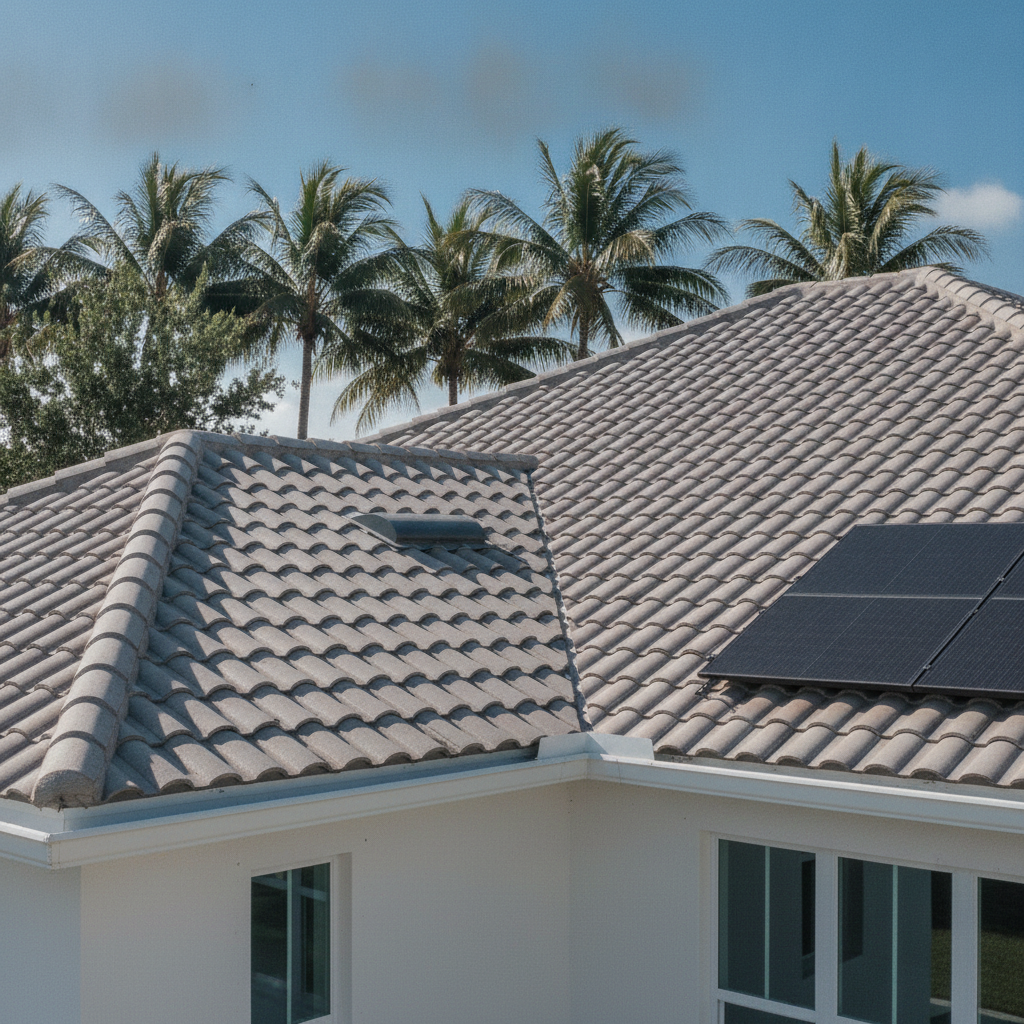
Tile Roofing (Concrete and Clay): Tile roofs, whether concrete or clay, are highly prevalent in Florida for their aesthetic appeal and durability. They offer excellent wind resistance when properly installed with robust fastening systems, often rated to withstand winds exceeding 130 mph. Their long lifespan, typically 30-50+ years, and good thermal mass make them energy efficient. However, their weight requires a strong underlying structure, and while the tiles themselves are durable, they can crack from impacts or foot traffic. The underlayment is the true waterproofing barrier here, and its integrity is paramount and requires periodic inspection.
Metal Roofing (Standing Seam and Ribbed Panel): Increasingly popular for coastal properties, metal roofing offers superior performance against Florida’s elements. Standing seam metal roofs, in particular, are renowned for their exceptional wind resistance, often rated for speeds well over 150 mph, making them ideal for hurricane-prone areas. With lifespans ranging from 40-70 years, they are a significant long-term investment. They are also energy-efficient, fire-resistant, and impervious to rot and insects. While the upfront cost is higher than asphalt, their longevity and protective qualities often provide a better return on investment over time, especially with the potential for insurance discounts.
Pinellas County Building Codes and Wind Mitigation
Beyond material selection, adherence to the Florida Building Code (FBC) is not merely a suggestion; it’s a critical requirement for any roof installation or repair in Pinellas County. Specifically, FBC Chapter 15 dictates stringent standards for roofing, focusing heavily on wind uplift resistance, specific fastening schedules, and the mandatory use of a secondary water barrier (SWR). These codes are among the toughest in the nation, continuously updated in response to lessons learned from past hurricane seasons. Understanding and complying with these regulations is crucial not only for the structural integrity of your home but also for ensuring your roof is insurable and qualifies for potential wind mitigation credits.
For Pinellas County homeowners, this means that any new roof or major repair must meet the current FBC standards. This includes precise nailing patterns for shingles, specific fastening methods for tiles and metal panels, and the installation of a high-quality self-adhering or mechanically attached secondary water barrier beneath the primary roofing material. These details, though often unseen, are what make the difference between a roof that simply covers your home and one that truly protects it through a Category 3 or 4 hurricane. A properly installed, code-compliant roof can significantly reduce damage during a storm and ease the claims process should damage occur.
Choosing a local, family-owned roofer like Florida Roof Bros means partnering with a team that possesses deep, firsthand knowledge of Pinellas County’s unique climate and its specific building code nuances. We don’t just put on a roof; we engineer a comprehensive roofing system designed to withstand the relentless Florida sun, corrosive salt air, and powerful hurricane winds. Our expertise ensures your roofing solution is not only durable and compliant but also optimized for longevity and peace of mind, protecting your most valuable asset for decades to come.
Proactive Steps for Pinellas County Homeowners
Living in Pinellas County means being proactive about your home’s protection, especially when it comes to your roof. The unique challenges we face, intense sun, high humidity, salt air, and hurricane threats, demand consistent vigilance. Taking these practical steps can significantly extend your roof’s lifespan, prevent costly damage, and better prepare your home for whatever Florida weather throws its way.
-
Schedule Regular Professional Roof Inspections
WHY: Small issues in Florida’s climate can escalate rapidly. A tiny crack in a shingle, a loose tile, or a buildup of debris can quickly lead to leaks, wood rot, and mold, especially with our frequent heavy rains and persistent humidity. An annual inspection, ideally before hurricane season, helps catch these problems when they are minor and less expensive to fix.
HOW: Contact Florida Roof Bros for a thorough, licensed inspection at least once a year. We’ll check for granule loss, cracked or missing shingles, loose tiles, corroded flashing, clogged gutters, and any signs of wear specific to our coastal environment. Consider an additional check after any significant storm.
-
Understand Your Roof’s Wind Mitigation Features
WHY: Florida’s building codes are designed to withstand hurricane-force winds. Knowing if your roof has specific wind mitigation features, like a secondary water barrier, specific nailing patterns, gable bracing, or hurricane clips, not only tells you how resilient your home is but can also lead to significant discounts on your homeowner’s insurance premiums. This is a uniquely Florida-relevant aspect of homeownership.
HOW: Review your existing wind mitigation inspection report. If you don’t have one, consider getting a licensed inspector to perform one. If you’re replacing your roof, discuss with Florida Roof Bros how to incorporate the latest wind mitigation techniques to maximize protection and potential insurance savings.
-
Keep Gutters and Downspouts Clear
WHY: Clogged gutters are a common culprit for roof and fascia damage in Florida. When water can’t drain properly, it backs up, overflows, and can seep under shingles, rot fascia boards, and damage soffits. This pooling water, combined with high humidity, creates an ideal breeding ground for mold and mildew on your roof and exterior walls.
HOW: Clean your gutters quarterly, or more frequently if you have trees overhanging your roof. Remove leaves, twigs, and any accumulated sludge. Ensure downspouts are clear and direct water away from your home’s foundation. Consider installing gutter guards to reduce the frequency of cleaning.
-
Address Minor Repairs Promptly
WHY: In Pinellas County, a small leak is never “just a small leak.” Our high humidity and warm temperatures mean that even a minor breach in your roof’s integrity can quickly lead to widespread water damage, rot in the decking and trusses, and extensive mold growth in your attic and interior. Salt air can also accelerate the corrosion of metal flashing and fasteners.
HOW: Don’t procrastinate. If you notice a missing shingle, a cracked tile, a bent piece of flashing, or any sign of water intrusion, contact Florida Roof Bros immediately. Timely repairs are far less expensive and disruptive than addressing extensive damage later.
-
Review Your Homeowner’s Insurance Policy Annually
WHY: Florida’s insurance market is dynamic and complex, especially concerning hurricane and wind damage. Understanding your policy’s deductibles (especially separate hurricane deductibles), coverage limits, and the difference between “actual cash value” and “replacement cost” for your roof is vital. Furthermore, be aware of specific timelines for filing claims, which can vary but are often within 1-2 years of the damage event, though prompt reporting is always best.
HOW: Schedule an annual review with your insurance agent. Ask detailed questions about your roof coverage, particularly regarding storm damage. Ensure your coverage is adequate for a full roof replacement at current material and labor costs, not just the depreciated value.
-
Research Roofing Materials Suited for Coastal Florida
WHY: When it’s time for a roof replacement, choosing the right material is paramount for longevity and protection in Pinellas County. Opting for materials specifically designed to withstand high winds, intense UV, and corrosive salt air will provide better long-term value than simply selecting the cheapest option. Investing in impact-resistant architectural shingles, robust concrete tile, or durable standing seam metal can significantly extend your roof’s life and enhance your home’s resilience.
HOW: Consult with Florida Roof Bros about the best roofing materials for your specific home and budget. We can provide insights into the performance, lifespan, wind ratings, energy efficiency, and warranty details of various options, helping you make an informed decision that truly protects your investment.
Frequently Asked Questions
What are the most hurricane-resistant roofing materials suitable for Pinellas County?
For homes in Pinellas County, metal roofing, especially standing seam, and reinforced asphalt shingles are excellent choices due to their superior wind resistance and durability against severe weather. Tile roofs, particularly concrete or clay, also offer strong protection when properly installed, enduring high winds and the corrosive effects of coastal salt exposure.
These materials meet stringent Florida building codes and are designed to provide long-term resilience and peace of mind for homeowners facing hurricane season.
How often should Pinellas County homeowners have their roof inspected, especially before hurricane season?
It is highly recommended that Pinellas County homeowners schedule a professional roof inspection at least once a year, ideally in late spring or early summer before hurricane season officially begins on June 1st. Coastal homes are particularly vulnerable to accelerated wear and tear from salt, sun, and moisture, necessitating more frequent and thorough check-ups than inland properties.
An annual inspection helps identify minor issues like loose shingles, compromised flashing, or early signs of water intrusion before they escalate into major problems during a storm, potentially saving you from extensive and costly emergency repairs.
Does standard homeowner’s insurance in Florida cover roof damage from hurricanes?
Most Florida homeowner’s insurance policies do cover roof damage caused by hurricanes, but it is crucial to understand your specific policy details, especially regarding hurricane deductibles. These deductibles are typically a percentage of your home’s insured value, not a flat dollar amount, and apply specifically to damages incurred from named storms.
Reviewing your policy annually with your insurance agent will ensure you are fully aware of your coverage limits, any specific exclusions, and the precise claims process should a hurricane impact your home and roof.
What are the tell-tale signs that my Pinellas County roof needs repair or replacement before a hurricane?
Look for obvious indicators such as missing, cracked, curled, or buckling shingles, especially after strong winds or heavy rain, as these are direct entry points for water. Granule loss from asphalt shingles, visible sagging in certain roof sections, water stains on interior ceilings or walls, and excessive rust or corrosion on metal components are also critical warning signs.
Addressing these issues proactively can significantly reduce the risk of catastrophic roof failure during a hurricane, protecting your home’s structural integrity and interior from extensive water damage.
Are there specific building codes or requirements for roofing in Pinellas County due to hurricane risk?
Yes, Pinellas County strictly adheres to the Florida Building Code, which includes stringent requirements for roofing, particularly in high-velocity hurricane zones. These codes dictate specific installation methods, approved fastener types, and material certifications to ensure maximum wind resistance and structural integrity.
Working with a licensed and experienced local roofing contractor, like Florida Roof Bros, is essential to ensure your new roof or repair project meets all current local and state building codes, safeguarding your investment and providing optimal protection for your home.
Roofing Services Across Central Florida
Florida Roof Bros serves homeowners throughout Brevard County, Pinellas County, and surrounding Central Florida communities. If you need a roof inspection, repair, or replacement in any of these areas, our team is ready to help:
- Palm Bay, FL Roofing
- Melbourne, FL Roofing
- West Melbourne, FL Roofing
- Rockledge, FL Roofing
- Vero Beach, FL Roofing
Secure Your Pinellas County Home: Act Now for Hurricane Season
Protecting your Pinellas County home from the relentless challenges of hurricane season and coastal living begins with a robust, well-maintained roof. Throughout this guide, we’ve emphasized the critical role of durable materials, proactive inspections, and adherence to local building codes in fortifying your home against Florida’s unique environmental pressures. Ignoring these essential aspects can lead to costly damages, insurance headaches, and significant stress when the next storm approaches.
Don’t wait for the first hurricane watch to realize your roof isn’t ready. The time to assess and reinforce your home’s primary defense is now. Florida Roof Bros is dedicated to providing Pinellas County homeowners with expert roofing solutions designed for longevity and resilience in our coastal climate. Our team understands the specific demands placed on roofs in this region and is equipped to offer the best advice and services.
Take the proactive step towards peace of mind by scheduling your 100% free, no-obligation roof inspection today. Our certified professionals will meticulously evaluate your roof’s condition, identify any vulnerabilities, and provide a clear, comprehensive report with honest recommendations. This free inspection is a crucial first step in ensuring your home is prepared to weather any storm, giving you the confidence that your family and property are protected.
For reliable, expert roofing services tailored to Pinellas County’s unique needs, reach out to Florida Roof Bros. Call us directly at (321) 446-1702 to schedule your complimentary inspection. When it comes to securing your home against the elements, Trust the Pros, Call the Bros.
Need a free roof inspection? Call Florida Roof Bros at (321) 446-1702 or request a free inspection online. Family-owned, no subcontractors, Owens Corning Platinum Preferred. Trust the Pros, Call the Bros.
