

General Roofing
Location-Specific
Roofing
Pinellas County Roofing: Building Strong Against Coastal Humidity, Salt, and Hurricanes
The relentless Florida sun, coupled with the ever-present humidity and a salty breeze, isn’t just a part of life in Pinellas County; it’s a constant test for your home’s most vital defense: its roof. You might have noticed the subtle signs, perhaps a few granules washing into your gutters after a heavy rain, or a patch of discoloration that seems to grow with each passing year. These aren’t just cosmetic issues; they are often early indicators from your roof, telling you about the unique environmental pressures it endures daily, from intense UV radiation to the corrosive effects of salt air. Understanding these specific challenges is the first step toward ensuring your Pinellas County home remains safe, dry, and sound for decades to come, protecting your family and your significant investment.
Living along the beautiful coastline of Pinellas County, from the vibrant shores of St. Pete Beach to the bustling communities of Clearwater and Tarpon Springs, means embracing a lifestyle defined by proximity to the Gulf of Mexico. However, this idyllic setting brings with it specific roofing considerations that differ significantly from inland areas across Florida. The combination of sustained high humidity, corrosive salt air, and the undeniable, annual threat of hurricane-force winds demands a particularly robust and proactive approach to roof maintenance, repair, and replacement. This article will serve as your essential guide, helping you navigate the complexities of Pinellas County roofing and offering crucial insights into how to fortify your home against these formidable natural elements.
Choosing the right materials and, perhaps even more critically, the right roofing contractor in this region is not merely about aesthetics or immediate cost savings; it is fundamentally about long-term resilience, structural integrity, and ultimate peace of mind. A roof meticulously built to withstand the unique Pinellas climate acts as the primary barrier, diligently protecting your family, your possessions, and your most significant asset from the relentless forces of nature. We deeply understand the specific wear and tear that roofs here face, from the constant, intense UV exposure that degrades materials over time to the unseen, yet highly corrosive, effects of the salt-laden atmosphere that can accelerate deterioration. This profound understanding forms the bedrock of how we approach building truly durable and high-performing roofing systems for our community.
At Florida Roof Bros, we leverage over 25 years of combined experience specifically addressing these unique coastal challenges inherent to Florida’s Gulf Coast. As a proud family-owned business deeply rooted in the state, we operate with a steadfast commitment to quality, ensuring every project is handled by our dedicated, in-house crews, never subcontractors. This approach guarantees consistent workmanship and adherence to our rigorous standards, which is why we are honored to be recognized as an Owens Corning Platinum Preferred Contractor. When it comes to protecting your Pinellas County home with a new roof or a critical repair, you truly need a team that possesses an intimate understanding of local building codes, the specific impacts of our climate, and the precise material requirements for maximum longevity.
This comprehensive post will meticulously explore the critical factors that uniquely impact roofs across Pinellas County, from the relentless, moisture-laden humidity and abrasive salt air to the ever-present and demanding hurricane season. We’ll delve into the specific roof types and advanced materials that are meticulously designed to offer maximum protection, superior performance, and extended durability in our distinct coastal environment. Understanding these specialized elements is absolutely essential, whether you’re contemplating a brand-new roof installation, a significant repair, or simply planning proactive maintenance to extend your roof’s lifespan. For expert advice and exceptionally reliable service that stands the test of time and weather, remember our straightforward motto: Trust the Pros, Call the Bros at (321) 446-1702.
The undeniable advantage of partnering with a truly local Pinellas County roofer cannot be overstated, as our expertise extends far beyond general roofing practices. We aren’t just familiar with the broad challenges of Florida roofing; we live, work, and raise our families in the very communities we proudly serve, granting us invaluable firsthand knowledge of the specific microclimates, nuanced building codes, and unique homeowner expectations that profoundly affect your property. Our consistent A+ rating with the Better Business Bureau and an impressive collection of over 300 five-star Google reviews powerfully reflect our unwavering dedication to transparency, unparalleled quality, and genuine customer satisfaction within this demanding coastal market. This foundational, localized knowledge is absolutely crucial for making the most informed decisions about your roof, ultimately ensuring it can stand strong and resilient against everything the Gulf Coast climate throws its way.
Understanding Pinellas County’s Unique Roofing Environment
Pinellas County’s geographical position, a peninsula itself nestled between Tampa Bay and the Gulf of Mexico, creates a microclimate that is exceptionally demanding on roofing materials. The constant, oppressive humidity, often hovering above 70% for extended periods, fosters an environment ripe for mold, mildew, and algae growth on roof surfaces, which can degrade materials and compromise their integrity over time. Beyond the moisture, the pervasive salt air carried inland from the Gulf acts as a corrosive agent, silently accelerating the degradation of metal components, fasteners, and even the protective granules on asphalt shingles. This dual attack significantly reduces the lifespan of standard roofing materials if not specifically chosen and installed to combat these persistent environmental factors.
Perhaps the most significant and immediate threat to Pinellas County roofs remains the annual hurricane season, running officially from June 1st to November 30th. Homes in this region are regularly subjected to high winds, torrential rains, and the potential for storm surge, all of which can compromise a roof’s integrity in an instant, leading to catastrophic damage. Florida’s building codes, particularly for coastal areas like Pinellas County, are among the most stringent in the nation specifically because of this ever-present hurricane threat. These robust codes mandate specific construction practices and material requirements designed to significantly enhance a roof’s ability to resist extreme wind uplift and prevent water intrusion during severe weather events.
Navigating Pinellas County’s specific building codes for roofing is a critical and non-negotiable aspect of any repair or replacement project. The Florida Building Code, particularly its High-Velocity Hurricane Zone (HVHZ) provisions, dictates everything from underlayment specifications to the precise fastening schedules for shingles, tiles, and metal panels, ensuring maximum resistance. For instance, permits are required for all re-roofing projects to ensure full compliance with these rigorous standards, and inspections are meticulously conducted at various stages to verify that the work meets every local regulation. Choosing a licensed and insured contractor, like Florida Roof Bros with FL license CCC1332911, ensures your project adheres to every local requirement, safeguarding your home and maintaining its future insurability.
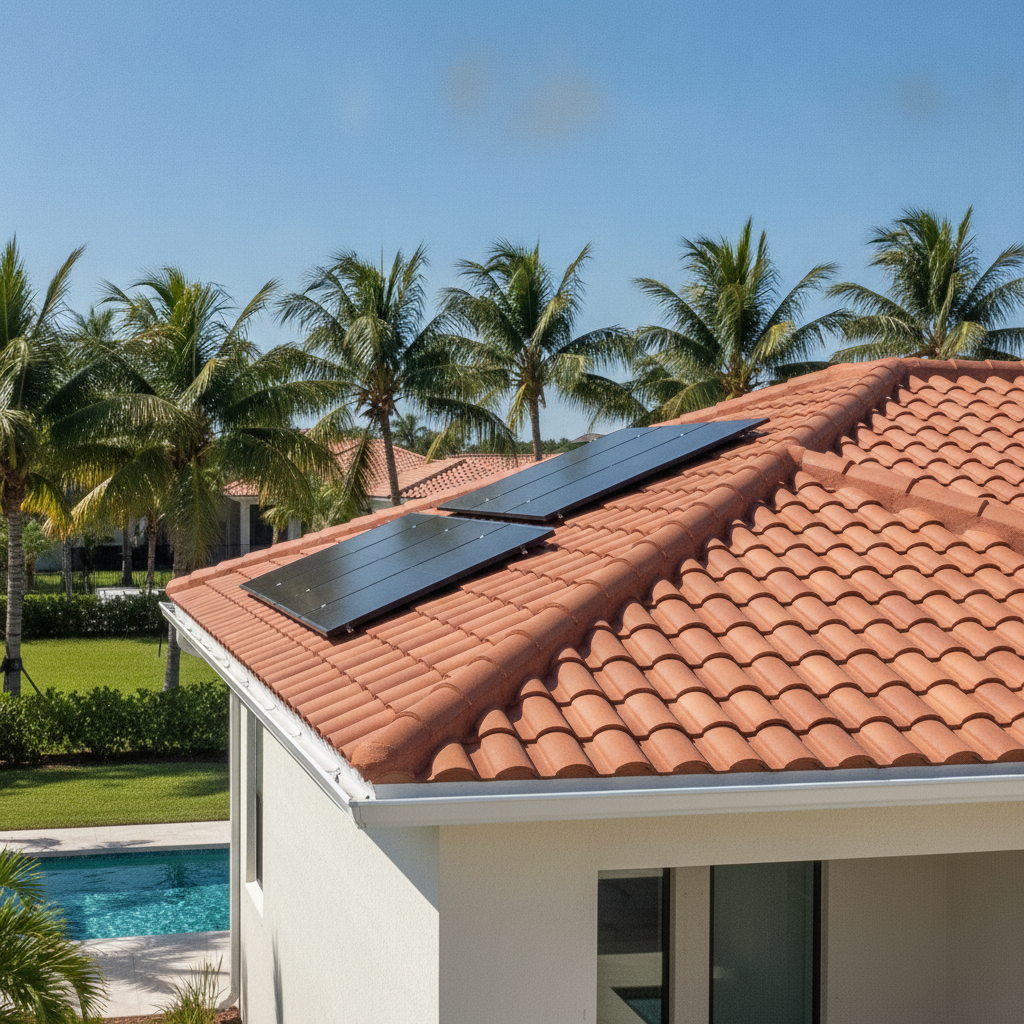
Given these formidable environmental challenges, selecting the right roofing materials is paramount for achieving optimal longevity and superior performance in Pinellas County. While asphalt shingles remain a popular and generally cost-effective choice, opting for architectural or designer shingles with a higher wind rating and enhanced algae resistance is highly recommended for our climate. Metal roofing, particularly standing seam systems, offers exceptional durability against wind uplift, corrosive salt exposure, and fire, making it an outstanding long-term investment for coastal homes. Tile roofs, whether robust concrete or elegant clay, also provide superior wind resistance and an impressive lifespan, though they typically come with a higher initial cost and require robust structural support underneath.
This intricate blend of intense climate challenges, stringent building codes, and specialized material requirements profoundly underscores the undeniable advantage of choosing a truly local Pinellas County roofer. A company with deep local roots understands not just the general Florida climate, but the specific nuances and microclimates of our unique coastal communities, from Clearwater to St. Petersburg. They are intimately familiar with the permitting process in each municipality, the specific preferred materials that genuinely perform well under our conditions, and the most effective installation techniques to ensure both code compliance and enduring durability. Our family-owned business, with all in-house crews, ensures that every aspect of your roofing project benefits directly from this invaluable localized expertise and unwavering accountability.
Ultimately, investing in a robust and resilient roofing system for your Pinellas County home is not merely an expense; it is a critical long-term investment in your property’s safety, energy efficiency, and overall market value. Proactive measures, such as regular professional inspections and timely maintenance, become even more vital in a challenging coastal environment where small issues can quickly escalate. Understanding the specific threats posed by humidity, salt, and hurricanes allows homeowners to make informed decisions that significantly extend their roof’s life and prevent costly future damage. Partnering with a reputable, certified contractor who prioritizes quality workmanship and local expertise is definitively the best defense against Florida’s relentless coastal elements.
Understanding Pinellas County’s Roofing Landscape
Pinellas County’s coastal environment presents unique challenges for any roof system. The relentless high humidity, often above 70-80% for extended periods, accelerates mold and algae growth, compromising shingle granules and causing wood rot in underlying structures if not properly ventilated. Salt spray from the Gulf of Mexico is highly corrosive, eating away at metal components like flashing, fasteners, and even contributing to the degradation of certain roofing materials over time. Beyond daily wear, the annual hurricane season from June to November brings the threat of sustained high winds, torrential rain, and flying debris, demanding a roof built to withstand Category 1-5 forces. A roof here isn’t just shelter; it’s a critical barrier against constant environmental assault.
Given these harsh conditions, selecting the right roofing material is paramount for longevity and performance in Pinellas County. Architectural shingles (also known as laminate or dimensional shingles) are a popular choice, offering a lifespan of 25-30 years in Florida’s climate, compared to 30-50 years nationally, largely due to heat and humidity. They provide excellent wind resistance when properly installed, often rated for up to 130 mph. For superior protection and a longer lifespan, standing seam metal roofing is an excellent investment, typically lasting 40-60 years or more here, and is highly resistant to wind, fire, and salt corrosion. Concrete roof tiles are another top-tier option, virtually impervious to salt, rot, and insects, with a lifespan often exceeding 50 years, though they are heavier and require a stronger roof deck.
Navigating local building codes is not just a formality; it’s crucial for your roof’s integrity and your home’s safety, especially in a hurricane-prone area like Pinellas County. All roofing work must adhere to the Florida Building Code (FBC), which includes some of the strictest wind uplift and impact resistance standards in the nation, particularly for coastal regions. This means specific requirements for decking attachment (e.g., 8d nails at 6-inch centers), underlayment (often two layers or a self-adhering membrane), and fastener types and patterns. Compliance ensures your roof is engineered to resist forces from Category 3 and even Category 4 hurricanes, significantly reducing the risk of catastrophic failure during a storm. A reputable Pinellas County roofer will be intimately familiar with these codes and handle all necessary permitting and inspections.
The undeniable advantage of choosing a local Pinellas County roofer like Florida Roof Bros cannot be overstated. We don’t just understand the Florida Building Code; we live under it, experiencing the same humidity, salt air, and hurricane threats as you do. This local expertise translates into selecting the right materials, implementing installation techniques proven effective in our specific environment, and knowing the nuances of Pinellas County permitting offices. A local contractor has established relationships with suppliers for readily available, climate-appropriate materials and can respond quickly to emergency repairs, which is critical after a storm. Furthermore, we stand behind our work with warranties that mean something because we’re part of your community.
Even with the best materials and installation, proactive maintenance is vital for extending your Pinellas County roof’s lifespan. Regular inspections, ideally twice a year and after any significant storm, can catch minor issues like loose shingles, cracked tiles, or compromised flashing before they escalate into major leaks. Keep gutters clean to ensure proper drainage and prevent water from backing up under shingles, which can lead to rot and fascia damage. Trim overhanging tree branches to prevent debris accumulation and potential impact damage during high winds. Before hurricane season, ensure all loose items on your roof are secured, and consider having a professional perform a pre-storm check-up to identify any vulnerabilities.
For instance, the FBC mandates specific requirements for roof deck attachment, often requiring nails to be spaced every 6 inches on center, rather than the national standard of 12 inches, to resist strong uplift forces. The choice of underlayment is also critical; self-adhering modified bitumen underlayments provide an excellent secondary water barrier, protecting your home even if the primary roofing material is compromised during a storm. These details, often overlooked by out-of-state contractors, are standard practice for local experts who understand the stakes involved. Investing in a roofing system that exceeds minimum code requirements, where practical, offers an even greater margin of safety and peace of mind against Florida’s formidable weather.
Essential Roofing Actions for Pinellas County Homeowners
Protecting your home in Pinellas County means actively safeguarding your roof. Here are the crucial steps you should take:
-
Schedule Annual Professional Roof Inspections
WHY: The subtle damage from constant sun, humidity, and salt air often isn’t visible from the ground, and small issues can quickly become expensive problems in Florida’s climate.
HOW: Hire a reputable Pinellas County roofer to perform a thorough inspection at least once a year, ideally in late spring before hurricane season, and after any significant storm. They will check for granule loss, cracked or missing shingles, compromised flashing, signs of algae/mold, and proper attic ventilation. An inspection typically costs between $100-$300, a small price for peace of mind and early detection.
-
Keep Gutters and Downspouts Clear
WHY: Clogged gutters prevent water from draining properly, causing it to pool on your roof, seep under shingles, and rot fascia boards and soffits, especially with our heavy rains. Standing water also creates a breeding ground for mosquitoes and can lead to unsightly stains and premature wear.
HOW: Clean your gutters at least twice a year, or more frequently if you have overhanging trees. Remove leaves, twigs, and debris by hand or with a gutter scoop, then flush with a hose to ensure downspouts are clear. Consider installing gutter guards to reduce maintenance, which can cost $5-$15 per linear foot.
-
Promptly Treat Algae, Moss, and Mold Growth
WHY: Pinellas County’s high humidity creates an ideal environment for algae (black streaks), moss, and mold to thrive on roofs. Beyond aesthetics, these growths retain moisture, accelerate granule loss on shingles, and can cause decay in underlying wood structures, shortening your roof’s lifespan.
HOW: Use a specialized roof cleaning solution (often a bleach-and-water mix or commercial cleaner) applied with a low-pressure sprayer to kill and remove growth. Never use a high-pressure washer, as it can strip granules from shingles and damage the roofing material. For severe cases or hard-to-reach areas, hire a professional roof cleaning service, typically costing $400-$800 for an average home.
-
Trim Overhanging Tree Branches
WHY: Branches directly over your roof can drop leaves and debris, contributing to gutter clogs and moisture retention. More critically, during high winds or hurricanes, these branches become projectiles that can cause severe impact damage to your roof, leading to punctures or even structural compromise.
HOW: Regularly prune any branches that are within 6-10 feet of your roofline. If the branches are large or require climbing, it’s safer and more effective to hire a professional arborist, which can cost $300-$1000+ depending on the size and number of trees.
-
Understand Your Homeowner’s Insurance Policy and Act Quickly After Storms
WHY: In Florida, homeowner’s insurance for roofs can be complex, especially regarding age, condition, and hurricane deductibles. Knowing your coverage limits, exclusions, and the claims process before a storm hits can save you significant stress and financial burden. There are strict timelines for filing claims after storm damage, sometimes as short as two years from the date of loss.
HOW: Review your policy annually with your agent, specifically discussing roof replacement coverage (Actual Cash Value vs. Replacement Cost Value), windstorm deductibles, and water damage clauses. After a storm, perform a quick visual inspection from the ground and contact your insurer immediately if you suspect damage, even if it seems minor. Document everything with photos and videos.
-
Always Verify Your Roofing Contractor’s Credentials
WHY: After a storm, unlicensed or fly-by-night contractors often descend on affected areas, promising quick fixes but delivering shoddy work that voids warranties and fails inspections. Hiring a properly licensed and insured local roofer protects your investment, ensures code compliance, and provides recourse if issues arise.
HOW: Always ask for proof of licensure (e.g., Florida Certified Roofing Contractor license, #CCC______) and insurance (liability and workers’ compensation). Check their references, online reviews, and their standing with the Better Business Bureau. A legitimate contractor will also provide a detailed written estimate and a clear contract.
Frequently Asked Questions
What roofing materials are most recommended for hurricane resistance in Pinellas County?
For homes in Pinellas County, materials like standing seam metal roofs, reinforced asphalt shingles, and concrete or clay tiles are highly recommended. These options offer superior wind uplift resistance and durability against the severe weather events common to Florida’s Gulf Coast, providing long-term protection for your home.
How does the coastal salt air impact the longevity of a roof in Pinellas County?
The constant exposure to salt spray in Pinellas County can accelerate corrosion on metal components, degrade certain roofing materials, and lead to premature wear. This corrosive environment necessitates materials and installation techniques specifically designed to withstand the unique challenges of a coastal climate, preserving your roof’s integrity.
How often should a Pinellas County roof be inspected for issues related to humidity and salt?
It is advisable for homeowners in Pinellas County to have their roofs inspected at least once a year, and ideally after any major storm event. Regular inspections help identify early signs of damage from humidity, salt, and intense sun, allowing for timely repairs that can prevent more extensive and costly problems down the line.
What are the common signs of roof damage from Florida’s intense sun and humidity in Pinellas County?
Look for signs such as cracked, curled, or missing shingles, granular loss on asphalt shingles, and discolored areas indicating algae or mold growth. Inside your home, water stains on ceilings or walls can point to leaks. These indicators suggest that your roof may be deteriorating and needs professional attention.
Is it worth investing in a metal roof for my Pinellas County home, considering the climate?
Absolutely, a metal roof is an excellent investment for Pinellas County due to its exceptional durability, energy efficiency, and resistance to hurricanes, salt, and fire. While the initial cost may be higher than traditional shingles, its extended lifespan and minimal maintenance often result in significant long-term savings and increased home value in our challenging climate.
Roofing Services Across Central Florida
Florida Roof Bros serves homeowners throughout Brevard County, Pinellas County, and surrounding Central Florida communities. If you need a roof inspection, repair, or replacement in any of these areas, our team is ready to help:
- Palm Bay, FL Roofing
- Melbourne, FL Roofing
- West Melbourne, FL Roofing
- Rockledge, FL Roofing
- Vero Beach, FL Roofing
Your Pinellas County Roof: Built to Last
Protecting your Pinellas County home means understanding the unique environmental pressures your roof faces daily. From the relentless humidity that fosters mold and mildew, to the corrosive salt air, and the ever-present threat of hurricanes, your roof is the first line of defense. Investing in the right materials and ensuring regular, professional maintenance are crucial steps to safeguarding your property and ensuring peace of mind for years to come.
Don’t wait for a small issue to become a major problem. Proactive roof care is the smartest investment a Pinellas County homeowner can make. Whether you’re considering a new installation, need a thorough inspection, or require expert repairs, Florida Roof Bros is here to provide reliable, high-quality service tailored to our local climate. Our team is dedicated to delivering durable roofing solutions that stand up to Florida’s toughest conditions.
We understand the challenges and offer 100% free, no-obligation roof inspections to assess the current condition of your roof and provide honest recommendations. Let us help you navigate the best options for your home, ensuring its longevity and your family’s safety. There’s no better time to ensure your roof is ready for whatever Pinellas County weather brings.
Ready to secure your home with a robust, long-lasting roof? Contact Florida Roof Bros today for your free inspection. Trust the Pros, Call the Bros at (321) 446-1702. We’re committed to building strong roofs that protect what matters most.
Need a free roof inspection? Call Florida Roof Bros at (321) 446-1702 or request a free inspection online. Family-owned, no subcontractors, Owens Corning Platinum Preferred. Trust the Pros, Call the Bros.
