

General Roofing
Location-Specific
Roofing
Pinellas County Roofs: Why Local Building Codes Are Crucial for Hurricane Protection
That familiar rumble of thunder across the Gulf, or the relentless summer sun beating down on your home, is a constant reminder of the unique demands placed on roofs here in Pinellas County. You invest in a home not just for its beauty, but for the safety and security it provides your family. When it comes to your roof, that security isn’t just about shingles and nails; it’s deeply tied to the specific rules and regulations designed to protect properties in this beautiful, yet vulnerable, coastal region. Understanding these local building codes is not just a bureaucratic hurdle; it is the bedrock of a resilient roof, especially with hurricane season always on the horizon. This post will help you navigate the often complex world of Pinellas County roofing building codes, ensuring your home is prepared for whatever Florida weather brings.
Many homeowners in Pinellas County might consider a roof replacement or repair simply a matter of aesthetics or stopping a leak, overlooking the critical role that local ordinances play in the longevity and performance of their roofing system. The truth is, your roof’s ability to withstand a Category 3 hurricane, or even sustained tropical storm winds, is directly influenced by its adherence to the most current local building codes. These codes are meticulously crafted and regularly updated, specifically to address the unique climate challenges we face, particularly in a high-wind zone like our beautiful peninsula. We aim to demystify these requirements, highlighting why choosing a contractor who deeply understands Pinellas-specific regulations is paramount.
Ignoring or misunderstanding these local codes can lead to significant problems down the line, from denied insurance claims after a storm to costly re-dos during inspections. It is crucial to grasp that the statewide Florida Building Code serves as a baseline, but individual counties, like Pinellas, often implement their own amendments and stricter requirements tailored to their specific environmental risks. This layered approach means that what might be acceptable in one part of Florida may not meet the stringent criteria set forth for homes directly on the coast or within certain flood zones here in Pinellas. We will walk you through the essential aspects of these local provisions, helping you make informed decisions for your home.
For homeowners in St. Petersburg, Clearwater, Dunedin, or any of the vibrant communities throughout Pinellas County, having a roof that meets or exceeds these critical standards provides invaluable peace of mind. It means your investment is protected, your family is safer, and your home is truly fortified against the elements. As a family-owned business with over 25 years of combined experience right here in Brevard, Pinellas, and Central Florida, Florida Roof Bros understands these challenges firsthand. We are dedicated to ensuring every roof we install or repair not only looks great but performs flawlessly under pressure, adhering to every local detail. For expert guidance on your Pinellas County roofing project, you can always reach out to us at (321) 446-1702.
This guide will explore the specific intricacies of Pinellas County roofing building codes, explaining how they contribute to hurricane protection and overall structural integrity. We will delve into the permitting process, the necessity of proper inspections, and the critical role these play in compliance for any roof replacement or repair project. Ultimately, understanding these regulations empowers you as a homeowner to ensure your roof is installed correctly, providing lasting durability and protection for your property. Trust the Pros, Call the Bros for a roof built to Florida standards.
The Foundations of Florida Roofing: Climate, Codes, and Coastal Resilience
Florida’s climate is famously beautiful, but it is also one of the most demanding environments for any residential roofing system in the United States. Our homes endure intense UV radiation from the sun year-round, torrential downpours during the wet season, and, most significantly, the constant threat of tropical storms and hurricanes. These factors necessitate a building code that is among the most rigorous in the nation, especially for coastal communities like those found across Pinellas County. Understanding this foundational context is essential before diving into the specifics of local roofing requirements.
The Florida Building Code (FBC), particularly its High-Velocity Hurricane Zone (HVHZ) provisions, was significantly strengthened following Hurricane Andrew in 1992. This landmark event exposed critical weaknesses in previous construction standards, leading to a comprehensive overhaul that focused heavily on wind resistance and structural integrity. For Pinellas County, which is entirely within a wind-borne debris region and often directly in the path of Gulf storms, these code enhancements are not just recommendations; they are mandated requirements designed to save lives and protect property. Every shingle, fastener, and underlayment must meet precise specifications.
A key component of the FBC for roofing is the emphasis on specific material standards and installation techniques. This includes requirements for secondary water barriers, which are membranes installed directly to the roof deck to prevent water intrusion even if shingles are blown off. There are also strict guidelines for fastener types, spacing, and penetration depth, all engineered to resist extreme uplift pressures during high winds. Furthermore, materials like asphalt shingles must meet ASTM (American Society for Testing and Materials) standards for wind resistance, with many manufacturers, such as Owens Corning, producing products specifically designed to exceed these requirements.
Beyond the statewide FBC, local jurisdictions like Pinellas County often adopt their own amendments, which can be even more stringent than the state minimums. These local amendments frequently pertain to specific wind speed zones, flood zones, or areas with unique environmental sensitivities. For instance, a home directly on the Intracoastal Waterway in St. Petersburg might have slightly different requirements than one further inland in Largo, even though both are within Pinellas County. This localized tailoring ensures that roofing systems are optimized for their immediate surroundings, providing an extra layer of protection.
Navigating these layered codes also involves a thorough permitting and inspection process. Any significant roof repair or replacement in Pinellas County requires a permit from the local building department. This permit ensures that the proposed work adheres to all current FBC and local amendments, and it triggers a series of mandatory inspections. These inspections, conducted by certified building officials, verify that the roof deck preparation, secondary water barrier installation, shingle application, and flashing details all meet code. Failing these inspections means delays and costly corrections, underscoring the importance of hiring a contractor who is intimately familiar with every step of this process.
The cost and timeline for a roofing project in Pinellas County are directly influenced by these code requirements. Meeting higher wind mitigation standards, for example, often involves using heavier gauge fasteners, more robust underlayment, or specific types of shingles certified for higher wind speeds. While these might represent a slightly higher upfront material or labor cost, they translate into a significantly more resilient roof, potentially lower insurance premiums, and fewer headaches when the next storm approaches. Investing in a code-compliant roof is an investment in your home’s long-term safety and value, handled by experienced, in-house crews like those at Florida Roof Bros, an Owens Corning Platinum Preferred Contractor.
Pinellas County Roofs: Navigating Building Codes for Superior Hurricane Protection
For Pinellas County homeowners, understanding the intricacies of roofing building codes isn’t just about compliance; it’s about safeguarding your home and family against the formidable forces of Florida’s weather, particularly hurricanes. The Florida Building Code (FBC) sets the statewide standard, but local amendments and specific interpretations in Pinellas County are critical for ensuring your roof can withstand the unique challenges of our coastal environment. This isn’t theoretical; it’s the foundation of a resilient roof.
The FBC, currently in its 8th Edition (2023), dictates everything from structural integrity to material specifications. While Pinellas County is not classified as a High-Velocity Hurricane Zone (HVHZ) like Miami-Dade or Broward, our region still falls under stringent wind design requirements, typically mandating roof systems capable of resisting sustained winds of at least 130 mph. This means every component, from the underlayment to the final covering, must meet specific fastening schedules and material strengths outlined in FBC Chapter 15 for roof assemblies and Chapter 16 for structural design. Local Pinellas County building departments adopt these codes, sometimes with minor administrative amendments, but the core performance requirements for wind resistance remain uncompromising.
Critical Code Requirements for Hurricane Readiness and Wind Mitigation
Preparing a Pinellas County roof for hurricane season goes far beyond simply nailing down shingles. Key code requirements are designed specifically to enhance wind mitigation and prevent catastrophic failure. A crucial element is the secondary water barrier (SWB), often achieved with a self-adhering modified bitumen underlayment, which acts as a waterproof shield even if the primary roof covering is compromised. This SWB is essential not only for preventing water intrusion during a storm but also for qualifying homeowners for significant wind mitigation insurance discounts, as documented on the OIR-B1-1802 form.
Fastening schedules are another non-negotiable aspect. For architectural shingles, this often means six nails per shingle, rather than the national average of four, strategically placed to maximize uplift resistance. For metal roofing, specific clip types, fastener spacing, and panel engagement are meticulously detailed to ensure the system remains anchored. Drip edge and edge metal installation, often overlooked, are also critical; properly installed edge components prevent wind from getting underneath the roof covering and initiating a pealing effect. Materials themselves must meet specific wind ratings, such as ASTM D3161 Class F or ASTM D7158 Class H for shingles, ensuring they can endure high wind speeds without delaminating or tearing.
Navigating Permitting, Inspections, and Compliance
Any significant roof repair or replacement project in Pinellas County necessitates a building permit. This isn’t red tape; it’s a vital step to ensure the work adheres to the latest FBC standards and local ordinances. The permitting process typically involves submitting an application, detailed plans (especially for complex projects), and receiving approval before any work commences. Once the work begins, a series of mandatory inspections will occur.
The most critical inspections include the “dry-in” inspection, which verifies the proper installation of the underlayment and secondary water barrier before the primary roof covering is applied. A “final inspection” then confirms that the entire roof system, including all flashing, vents, and the primary covering, meets all code requirements. Ensuring compliance throughout these stages is paramount for several reasons: it validates your roof’s warranty, ensures your home remains insurable, protects your property’s resale value, and most importantly, guarantees the safety and structural integrity of your home against future storms. Attempting to bypass these steps can lead to severe fines, insurance claim denials, and a structurally compromised roof.
How a Local Roofer Ensures Pinellas-Specific Code Adherence
Choosing a local Pinellas County roofer like Florida Roof Bros is not merely a convenience; it’s a strategic decision that directly impacts the longevity and resilience of your roof. Local roofers possess an intimate understanding of the Florida Building Code and, crucially, its specific application and any minor amendments within Pinellas County municipalities. They are familiar with the local permitting offices, their specific submission requirements, and the expectations of local building inspectors, streamlining a potentially complex process.
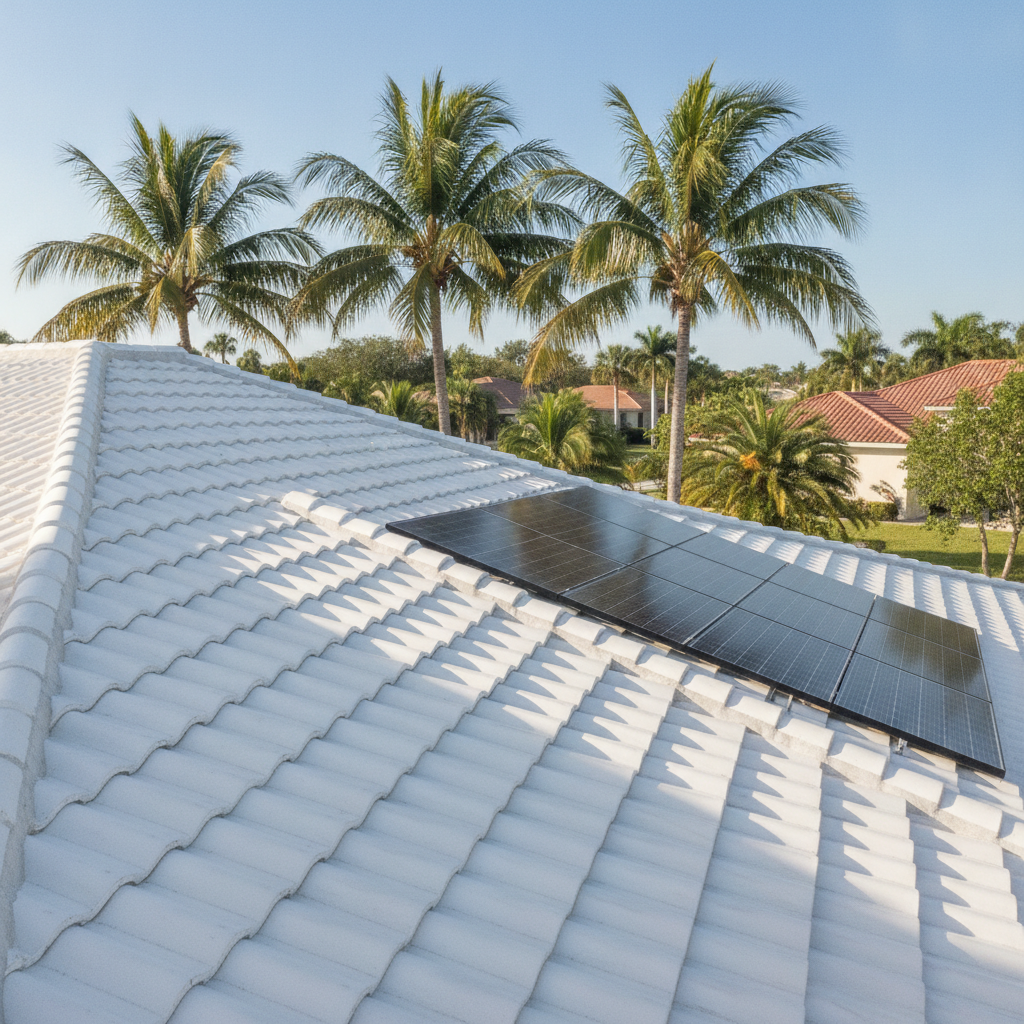
Beyond code knowledge, local roofers understand the unique environmental stressors of our climate: intense UV radiation, high humidity, salt-laden air, and torrential rainfall. This expertise translates into proper material selection and installation techniques that account for these factors. For instance, while architectural shingles might have a national lifespan of 30-50 years, in Florida’s harsh environment, a more realistic expectation is 20-30 years due to accelerated wear from heat and UV. Standing seam metal roofs, with lifespans often exceeding 40-70 years, and concrete or clay tile roofs, which can last 50+ years, are excellent choices for Florida due to their durability and resistance to our climate. A local expert ensures proper ventilation systems are installed to combat attic heat and humidity, which can significantly extend a roof’s life and improve energy efficiency. Their established reputation and community ties also mean they are invested in delivering quality, code-compliant work that stands the test of time and hurricane season.
What Pinellas County Homeowners Should Do
Protecting your Pinellas County home, especially its roof, requires proactive steps and informed decisions. Given our unique climate and the ever-present threat of hurricanes, simply reacting to problems isn’t enough. Here are actionable steps every homeowner should consider to ensure their roof is not just a covering, but a resilient shield.
-
Regularly Inspect Your Roof (Especially After Storms)
WHY: Proactive maintenance can prevent minor issues from escalating into costly, catastrophic failures, especially in Florida’s challenging weather. Early detection of damage, common after even moderate thunderstorms, saves money and preserves your roof’s lifespan.
HOW: Conduct a visual inspection from the ground annually, or immediately after any significant storm, looking for missing, cracked, or curled shingles, dislodged tiles, signs of granule loss, rust on metal components, or debris accumulation. For a more thorough assessment, schedule a professional roof inspection every 2-3 years. A qualified roofer can identify subtle damage, assess flashing integrity, and check for proper drainage.
-
Hire a Pinellas County Licensed and Insured Local Roofer
WHY: A local, licensed, and insured roofer possesses an intimate understanding of the Florida Building Code and Pinellas County’s specific amendments, ensuring your roof replacement or repair meets all legal and safety standards. Their local reputation also means they are accountable to the community.
HOW: Always verify a roofer’s license with the Florida Department of Business and Professional Regulation (DBPR) at MyFloridaLicense.com. Request proof of both general liability and workers’ compensation insurance. Ask for local references and check online reviews specific to Pinellas County. Avoid any contractor who pressures you for immediate cash payments or discourages you from obtaining a permit.
-
Prioritize Wind Mitigation Features During Roof Replacement
WHY: Incorporating enhanced wind mitigation features significantly reduces your home’s vulnerability to hurricane damage and can lead to substantial discounts on your homeowner’s insurance premiums, as verified by a wind mitigation inspection (Form OIR-B1-1802).
HOW: Discuss specific wind mitigation strategies with your roofer. This includes installing a robust secondary water barrier (SWB) under your primary roof covering, opting for impact-resistant materials (e.g., architectural shingles with Class F or H wind ratings), ensuring proper roof-to-wall attachment, and verifying that all roof deck attachments meet or exceed current code requirements. Ask your roofer to document these improvements for your insurance company.
-
Understand the Permitting and Inspection Process
WHY: A valid permit ensures your roofing project undergoes necessary inspections by Pinellas County building officials, verifying compliance with the Florida Building Code. This protects your investment, maintains your home’s insurability, and safeguards its resale value.
HOW: Your chosen roofer should handle the entire permitting process. Ask for a copy of the approved permit before work begins. Ensure that all required inspections, particularly the “dry-in” inspection (after underlayment but before the primary roof covering) and the “final” inspection, are scheduled and passed. Do not make the final payment to your contractor until the final inspection has been approved by the county.
-
Choose Roof Materials Optimized for Florida’s Climate
WHY: Florida’s intense sun, high humidity, and frequent heavy rains accelerate wear and tear on roofing materials. Selecting materials specifically designed for these conditions will ensure greater longevity, better energy efficiency, and superior storm resistance.
HOW: Discuss material options with your local roofer. Architectural shingles with high wind ratings and good UV resistance are a common choice. Standing seam metal roofs offer exceptional durability, energy efficiency, and a lifespan of 40-70 years, making them an excellent long-term investment in Florida. Concrete or clay tiles provide superior insulation, aesthetic appeal, and can last 50 years or more. Consider “cool roof” options or lighter colors to reflect sunlight and reduce attic temperatures, which can lower cooling costs.
-
Maintain Clear Gutters and Proper Ventilation
WHY: Clogged gutters lead to water overflow, which can cause fascia rot, soffit damage, and even foundation issues. Proper attic ventilation is crucial in Florida to prevent heat and moisture buildup, which can lead to mold, mildew, and premature deterioration of your roof deck and insulation.
HOW: Regularly clean your gutters, especially after heavy rains or high winds, to ensure they are free of leaves, twigs, and debris. Trim overhanging tree branches away from your roof to minimize debris accumulation and potential impact damage during storms. Ensure that soffit vents and ridge vents are unobstructed and functioning correctly to allow for continuous airflow through your attic space.
Frequently Asked Questions
What are the most common building code updates for roofs in Pinellas County?
Pinellas County frequently updates its building codes, especially concerning wind resistance and hurricane protection. Recent common updates often include stricter requirements for roof decking attachment, secondary water barriers, and the use of specific fasteners and sealants to enhance a roof’s ability to withstand high winds and heavy rainfall.
These updates are designed to improve the overall resilience of homes in our hurricane-prone region. Staying informed about these changes is crucial for homeowners looking to maintain a safe and compliant property.
How often should I have my Pinellas County roof inspected to ensure it meets current codes?
It is highly recommended that homeowners in Pinellas County have their roofs professionally inspected at least once a year, ideally before hurricane season begins. Regular inspections help identify minor issues before they escalate and ensure your roof remains in compliance with local building codes, which can change.
Even if your roof appears fine from the ground, a thorough inspection by a qualified professional can uncover hidden damage or potential vulnerabilities, giving you peace of mind and protecting your investment.
Does upgrading my roof to meet current hurricane codes affect my home insurance in Florida?
Yes, significantly. Upgrading your roof to meet or exceed current Pinellas County hurricane building codes can often lead to substantial discounts on your Florida home insurance premiums. Insurance companies recognize that a code-compliant, hurricane-resistant roof reduces their risk of future claims.
Many insurers offer specific wind mitigation credits for features like stronger roof-to-wall connections, secondary water barriers, and impact-resistant materials. Be sure to discuss these potential savings with your insurance provider after any roof upgrade.
What types of roofing materials are best for hurricane protection in Pinellas County?
For hurricane protection in Pinellas County, materials known for their durability and wind resistance are highly recommended. Metal roofing, for instance, offers excellent longevity and can withstand very high wind speeds when properly installed.
High-quality asphalt shingles, particularly those rated for higher wind resistance, and tile roofs also provide robust protection when installed according to the latest Florida Building Code standards. The key is not just the material itself, but also its proper installation and adherence to local codes.
How do I know if my existing roof meets the latest Pinellas County building codes?
Determining if your existing roof meets the latest Pinellas County building codes requires a professional assessment. A qualified roofing contractor from Florida Roof Bros can perform a detailed inspection, evaluating your roof’s age, materials, installation methods, and current condition against the most recent code requirements.
They can identify any areas of non-compliance or potential vulnerabilities, providing you with a comprehensive report and recommendations for necessary upgrades to ensure your home is protected and compliant.
Roofing Services Across Central Florida
Florida Roof Bros serves homeowners throughout Brevard County, Pinellas County, and surrounding Central Florida communities. If you need a roof inspection, repair, or replacement in any of these areas, our team is ready to help:
- Palm Bay, FL Roofing
- Melbourne, FL Roofing
- West Melbourne, FL Roofing
- Rockledge, FL Roofing
- Vero Beach, FL Roofing
Protect Your Pinellas Home: Partner with Florida Roof Bros
As we’ve explored, understanding and adhering to Pinellas County’s building codes is not merely a formality; it is a critical safeguard for your home and family, especially in a region prone to hurricanes. These codes are designed to ensure your roof can withstand the intense forces of nature, protecting your most valuable asset from severe damage and helping to keep your loved ones safe. Investing in a code-compliant roof is an investment in long-term peace of mind.
Navigating the intricacies of local building codes can be complex, and ensuring your roof meets these vital standards requires expert knowledge and precision. Don’t leave the integrity of your home to chance. Proactive maintenance and timely upgrades are essential to maintaining your roof’s strength and extending its lifespan.
At Florida Roof Bros, we are intimately familiar with all Pinellas County building codes and the unique challenges Florida roofs face. We are committed to providing top-tier service and ensuring every roof we work on offers maximum protection. If you have concerns about your roof’s current condition or its compliance with local regulations, we are here to help.
We offer 100% free, no-obligation roof inspections, allowing you to understand your roof’s status without any commitment. Take the first step towards a more secure home today. Contact Florida Roof Bros for your complimentary inspection by calling us directly at (321) 446-1702. Trust the Pros, Call the Bros, and let us help you protect your Pinellas County home with confidence.
Need a free roof inspection? Call Florida Roof Bros at (321) 446-1702 or request a free inspection online. Family-owned, no subcontractors, Owens Corning Platinum Preferred. Trust the Pros, Call the Bros.
