

General Roofing
Roofing
Protect Your Florida Home: Comparing Roofing Materials Against Hurricane Threats
The familiar Florida afternoon often brings more than just a passing shower; it can signal the rapid onset of a severe weather event, especially as hurricane season ramps up from June through November. For homeowners in Palm Bay, across Brevard County, and throughout Central Florida, the sight of darkening skies, the sudden drop in temperature, and the first gust of wind inevitably turns thoughts to one critical part of their home: the roof. This immediate, often anxious, concern is deeply rooted in the harsh reality that a strong, resilient roofing system is the primary barrier between your family, your cherished possessions, and the unforgiving forces of a tropical storm or a full-blown hurricane.
Living in a region where hurricane threats are a yearly, sometimes unavoidable, consideration means your roof isn’t just about enhancing curb appeal or providing basic shelter. It is, in fact, a vital structural component meticulously designed to withstand extreme conditions, from relentless sun exposure to torrential downpours and, most critically, powerful wind uplift. The strategic choice of roofing material directly impacts your home’s overall safety, your family’s invaluable peace of mind during a storm, and your long
Choosing the Right Armor for Your Palm Bay Home: A Deep Dive into Roofing Materials
When it comes to protecting your Palm Bay property from the relentless Florida weather, particularly hurricane-force winds, your roof is the first and most critical line of defense. Selecting the right roofing material isn’t just about aesthetics; it’s a strategic investment in your home’s safety and your peace of mind. The Florida Building Code sets stringent standards for roofing, emphasizing wind resistance, proper installation, and durability. Understanding how different materials stack up against these challenges is crucial for every homeowner in our hurricane-prone climate.
Asphalt Shingles: The Practical Choice with Modern Fortifications
Asphalt shingles remain the most common roofing material across Florida, primarily due to their affordability and versatility. For hurricane preparedness, we strongly recommend architectural or dimensional shingles over traditional 3-tab versions. High-quality architectural shingles, especially those rated for wind speeds up to 130 mph (Category 3 hurricane equivalent), offer significantly better resistance to uplift and blow-off. Their typical lifespan in Florida, however, is often shorter than national averages due to intense UV exposure and humidity, usually ranging from 15 to 25 years. While initial costs are lower, around $4.50 to $7.50 per square foot installed in Palm Bay, their maintenance involves periodic inspections for granule loss, lifting tabs, and potential mold growth, which can diminish their protective qualities over time.
Metal Roofing: The Long-Term Hurricane Champion
For superior hurricane resistance and longevity, metal roofing, particularly standing seam metal, stands out as a top contender. These systems are renowned for their ability to withstand extreme winds, often rated for 150 mph or higher, easily handling Category 4 and even some Category 5 hurricane forces when properly installed. Beyond their impressive wind ratings, metal roofs offer exceptional durability, with lifespans stretching from 40 to 70 years, far exceeding asphalt shingles. They are also energy-efficient, reflecting solar heat and potentially lowering your cooling costs. While the initial investment is higher, typically ranging from $9 to $18 per square foot installed, the reduced maintenance, extended lifespan, and potential insurance premium discounts for wind mitigation credits offer a compelling long-term return on investment (ROI).
Tile Roofing: Enduring Beauty and Unmatched Durability
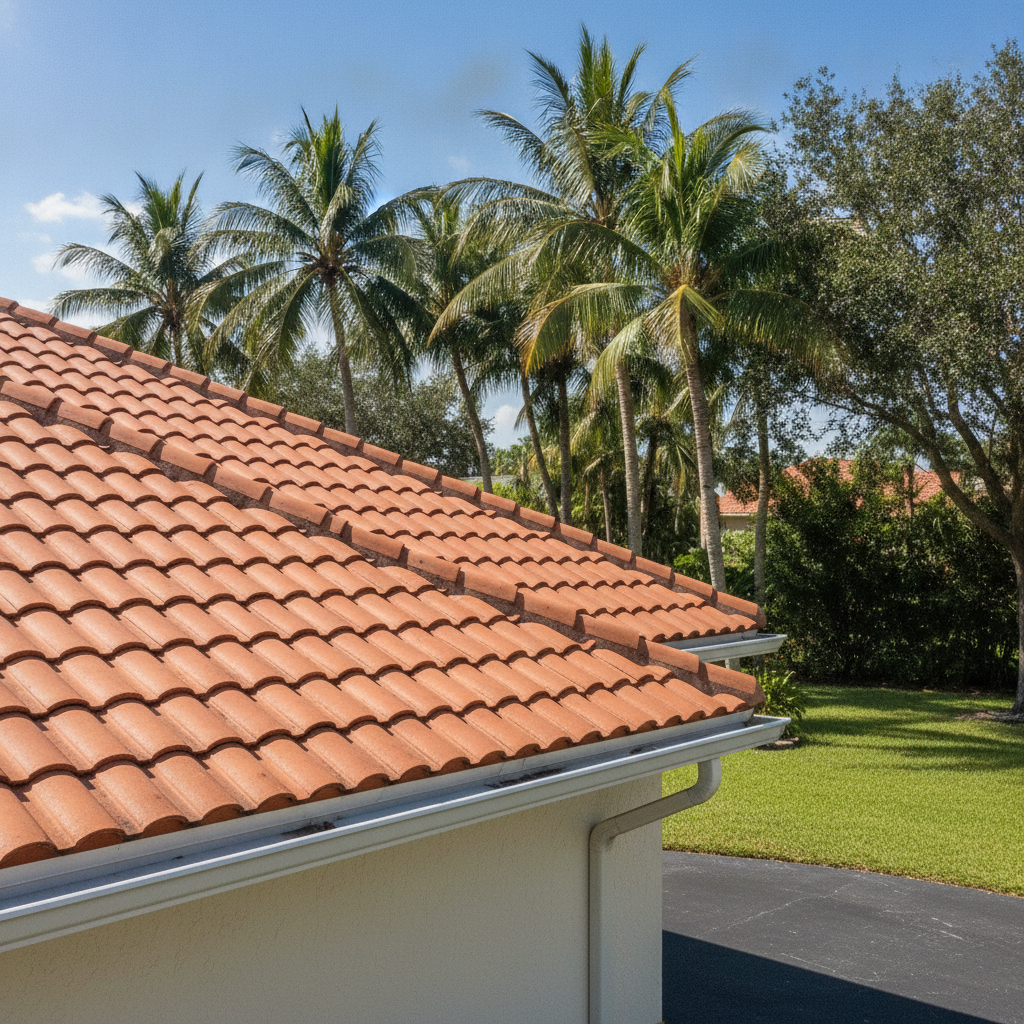
Concrete and clay tile roofs are a classic Florida aesthetic, often seen in Mediterranean and Spanish-style homes, but their appeal goes far beyond looks. These heavy-duty materials are incredibly durable, offering superior resistance to fire, rot, and insects, and perform exceptionally well against hurricane-force winds. Many tile systems are rated for wind speeds exceeding 150 mph, providing robust protection against even the most severe storms. With proper installation and maintenance, tile roofs can last 50 years or more, making them one of the longest-lasting roofing options available. The initial cost for tile roofing is typically the highest, ranging from $12 to $25+ per square foot installed, largely due to the material cost and specialized installation requirements. However, their longevity and minimal maintenance requirements often translate into excellent long-term value and significant insurance savings.
Understanding ROI, Costs, and Insurance Implications
When evaluating Florida roofing materials, consider the total cost of ownership, not just the upfront expense. A cheaper asphalt shingle roof might need replacement twice as often as a metal or tile roof, negating initial savings. Moreover, insurance companies in Florida often offer significant discounts for roofs that meet enhanced wind resistance standards, such as those with higher wind ratings, secondary water barriers, and proper attic ventilation. A wind mitigation report, performed by a qualified inspector, can unlock these savings. Investing in a more robust material like metal or tile not only provides superior protection but can also lead to substantial savings on your annual insurance premiums, improving your overall ROI in the long run. Always discuss these potential savings with your insurance provider when planning a roof replacement.
Choosing Your Best Fit: Style, Budget, and Building Codes
The right roofing material for your Palm Bay home balances your aesthetic preferences, budget, and the critical need for hurricane protection. While architectural shingles offer a cost-effective solution with decent protection, metal and tile roofs provide superior longevity, durability, and wind resistance, albeit at a higher initial cost. Regardless of your choice, ensuring the material meets or exceeds the current Florida Building Code requirements for your specific wind zone is paramount. This includes proper fastening schedules, underlayment, and flashing, all designed to keep your roof intact during a storm. Your roofing contractor should be well-versed in these codes and able to guide you through the best options for your home style and budget, ensuring your investment is well-protected against the elements.
What Palm Bay Homeowners Should Do: Practical Steps for Roof Preparedness
As hurricane season approaches, proactive measures are key to safeguarding your home. Don’t wait until a storm is on the horizon to think about your roof. Here are actionable steps every Palm Bay homeowner should take to ensure their roof is ready to face whatever Mother Nature throws its way.
-
Schedule an Annual Professional Roof Inspection:
WHY: A professional eye can spot minor issues before they become major problems. Missing shingles, loose flashing, damaged seals, or early signs of granule loss are often invisible from the ground but can compromise your roof’s integrity during high winds. This is especially crucial in Florida, where constant sun and humidity accelerate wear and tear.
HOW: Contact Florida Roof Bros for a thorough, no-obligation inspection. We’ll provide a detailed report on your roof’s condition and recommend any necessary preventative maintenance or repairs.
-
Understand Your Homeowner’s Insurance Policy and Wind Mitigation Credits:
WHY: Knowing your coverage limits, deductibles, and specific exclusions for wind damage is vital before a storm hits. Florida insurance policies can be complex, and understanding your wind mitigation credits can lead to significant premium savings. These credits are often tied to specific roof features like secondary water barriers, impact-resistant materials, and proper roof-to-wall attachments.
HOW: Review your policy documents carefully. If you haven’t had a wind mitigation inspection in the last five years, schedule one with a certified inspector. Share the report with your insurance provider to ensure you’re receiving all eligible discounts.
-
Clean Gutters and Clear Debris Regularly:
WHY: Clogged gutters prevent proper water drainage, leading to water pooling on your roof or overflowing down your home’s exterior, potentially causing fascia rot, soffit damage, and even foundation issues. Accumulated debris like leaves and branches can also trap moisture, leading to mold growth and premature material degradation, especially in our humid climate.
HOW: Periodically clear your gutters and downspouts of leaves, twigs, and other blockages. Trim any tree branches overhanging your roof to prevent damage during high winds and to reduce the amount of organic debris.
-
Vet Your Roofing Contractor Thoroughly for Any Work:
WHY: In the aftermath of a hurricane, unscrupulous contractors often appear. Hiring an unlicensed or inexperienced contractor can lead to shoddy work that fails to meet Florida Building Code standards, voiding warranties and potentially leaving your home vulnerable to future storms. Proper installation is as critical as the material itself for hurricane performance.
HOW: Always verify a contractor’s state licensing (e.g., through MyFloridaLicense.com), insurance (liability and workers’ comp), and local references. Ask for proof of compliance with current Florida Building Codes and inquire about their storm response plans. Florida Roof Bros is fully licensed, insured, and deeply rooted in the Palm Bay community.
-
Don’t Delay Necessary Repairs or Replacements:
WHY: A small leak or a few missing shingles might seem minor, but they represent weak points that can catastrophically fail during a hurricane. High winds will exploit any existing vulnerability, turning a minor issue into extensive structural damage.
HOW: Address any identified roof issues promptly. If your roof is nearing the end of its lifespan or has sustained significant damage, consider a full replacement before hurricane season peaks. Scheduling proactively ensures you have access to reputable contractors and avoids emergency pricing or material shortages.
-
Consider Upgrading to Current Florida Building Code Standards:
WHY: If your home was built before the latest Florida Building Code revisions, particularly those implemented after the 2004 hurricane season, your existing roof may not meet today’s enhanced wind resistance requirements. Upgrading during a replacement can significantly improve your home’s resilience and potentially qualify you for substantial insurance discounts.
HOW: Discuss with your roofing contractor the specific code requirements for your area of Palm Bay and how a new roof installation can exceed these standards. Ask about options like secondary water barriers, upgraded fasteners, and enhanced drip edge installation.
Frequently Asked Questions
Are metal roofs truly worth the higher upfront cost for hurricane protection in Palm Bay, FL?
While metal roofs often have a higher initial investment compared to traditional asphalt shingles, their long-term value for hurricane protection in Palm Bay is significant. They offer superior wind resistance, exceptional durability against impacts from debris, and a much longer lifespan, often leading to reduced maintenance and potential insurance savings over time. Considering Florida’s frequent severe weather, this investment can provide invaluable peace of mind and substantial protection for your home.
What roofing material offers the best wind resistance for homes in coastal Florida like Palm Bay?
For homes in coastal Florida, metal roofing and concrete tile are generally considered to offer the best wind resistance. Metal roofs, when properly installed with interlocking panels and robust fasteners, can withstand winds well over 150 mph. Concrete and clay tiles are also extremely durable and heavy, providing excellent resistance to uplift during high winds, making both strong choices for hurricane-prone areas.
How long do different hurricane-resistant roofing materials typically last in the Florida climate?
The lifespan of hurricane-resistant roofing materials varies significantly; a properly installed metal roof can last 40-70 years, while concrete and clay tiles can endure for 50-100 years or more with good maintenance. High-quality architectural asphalt shingles, designed for hurricane zones, might last 25-30 years. The extreme heat, humidity, and intense UV exposure in Florida, combined with severe weather, are critical factors that can influence these lifespans.
Can I receive insurance discounts for installing a hurricane-resistant roof in Florida?
Yes, many insurance providers in Florida offer significant discounts for homes with hurricane-resistant features, including roofs built to modern wind mitigation standards. Upgrading to a stronger roofing material or ensuring your current roof meets specific building codes for wind resistance can often lead to reduced premiums. It is always highly recommended to consult directly with your insurance agent to understand specific eligibility requirements and potential savings for your property.
What are the key signs my current roof isn’t ready for hurricane season in Palm Bay, FL?
Several signs indicate your roof may not be hurricane-ready, including missing, cracked, or curling shingles, significant granular loss on asphalt roofs, and visible signs of water damage or leaks indoors. Loose or corroded flashing around chimneys, skylights, or vents, as well as a roof that is simply beyond its typical lifespan, are also major red flags. A professional inspection can accurately assess your roof’s integrity and identify any vulnerabilities before a storm hits.
Roofing Services Across Central Florida
Florida Roof Bros serves homeowners throughout Brevard County, Pinellas County, and surrounding Central Florida communities. If you need a roof inspection, repair, or replacement in any of these areas, our team is ready to help:
- Melbourne, FL Roofing
- West Melbourne, FL Roofing
- Rockledge, FL Roofing
- Vero Beach, FL Roofing
- Sebastian, FL Roofing
Secure Your Home with Florida Roof Bros
Choosing the right roofing material for your Palm Bay home is a critical decision, especially when facing Florida’s hurricane season. We’ve explored how various options, from the robust durability of metal to the classic strength of tile and the improved resilience of modern asphalt shingles, each offer unique advantages in protecting your property. The key takeaway is that investing in a high-quality, hurricane-resistant roof is not just about aesthetics; it’s about safeguarding your family and your most valuable asset against the unpredictable forces of nature.
Don’t wait for the next hurricane threat to assess your home’s vulnerability. Proactive preparation is your best defense. If you’re considering a new roof, need an assessment of your current roof’s condition, or want to explore hurricane-resistant upgrades, Florida Roof Bros is here to help. We offer 100% free inspections to homeowners in Palm Bay and surrounding areas, providing you with a comprehensive understanding of your roofing needs without any obligation. Our experienced experts will guide you through the best options tailored for your specific home and budget, ensuring lasting protection.
Take the first step towards securing your home and gaining complete peace of mind. Our team of experienced professionals is ready to provide the expertise and quality service you deserve, ensuring your roof is ready for whatever the Florida weather brings. For your free, no-obligation roof inspection, reach out to Florida Roof Bros today. Trust the Pros, Call the Bros at (321) 446-1702.
Need a free roof inspection? Call Florida Roof Bros at (321) 446-1702 or request a free inspection online. Family-owned, no subcontractors, Owens Corning Platinum Preferred. Trust the Pros, Call the Bros.
