

General Roofing
Location-Specific
Roofing
Protecting Your Pinellas County Roof: Expert Tips and Services
That persistent dampness in the air, the faint scent of salt, and the ever-present hum of your AC working overtime , these are the daily realities of living in Pinellas County. While these elements contribute to our beautiful coastal lifestyle, they also present unique and formidable challenges for the very structure protecting your home: your roof. Unlike inland areas, roofs in Pinellas County are under constant assault from a combination of high humidity, corrosive salt air, and the ever-looming threat of hurricane season, factors that significantly accelerate wear and tear, demanding a more robust and informed approach to roofing.
Understanding these specific environmental pressures is not just about maintenance; it’s about safeguarding your investment and ensuring your family’s safety against the unpredictable Florida weather. This post will delve into how Pinellas County’s distinctive climate impacts your roof, from the subtle, long-term degradation caused by moisture and salinity to the sudden, catastrophic damage inflicted by severe storms. We will explore the best roofing materials and practices that stand up to these challenges, helping you make educated decisions about your property’s most critical defense system.
The relentless sun, coupled with near-daily afternoon showers, creates an ideal environment for algae and mildew, which not only mar your roof’s appearance but can also compromise its protective granules and overall lifespan. Furthermore, the proximity to the Gulf of Mexico means salt particles are carried inland, settling on roof surfaces and corroding metal components, fasteners, and even contributing to the breakdown of asphalt shingles over time. These combined forces mean that a roof in Pinellas County often ages faster and requires more diligent attention than one in a less exposed region.
When considering the long-term health of your roof, particularly with the unique challenges faced by Pinellas County homes, having a trusted partner is invaluable. Florida Roof Bros, a family-owned company with over 25 years of combined experience, understands these local nuances intimately, operating with all in-house crews and never using subcontractors to ensure consistent quality and accountability on every project. Our commitment to excellence is reflected in our A+ rating by the BBB and over 300 five-star Google reviews, demonstrating our dedication to the communities we serve across Brevard, Pinellas, and Central Florida.
Choosing the right roofer means selecting a team that possesses not only the technical skill but also a deep understanding of Florida’s stringent building codes and the specific requirements for coastal properties. As an Owens Corning Platinum Preferred Contractor, Florida Roof Bros offers industry-leading warranties and superior materials designed to withstand the harshest elements our region can throw at them. We are fully licensed, insured, certified, and bonded under FL license CCC1332911, providing peace of mind that your roofing project will be handled with the utmost professionalism and adherence to all local regulations, ensuring your roof is hurricane season ready.
Ultimately, this guide aims to equip you with the knowledge needed to protect your home effectively, ensuring your roof is not just a covering but a resilient shield against the elements. Whether you are considering a repair, a full replacement, or simply seeking to understand better the demands placed on your roof, understanding these local factors is the first step toward a durable and worry-free roof. For personalized advice and expert service tailored to your Pinellas County property, Trust the Pros, Call the Bros at (321) 446-1702.
Understanding Pinellas County’s Unique Roofing Environment
Florida’s climate, particularly in coastal regions like Pinellas County, presents a unique set of challenges that significantly influence roof longevity and performance, far beyond what typical weather conditions demand elsewhere. The trifecta of high humidity, pervasive salt air, and the annual threat of hurricane season necessitates a specialized approach to roofing materials, installation techniques, and ongoing maintenance. Understanding these foundational environmental factors is crucial for any homeowner looking to invest in a roof that truly lasts and protects.
High humidity, a constant companion in our subtropical climate, creates an environment ripe for organic growth, including unsightly black algae, moss, and mildew on roof surfaces. Beyond aesthetic concerns, this persistent moisture can trap heat, degrade asphalt shingle granules, and even contribute to the premature rot of underlying wood decking and fascia if not properly managed through adequate ventilation and material selection. The constant dampness also accelerates the corrosion of metal components like flashing and fasteners, which are critical for maintaining the structural integrity of the entire roof system.
The proximity to the Gulf of Mexico brings with it another formidable adversary: salt air. Microscopic salt particles carried by the sea breeze settle on roofs, acting as a corrosive agent that can break down protective coatings on metal roofs, accelerate the deterioration of asphalt shingles, and compromise the integrity of fasteners over time. This continuous exposure demands materials with superior resistance to corrosion and UV degradation, as well as installation methods that minimize points of vulnerability to salt-laden moisture.
Perhaps the most significant challenge for Pinellas County roofing is the annual hurricane season, running from June 1st to November 30th. This period brings the potential for extreme winds, torrential rain, and flying debris, all of which can inflict severe and widespread damage. Florida’s rigorous building codes, particularly the Florida Building Code 7th Edition (2020) and subsequent updates, are specifically designed to mandate construction standards that enhance a home’s resilience against these forces. These codes dictate everything from roof decking attachment methods to specific material requirements and installation practices, ensuring roofs can withstand sustained high winds and resist water intrusion.
Navigating these complex local building codes and permitting requirements for roofing in Pinellas, FL, is not a task for the inexperienced. Adherence to these codes is paramount not only for safety but also for insurance compliance and the validity of manufacturer warranties. For instance, specific requirements exist for secondary water barriers, proper ventilation, and the use of approved fasteners and attachment schedules, all of which are meticulously inspected by local authorities. Choosing a local, experienced roofer like Florida Roof Bros, with our FL license CCC1332911, ensures that your project will meet all necessary compliance standards, avoiding costly delays or future liabilities.
The selection of appropriate roofing materials is directly influenced by these environmental factors and building codes. While traditional asphalt shingles remain popular, their performance in Pinellas County depends heavily on quality and installation, often benefiting from impact-resistant or algae-resistant varieties. Metal roofing, known for its durability and wind resistance, is an excellent choice but requires specific corrosion-resistant coatings. Tile roofs, while aesthetically pleasing and long-lasting, demand precise installation to prevent water intrusion in high-wind events. Each material has its unique advantages and considerations regarding cost, lifespan, and suitability for our specific climate challenges, making informed material selection a critical step in any roofing project.
Exploring Pinellas County’s Unique Roofing Challenges and Solutions
Pinellas County, FL, presents a distinct set of environmental challenges that directly impact the longevity and performance of your roof. Our subtropical climate is defined by relentless humidity, corrosive salt air exposure for many coastal properties, and the ever-present threat of hurricane season. High humidity levels foster the growth of mold, mildew, and algae, which can degrade roofing materials over time, especially asphalt shingles. Salt air, prevalent along our beautiful coastline, accelerates the corrosion of metal components like flashing, fasteners, and even certain types of metal roofing, compromising their structural integrity.
Beyond the daily grind of humidity and salt, the most significant threat to Pinellas County roofs comes from hurricane-force winds and torrential rains. The Florida Building Code (FBC) mandates stringent requirements for roof construction and replacement specifically to withstand these extreme conditions. Understanding these environmental factors isn’t just academic; it’s crucial for selecting the right materials and ensuring your roof is built or repaired to meet the demands of our challenging climate, protecting your home and family for decades.
Common and Resilient Roof Types for Pinellas County Homes
Choosing the right roofing material for your Pinellas County home means balancing durability, aesthetics, and cost, all while considering our local climate. Architectural asphalt shingles remain a popular choice due to their affordability and versatility. When installed correctly with proper nailing patterns and underlayment, modern architectural shingles can achieve wind resistance ratings up to 130 MPH, crucial for Category 3 hurricane preparedness, and typically last 15-20 years in Florida’s harsh sun and humidity, slightly less than the national average.
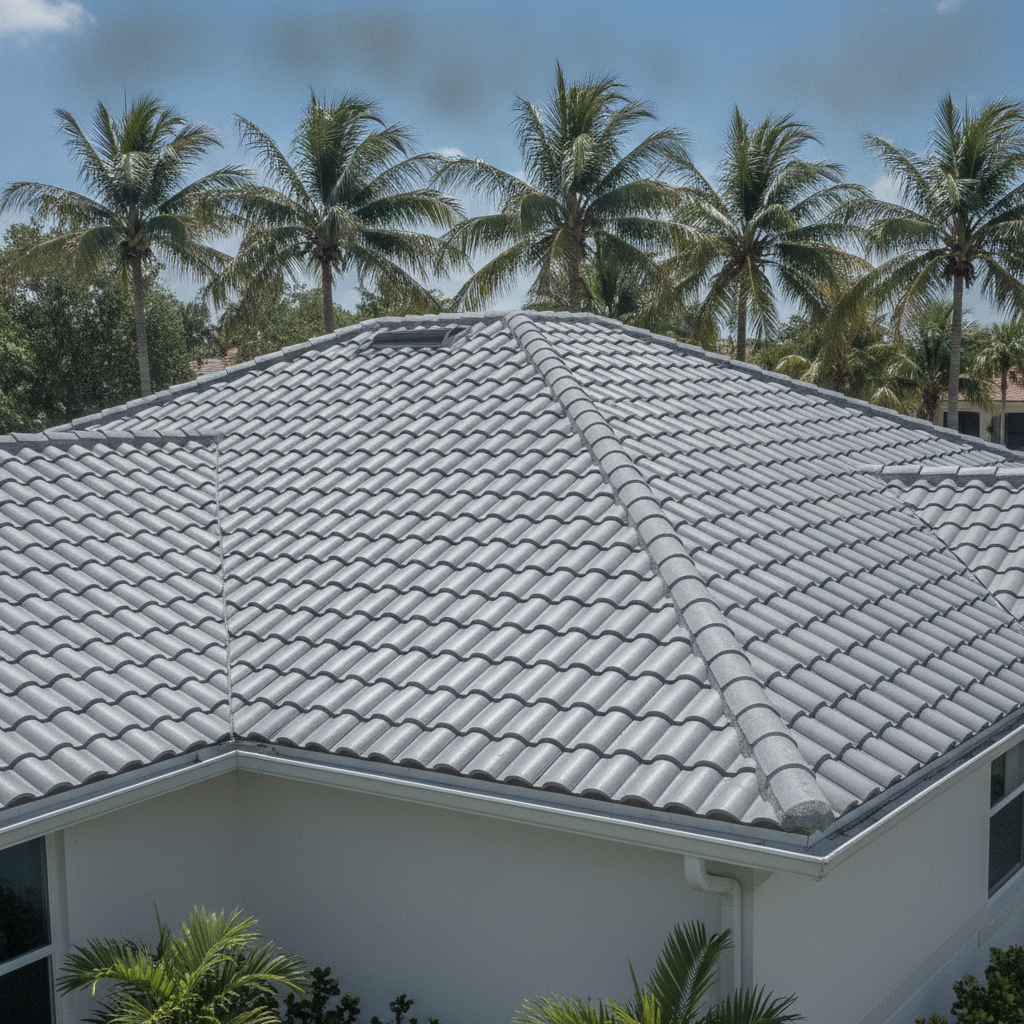
For superior longevity and wind resistance, many homeowners are turning to standing seam metal roofing. This material is exceptionally durable, often rated for winds exceeding 150 MPH, and can last 30-50 years or more. Metal roofs are also energy-efficient, reflecting solar heat and potentially lowering cooling costs. While the upfront investment is higher, their extended lifespan and minimal maintenance often provide long-term value. Concrete and clay tiles are another excellent option, offering superb wind resistance, often rated for 150+ MPH, and an impressive lifespan of 50 years or more. These materials are heavy, requiring a strong roof deck, but their durability and classic Florida aesthetic make them a timeless choice for many Pinellas County properties.
Navigating Local Building Codes and Permitting in Pinellas, FL
Any significant roofing project in Pinellas County requires navigating the specific requirements of the Florida Building Code and local permitting processes. The FBC, particularly Chapter 15, sets the standards for wind uplift resistance, material specifications, and installation techniques designed to protect against hurricane damage. This includes mandating secondary water barriers (peel-and-stick underlayment) to prevent leaks even if the primary roofing material is compromised, specific fastening schedules for shingles and tiles, and rigorous inspection protocols. All roofing work, from a full replacement to significant repairs, must be permitted through your local municipality within Pinellas County, whether you’re in St. Petersburg, Clearwater, Largo, or an unincorporated area.
Failure to obtain proper permits or adhere to the FBC can lead to significant problems, including fines, stop-work orders, and even the requirement to remove and redo non-compliant work. More importantly, an unpermitted or improperly installed roof may not pass inspection, could void your homeowner’s insurance policy in the event of storm damage, and will certainly complicate future home sales. A reputable local roofer will handle all permitting and ensure every aspect of the job meets or exceeds the current FBC standards and local Pinellas County ordinances, providing peace of mind and protecting your investment.
Why Choosing a Local, Experienced Pinellas County Roofer is Crucial
When it comes to protecting your Pinellas County home, the choice of your roofing contractor is paramount. A local, experienced roofer understands the unique challenges posed by our climate, from the specific types of storm damage we see annually to the nuances of humidity and salt air degradation. They are intimately familiar with the Florida Building Code as it applies to Pinellas County and have established relationships with local building departments, ensuring a smooth permitting and inspection process. This local expertise translates into selecting the most appropriate materials and employing installation techniques that are proven to perform in our environment.
Furthermore, a local roofer like Florida Roof Bros has a vested interest in the community and a reputation to uphold. They are more accessible for follow-up questions or warranty work, and they understand the local insurance claims process, which can be complex after a major storm. They are not “storm chasers” who disappear after the job is done, leaving you without support. Choosing a contractor with deep roots in Pinellas County ensures accountability, quality workmanship, and a partner who will be there for you long after the last shingle is laid, providing reliable service and expert advice tailored to our specific needs.
What Pinellas County Homeowners Should Do for Their Roof
-
Schedule Regular Professional Roof Inspections
WHY: Proactive inspections catch minor issues like loose shingles, cracked tiles, or compromised flashing before they escalate into costly leaks or major structural damage, especially after our frequent severe weather. Our Florida climate accelerates wear, making annual checks vital.
HOW: Hire a certified local roofing contractor for an annual inspection. They will assess the entire roof system, including gutters, flashing, and attic ventilation, providing a detailed report and recommending necessary maintenance or repairs. This is even more critical after any named storm passes through Pinellas County.
-
Maintain Clear Gutters and Proper Drainage
WHY: Clogged gutters cause water to back up, leading to fascia rot, soffit damage, and water intrusion into your attic or walls. Improper drainage can also saturate the ground around your foundation, potentially causing costly structural issues. In humid Florida, standing water also promotes mold and mildew.
HOW: Clean your gutters at least twice a year, or more frequently if you have overhanging trees. Ensure downspouts direct water away from your home’s foundation. Consider installing gutter guards to reduce debris buildup, but remember they still require occasional cleaning.
-
Trim Overhanging Tree Branches
WHY: Overhanging branches pose a significant threat to your roof, especially during hurricane season. High winds can cause limbs to break off and fall, puncturing the roof or dislodging materials. They also shed leaves and debris that clog gutters and create shaded, damp areas conducive to moss and algae growth.
HOW: Hire a professional tree service to trim any branches that are within 10 feet of your roof. Regular trimming not only protects your roof but also helps maintain the health of your trees and reduces potential hazards during storms.
-
Understand Your Roof’s Lifespan and Warranty
WHY: Knowing your roof’s expected lifespan in Pinellas County conditions helps you budget for future replacement and understand when it might be nearing the end of its service. Familiarity with your warranty details ensures you can leverage coverage for material defects or installation issues if they arise.
HOW: Keep all original roofing documentation, including installation dates, material specifications, and warranty certificates. Consult with your roofer about the typical lifespan of your specific roofing material in our Florida climate, which is often shorter than national averages due to intense sun and humidity.
-
Prepare for Hurricane Season Annually (Florida-Specific)
WHY: Pinellas County is highly susceptible to hurricane activity. Proper preparation can significantly reduce damage, expedite insurance claims, and protect your family. Knowing what to do before, during, and after a storm is critical for Florida homeowners.
HOW: Before hurricane season (June 1 – November 30), secure any loose items on your roof. Take comprehensive photos and videos of your roof’s current condition for insurance purposes. Familiarize yourself with your homeowner’s insurance policy, specifically your deductible and the claims process. After a storm, contact a local roofer immediately for a damage assessment and report any damage to your insurer within their specified timeframe, often 48-72 hours.
-
Address Humidity and Salt Air Effects Promptly (Florida-Specific)
WHY: The high humidity in Pinellas County encourages moss, algae, and lichen growth, which can trap moisture and degrade roofing materials. Salt air, especially near the coast, can corrode metal components faster than in inland areas, leading to premature failure.
HOW: Ensure your attic has adequate ventilation (soffit and ridge vents) to reduce heat and moisture buildup, mitigating mold and mildew. For homes near the coast, consider a gentle rinse of lower roof sections every few months to remove salt residue. Treat any visible moss or algae growth with appropriate, roof-safe cleaning solutions to prevent long-term damage.
-
Choose a Reputable, Local, and Licensed Roofing Contractor
WHY: A local, licensed, and insured roofing contractor understands the specific challenges and building codes of Pinellas County. They are accountable to the community, provide reliable warranties, and are equipped to handle local permitting and inspections correctly, ensuring a compliant and durable roof.
HOW: Always verify a contractor’s state licensing (e.g., Florida Certified Roofing Contractor), insurance, and local references. Check online reviews and ask for proof of workers’ compensation and liability insurance. A reputable roofer will provide a detailed proposal, explain the permitting process, and stand behind their work with robust warranties.
Frequently Asked Questions
How does the high humidity in Pinellas County affect my asphalt shingle roof?
Pinellas County’s relentless humidity provides an ideal environment for mold, mildew, and algae to thrive, particularly on asphalt shingles. This organic growth not only creates unsightly black streaks but also degrades the shingle’s protective granules over time, compromising its ability to reflect UV rays and increasing its susceptibility to further damage. Ultimately, prolonged exposure to high humidity can lead to premature curling, cracking, and a significant reduction in your roof’s overall lifespan and performance.
What roofing materials are most durable against salt air corrosion in coastal Pinellas County?
For coastal Pinellas County homes, metal roofing, especially aluminum or galvanized steel with advanced protective coatings, offers exceptional resistance to salt air corrosion, making it a highly durable choice. Clay and concrete tile roofs are also excellent options; their dense, non-porous nature makes them naturally impervious to salt degradation and provides superior longevity in harsh coastal environments. These materials ensure your roof maintains its integrity and aesthetic appeal despite constant exposure to corrosive elements.
How often should a Pinellas County homeowner get a professional roof inspection, especially before hurricane season?
Pinellas County homeowners should schedule a comprehensive professional roof inspection at least once a year, with late spring being the ideal time, just before hurricane season officially begins. This proactive annual check-up allows skilled inspectors to identify and address minor issues, such as loose shingles, compromised flashing, or early signs of moisture intrusion, before they escalate into major, costly problems. Regular inspections are critical for maintaining your roof’s warranty, extending its lifespan, and ensuring it is fully prepared to withstand severe weather events.
What are the key benefits of upgrading to a metal roof for hurricane protection in Pinellas County?
Upgrading to a metal roof provides unparalleled hurricane protection for Pinellas County homes due to its superior durability and wind resistance, with many systems rated to withstand winds exceeding 150 MPH. Beyond its robust structural integrity, a metal roof is also highly resistant to fire, insects, and rot, offering a long-term, low-maintenance solution. Furthermore, metal roofs are energy-efficient, reflecting solar heat to help reduce cooling costs, and they come in a variety of styles and colors to enhance your home’s curb appeal and significantly extend your roof’s lifespan.
What are common signs of roof damage from a hurricane that Pinellas County homeowners should look for?
After a hurricane, Pinellas County homeowners should carefully inspect their roof for visible signs of damage such as missing, lifted, or curled shingles, which indicate wind uplift. Look for granules accumulating in gutters, suggesting shingle degradation, and check for any visible dents, punctures, or tears, especially on flashing or vents. Inside your home, new water stains on ceilings or walls are a critical indicator of a compromised roof, necessitating an immediate professional inspection to assess hidden damage to the underlayment or decking.
Roofing Services Across Central Florida
Florida Roof Bros serves homeowners throughout Brevard County, Pinellas County, and surrounding Central Florida communities. If you need a roof inspection, repair, or replacement in any of these areas, our team is ready to help:
- Palm Bay, FL Roofing
- Melbourne, FL Roofing
- West Melbourne, FL Roofing
- Rockledge, FL Roofing
- Vero Beach, FL Roofing
Protect Your Pinellas County Home With Florida Roof Bros
Pinellas County homeowners face distinct roofing challenges from relentless humidity, corrosive salt air, and the ever-present threat of hurricane season. Understanding these environmental factors is crucial for maintaining a robust and long-lasting roof. Prioritizing durable materials, regular maintenance, and proactive inspections ensures your home remains protected against Florida’s unique climate. A resilient roof isn’t just an expense; it’s an investment in your property’s safety and your peace of mind.
Don’t wait for a small issue to become a major problem when facing Florida’s harsh elements. Proactive roof care is the best defense against costly repairs and unexpected damage. Florida Roof Bros is here to help Pinellas County residents ensure their roofs are ready for anything the weather throws their way. Our expert team specializes in identifying vulnerabilities caused by humidity, salt, and potential hurricane impacts, offering tailored solutions to protect your most valuable asset.
Take the first step towards securing your home with a 100% free, no-obligation roof inspection from Florida Roof Bros. We’ll provide a comprehensive assessment of your roof’s condition, giving you clear insights and expert recommendations. Whether you need repairs, maintenance, or a full replacement, our experienced professionals are dedicated to quality workmanship and customer satisfaction. Reach out today to schedule your free inspection and experience the difference. Call us at (321) 446-1702. When it comes to protecting your home, Trust the Pros, Call the Bros.
Need a free roof inspection? Call Florida Roof Bros at (321) 446-1702 or request a free inspection online. Family-owned, no subcontractors, Owens Corning Platinum Preferred. Trust the Pros, Call the Bros.
